
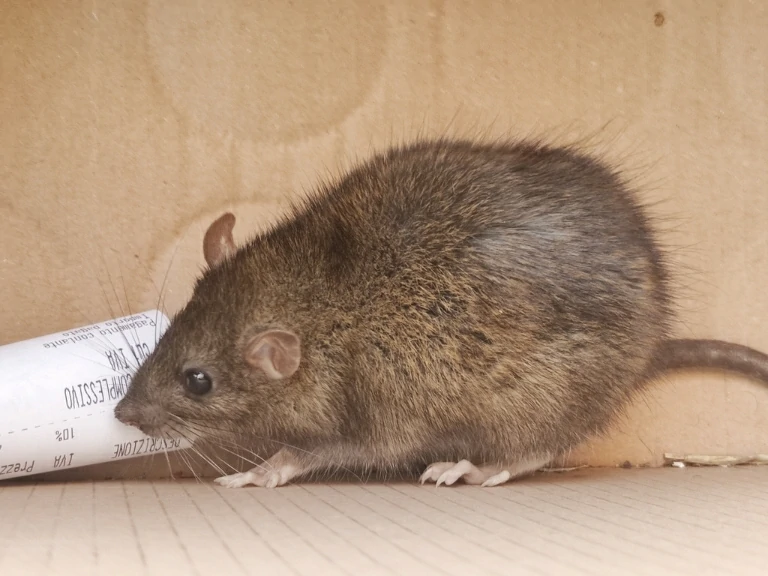
Rats are intelligent, social creatures that can form bonds with humans and show personalities as distinct as any dog or cat. Yet even with the best care, pet rats typically only live 2 to 3 years, and wild rats often die even younger.
This short lifespan is heartbreaking for rat owners and raises an interesting question. Why do rats die so young compared to other pets?
Rats die young because of their fast metabolism, rapid cellular aging, high cancer rates, and evolutionary strategy of reproducing quickly rather than living long lives. Their small size means their bodies work harder and wear out faster, and their genetics prioritize quantity of offspring over longevity.
This isn’t a flaw or something wrong with rats. It’s how they evolved to survive as a species. Understanding why rats have short lives can help you give your pet rat the best possible care during the time you have together.
Small Animals Have Faster Metabolisms That Burn Out Quickly
There’s a general rule in biology that smaller animals have shorter lifespans than larger animals. A mouse lives about a year, a rat lives about 2 to 3 years, a dog lives 10 to 15 years, and an elephant can live 70 years.
This happens because small animals have much faster metabolisms. Metabolism is the rate at which your body converts food into energy and performs all its biological functions.

Rats have incredibly high metabolic rates. Their hearts beat 300 to 500 times per minute compared to a human’s 60 to 100 beats per minute. That means in just one day, a rat’s heart beats more times than a human’s does in a week.
This fast metabolism means everything in their body happens quickly. They digest food faster, their cells divide faster, they reach sexual maturity faster, and they age faster. It’s like they’re living life on fast-forward compared to larger animals.
The trade-off for this fast metabolism is that their bodies wear out sooner. All the rapid biological processes create more cellular damage over time. Their organs work so hard that they break down relatively quickly.
Think of it like a car engine. An engine that runs at very high RPMs all the time will wear out much faster than an engine that runs at lower speeds. The rat’s body is constantly running at high speed, which means it breaks down earlier.
Their Cells Age Faster at the Molecular Level
The aging process happens at the cellular level, and rat cells age much faster than human cells or cells from longer-lived animals.
Every time a cell divides, the protective caps on the ends of chromosomes (called telomeres) get a little shorter. When telomeres get too short, cells can’t divide anymore and either die or stop functioning properly. This is one of the main mechanisms of aging.
Rat cells divide much more frequently than human cells because rats grow quickly and their bodies are constantly working hard. This means their telomeres shorten faster, and their cells reach the end of their functional life sooner.

Rats also accumulate cellular damage faster. Normal metabolism produces molecules called free radicals that damage cells. Because rats have such fast metabolisms, they produce more free radicals and accumulate more damage in less time.
Their DNA repair systems can’t keep up with the rate of damage. All living things have mechanisms to fix damaged DNA, but when damage happens too quickly, some of it doesn’t get repaired. This accumulated damage contributes to aging and disease.
This cellular aging means that a 2-year-old rat is actually quite old in biological terms. Their cells have gone through as many divisions and accumulated as much damage as the cells of a much older, longer-lived animal.
Rats Have Extremely High Cancer Rates
One of the biggest health problems in rats, especially as they age, is cancer. Rats develop tumors at much higher rates than most other animals.
Studies show that more than 30% of pet rats will develop some form of cancer during their lives, and in some rat strains, the rate can be over 50%. This is extraordinarily high compared to most other species.
Mammary tumors (breast tumors) are especially common in female rats. These tumors can grow very quickly, sometimes reaching the size of golf balls or larger. While many are benign, they can still cause serious health problems.
Male rats often develop testicular tumors and pituitary tumors. Pituitary tumors can affect hormone production and cause various symptoms including weight loss, lethargy, and neurological problems.
The reason for these high cancer rates isn’t entirely clear, but several factors contribute. The fast cell division rate means more opportunities for DNA copying errors that can lead to cancer. The accumulated cellular damage from their fast metabolism also increases cancer risk.
Some rat strains have been bred in ways that accidentally selected for cancer susceptibility. Lab rats and pet rats are often descended from a relatively small genetic pool, which means genetic problems get concentrated.
Cancer is one of the leading causes of death in pet rats over 1 year old. Even with veterinary care, many cancers in rats are difficult or impossible to treat effectively.
Their Evolutionary Strategy Favors Reproduction Over Longevity
From an evolutionary perspective, rats don’t need to live long lives to be successful as a species. They’ve evolved a “live fast, die young” strategy that works incredibly well.
Female rats can start having babies when they’re just 5 to 6 weeks old. They can have litters of 6 to 12 babies every 3 weeks if conditions are good. A single pair of rats could theoretically produce thousands of descendants in one year.
This rapid reproduction means rats can adapt quickly to changing environments and bounce back from population crashes. If something kills most of a rat colony, the survivors can rebuild the population in just a few months.
In evolutionary terms, it makes more sense for rats to invest their energy into making lots of babies quickly rather than living for many years. A rat that lives 2 years and has 100 offspring is more evolutionarily successful than a rat that lives 20 years but only has 10 offspring.
Long lifespans are energetically expensive. The biological mechanisms that slow aging and repair damage require energy that could be used for reproduction instead. For rats, evolution has chosen reproduction over longevity.
This is different from animals like elephants or whales that have few offspring and invest heavily in each one. These animals need to live long enough to raise their young to maturity, so they evolved longer lifespans. Rats don’t parent their young for very long, so there’s less evolutionary pressure for long lives.
Wild Rats Face Constant Dangers That Kill Them Early
While pet rats in good homes can live 2 to 3 years, wild rats often die much younger. Most wild rats don’t live past 1 year, and many die within their first few months.
Predators are everywhere for wild rats. Cats, dogs, hawks, owls, snakes, and foxes all hunt rats. Being small and living near the ground makes rats vulnerable to many different predators.

Disease spreads quickly in rat populations. When rats live in colonies in close quarters, infections can wipe out large numbers quickly. Wild rats are exposed to parasites, bacteria, and viruses that pet rats in clean homes rarely encounter.
Starvation and dehydration kill many wild rats, especially young ones. Finding reliable food and water sources is a constant struggle, and competition with other rats is fierce.
Poisoning from eating contaminated food or actual rat poison kills many urban rats. They eat garbage and food that’s rotting or contaminated with chemicals, which can cause illness and death.
Harsh weather takes a toll. Cold winters kill rats that can’t find adequate shelter. Heat waves can cause dehydration. Floods drive rats out of burrows and sewers, exposing them to predators and other dangers.
Because wild rats face so many threats, there’s no evolutionary advantage to having bodies that could potentially live for 10 or 20 years. Most rats die from external causes long before they would die of old age anyway.
Pet Rats Live Longer But Still Have Short Lives
Even though pet rats have much safer lives than wild rats, they still typically only live 2 to 3 years. Good care can sometimes extend this to 3.5 or even 4 years, but that’s about the biological maximum.
The same factors that limit wild rat lifespans affect pet rats too. The fast metabolism, rapid cellular aging, and high cancer rates are built into their biology. You can’t change these fundamental characteristics through care alone.
However, proper care does make a significant difference. Pet rats that get good nutrition, clean living conditions, mental stimulation, and veterinary care live notably longer than rats without these benefits.
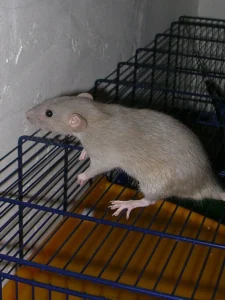
Diet quality affects lifespan. Rats fed a balanced diet with appropriate protein, fat, and carbohydrate ratios tend to live longer than rats fed cheap food or inappropriate diets. Obesity from overfeeding can shorten lifespan significantly.
Exercise and mental stimulation help too. Rats that have space to climb, explore, and play tend to be healthier. Bored rats can develop stress-related health problems that shorten their lives.
Genetics play a huge role in individual rat lifespans. Some rats are genetically predisposed to certain health problems while others are naturally healthier. Rats from responsible breeders who select for health tend to live longer than rats from pet stores or random breeding.
Veterinary care can extend life by catching and treating health problems early. Regular checkups can identify issues like tumors, respiratory infections, or dental problems before they become life-threatening.
Respiratory Problems Are a Major Killer
Respiratory infections are one of the most common health problems in rats and a leading cause of death, especially in rats under 2 years old.
Rats are very prone to respiratory infections because of their anatomy. Their respiratory system is sensitive and easily irritated by dust, ammonia from urine, cigarette smoke, or strong scents.
Mycoplasma is a bacteria that causes chronic respiratory disease in rats. Most rats carry this bacteria from birth, but it usually doesn’t cause problems unless the rat’s immune system is weakened or they’re exposed to poor environmental conditions.
Once respiratory symptoms start, they often progress quickly. What begins as occasional sneezing can turn into labored breathing, wheezing, and eventually pneumonia. Many rats die from respiratory complications even with treatment.
Preventing respiratory problems is easier than treating them. Keep cages very clean to minimize ammonia buildup from urine. Use dust-free bedding. Avoid exposing rats to cigarette smoke, perfumes, or other irritants. Maintain proper humidity levels and avoid sudden temperature changes.
Even with perfect care, some rats will develop respiratory problems because of their genetic susceptibility. It’s frustrating for owners who do everything right but still lose rats to breathing issues.
Why Comparing Rat Age to Human Age Doesn’t Work Well
You might hear people say that a 2-year-old rat is equivalent to a 60-year-old human, but these comparisons aren’t very accurate or useful.
Rats age so differently from humans that direct age comparisons don’t capture what’s really happening. A rat doesn’t experience childhood, adolescence, adulthood, and old age in the same proportions that humans do.
Rats reach sexual maturity at just 5 to 6 weeks old. That’s like a human reaching puberty at 1 to 2 years old. Their entire young adulthood is compressed into their first few months of life.

A 1-year-old rat isn’t middle-aged like a 40-year-old human. It’s actually already getting old. Many rats start showing signs of aging (slowing down, developing tumors, having health problems) around 18 to 24 months.
The last few months of a rat’s life see rapid decline. A rat can go from seemingly healthy to very old and frail in just a few months. This is very different from the gradual aging process most humans experience.
Instead of thinking about rat age in human years, it’s better to think about where the rat is in its actual lifespan. A rat under 6 months is young and energetic. From 6 months to 18 months is prime adulthood. Over 18 months is elderly, and rats over 2.5 years are very old.
What This Means for Rat Owners
Understanding why rats have short lives doesn’t make it easier to lose them, but it can help you make the most of the time you have.
Accept from the beginning that rats don’t live long. If you’re not prepared for a pet that will likely die within 3 years, rats might not be the right pet for you. Getting multiple rats of different ages can help, so you’re not losing all your pets at once.
Focus on quality of life rather than length of life. Give your rats the best possible care, lots of enrichment, social interaction, and love. A rat that lives 2 happy, healthy years has a better life than one that lives 3 years in poor conditions.
Watch for signs of aging and declining health. As rats get older, they’ll slow down, sleep more, and might develop visible tumors or breathing problems. Know when it’s time to consider end-of-life care and don’t let them suffer unnecessarily.
Find a vet who treats rats before you need one. Many vets have little experience with rats, but exotic animal vets usually have more knowledge. Having a good vet relationship can add months or even a year to your rat’s life through early intervention.
Take lots of photos and videos while your rats are young and healthy. The time goes quickly, and you’ll treasure these memories. Enjoy every day with your rats because they truly don’t last long enough.
Conclusion
Rats die young because that’s how they evolved to survive as a species. Their small size, fast metabolism, rapid cellular aging, and high cancer rates all contribute to lifespans that seem tragically short to those who love them.
These biological limitations can’t be overcome with current knowledge and care practices. Even the best rat owners with unlimited resources typically can’t extend rat lifespans beyond 3 to 4 years.
What you can control is the quality of your rat’s life during the time you have together. Proper nutrition, clean living conditions, mental stimulation, social companionship, and veterinary care all contribute to healthier, happier rats. Focus on giving your rats the best life possible rather than fighting against their natural lifespan.

Hi, my name is Ezra Mushala, i have been interested animals all my life. I am the main author and editor here at snakeinformer.com.