
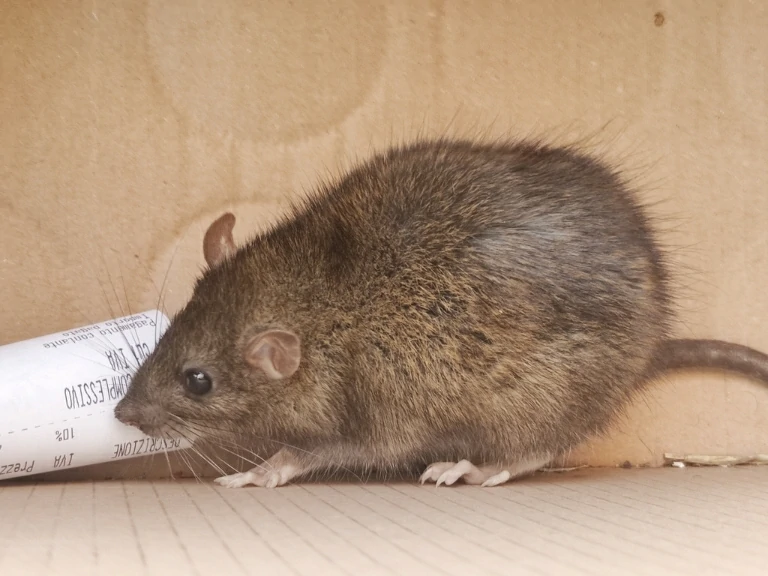
Losing a pet rat can be heartbreaking, especially when it feels like it happened too soon. Many rat owners notice that their pets don’t live as long as dogs, cats, or even some other small animals.
Rats can seem fragile, and health problems can appear suddenly and progress quickly. If you’ve ever wondered why your rat didn’t live longer, you’re not alone. So why do rats die so easily?
Rats die easily because they have naturally short lifespans (2 to 3 years), fast metabolisms, and bodies that can’t handle illness as well as larger animals. They’re also prone to specific health problems like respiratory disease and tumors that can develop quickly.
Their small size means their bodies work harder and faster than larger animals, which wears them out sooner. When rats get sick, their tiny bodies don’t have as many reserves to fight off disease, so health problems can become serious very quickly.
How Long Do Rats Actually Live
Pet rats have pretty short lifespans compared to other common pets. Most pet rats live between 2 and 3 years, though some can make it to 4 years with excellent care and good genetics.
Wild rats often live even shorter lives, usually only 1 to 2 years. They face predators, disease, harsh weather, and competition for food, which cuts their lives short.

The average lifespan seems short compared to a dog (10 to 15 years) or a cat (12 to 18 years). Even guinea pigs and rabbits can live 5 to 8 years or more.
This short lifespan is built into their biology. Rats are naturally programmed to live fast, reproduce quickly, and die young. In the wild, this strategy works because it lets them produce lots of offspring before predators or disease catch up with them.
Why Small Animals Have Shorter Lifespans
There’s a general pattern in nature where smaller animals tend to live shorter lives than larger ones. Rats fit right into this pattern.
Small animals have faster metabolisms. Their hearts beat faster, they breathe faster, and their cells work harder to keep their bodies running. A rat’s heart can beat 300 to 400 times per minute, while a human heart beats only 60 to 100 times per minute.

This fast metabolism means their bodies burn through energy quickly and their organs work overtime. Over time, this constant high-speed activity wears out their systems faster than it would in a larger, slower animal.
Think of it like a car engine. An engine that runs at high RPMs constantly will wear out faster than one that runs at lower speeds. Rats are stuck in high gear all the time.
Small bodies also lose heat faster than large bodies. Rats have to burn a lot of energy just to stay warm, which puts extra stress on their systems.
Common Health Problems That Kill Rats
Rats are prone to several specific health problems that can develop quickly and become life-threatening. Understanding these can help you spot warning signs early.
Respiratory disease is the number one killer of pet rats. Rats are extremely prone to lung and airway infections. Many rats carry bacteria called Mycoplasma pulmonis from birth, which can cause chronic respiratory problems.
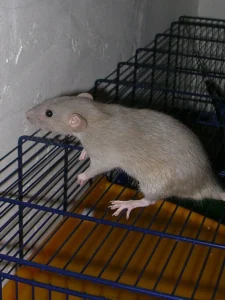
You might hear your rat sneezing, wheezing, or making clicking or rattling sounds when it breathes. Red discharge around the nose and eyes (called porphyrin) is another sign of respiratory problems.
Respiratory infections can turn serious fast. A rat that seems fine one day can be struggling to breathe the next. Without quick treatment from a vet, these infections can be fatal.
Tumors are also extremely common in rats, especially in older rats and females. Mammary tumors (breast tumors) appear as lumps under the skin, often near the belly, legs, or chest.
Some tumors grow slowly, but others can double in size in just days or weeks. Large tumors can make it hard for the rat to move, eat, or breathe. They can also become infected or start bleeding.
Heart and kidney problems often develop as rats age. Their hearts and kidneys work so hard throughout their lives that they can wear out or develop disease.
Strokes are surprisingly common in older rats. You might notice sudden paralysis, head tilt, loss of balance, or difficulty moving. Some rats recover partially, but many don’t survive.
Why Rats Hide Illness Until It’s Too Late
One of the reasons rats seem to die so easily is that they’re incredibly good at hiding when they’re sick. By the time you notice something’s wrong, the illness might already be advanced.
This behavior comes from their wild instincts. In the wild, looking weak or sick makes a rat a target for predators. Rats that showed obvious signs of illness got eaten quickly, so the ones that survived were the ones who could hide their symptoms.

Your pet rat still has those instincts. It’ll try to act normal even when it feels terrible. You might not notice anything wrong until the rat is so sick it can’t hide it anymore.
This means you need to watch your rats closely for subtle changes. Small signs like eating a bit less, being slightly less active, or having slightly ruffled fur can mean your rat is actually pretty sick.
By the time a rat is obviously sick (not moving much, refusing food, breathing hard), it’s often in serious trouble and needs emergency vet care right away.
The Impact of Stress on Rat Health
Stress can seriously shorten a rat’s already short life. Rats are sensitive animals, and chronic stress weakens their immune systems and makes them more likely to get sick.
Common stressors include living alone (rats are social and need companions), living in a cage that’s too small, loud noises, being handled roughly, or not having enough things to do.
When a rat is stressed, its body releases stress hormones that, over time, damage its health. Stressed rats are more likely to develop respiratory infections, tumors, and other serious problems.
You can reduce stress by keeping at least two rats together (never just one), providing a large cage with multiple levels, giving them toys and things to chew, and handling them gently every day.
A less stressed rat will generally live longer and healthier than a stressed one.
Why Female Rats Often Die Younger
If you have female rats, you might notice they tend to develop health problems and die earlier than males. This is a real pattern, not just bad luck.
Female rats are extremely prone to mammary tumors. These tumors are linked to hormones, and since female rats produce estrogen and other reproductive hormones, they’re at high risk.

Studies show that up to 50% to 70% of female rats will develop mammary tumors in their lifetime. These tumors can appear as early as 1 year old, though they’re more common in rats over 18 months.
Some breeders and vets recommend spaying female rats to reduce tumor risk. Spaying removes the ovaries and uterus, which cuts down on the hormones that fuel tumor growth.
Spayed females often live longer and have fewer tumors than unspayed females. However, spaying is surgery, which carries its own risks, especially in such a small animal.
How Genetics Affect Rat Lifespan
Just like in people, genetics play a huge role in how long a rat lives and what health problems it might develop. Some rats are just born with better genes than others.
Rats from responsible breeders who select for health and longevity tend to live longer than rats from pet stores or accidental litters. Good breeders avoid breeding rats with serious health problems and choose parent rats that lived long, healthy lives.
Feeder rats (rats bred as food for snakes and other reptiles) often have the worst genetics. These rats are bred for quantity, not quality, and they’re prone to early death and health problems.
If you want rats that might live longer, look for a breeder who focuses on health and temperament. Ask about the lifespan of the parent rats and whether the breeder screens for common health issues.
That said, even rats with excellent genetics still won’t live as long as many other pets. Their biology limits them to those 2 to 3 years no matter how good their genes are.
Environmental Factors That Shorten Rat Lives
Even with great genetics, environmental problems can cut a rat’s life short. Creating a healthy living space is one of the best things you can do for your rats.
Poor cage conditions are a major issue. Rats kept in cages with wire floors can develop bumblefoot (painful infections on their feet). Dirty cages with lots of ammonia from urine can damage their sensitive lungs and cause respiratory disease.
Clean the cage at least once a week, use safe bedding (paper-based bedding is best, avoid cedar and pine), and make sure the cage is well-ventilated but not drafty.
Bad diet also shortens lives. Rats fed cheap, low-quality food or too many fatty treats can become obese, develop diabetes, or have other health problems.
Feed a high-quality rat block or lab block as the main diet, with small amounts of fresh fruits, vegetables, and occasional treats. Avoid foods high in sugar and fat.
Temperature extremes can kill rats quickly. Rats can’t handle heat well and can die from heat stroke if kept in temperatures over 80 to 85 degrees Fahrenheit. They also struggle in very cold conditions.
Keep rats in a temperature-controlled room, away from direct sunlight, drafts, and heat sources.
Why Rats Don’t Recover From Illness Like Other Pets
When rats get sick, they often decline much faster than a dog or cat would with the same type of illness. This happens for several reasons.
Rats have very little body fat and muscle reserves. When a sick rat stops eating for even a day or two, it can lose dangerous amounts of weight. This weakens it further and makes recovery harder.
Their fast metabolism means they need constant nutrition. Missing meals is a much bigger deal for a rat than for a larger animal.
Rats also have small lungs and airways. Even a minor respiratory infection can make it hard for them to breathe, and breathing problems can spiral out of control quickly.
Their tiny size makes them harder to treat. Giving medication to a rat is tricky because doses are so small. Surgery on a rat is riskier than surgery on a larger animal because anesthesia is harder to control in such a small body.
All of this means that when a rat gets sick, you need to act fast. Don’t wait to see if it gets better on its own. Get it to a vet experienced with rats as soon as you notice symptoms.
Can You Extend Your Rat’s Lifespan?
While you can’t change your rat’s basic biology, you can do things to help it live as long as possible within its natural limits. Good care makes a real difference.
Find a vet who knows rats before your rat gets sick. Not all vets are comfortable treating rats, so locate an experienced exotic vet ahead of time. Regular checkups can catch problems early.
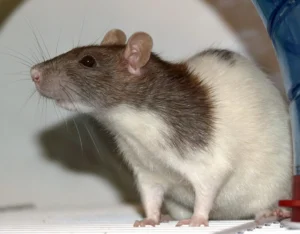
Keep your rats in same-sex pairs or groups. Rats need social interaction with other rats to be happy and healthy. Lonely rats are stressed rats, and stressed rats don’t live as long.
Provide a large, clean cage with multiple levels and lots of enrichment. Rats are smart and need mental stimulation. Boredom and lack of exercise can lead to health problems.
Feed high-quality food and watch their weight. Obesity shortens lives, but so does malnutrition. Keep treats minimal and make sure they’re eating their main food.
Handle your rats daily and check them over for lumps, injuries, or changes in behavior. The sooner you catch a problem, the better chance your rat has of recovering.
Don’t expose them to cigarette smoke, strong cleaning chemicals, or scented candles. Rats have sensitive respiratory systems, and these things can trigger infections or make existing problems worse.
When to Know It’s Time to Say Goodbye
One of the hardest parts of owning rats is knowing when their quality of life has gotten too poor and it’s time to consider euthanasia. This decision is never easy.
Signs that your rat is suffering include refusing to eat or drink, labored breathing that doesn’t improve with treatment, being unable to move or groom itself, or showing signs of pain (hunched posture, reluctance to be touched, teeth grinding).
If your rat has a tumor that’s so large it can’t move comfortably, or if it has organ failure that isn’t responding to treatment, keeping it alive might mean prolonging suffering.
Talk to your vet about your rat’s quality of life. They can help you understand whether treatment is likely to help or if euthanasia would be kinder.
Euthanasia for rats is quick and painless when done by a vet. They’ll give the rat an overdose of anesthetic, and it’ll simply fall asleep and pass away peacefully.
Making this choice is one of the most loving things you can do for your pet, even though it hurts.
Conclusion
Rats die easily compared to many pets because nature built them to live short, fast lives. Their small bodies, rapid metabolisms, and tendency to develop specific health problems all contribute to their brief lifespans.
Understanding why rats are fragile doesn’t make losing them easier, but it can help you give them the best possible care while they’re here. Focus on keeping them healthy, happy, and comfortable, and treasure the time you have with them.
Every rat owner eventually faces the heartbreak of saying goodbye too soon. The best thing you can do is make those 2 to 3 years as wonderful as possible, and know that you gave your rats a life full of love, even if it was shorter than you wanted.

Hi, my name is Ezra Mushala, i have been interested animals all my life. I am the main author and editor here at snakeinformer.com.