
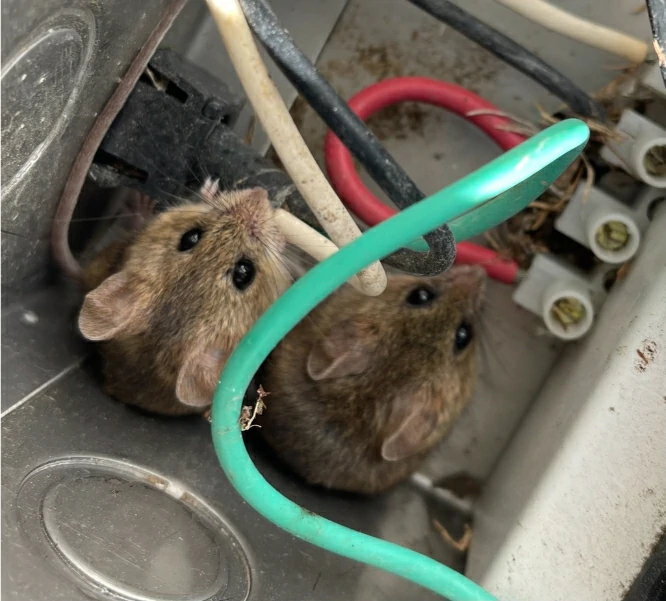
Finding out that rats have been chewing your car’s wiring is incredibly frustrating. You might go to start your car one morning and find it won’t start, warning lights are on, or something just isn’t working right. When you check under the hood, you discover chewed wires and maybe even signs of a rat nest. So why do rats chew car wires?
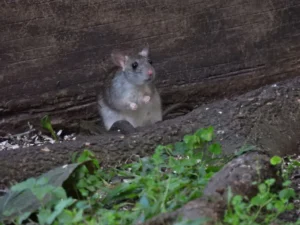
Rats chew car wires for the same reason they chew everything else: their teeth never stop growing, and they need to constantly gnaw on hard objects to keep those teeth at a healthy length. Car engine compartments also provide warm, sheltered spaces that attract rats, and the wires are right there in easy reach. The plastic coating on wires has the perfect texture for wearing down rat teeth.
Making this worse, some car manufacturers started using soy-based plastics for wire insulation to make cars more environmentally friendly. These bio-based materials can actually smell and taste appealing to rats, making modern cars even more attractive targets than older vehicles.
Why Rats Are Attracted to Cars in the First Place
Before we can understand why rats chew the wires, we need to understand why they’re getting into cars at all.
Engine compartments are warm, especially right after you’ve been driving. Rats are drawn to this warmth, particularly in colder months when they’re looking for cozy places to shelter.

The space under the hood is also protected from weather and predators. It’s dark, enclosed, and feels safe to a rat looking for a place to hide or nest.
Cars often have small gaps and openings that rats can squeeze through. They can enter through the space around the air intake, through gaps in the undercarriage, or through openings designed for cables and hoses.
If you park near areas where rats live (like near dumpsters, fields, or areas with overgrown vegetation), your car is more likely to attract them. They’re just looking for the closest safe shelter.
Food crumbs inside your car can also draw rats in initially. Even small amounts of food can attract them, and once they’re in the engine compartment, they might decide to stay.
The Biology Behind Constant Chewing
The main reason rats chew car wires is the same reason they chew anything: their teeth are always growing.
Rats are rodents, and all rodents have incisors (front teeth) that grow continuously throughout their lives. These teeth can grow 4 to 5 inches per year if not worn down.
If rats couldn’t gnaw on things, their teeth would grow so long they’d interfere with eating. Eventually, this would lead to starvation. Chewing isn’t optional for rats, it’s a biological necessity.
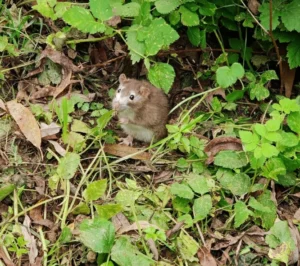
Their teeth are constantly pushing out from the root, similar to how fingernails constantly grow. But unlike nails, rat teeth need to be worn down by use rather than cut.
The gnawing action wears down the teeth from the front, keeping them at a useful length. Rats instinctively know they need to do this and will chew on whatever hard objects are available.
In a car engine compartment, wires are everywhere and they’re the perfect hardness for this purpose. The plastic coating provides good resistance without being too hard to bite through.
Soy-Based Wire Insulation Makes It Worse
In recent years, car manufacturers have made a change that accidentally made the rat problem worse.
Many car companies started using soy-based plastics for wire insulation and other car parts. This was done to make cars more environmentally friendly since these materials are biodegradable and made from renewable resources.
The problem is that soy-based materials can smell and taste appealing to rodents. While regular plastic is pretty neutral, soy-based plastic has organic compounds that rats find interesting.
This doesn’t mean rats are eating the wires for food. They’re still chewing primarily to wear down their teeth. But the soy-based coating makes the wires more attractive targets than wires with traditional petroleum-based insulation.
Car brands known to use soy-based materials include Toyota, Honda, Kia, Hyundai, and several others. If you own a newer car from these manufacturers, you might be at higher risk.
Some car owners have filed lawsuits over this issue, arguing that using rat-attracting materials in cars is a design flaw. Results have been mixed, and manufacturers generally say the materials aren’t specifically attracting rats.
Which Car Wires Are Most Vulnerable?
Rats don’t chew every wire in your car equally. Some wires are much more likely to get damaged than others.
Wires in the engine compartment are the most vulnerable because that’s where rats spend most of their time. These include the main wiring harness, spark plug wires, and sensor cables.
Lower-positioned wires are at higher risk. Rats typically enter from below and travel along the bottom of the engine compartment, so wires near the bottom get chewed more often.
Thinner wires with softer insulation are easier targets. Heavy-duty cables with thick rubber coating are less appealing and harder to chew through.
Wires that run along the firewall (the barrier between the engine and passenger compartment) are commonly damaged. Rats travel along this surface and encounter many wires there.
Battery cables can also get chewed, though their thicker insulation provides some protection. Still, rats can damage them if they’re persistent enough.
Fuel injector wires, oxygen sensor wires, and wires to various engine components are all at risk. Pretty much any wire in the engine bay is fair game.
Signs That Rats Are in Your Car
You might not know rats are in your car until the damage is done, but there are warning signs you can watch for.
The most obvious sign is finding chewed wires when you open the hood. You might see exposed copper wire, torn insulation, or wires that are completely severed.
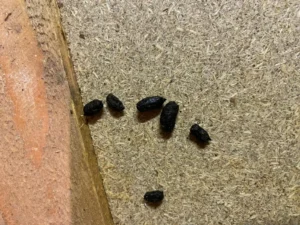
Droppings in or around the engine compartment are a clear indicator. Rat droppings are small (about 1/2 inch long), dark, and pellet-shaped.
You might find nesting material under the hood. Rats will bring in leaves, grass, paper, fabric, or other soft materials to build nests.
Greasy rub marks along surfaces show where rats have been traveling. Rats have oily fur that leaves dark smudges on the surfaces they move across regularly.
A strong, musky odor coming from the engine compartment can indicate rat activity. Rat urine has a distinctive smell that’s hard to miss once you know what it is.
Your car might also show electrical problems. Warning lights on the dashboard, systems that stop working, or the car not starting can all be caused by chewed wires.
The Damage Rats Can Cause
The problems rats create in cars go way beyond just chewed wires. The damage can be extensive and expensive.
Chewed wires can cause your car to not start at all. If rats damage the main power cables or critical sensor wires, your car might be completely non-functional.
Even if the car starts, you might have all sorts of electrical problems. Power windows might not work, lights could malfunction, or sensors might give false readings.
Fire is a real risk. Exposed wires can short circuit and create sparks. If this happens near flammable materials like oil, fluids, or the rat’s nesting material, it could start an engine fire.
Rats can also chew through hoses and other non-wire components. Coolant hoses, vacuum lines, and fuel lines can all be damaged, leading to fluid leaks and mechanical problems.
The nesting material itself can cause issues. It can block air filters, clog drains, or get caught in moving parts like belts and fans.
Repair costs vary widely depending on the damage. Simple wire repairs might cost a few hundred dollars, but extensive damage to a wiring harness can cost thousands to repair.
How to Keep Rats Out of Your Car
Prevention is way better than dealing with the damage after it happens. There are several strategies to keep rats away from your car.
Park in a garage if possible. This is the single most effective prevention method. Rats prefer not to enter well-lit, enclosed spaces that humans use regularly.
If you can’t park in a garage, park away from areas where rats live. Avoid parking near dumpsters, brush piles, fields, or buildings with known rat problems.
Keep your car clean, especially the interior. Remove any food, crumbs, or trash that might attract rats in the first place.
Run your car regularly. Cars that sit unused for long periods are more attractive to rats because they provide undisturbed shelter. If the car moves and makes noise frequently, rats are less likely to nest there.
Leave the hood open when parked at home. Rats prefer dark, enclosed spaces. An open hood makes the engine compartment less appealing and might discourage them from entering.
Use deterrents like peppermint oil, which rats supposedly dislike. Soak cotton balls in peppermint oil and place them around the engine compartment. This needs to be refreshed regularly.
Electronic deterrents are also available. These devices emit ultrasonic sounds or flashing lights that are supposed to repel rats. Results are mixed, but some people find them helpful.
Physical Barriers and Protection Methods
Besides deterrents, you can also use physical barriers to protect your car from rats.
Wire mesh or hardware cloth can be placed around openings where rats enter. Block off air intake openings, gaps in the undercarriage, and other entry points with mesh that has holes too small for rats to squeeze through.
Wire looms or protective sleeving can be added to vulnerable wires. These are plastic or fabric tubes that cover wires and make them harder to chew through. They’re available at auto parts stores.
Some people use rat-proof tape on their wires. This is tape treated with capsaicin (the compound that makes peppers hot) which rats find extremely unpleasant to chew.
Commercial rat guards are available for some vehicles. These are specially designed covers that fit over parts of the engine compartment to prevent rat access.
Traps can be set near your car if you’re parked in an area with a known rat problem. Snap traps or live traps baited with peanut butter can catch rats before they get into your car.
However, traps only work if they catch all the rats in the area. If there’s a population of rats nearby, you’ll need ongoing trapping or other solutions.
What to Do If You Find Rat Damage
If you discover rats have already damaged your car’s wiring, you need to take action quickly.
Don’t try to drive the car until you know the extent of the damage. Chewed wires could cause fires, electrical shorts, or other dangerous problems while driving.
Inspect the entire engine compartment carefully. Look for all signs of damage, not just the obvious chewed wires. Check for nesting material, droppings, and other evidence of rats.
Take photos of the damage. This documentation can be helpful for insurance claims and for showing the mechanic exactly what needs to be fixed.
Remove any nesting material and clean the engine compartment. Wear gloves because rat droppings and urine can carry diseases. Use disinfectant to clean surfaces after removing the debris.
Have the car towed to a mechanic or dealer if it won’t start or if you’re not sure it’s safe to drive. Tell them specifically that you have rodent damage so they know what to look for.
The mechanic will need to trace all the damaged wires and replace or repair them. This can be time-consuming because they need to make sure every damaged wire is found and fixed.
After repairs, take steps to prevent it from happening again. Otherwise, rats might come back and cause the same damage all over.
Insurance and Warranty Coverage
One of the big questions people have about rat damage is whether insurance or warranty will cover it.
Comprehensive auto insurance usually covers rodent damage. This is considered damage from an animal, which falls under comprehensive coverage (not collision).
You’ll need to pay your deductible, and then insurance should cover the rest of the repair costs. Make sure to document everything and file your claim promptly.
Standard car warranties typically don’t cover rodent damage. Manufacturers consider this an environmental hazard, not a defect in materials or workmanship.
Some extended warranties might cover rodent damage, depending on the specific terms. Read your warranty carefully or call and ask if you’re not sure.
If you believe soy-based wiring materials attracted the rats, you might have grounds for a manufacturer complaint. Some owners have successfully argued this is a design flaw, though results vary.
Keep all receipts and documentation related to the damage and repairs. This is important for insurance claims and if you need to pursue other remedies.
Conclusion
Rats chew car wires because their teeth never stop growing and they need to constantly gnaw on hard objects. Your car’s engine compartment provides a warm, protected space where rats like to shelter, and the wires are right there in easy reach.
Modern cars using soy-based wire insulation might be at even higher risk because these materials can smell appealing to rats. This makes newer vehicles from certain manufacturers particularly vulnerable to rodent damage.
The damage rats cause isn’t just inconvenient, it’s dangerous and expensive. Chewed wires can prevent your car from starting, cause electrical failures, or even start fires.

Hi, my name is Ezra Mushala, i have been interested animals all my life. I am the main author and editor here at snakeinformer.com.