

If you’ve ever discovered a strange pile of shredded paper, fabric, and other materials tucked away in a hidden corner of your home, you’ve probably found a rat nest. These structures might seem messy and random, but rats put a lot of effort into building them for very specific reasons. So why do rats build nests?
Rats build nests to create a safe, warm place to sleep, raise their babies, and protect themselves from predators and harsh weather. The nest provides insulation, security, and a central location where the rat colony can rest during the day when they’re most vulnerable.
Nesting is a natural behavior that all rats do, whether they’re living in the wild or inside your home. It’s how they survive and make sure their young have the best chance of growing up healthy.
Rats Need a Safe Place to Sleep
Rats are prey animals, which means lots of other creatures want to eat them. In the wild, rats face threats from owls, hawks, snakes, cats, and many other predators.
Because of this constant danger, rats can’t just sleep anywhere. They need a protected spot where predators can’t easily reach them.

A nest gives rats this security. It’s usually built in a hidden location like inside walls, under floors, in attics, or behind appliances.
The materials rats use to build their nests, like shredded paper and fabric, help camouflage the entrance. This makes it harder for predators to spot.
Rats also build their nests with multiple escape routes when possible. If a predator finds the nest, the rats can quickly flee through a back exit.
During the day, rats sleep inside their nests for several hours. This is when they’re most vulnerable, so having a secure nest is really important for their survival.
Nests Provide Warmth and Insulation
Rats are warm-blooded mammals, which means they need to maintain a constant body temperature to stay healthy. When temperatures drop, rats can get sick or even die from the cold.
Building a nest helps rats stay warm. The materials they use, like shredded paper, fabric, insulation, and plant matter, trap air and create layers of warmth.

This is especially important for baby rats, called pups. Newborn rat pups can’t control their own body temperature for the first few weeks of life.
Without a warm nest, baby rats would die from hypothermia very quickly. The mother rat’s body heat combined with the insulating nest materials keeps the pups at the right temperature.
Even adult rats benefit from the warmth of a nest, especially during winter months or in cold parts of a building.
Rats will often add more nesting material when the weather gets colder. You might notice their nests getting bigger and fluffier as temperatures drop.
Female Rats Need Nests to Raise Their Babies
One of the most important reasons rats build nests is for reproduction. Female rats need a safe, comfortable place to give birth and care for their babies.
A pregnant rat will become very active in the days before giving birth. She’ll gather extra nesting materials and work to make the nest as comfortable as possible.

Rat pups are born blind, deaf, and completely helpless. They can’t walk, regulate their temperature, or feed themselves.
The nest protects these vulnerable babies from dangers and keeps them together in one place. The mother rat knows exactly where to find her pups when it’s time to nurse them.
Rats can have litters of 6 to 12 pups at a time, and a female can get pregnant again within days of giving birth. This means nests are constantly being used for raising new generations.
The mother rat will defend her nest aggressively if she feels her babies are threatened. This is when rats are most likely to bite, even if they’re normally timid.
Nests Serve as a Central Meeting Place for the Colony
Rats are social animals that live in groups called colonies. These colonies can range from just a few rats to hundreds of individuals living together.
The nest acts as a home base for the entire colony. It’s where rats return to after spending the night searching for food and water.
Rats use their nests to groom each other, sleep together in piles for warmth, and communicate. This social interaction is really important for rat psychology and behavior.
Young rats learn important survival skills in the nest by watching older rats. They figure out what’s safe to eat, how to avoid danger, and how to interact with other rats.
The nest also helps establish the social structure of the colony. Dominant rats get the best sleeping spots, while lower-ranking rats have to settle for less comfortable areas.
When multiple rats share a nest, they can take turns keeping watch for predators while others sleep. This cooperative behavior helps the whole colony survive.
What Materials Do Rats Use to Build Nests
Rats are resourceful and will use whatever materials they can find to build their nests. In the wild, they typically use natural items like grass, leaves, twigs, and moss.
But in your home, rats have access to all sorts of materials. They especially love soft, shredable items that they can tear into small pieces.

Paper is one of their favorite materials. Rats will shred newspapers, cardboard, books, documents, and even important paperwork to line their nests.
Fabric works great too. Rats will chew up old clothes, towels, bedding, curtains, and upholstery to create soft nesting material.
Insulation from your walls or attic is another common material. Rats find fiberglass and foam insulation perfect for building warm, cozy nests.
They’ll also use string, yarn, plastic bags, cotton, feathers from pillows, and pretty much anything else that’s soft and can be shredded.
Rats even collect food and store it in or near their nests. You might find piles of seeds, nuts, or other food items they’ve hoarded.
Where Rats Typically Build Their Nests
Location is everything when it comes to rat nests. Rats look for spots that meet specific requirements for safety, warmth, and access to food.
Inside homes, attics are prime nesting locations. They’re usually quiet, undisturbed, and have plenty of insulation material available.
Wall voids are also popular. Rats can access the space between walls and build nests that are completely hidden from view.
Under floors and in crawl spaces work well too. These areas are dark, protected, and close to the ground where rats feel most comfortable.
Behind appliances like refrigerators, stoves, and washing machines are common nesting spots. These locations provide warmth from the appliance’s motor and are rarely disturbed.
Basements and storage areas full of boxes and clutter make perfect nesting sites. The clutter gives rats lots of materials to work with and places to hide.
Outside, rats build nests in woodpiles, compost heaps, dense vegetation, under sheds or decks, and in underground burrows.
How Long Does It Take Rats to Build a Nest
The speed at which rats build nests depends on several things, including how many rats are working, what materials are available, and how urgent the need is.
A single rat can build a basic nest in just one or two nights if materials are plentiful and easy to access.
But rats typically keep improving and expanding their nests over time. They’ll keep adding materials to make it more comfortable and secure.

Pregnant females work especially fast when they’re about to give birth. The hormonal drive to prepare a nest is very strong, and they’ll work almost non-stop.
Multiple rats working together can build a larger, more complex nest much faster than a single rat.
In your home, you might not notice the nest at first. Rats often start with a small nest in a hidden spot, then gradually expand it as the colony grows.
By the time you discover a rat nest, it’s often been there for weeks or even months. The larger the nest, the longer it’s been established.
Signs That Rats Are Building Nests in Your Home
You don’t always see the nest itself before you notice other signs that rats are building one nearby.
One big clue is finding shredded materials in strange places. If you see bits of paper, fabric, or insulation scattered around, rats are probably carrying materials to a nest.
You might notice items going missing. That roll of paper towels you left out, the bag of cotton balls in the bathroom, or newspapers you were saving might disappear.
Strange sounds in your walls or ceiling can indicate nest-building activity. You’ll hear scratching, rustling, and movement, especially at night.
Rat droppings near certain areas suggest a nest is close by. Rats don’t travel far from their nests, so lots of droppings in one spot means they’re living nearby.
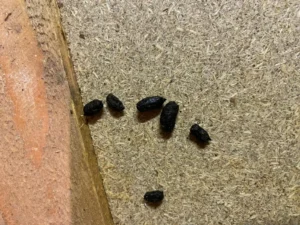
A strong, musky smell that doesn’t go away indicates rat urine and droppings accumulating near a nest.
Greasy rub marks on walls show the paths rats take repeatedly. These trails often lead directly to nest locations.
Why Rat Nests Are Dangerous to Have in Your Home
Finding a rat nest in your home is a serious problem that needs immediate attention. These nests create multiple health and safety risks.
Rats carry diseases that can make you and your family really sick. Their nests are contaminated with urine and droppings that contain harmful bacteria and viruses.
Rat urine can cause leptospirosis, hantavirus, and other serious illnesses. When the urine dries, it becomes dust that you can breathe in.
The nest itself attracts other pests. Fleas, mites, and ticks often live in rat nests and can spread to the rest of your home.
Rats gnaw on electrical wires to get material for their nests and to keep their teeth short. This creates a serious fire hazard.
Many house fires are caused by rats chewing through wires near their nests. The sparks can ignite the dry nesting materials, starting a fire inside your walls.
Rat nests also mean you have an active infestation. Where there’s one nest, there are probably multiple rats and possibly more nests in other areas.
How to Find Rat Nests in Your Home
Locating rat nests can be tricky because rats deliberately hide them in areas you don’t regularly check.
Start by looking in the most common nesting spots: attics, basements, crawl spaces, and inside walls. Use a flashlight to inspect dark corners and tight spaces.
Follow the evidence. If you see rat droppings concentrated in one area, the nest is probably nearby.

Listen carefully at night when rats are most active. The sounds will be loudest near the nest location.
Look for grease marks on walls and surfaces. These trails show where rats travel regularly, and they usually lead to nesting areas.
Check behind and under appliances. Pull out your refrigerator, stove, and washing machine to see if rats have built nests in these warm, protected spots.
Inspect any stored items, especially cardboard boxes. Rats love building nests inside boxes full of fabric, paper, or other soft materials.
Use your nose. Rat nests have a distinct, unpleasant odor that gets stronger as you get closer to the source.
What to Do When You Find a Rat Nest
Discovering a rat nest is alarming, but it’s important to handle the situation carefully to protect yourself and effectively solve the problem.
Don’t touch the nest with your bare hands. Rat nests are full of bacteria, viruses, and parasites that can make you sick.
If you see baby rats in the nest, don’t handle them. The mother rat is probably nearby and might attack to protect her young.
Put on protective gear before dealing with the nest. Wear gloves, a mask, and old clothes that you can wash immediately afterward.
If the nest is accessible and no rats are currently in it, you can remove it yourself. Spray it with disinfectant first to reduce the amount of contaminated dust.
Carefully place the entire nest into a sealed plastic bag. Then put that bag inside another bag for extra protection.
Dispose of the bags in an outdoor trash can immediately. Don’t leave them inside your house, even temporarily.
Clean the area thoroughly with disinfectant. Scrub all surfaces where the nest was located and anything the nest touched.
Why You Shouldn’t Just Remove the Nest
Getting rid of the nest seems like it solves the problem, but it’s actually just the first step. The rats are still there, and they’ll just build a new nest.
Removing the nest without dealing with the rats is like mopping up water without turning off the faucet. The problem keeps coming back.
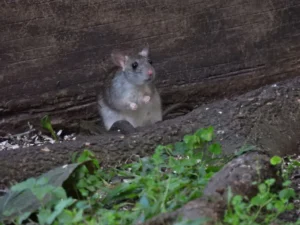
Rats are strongly attached to their nesting area. Even if you destroy the nest, they’ll often rebuild in the exact same spot.
The materials rats use for nests are everywhere in your home. They’ll have no trouble gathering more and starting over.
You also need to figure out how the rats got into your home in the first place. If you don’t seal their entry points, new rats will move in.
A proper solution involves removing the nest, catching or eliminating all the rats, sealing entry points, and cleaning the entire area thoroughly.
Consider calling professional pest control if you find multiple nests or if you’re not comfortable handling the infestation yourself.
Conclusion
Rats build nests because they need safe, warm places to sleep, raise babies, and hide from danger. The nest is really important for their survival, providing insulation, security, and a home base for the colony.
These nests are usually hidden in attics, walls, basements, or behind appliances, built from whatever soft materials rats can find. If you discover a nest in your home, it means you have an active rat infestation that needs immediate attention.
Don’t just remove the nest and hope the problem goes away. You need to eliminate all the rats, seal entry points, and thoroughly clean contaminated areas to prevent the rats from coming back and building new nests.

Hi, my name is Ezra Mushala, i have been interested animals all my life. I am the main author and editor here at snakeinformer.com.