
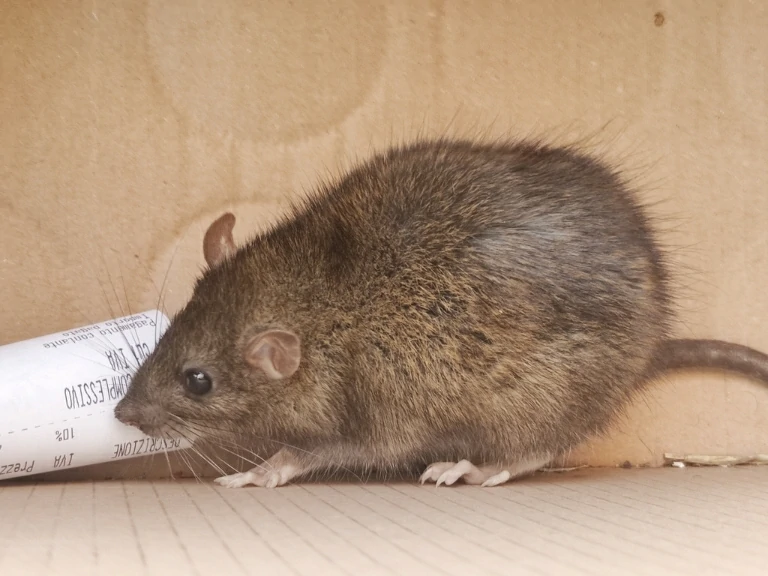
If you’ve ever watched a pet rat closely, you might have noticed something strange. Their eyes seem to vibrate or bulge in and out rapidly, almost like they’re pulsing. This behavior is called boggling, and it can look pretty weird if you’ve never seen it before. But why do rats boggle?
Rats boggle when they’re feeling really happy, relaxed, or content. It’s basically their way of showing pleasure, similar to how a cat purrs. The eye movement happens because the muscles they use for chewing are connected to the muscles behind their eyes, so when they’re relaxed and grinding their teeth gently, their eyes bulge in and out.
When your rat boggles, it’s actually a great sign. It means they’re comfortable and enjoying whatever is happening at that moment, whether that’s being petted, eating a favorite treat, or just feeling safe in their environment.
What Exactly Is Boggling?
Boggling is when a rat’s eyes rapidly move in and out of their eye sockets. The movement can be subtle or really obvious, depending on how relaxed and happy the rat is feeling.

You’ll usually see this happening when you’re petting your rat in a spot they really like, or when they’re eating something they love. Some rats boggle so hard that their eyes actually pop out noticeably with each pulse.
The technical reason this happens is pretty interesting. Rats have jaw muscles that are connected to the area behind their eyeballs. When they grind their teeth gently (called bruxing), these muscles contract and push against the back of the eye socket.
This pressure makes the eyes bulge forward slightly with each tooth grind. The faster they brux, the more obvious the boggling becomes.
Boggling Almost Always Comes with Bruxing
You can’t really talk about boggling without talking about bruxing. These two behaviors almost always happen together.
Bruxing is when rats grind their teeth together, but not in an aggressive or nervous way. It’s a soft, gentle grinding that happens when they’re happy and relaxed.
If you listen closely when your rat is bruxing, you might hear a soft clicking or grinding sound. It’s pretty quiet, so you need to be close to hear it.
When rats are really content, they’ll brux, and the muscle movement from that grinding causes the boggling. The more intense the bruxing, the more visible the boggling becomes.
Some rats are big bogglers and will do it all the time when they’re happy. Others might only boggle occasionally or very subtly.
What Makes Rats Boggle?
Rats boggle in response to things that make them feel good. Physical touch is one of the biggest triggers.
When you scratch your rat behind the ears, under the chin, or along their back in just the right spot, they might start boggling right away. It’s like finding that perfect spot that makes a dog’s leg kick.
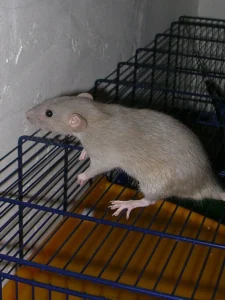
Food is another major boggling trigger. If you give your rat a treat they really love, like a small piece of fruit or a yogurt drop, don’t be surprised if their eyes start pulsing while they eat.
Some rats will also boggle during playtime when they’re having fun and feeling relaxed. You might see it happen when they’re exploring a new toy or playing with you.
Even just sitting quietly with your rat while they feel safe and comfortable can trigger boggling. It’s their way of saying “this is nice, I’m really enjoying this moment.”
Is Boggling Always a Good Sign?
Yes, boggling is basically always a positive sign. It means your rat is experiencing something pleasant and they’re relaxed enough to show it.
You don’t need to worry when you see your rat boggling. It’s not a sign of pain, distress, or any health problem. It’s actually the opposite, it shows your rat is happy and comfortable.
If your rat suddenly stops boggling when they used to do it often, that might be worth paying attention to. It could mean they’re stressed or not feeling well.
But the boggling itself? That’s always good news. It means you’re doing something right and your rat feels safe and happy with you.
How Boggling Is Different from Eye Problems
Sometimes new rat owners worry that boggling might be a sign of an eye infection or other health issue. But boggling looks very different from actual eye problems.
When a rat has an eye infection or injury, you’ll usually see other symptoms. Their eye might be crusty, red, swollen, or producing discharge. The eye might stay bulged out constantly instead of pulsing in and out.
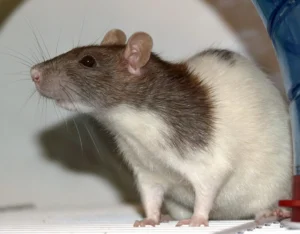
Boggling is rhythmic and happens in sync with the rat’s jaw movements. It’s both eyes at the same time, moving together. An eye infection or injury usually affects just one eye, or affects both eyes differently.
If you’re ever unsure whether what you’re seeing is boggling or a health problem, look at the context. Is your rat relaxed and happy? Are they being petted or eating something good? Then it’s probably boggling.
Is your rat lethargic, avoiding light, or showing other signs of being unwell? Then you might want to check with a vet.
Some Rats Boggle More Than Others
Just like people have different personalities, rats have different ways of showing happiness. Some rats are enthusiastic bogglers who do it all the time.
These rats might boggle during every petting session, while eating most of their meals, and even sometimes just sitting in their cage feeling content. Their eyes will pulse obviously and frequently.
Other rats are more subtle about it. They might only boggle occasionally, or their boggling might be so slight that you barely notice it unless you’re looking closely.
This doesn’t mean one rat is happier than the other. It just means they express their contentment differently. Some rats are just naturally more expressive, while others keep their feelings more subdued.
Age can also play a role. Younger rats tend to be more enthusiastic bogglers, while older rats might boggle less frequently or less obviously.
Can You Encourage Your Rat to Boggle?
You can’t force a rat to boggle, but you can definitely create situations where it’s more likely to happen. The key is making your rat feel really happy and relaxed.
Spend time figuring out where your rat likes to be petted. Most rats have favorite spots, usually behind the ears, under the chin, or along the sides of their face. When you find that sweet spot, your rat might start boggling.
Offer treats your rat really loves. Watch what foods make them most excited, and use those as special rewards. Many rats will boggle while eating their favorite snacks.
Make sure your rat feels safe and secure. Boggling happens when rats are relaxed, so if your rat is stressed or scared, they won’t boggle no matter what you do.
Building trust takes time, especially with new rats. Be patient, handle them gently, and give them time to get comfortable with you. As your bond grows stronger, you’ll probably see more boggling.
What If Your Rat Never Boggles?
Some rats just don’t boggle much, or at all. This doesn’t mean they’re unhappy or that something is wrong.
Rats show contentment in different ways. Your rat might express happiness through other behaviors, like licking you, grooming you, or sleeping on you. They might do something called “popcorning” where they jump around excitedly.
As long as your rat seems healthy, active, and interested in interacting with you, they’re probably just fine. Not every rat is a boggler, and that’s okay.
Focus on the overall signs of a happy, healthy rat. Are they eating well? Playing? Grooming themselves? Coming to you when you approach their cage? These are all good indicators that your rat is content, even without boggling.
Boggling in Wild Rats vs. Pet Rats
Pet rats boggle much more often than wild rats do. This makes sense when you think about their different lifestyles.
Wild rats live in a pretty stressful environment. They’re constantly watching for predators, competing for food, and dealing with threats. They don’t have as many opportunities to feel relaxed and safe enough to boggle.
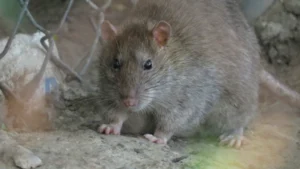
Pet rats, on the other hand, live in a secure environment where their basic needs are met. They don’t have to worry about predators or finding food. This means they can relax more often, which leads to more boggling.
The fact that pet rats boggle frequently is actually evidence of how well domesticated rats have adapted to living with humans. It shows they can form bonds with us and experience genuine contentment in captivity.
Understanding Rat Body Language Beyond Boggling
Boggling is just one part of rat communication. Rats have a whole range of body language signals that tell you how they’re feeling.
When a rat is happy and relaxed, they might also show it by lying flat on their belly, having their ears relaxed back, or grinding their teeth softly (bruxing without visible boggling). They might also groom themselves or you, which is a sign of contentment.
Stressed or scared rats look very different. Their eyes might be wide open and not blinking much. Their ears will be perked up and alert. They might freeze in place or try to hide.
Learning to read your rat’s body language as a whole will help you understand them better. Boggling is a clear signal of happiness, but it’s helpful to recognize the other signs too.
The Science Behind Why Rats Boggle
Scientists have studied rat behavior pretty extensively, including boggling. The basic explanation comes down to anatomy.
Rats have a unique skull structure where their jaw muscles extend up behind their eyes. These muscles are called the masseter muscles, and they’re responsible for chewing.
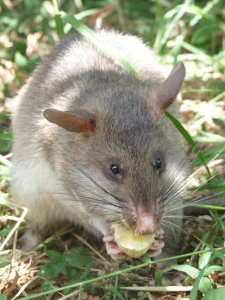
When rats brux (grind their teeth), these masseter muscles contract rhythmically. Because they’re positioned behind the eye socket, each contraction pushes the eyeball forward slightly.
This creates the boggling effect. The eyes bulge out with each tooth grind, then retract when the muscle relaxes. The faster the bruxing, the faster the boggling.
The reason rats brux when they’re happy isn’t completely understood, but it’s thought to be a self-soothing behavior. It’s similar to how humans might hum or sigh when they’re content.
How to Tell If Boggling Is Really Intense
Sometimes rats get so relaxed and happy that their boggling becomes really dramatic. This is sometimes called “power boggling” by rat owners.
During intense boggling, the eyes will bulge out very noticeably with each pulse. The rat might also close their eyes partially or completely, and their whole face might seem to relax.
You might also hear the bruxing more clearly during intense boggling. The grinding sound can be quite audible if you’re close enough.
This level of boggling usually happens during really enjoyable experiences, like getting petted in exactly the right spot or eating something absolutely delicious. It’s basically the rat equivalent of being in total bliss.
If you see your rat boggling this intensely, congratulations. You’ve found something they absolutely love, and they trust you completely.
Building Trust to See More Boggling
New rats often don’t boggle much at first because they’re still getting used to their environment and their human. Building trust is key to seeing this behavior.
Start by spending time near your rat’s cage just talking to them softly. Let them get used to your voice and presence without any pressure to interact.
When you start handling your rat, keep sessions short and positive. Don’t grab them or force interaction. Let them come to you when possible.
Offer treats from your hand to create positive associations. Over time, your rat will learn that you mean good things, not threats.
As your rat becomes more comfortable, you’ll probably start seeing boggling during petting sessions or treat time. It’s a sign that your relationship is growing stronger.
Some rats warm up quickly and might boggle within days. Others take weeks or even months to feel comfortable enough. Be patient and let your rat set the pace.
Conclusion
Boggling is one of the clearest signs that your rat is happy and relaxed. When you see those eyes pulsing in and out, you know you’re doing something right.
The behavior happens because of the connection between jaw muscles and eye sockets. When rats grind their teeth softly (bruxing) in contentment, their eyes bulge out rhythmically.
You can encourage boggling by finding what makes your rat happiest, whether that’s certain petting spots, favorite treats, or just quality time together. But remember, not all rats boggle frequently, and that’s okay.
What matters most is that your rat shows signs of being healthy, comfortable, and bonded with you. Boggling is just one of many ways rats communicate their feelings. Pay attention to your rat’s overall body language and behavior to understand how they’re doing.
When you do see those eyes start to pulse, take it as the compliment it is. Your rat is telling you they feel safe, happy, and content in that moment. That’s what every rat owner wants to see.

Hi, my name is Ezra Mushala, i have been interested animals all my life. I am the main author and editor here at snakeinformer.com.