

You’ve set out traps with what you thought was irresistible bait. You’ve placed them exactly where you’ve seen rat droppings or heard scratching sounds.
But days go by, and the traps remain untouched while the rats continue to run around your home at night. This is one of the most frustrating problems people face when trying to get rid of rats. So why do rats avoid traps?
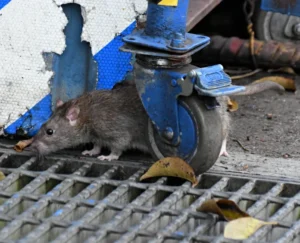
Rats avoid traps because they’re naturally cautious of new objects in their environment, they learn from watching other rats get caught, and they have an excellent sense of smell that lets them detect human scent on traps. Their intelligence and fear of anything unfamiliar make them incredibly difficult to catch.
This behavior is called neophobia, which means fear of new things. It’s a survival instinct that’s kept rats alive for millions of years, and it’s the same instinct that makes your traps ineffective if you don’t understand how to work around it.
Rats Are Naturally Suspicious of New Objects
When you place a trap in your home, you’re introducing something that wasn’t there before. To you, it’s just a small device. To a rat, it’s a suspicious new object that could be dangerous.
Rats are extremely cautious creatures. They’ve survived as a species for millions of years by being careful about potential threats. Any change in their environment triggers their wariness, and they’ll avoid the new object until they’re sure it’s safe.

This neophobia is strongest in older, more experienced rats. Young rats are naturally more curious and might approach a trap more quickly. But adult rats that have survived for months or years have learned that caution pays off.
When a rat first encounters your trap, it won’t just walk right into it. It’ll approach slowly, sniff around it, and then back away. It might do this several times over several days before it feels comfortable enough to get closer.
Some rats might never get comfortable with the trap. They’ll simply change their route and avoid that area entirely. This is especially true if the trap is placed in an open area where the rat feels exposed and vulnerable.
How Rats Learn from Other Rats’ Mistakes
One of the most challenging things about catching rats is their ability to learn from watching other rats. If one rat gets caught in a trap, other rats will notice and become even more cautious.
Rats are social animals that live in colonies. They communicate with each other through sounds, scents, and body language. When something bad happens to one rat, the others in the colony learn about it.

If a rat gets caught in a snap trap and cries out in distress, other rats will hear those sounds and associate the trap with danger. They’ll avoid that trap and any similar-looking traps they come across.
This learned avoidance can be passed down through rat generations. Older rats teach younger ones which areas are safe and which should be avoided. If the older rats learned to avoid traps, they’ll pass that knowledge to their offspring.
This is why an infestation that’s been around for a while is harder to control than a new one. The rats have had time to learn about threats in their environment, including your traps.
The Problem with Human Scent on Traps
Your hands leave behind oils and scents that rats can easily detect. When you handle a trap, you’re essentially warning the rats to stay away from it.
Rats have an incredible sense of smell. They use it to find food, detect predators, and navigate their environment. They can smell your scent on a trap from several feet away.

To a rat, your scent means danger. Rats associate human smell with being chased, having their food sources removed, or seeing members of their colony disappear. They’ve learned that where humans have been, bad things often happen.
This is why brand new traps straight out of the package often work better than traps you’ve been handling and moving around. New traps have less human scent on them.
Many people make the mistake of checking their traps too often. Every time you touch the trap to check if it’s been triggered, you’re adding more of your scent to it. This makes rats even less likely to approach.
Why Trap Placement Matters More Than You Think
Even the best trap won’t work if it’s in the wrong location. Rats have specific travel patterns, and if your trap isn’t on their regular route, they’ll simply walk right past it.
Rats prefer to travel along the edges of walls rather than out in open spaces. They feel safer when they have a wall on one side and can escape in the other direction if needed. This is called thigmotaxis, which is the tendency to stay close to vertical surfaces.
If you place a trap in the middle of a room or away from walls, rats will probably avoid it. Even if they see or smell the bait, the fear of being exposed in an open area outweighs their desire for food.
The best placement is perpendicular to the wall with the trigger end facing the wall. This way, as the rat travels along the wall, it encounters the trap in its natural path. It’s less suspicious because the trap isn’t blocking the entire pathway.
Rats also avoid well-lit areas when possible. They’re nocturnal and prefer darkness. If your trap is under a bright light or near a window where moonlight comes in, rats might avoid that spot entirely.
The Type of Trap You’re Using Could Be the Problem
Not all traps are equally effective, and some designs are easier for rats to avoid than others. Understanding the pros and cons of different trap types can help you choose better options.
Snap traps are the most common type, but they have to be set up correctly to work. If the trigger mechanism is too sensitive, it might go off before the rat is in position to be caught. If it’s not sensitive enough, the rat can steal the bait without triggering the trap.
Glue traps are controversial and often avoided by rats. Smart rats seem to recognize the sticky surface and will jump over or go around glue traps. Plus, glue traps are considered inhumane by many people because caught rats can suffer for hours.
Live traps can work, but they need to be large enough that rats don’t feel claustrophobic. Small cage traps might catch young rats, but older, larger rats often won’t enter them. The trap needs to look like a safe tunnel or hiding spot rather than an obvious cage.
Electronic traps that deliver a lethal shock are effective when they work, but they’re expensive. Rats might be suspicious of the enclosed design, especially if they can smell previous victims or detect electronic components.
Bucket traps with a tilting platform can be effective because they don’t look like traditional traps. However, they require more setup and maintenance than other options.
Your Bait Might Not Be Tempting Enough
Just because you think the bait is appetizing doesn’t mean rats will agree. They have their own food preferences, and if they have access to other food sources, they might not be interested in what you’re offering.
Peanut butter is often recommended as rat bait, and it does work reasonably well. But if rats in your home have been eating your food, they might actually prefer whatever you’ve been storing in your pantry.
Think about what the rats have been eating. If they’ve been getting into your pet food, use that as bait. If they’ve been raiding your fruit bowl, try using pieces of apple or banana. Matching your bait to what they’re already eating makes it more appealing.
Rats also prefer fresh bait. Old, dried-out peanut butter or stale food isn’t very tempting. Change your bait every few days to keep it fresh and aromatic. The stronger the smell, the more likely rats are to notice it.
Some effective bait options include chocolate (many rats love it), bacon or other fatty meats, dried fruits like raisins or cranberries, nuts, and even small amounts of pet food. The key is to use something with a strong smell that rats can detect from a distance.
The Timing of Trap Placement Affects Success
When you set your traps matters just as much as where you set them. Timing can make the difference between catching rats quickly and waiting weeks with no results.
Don’t set the trap to trigger right away. This might seem counterintuitive, but hear me out. Place the trap with bait but disabled for several days first. Let the rats get used to seeing the trap and eating the bait without anything bad happening.

This process is called pre-baiting. You’re training the rats to think the trap is a safe, reliable food source. After a few days of free meals, rats will let their guard down. That’s when you set the trap to actually catch them.
The best time to set traps is in the evening before rats become active. Rats are most active at night, typically from dusk to dawn. Setting fresh traps in the late afternoon ensures the bait is at its most aromatic when rats start looking for food.
Avoid setting traps during the day when rats are sleeping. If you wake them up by making noise while placing traps, they’ll associate those traps with disturbance and danger.
Environmental Factors That Make Rats More Cautious
The conditions in your home can affect how willing rats are to approach traps. Understanding these factors helps you create conditions that make rats less wary.
If you have pets, their presence can make rats more cautious. Dogs and cats are natural predators, and rats can smell them. A rat might be hungry and see your trap, but if it also smells a cat, it’ll stay hidden rather than risk coming out.
Noise levels matter too. Rats prefer quiet environments. If your home is loud during the day with constant activity, rats will be more active at night when things are quiet. But they’ll also be more alert and cautious during their active hours.
Temperature and humidity affect rat behavior. During very cold weather, rats are more desperate for food and shelter, which can make them less cautious. This can actually be a good time to set traps because hungry rats take more risks.
The presence of other food sources is a major factor. If rats have easy access to pet food, garbage, or food in your pantry, they’re less motivated to risk approaching a trap. Eliminating these other food sources makes your bait more attractive by comparison.
Why Some Rats Are Harder to Catch Than Others
Not all rats have the same level of caution. Individual rats have different personalities and experiences that affect how they respond to traps.
Older rats are generally more trap-shy than young ones. They’ve lived longer and probably survived multiple dangerous situations. They’ve learned to be extra careful, and that caution keeps them alive.

These experienced rats are often called “trap-smart” or “trap-shy.” They’ve either been caught and escaped before, or they’ve witnessed other rats getting caught. Either way, they’ve learned that traps are dangerous.
Dominant rats in a colony tend to be more cautious. They’ve earned their position by being smart and careful. Subordinate rats might be more willing to take risks because they’re hungrier or more desperate.
Rats that have had recent access to plenty of food are less motivated to approach traps. They’re not desperate, so they can afford to be picky and cautious. Rats that are starving will take more risks.
Female rats, especially those that are pregnant or nursing, can be extremely cautious. They’re protecting not just themselves but their offspring, which makes them even more careful about potential dangers.
How to Overcome Rat Trap Avoidance
Understanding why rats avoid traps is only useful if you know how to work around their caution. Here are strategies that actually work for catching smart, trap-shy rats.
Use gloves when handling traps to minimize human scent. Better yet, use disposable gloves and throw them away after setting each trap. Some people even rub the traps with dirt or leaves to mask human odors.
Place multiple traps in different locations. Don’t rely on just one or two traps. If you have a rat infestation, you probably have multiple rats with different routes and preferences. More traps mean more chances of success.

Try different types of traps. If snap traps aren’t working, try live traps or electronic traps. Some rats avoid certain trap designs but fall for others.
Change your bait regularly and try different options. If peanut butter isn’t working after a week, switch to chocolate or bacon. Keep experimenting until you find what works for your specific rats.
Be patient with pre-baiting. Leave traps unset with free bait for at least 3 to 5 days. Yes, it’s frustrating to give rats free food, but this strategy works. Once they trust the trap, you can set it and catch multiple rats quickly.
Eliminate competing food sources. Seal up any food in hard plastic or glass containers. Don’t leave pet food out overnight. Take out garbage regularly. Make your trap bait the easiest and most attractive food option available.
Don’t check traps too frequently. Resist the urge to check them every few hours. Once or twice a day is enough. Every time you check, you’re adding more human scent and making rats more cautious.
When to Call a Professional Exterminator
Sometimes, despite your best efforts, rats continue to avoid traps and the infestation persists. Knowing when to call in professionals can save you time, money, and frustration.
If you’ve been trying for more than two weeks with no success, it’s time to get help. Professional pest control technicians have experience with trap-shy rats and know techniques that most homeowners don’t.
Professionals have access to better tools and products. They use professional-grade traps and can obtain rodenticides that aren’t available to consumers. They also know how to use these products safely and effectively.
If you’re seeing rats during the day, this usually indicates a large infestation. Daytime sightings mean the population is so big that rats are running out of space and food during their normal nighttime active hours. Large infestations are very difficult for homeowners to handle alone.
If you have rats in hard-to-reach areas like inside walls or under your foundation, professionals have the tools and expertise to access these spaces safely. They can also identify and seal entry points that you might miss.
If anyone in your home is at high risk for diseases (young children, elderly people, or those with weakened immune systems), professional handling is safer. Rats carry diseases, and professionals know how to remove them while minimizing health risks.
Conclusion
Rats avoid traps because they’re naturally cautious, intelligent animals with strong survival instincts. Their fear of new objects, ability to learn from other rats, and excellent sense of smell all work together to help them detect and avoid the traps you set.
Success in catching rats requires patience, strategy, and understanding of rat behavior. Pre-baiting, proper trap placement, eliminating human scent, removing competing food sources, and using the right bait all improve your chances significantly.
Don’t get discouraged if your first attempts fail. Even professional pest control experts deal with trap-shy rats. The key is to be more patient and persistent than the rats are cautious. Eventually, hunger and routine will override their caution, and you’ll start catching them.

Hi, my name is Ezra Mushala, i have been interested animals all my life. I am the main author and editor here at snakeinformer.com.