
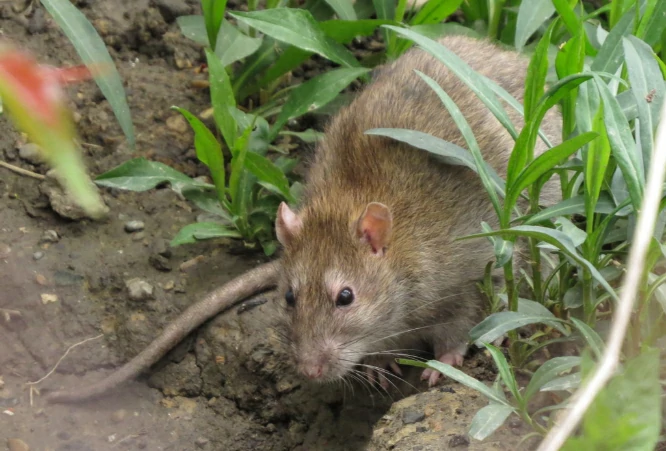
Most people think of rats as pests that run away when you turn on the lights. And that’s usually true. Rats typically avoid humans and would rather scurry into the nearest hiding spot than stick around for a confrontation.
But every once in a while, you hear stories about rats actually attacking people, and it can be pretty terrifying. So why do rats attack humans?
Rats attack humans when they feel trapped, threatened, or are protecting their babies. They’re naturally afraid of humans and will only bite as a last resort when they can’t escape. Female rats with babies nearby are especially likely to attack if they think their nest is in danger.
These attacks are usually defensive, not aggressive. A rat doesn’t wake up thinking it’s going to bite someone today. It bites because it’s scared and thinks it’s fighting for its life or protecting its young.
Rats Are Naturally Afraid of Humans
Here’s the thing you need to understand: rats are way more scared of you than you are of them. We’re massive compared to them, and in their world, anything that big is probably a predator trying to eat them.

When a rat sees a human, its first instinct is always to run and hide. They’ve evolved to be cautious and avoid anything that could be dangerous, and humans definitely fall into that category.
This fear is actually hard-wired into them. Even rats that have lived around humans their whole lives will still be skittish and nervous when people are nearby. It’s not something they can just get over.
When Rats Feel Cornered or Trapped
The most common reason a rat will bite a human is because it feels like it has no other choice. If you accidentally corner a rat in a room, trap it against a wall, or reach into a space where it’s hiding, it might bite you.

Think about it from the rat’s perspective. It’s trying to run away, but you’re blocking every escape route. It’s panicking and doesn’t know what else to do, so it uses the only weapon it has, which is its teeth.
This is why you should never try to grab a wild rat with your bare hands. Even if it looks calm or isn’t moving, it’s probably frozen in fear and will absolutely bite you if you try to pick it up.
Protecting Babies Is a Serious Trigger
Female rats with babies nearby become completely different animals. A mother rat that would normally run from you will absolutely attack if she thinks you’re a threat to her nest.
Rats can have up to 7 litters per year, with 6 to 12 babies in each litter. That’s a lot of babies to protect, and mother rats take this job very seriously.

If you accidentally get too close to a nest with baby rats in it, the mother might charge at you, bite you, or make aggressive squeaking sounds to scare you off. She’s not being mean, she’s just doing what any mother would do to protect her young.
Rats in Extreme Situations Act Differently
When rats are starving, injured, or sick, they might act more aggressively than usual. A rat that hasn’t eaten in days might be more willing to take risks it normally wouldn’t, including biting a human.
Sick rats, especially ones with rabies or other diseases that affect their brain, might lose their natural fear of humans and behave erratically. These rats are unpredictable and way more dangerous than healthy ones.
Injured rats that are in pain might bite if you try to help them or move them. They can’t tell that you’re trying to help, they just know they’re hurt and scared.
What a Rat Bite Actually Looks Like
Rat bites are usually pretty obvious. You’ll see puncture marks from their teeth, and there might be tearing if the rat pulled away while biting. The bite will bleed and will probably hurt quite a bit.
The area around the bite might swell up and get red pretty quickly. This is normal, but it’s also a sign that you need to take the bite seriously and get it treated.
Sometimes you might not even realize you’ve been bitten at first if it happens quickly. You might just feel a sharp pain and then see the rat running away. Check yourself for bite marks if you’ve had a close encounter with a rat.
The Real Dangers of Rat Bites
The bite itself is bad enough, but the real danger comes from what rats carry in their mouths. Rats can transmit over 35 different diseases to humans through their bites, including rat-bite fever, leptospirosis, and even the plague (though that’s super rare these days).
Rat-bite fever is one of the most common infections from rat bites. It causes fever, vomiting, headaches, muscle pain, and a rash. If you don’t treat it with antibiotics, it can get really serious and even be life-threatening.
The bacteria in a rat’s mouth can also cause regular infections at the bite site. Even if you don’t get a specific disease, the wound can still get infected and cause problems if you don’t clean and treat it properly.
What to Do If a Rat Bites You
If a rat bites you, the first thing you need to do is wash the bite really well with soap and water. Scrub it for at least 5 minutes to get rid of as much bacteria as possible.
After washing, apply an antibiotic ointment and cover the bite with a clean bandage. Keep an eye on it over the next few days for signs of infection like increased redness, swelling, warmth, or pus.
You need to see a doctor as soon as possible, even if the bite seems minor. They might give you antibiotics to prevent infection and will check if you need a tetanus shot. Don’t skip this step, rat bites are serious.
Places Where Rat Attacks Are More Common
You’re more likely to get bitten by a rat in places where rats live in large numbers and have regular contact with humans. This includes dense urban areas, slums, areas with poor sanitation, and places where garbage piles up.
Cities with serious rat problems, like New York, Chicago, and Washington D.C., see more rat bites than other places. That’s just because there are more rats and more chances for humans and rats to cross paths.
You’re also at higher risk if you work in certain jobs. Garbage collectors, sewer workers, pest control workers, and people who work in warehouses or food storage areas are more likely to encounter rats and potentially get bitten.
Pet Rats vs Wild Rats: Different Behaviors
Pet rats that have been bred in captivity and handled from birth are way less likely to bite than wild rats. They’ve been socialized to humans and don’t see us as predators.
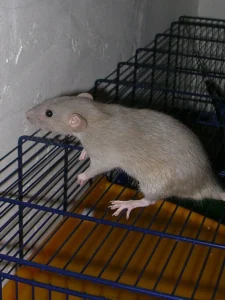
But even pet rats can bite if they’re scared, hurt, or not handled properly. The difference is that pet rats usually give warning signs first, like freezing, trying to pull away, or making certain sounds.
Wild rats, on the other hand, haven’t been socialized at all. They see humans as dangerous predators and will bite much more readily if they feel threatened. Never assume a wild rat will act like a pet rat.
Rats Don’t Hunt Humans for Food
Let’s clear this up right now: rats don’t see humans as food. There are urban legends about rats attacking sleeping people or babies, but these are extremely rare and usually exaggerated.
Rats are opportunistic eaters, which means they’ll eat basically anything they can find. But attacking a living human for food just doesn’t make sense when there are way easier food sources available.
The cases where rats have bitten sleeping people usually involve people who are homeless, extremely intoxicated, or otherwise unable to move. Even then, it’s more like the rat is investigating or nibbling, not actually hunting.
How Rat Behavior Changes in Large Groups
When you’ve got a lot of rats living close together, their behavior can change. They might become bolder because they feel safer in numbers, and they might be more willing to approach humans or defend territory.

In places with massive rat infestations, you might see rats that don’t run away when you get close. This doesn’t mean they’re going to attack you, but it does mean they’re more comfortable around humans than rats normally are.
These rats are still scared of you deep down, but hunger and competition for resources might make them take bigger risks. They’re more likely to stand their ground instead of running, which increases the chance of a defensive bite.
Avoiding Rat Bites: Simple Steps
The best way to avoid getting bitten by a rat is to avoid direct contact with rats in the first place. Don’t try to catch them, corner them, or handle them with your bare hands.
If you find a rat in your house, don’t chase it. Open a door or window and give it an escape route. It’ll usually take the exit rather than stick around.
Use traps or call a professional pest control service instead of trying to deal with rats yourself. They have the experience and equipment to handle rats safely without getting bitten.
Keep your home clean and free of food sources that attract rats. If rats aren’t in your house to begin with, you won’t have to worry about getting bitten.
What Makes Certain People More Vulnerable
Babies, small children, elderly people, and anyone with limited mobility are at higher risk for rat bites. This is because they might not be able to get away quickly if a rat feels threatened.
People who are sleeping are also vulnerable because they can’t react to a rat’s presence. This is why it’s so important to keep rats out of your bedroom and living spaces.
Anyone with a weakened immune system needs to be extra careful around rats. If you do get bitten, your body might have a harder time fighting off the infections that rats can carry.
Signs of a Rat Problem Before Anyone Gets Bitten
You’ll usually know you have a rat problem long before anyone gets bitten. Look for droppings, which are small, dark, and pellet-shaped. Fresh droppings are soft and dark, while old ones are hard and gray.
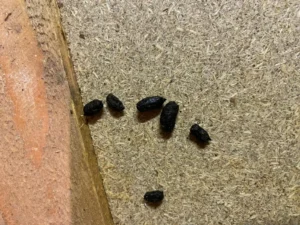
You might hear scratching, squeaking, or gnawing sounds, especially at night when rats are most active. These sounds often come from inside walls, ceilings, or under floors.
Gnaw marks on food packaging, baseboards, wires, or other materials are clear signs that rats are around. They have to constantly chew to keep their teeth from getting too long.
Greasy rub marks along walls and baseboards show where rats are traveling. Their fur leaves behind oils that build up over time.
When to Call Professional Help
If you see rats during the day, that usually means you’ve got a serious infestation. Rats are nocturnal and avoid daylight, so if they’re out during the day, it means there’s so many of them that they’re competing for food and space.
If you’ve been bitten by a rat, you need both medical help and pest control help. Get treated by a doctor first, then call pest control to deal with the rats so nobody else gets bitten.
If you’re seeing multiple rats regularly or finding a lot of droppings, don’t try to handle it yourself. Professional pest control experts have the tools and knowledge to get rid of rats safely and effectively.
Conclusion
Rats attack humans as a last resort when they feel trapped, threatened, or are protecting their babies. They’re naturally scared of us and would rather run away than fight. But when escape isn’t an option, they’ll use their teeth to defend themselves.
The key to avoiding rat bites is understanding rat behavior and giving them space. Don’t corner them, don’t try to handle wild rats, and definitely don’t mess with a mother rat’s nest.
If you do get bitten, take it seriously. Wash the wound thoroughly and see a doctor right away. Rat bites can lead to serious infections and diseases that need medical treatment. The best approach is prevention: keep rats out of your home so you never have to worry about getting bitten in the first place.

Hi, my name is Ezra Mushala, i have been interested animals all my life. I am the main author and editor here at snakeinformer.com.