
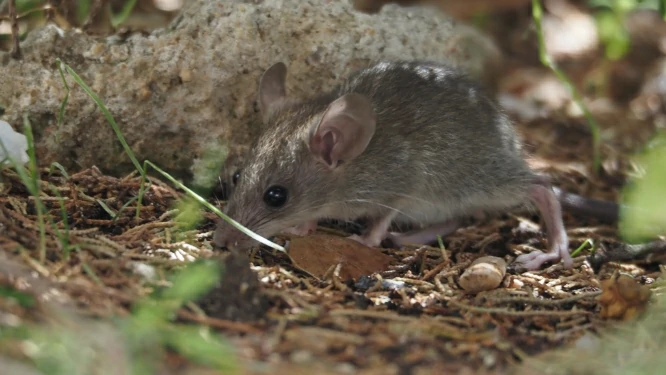
If you’ve ever seen a rat and a mouse side by side, you’ve probably noticed they look really similar. They both have furry bodies, long tails, small ears, and tiny feet. B
esides the obvious size difference, they could almost be the same animal. This similarity makes it confusing when you’re trying to figure out which one is invading your home. So why do rats and mice look alike?
Rats and mice look alike because they’re closely related animals that evolved from common ancestors millions of years ago. They’re both rodents in the same family (Muridae), and they’ve developed similar body plans because they live similar lifestyles. Their shared features, like long tails, sharp teeth, and compact bodies, help them survive in similar environments.
When animals are closely related and live in similar ways, they often end up looking similar. This is true throughout the animal kingdom, and rats and mice are a perfect example of this pattern.
They Share Recent Common Ancestors
Rats and mice split from their common ancestor relatively recently in evolutionary terms, probably somewhere between 10 and 12 million years ago. That sounds like a long time, but in terms of evolution, it’s actually pretty recent.
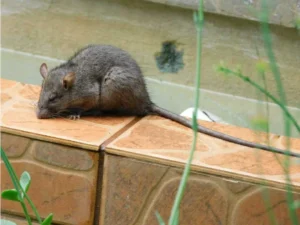
Because they haven’t been separated for that long (compared to, say, rats and rabbits, which split much earlier), they still share a lot of the same basic body structure and genetic traits.
Think of it like family members who look similar because they inherited genes from the same grandparents. Rats and mice are like cousins who clearly come from the same family tree.
Both Belong to the Same Family of Rodents
Rats and mice are both part of the family Muridae, which is the largest family of mammals on Earth. This family includes over 700 different species of rodents, and most of them share similar features.
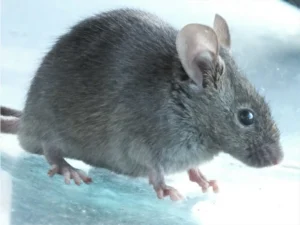
Within this family, rats and mice are even more closely related. House mice (Mus musculus) and brown rats (Rattus norvegicus) are both in the subfamily Murinae, which basically means they’re even closer relatives.
When scientists classify animals, they group them based on shared characteristics. The fact that rats and mice are in the same family and subfamily tells you they’re going to look similar because they’re built on the same basic blueprint.
Similar Lifestyles Lead to Similar Bodies
Both rats and mice are small ground-dwelling omnivores that eat seeds, grains, fruits, and whatever else they can find. They both need to squeeze into tight spaces, climb when necessary, and escape from predators quickly.
These similar needs have shaped their bodies in similar ways. They both need long tails for balance, compact bodies to fit into holes and burrows, and strong teeth for gnawing through tough materials.
This is called convergent evolution when it happens between unrelated animals, but in this case, it’s more about maintaining traits that worked well for their shared ancestors. If it works, evolution doesn’t change it much.
Their Size Difference Has Clear Reasons
The main visual difference between rats and mice is their size. Mice are usually 2 to 4 inches long (not counting the tail), while rats are 7 to 10 inches long.
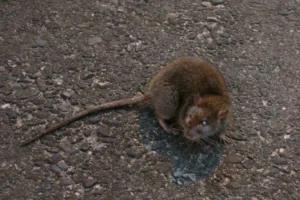
This size difference probably evolved because it reduced competition between the two animals. If rats and mice were exactly the same size, they’d be competing for the exact same resources and living spaces.
By being different sizes, they can occupy slightly different ecological niches. Mice can fit into smaller spaces and need less food, while rats can access different food sources and defend better territories.
Why They Both Have Long Tails
Both rats and mice have long, thin tails that are often as long as or longer than their bodies. These tails aren’t just decorative, they serve really important purposes.
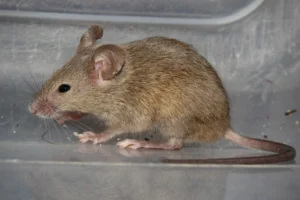
The tail helps with balance when they’re climbing, running along narrow surfaces, or making quick turns to escape predators. Try to imagine a rat or mouse without a tail and you’d see how much they rely on it.
Their tails also help regulate body temperature. When they’re hot, blood flows to the tail where heat can escape. When they’re cold, less blood goes to the tail to conserve heat.
Similar Teeth Structure for Similar Diets
Both rats and mice have the same basic tooth structure that all rodents share: four large front teeth (incisors) that never stop growing throughout their lives.
These teeth are perfect for gnawing through tough seeds, nuts, wood, and other materials. The teeth are harder on the front side than the back, so they wear down at an angle, keeping them sharp.
Since both animals eat similar foods and need to gnaw constantly to keep their teeth from getting too long, having the same tooth structure makes perfect sense.
Their Ears Serve the Same Functions
Rats and mice both have relatively large, rounded ears for their body size. These ears are really sensitive and can detect high-frequency sounds that humans can’t hear.
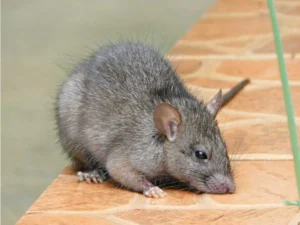
This helps them hear predators approaching, communicate with other rats or mice through ultrasonic squeaks, and navigate in the dark. Since both animals are prey species that need to avoid being eaten, good hearing is super important.
The slight differences in ear size (rat ears are proportionally smaller compared to their body) probably relate to their different sizes and the different environments they typically live in.
Why Their Fur Looks Similar
Both rats and mice have short, dense fur that can be brown, gray, black, or white. Wild rats and mice tend to have brown or gray fur that helps them blend into their environment.

This coloring provides camouflage from predators. When you’re a small animal that everything wants to eat, being hard to see is a huge advantage.
The texture of their fur is also similar because it needs to do the same jobs: keep them warm, protect their skin, and allow them to squeeze through tight spaces without getting caught on rough surfaces.
Their Eyes Are Positioned Similarly
Both rats and mice have small, dark eyes positioned on the sides of their heads. This eye placement gives them a wide field of vision so they can watch for predators approaching from different directions.
They can’t see as well as humans in terms of detail and color vision, but they’re much better at detecting movement. This is more important for prey animals that need to spot danger quickly.
The similar eye structure and placement shows how both animals have adapted to similar threats and similar needs for visual awareness.
Similar Nose and Whisker Setup
Both rats and mice have pointed snouts with lots of sensitive whiskers. These whiskers aren’t just hair, they’re highly sensitive touch receptors that help the animals navigate in the dark.
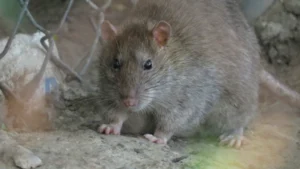
The whiskers can detect air currents, help them judge whether spaces are wide enough to fit through, and even help them find food. Since both animals are most active at night, whiskers are super important sensory tools.
The similar nose structure also relates to their excellent sense of smell, which both animals use to find food, detect danger, and communicate with each other through scent marking.
Their Feet and Claws Match Their Lifestyle
Rats and mice both have small feet with sharp claws. They have four toes on their front feet and five on their back feet, which is pretty standard for rodents.
These feet are perfect for climbing, gripping surfaces, digging, and manipulating food. The claws help them climb rough surfaces like tree bark, brick walls, and even vertical pipes.
The similar foot structure reflects their similar needs: both animals need to be agile, able to climb when necessary, and capable of digging burrows or nests.
Body Proportions Follow the Same Pattern
If you look at the overall body shape, rats and mice follow the same basic proportions. They’re both somewhat rounded in the body, with relatively short legs compared to their torso length.

This body shape is efficient for animals that spend time in burrows and tight spaces. A long, streamlined body would be better for running in open spaces, but that’s not how rats and mice typically live.
Their similar proportions reflect similar evolutionary pressures and similar solutions to the same survival challenges.
Differences That Do Exist Between Them
While rats and mice look similar, there are some consistent differences once you know what to look for. Besides size, rats have thicker, more muscular bodies compared to mice.
Rat heads are blunter and more blocky, while mouse heads are more pointed and delicate. Rat ears are smaller in proportion to their head size, while mouse ears look bigger relative to their small heads.
Rat tails are thicker and have more visible scales, while mouse tails are thinner and the scales are less noticeable. These differences help you tell them apart when you need to.
Why Some Rodents Look Very Different
Not all rodents look like rats and mice, which shows you that body shape depends on lifestyle. Squirrels are rodents but look completely different because they live in trees and have different needs.
Beavers are rodents but they’re huge, have flat tails, and are built for swimming and cutting down trees. Hamsters, guinea pigs, and porcupines are all rodents that look nothing like rats or mice.
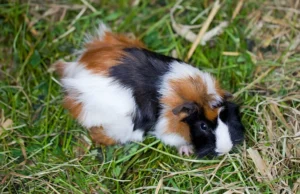
This shows that rats and mice look similar specifically because they live similar lives, not just because they’re rodents. Lifestyle shapes appearance more than family relationships do.
How Selective Breeding Changed Some Mice and Rats
Lab rats and pet rats and mice sometimes look very different from wild ones. They’ve been bred to have different colors, patterns, longer fur, or even different ear shapes.
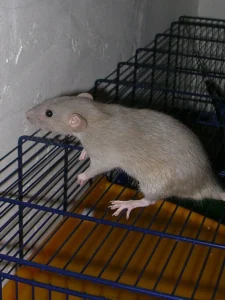
This shows that the basic body plan is flexible and can be changed through breeding. But the fundamental similarities (body shape, tail, teeth structure) stay the same because those are tied to basic function.
Even fancy pet rats still look like rats, and fancy mice still look like mice. The core similarities remain because they’re based on what these animals need to survive.
What This Tells Us About Evolution
The similarity between rats and mice is a great example of how evolution works. When animals share common ancestors and live similar lives, they end up looking similar.
Evolution doesn’t create completely new body plans from scratch every time. It modifies existing structures and keeps what works. Since the basic rodent body plan works well for both rats and mice, evolution hasn’t changed it much.
This is why you can often tell animals are related just by looking at them. Shared appearance usually means shared ancestry and shared lifestyle.
Practical Implications of Their Similarity
The fact that rats and mice look so similar can make it hard to tell which one you’re dealing with if you find signs of rodents in your home. This matters because control methods can be different.

Rat traps are bigger than mouse traps, and what works as bait for one might not work as well for the other. Understanding the differences helps you deal with whichever animal you actually have.
Still, many of the same principles apply: seal entry points, remove food sources, and use appropriate traps or call professional help. The similarity in their appearance reflects similarity in their behavior and needs.
The Role of Genetic Similarity
At a genetic level, rats and mice share a huge percentage of their DNA. This genetic similarity is why they look alike, behave similarly, and even get similar diseases.
This genetic closeness is also why both rats and mice are used in medical research. They’re similar enough to each other (and to other mammals, including humans) that studying them provides useful information.
The genetic blueprint determines the body plan, and since rats and mice have similar blueprints, they produce similar bodies.
Future Evolution May or May Not Change This
Over millions of years in the future, rats and mice might evolve to look more different from each other if they face different environmental pressures.

Or they might continue looking similar if their lifestyles remain similar. Evolution doesn’t have a goal or direction, it just responds to what helps animals survive and reproduce.
For now, and probably for a long time to come, rats and mice will continue to look like smaller and larger versions of the same basic animal because that body plan works well for both of them.
Conclusion
Rats and mice look alike because they’re closely related animals that evolved from common ancestors and live similar lifestyles. They’re both part of the same rodent family and share the same basic body plan that helps them survive.
Their similar features (long tails, compact bodies, sharp teeth, sensitive whiskers) aren’t random. Each trait serves specific purposes that both animals need for survival, like balance, squeezing into tight spaces, gnawing through materials, and detecting danger.
The main difference is size, which evolved to reduce competition between the two species. While they look similar enough to confuse people, the similarities make perfect sense when you understand their shared history and shared way of living. It’s evolution doing exactly what it’s supposed to do: keeping what works.

Hi, my name is Ezra Mushala, i have been interested animals all my life. I am the main author and editor here at snakeinformer.com.