
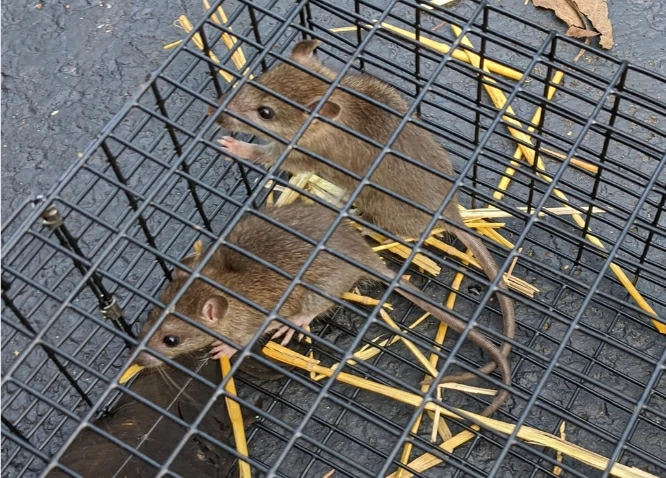
Rats are one of the most hated animals on the planet. In most cultures, they’re seen as disgusting pests that need to be gotten rid of as quickly as possible. People set traps, use poison, and call exterminators without a second thought when they find rats in their homes or properties.
This hatred is so strong that the word “rat” is used as an insult. But where does this intense dislike come from, and why are people so quick to kill rats?
People kill rats because of their history of spreading deadly diseases, damaging property, contaminating food, and reproducing rapidly in human environments. Rats have been linked to major plague outbreaks throughout history, and they continue to cause billions in economic damage worldwide. Their association with filth, disease, and decay creates a deep cultural fear and disgust that leads to widespread extermination efforts.
The hatred of rats isn’t just based on superstition or random dislike. There are real, practical reasons why humans see rats as enemies.
From disease transmission to property damage, rats have caused serious problems for people throughout history. Understanding these reasons helps explain why the response is often so extreme.
Rats Have Spread Deadly Diseases Throughout History
The biggest reason people hate rats is their role in spreading disease. Rats have been responsible for some of the deadliest epidemics in human history, killing millions of people.
The most famous example is the Black Death, also called the bubonic plague. This disease killed somewhere between 75-200 million people in Europe during the 14th century, wiping out about one-third of the entire population.
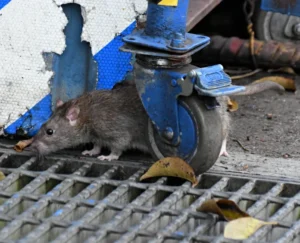
The plague bacteria (Yersinia pestis) was carried by fleas that lived on black rats. When infected fleas bit humans, they transmitted the disease. The rats themselves spread the fleas from place to place as they moved through cities and trade routes.
This single event created a deep cultural fear of rats that still exists today, hundreds of years later. Even though the plague isn’t a major threat anymore in most parts of the world, the association between rats and death is burned into human consciousness.
But the plague isn’t the only disease rats have spread. They’ve also been linked to typhus, leptospirosis, hantavirus, rat-bite fever, and salmonellosis. These diseases can range from mild to deadly, and they’re still threats today.
Rats carry these diseases in their urine, droppings, saliva, and blood. They can contaminate food and water supplies, and in some cases, just breathing in dust contaminated with rat droppings can make you sick.
This genuine health threat gives people a legitimate reason to want rats gone from their homes and communities. It’s not just about being grossed out, it’s about protecting family and public health.
They Cause Massive Property Damage
Rats are constantly gnawing on things because their teeth never stop growing. If they didn’t chew regularly, their teeth would grow too long and they wouldn’t be able to eat.
This means rats will chew on basically anything they can get their teeth on. Wood, plastic, electrical wiring, insulation, pipes, and even concrete can all be damaged by rats.
The economic damage caused by rats worldwide is estimated to be in the billions of dollars every year. This includes damage to buildings, crops, stored food, and infrastructure.
One of the most dangerous things rats do is chew on electrical wiring. When they strip away the protective coating on wires, it creates a fire hazard. Many house fires every year are started by rats damaging electrical systems.
Rats also chew through water pipes, which can cause leaks and flooding. The damage from a major leak can cost thousands of dollars to repair, not to mention the water damage to floors, walls, and belongings.
In agricultural settings, rats eat and contaminate huge amounts of grain and other stored crops. It’s estimated that rats destroy enough food every year to feed hundreds of millions of people. This is a serious problem in parts of the world where food security is already an issue.
For businesses, especially restaurants and food processing facilities, a rat infestation can mean being shut down by health inspectors. This can lead to lost revenue, damaged reputation, and in some cases, permanent closure.
All this damage makes rats a serious economic threat, and people respond by trying to eliminate them as quickly as possible.
Rats Contaminate Food and Living Spaces
Rats are constantly urinating and defecating as they move around. They don’t have control over their bladder and bowels the way larger animals do, so they leave droppings and urine trails everywhere they go.
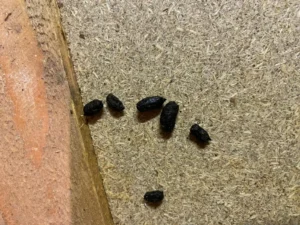
This is particularly disgusting when it happens in kitchens, pantries, and food storage areas. Rats will climb into cabinets, chew through packaging, and eat or contaminate whatever food they find.
Once rats have gotten into your food, you have to throw it all away. You can’t just seal up the box and keep using it. The contamination from their droppings, urine, and the bacteria they carry makes the food unsafe.
Beyond food, rats also contaminate living spaces with their droppings and the smell of their urine. A serious rat infestation will make a house smell terrible, and the odor can soak into walls, floors, and furniture.
The droppings themselves are small and can be scattered in hard-to-reach places like inside walls, in attics, and under floors. Cleaning up after a rat infestation is a major job that often requires professional help.
For people living in poverty or crowded urban areas, rat infestations can make already difficult living conditions much worse. The psychological impact of sharing your home with rats, knowing they’re crawling around at night, can be really stressful.
They Reproduce at an Alarming Rate
One of the scariest things about rats is how quickly they can reproduce. A single female rat can have up to 12 babies at a time, and she can get pregnant again almost immediately after giving birth.
Rats reach sexual maturity in just a few months, which means the babies from one litter can start having their own babies before they’re even half a year old.
Under ideal conditions (which human environments often provide), a single pair of rats could theoretically produce hundreds of descendants in just one year. While this doesn’t always happen because of predators, disease, and other factors, the potential is there.

This rapid reproduction means a small rat problem can become a major infestation very quickly. If you see one rat, there’s a good chance there are many more you’re not seeing.
This reproductive rate makes people feel like they need to act aggressively and immediately when they discover rats. Waiting or trying gentle methods could mean dealing with ten times as many rats in just a few weeks.
The fear of being overrun by rats drives people to use extreme measures like poison and professional extermination services.
Rats Are Associated With Filth and Poverty
Beyond the actual problems rats cause, there’s also a strong cultural association between rats and uncleanliness. Rats are seen as animals that live in sewers, garbage dumps, and other dirty places.
This association isn’t entirely unfair. Rats do thrive in areas with poor sanitation, and they’re often found in places where there’s garbage and decay. But the association goes beyond the practical and becomes a kind of stigma.
Having rats in your home or neighborhood is seen as a sign of failure to maintain proper hygiene or property upkeep. People feel ashamed when they have rats, and they worry about what others will think.
This stigma is worse in low-income areas where rat infestations are more common due to older buildings, limited resources for pest control, and sanitation issues. The presence of rats reinforces negative stereotypes about poor neighborhoods.
The association between rats and poverty creates a cycle where people in these areas face both the practical problems of rat infestations and the social stigma that comes with them.
This stigma drives people to hide rat problems rather than seeking help, which often makes the infestation worse. It also fuels aggressive extermination efforts because people desperately want to get rid of the shame along with the rats.
People Are Naturally Disgusted by Rats
Beyond all the practical reasons, there’s also just a basic disgust response many people have to rats. This might be partly learned (we’re taught from a young age that rats are gross), but there might also be some evolutionary basis for it.
Humans evolved to avoid things that could make us sick, and animals that live in filth and carry disease would have been dangerous to our ancestors. A disgust response would have helped keep people safe.

Rats have several physical features that many people find unpleasant. Their long, hairless tails are often mentioned as particularly disgusting. Their teeth, which are constantly visible, and their quick, scurrying movements can also trigger fear and revulsion.
This visceral reaction is hard to overcome even when people know intellectually that not all rats are dangerous. The emotional response is stronger than logic for many people.
This disgust makes people more willing to use lethal methods against rats than they might be with other animals. There’s less empathy because the disgust response overrides feelings of compassion.
Rats Invade Personal Space and Create Fear
Finding a rat in your home is a violation of your personal space. Your home is supposed to be a safe, clean environment where you have control. Discovering that rats have been living in your walls or attic destroys that sense of security.
Many people are genuinely afraid of rats. This fear might be learned from media and cultural messages, but it can be very real and intense. Some people have full-blown phobias and will panic if they see a rat.
Rats are most active at night, which means people often hear them scurrying around in walls when they’re trying to sleep. This creates anxiety and sleep disruption, adding to the desire to get rid of them immediately.
The unpredictability of rats also creates fear. You don’t know where they’ll show up next or what they’ll get into. This lack of control is unsettling and drives people to take aggressive action.
For parents, the fear is often amplified by worry about their children’s safety. The thought of rats getting near kids while they sleep or play is intolerable for most parents.
Rats Compete With Humans for Resources
From an ecological perspective, rats are competitors. They eat the same food we eat, they want to live in the same warm, dry spaces we prefer, and they thrive in the environments we create.
This competition puts humans and rats in direct conflict. We’re both trying to use the same resources, and in most cases, humans aren’t willing to share.

In agricultural settings, this competition is especially clear. Rats eating stored grain or crops in fields are directly reducing the food available for humans and livestock.
In cities, rats living in buildings and eating food from dumpsters and storage areas are taking resources that could feed pets, livestock, or people.
This competition for resources has been going on for thousands of years, ever since humans started farming and storing food. Rats evolved to take advantage of human activity, which made them successful but also put them in direct opposition to human interests.
Cultural and Religious Influences Shape Attitudes
In many cultures and religions, rats are seen as unclean or evil. These cultural attitudes reinforce the hatred and make killing rats seem not just acceptable but necessary.
In some cultures, rats are associated with death, disease, and bad luck. Seeing a rat might be considered an omen of something bad about to happen.
These cultural beliefs can be so strong that they override individual feelings. Even someone who might otherwise feel bad about killing an animal will do it without hesitation if their culture says rats are inherently bad.
Religious texts and traditions in some faiths classify rats as unclean animals that should be avoided or destroyed. This gives a moral justification for extermination efforts.
Media and folklore also play a role. Rats are almost always portrayed as villains in movies, books, and cartoons (with a few exceptions like Ratatouille). This constant negative portrayal shapes how children learn to think about rats.
Urban Environments Create More Conflict
Modern cities provide perfect conditions for rats. There’s abundant food from garbage and restaurants, plenty of hiding places in sewers and buildings, and few natural predators.
This means urban rat populations can grow very large, creating serious public health concerns. Cities spend millions of dollars every year on rat control programs.

The density of human and rat populations in cities means there’s more contact between them. People are more likely to see rats, and rats are more likely to get into homes and businesses.
This increased contact leads to more fear, more disgust, and more aggressive control measures. Urban environments turn the human-rat conflict into a constant, ongoing battle.
Some cities have such serious rat problems that they’ve become part of the city’s identity. New York, for example, is famous for its rats, and the city has tried countless methods to control them with limited success.
Not All Rats Are Wild Rats
It’s worth noting that the rats people hate and kill are wild rats (mainly Norway rats and black rats). These are different from fancy rats, which are domesticated rats bred as pets.
Fancy rats have been selectively bred for generations to be friendly, clean, and good with humans. They’re no more dangerous than hamsters or guinea pigs.
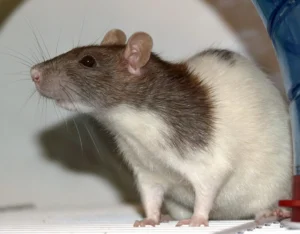
But the hatred of wild rats is so strong that it often spills over onto pet rats. People who keep fancy rats often face judgment and disgust from others who can’t separate pet rats from wild ones.
This shows how deep the cultural hatred of rats goes. Even when presented with a rat that’s been domesticated and poses no threat, many people still react with fear and disgust.
The intensity of this reaction is unique to rats among rodents. People don’t have the same visceral response to squirrels, even though they’re also rodents that can carry disease and cause property damage.
Control Methods Reflect the Level of Hatred
The methods people use to kill rats show how much they’re hated. Snap traps that break the rat’s neck, glue traps that cause slow death by starvation, and poison that causes internal bleeding are all considered acceptable by most people.
These methods would be seen as cruel if used on many other animals, but for rats, they’re standard practice. The level of suffering doesn’t seem to matter as much when the target is a rat.
Professional extermination services use even more aggressive methods, including fumigation that kills everything in an area. The goal is complete elimination, not just control.
This willingness to use lethal force without hesitation shows the combination of fear, disgust, and practical concerns that drive human attitudes toward rats.
Conclusion
People hate and kill rats because of a combination of real threats and deep cultural conditioning. Rats spread disease, damage property, contaminate food, and reproduce rapidly in human environments.
These practical problems are reinforced by centuries of cultural messages that rats are disgusting, dangerous, and need to be eliminated. The result is a level of hatred that’s unique among animals.
While not all of this hatred is rational (especially when it extends to harmless pet rats), the historical and ongoing problems caused by wild rats give people legitimate reasons to want them gone from their spaces. The methods might be extreme, but from the human perspective, the threat justifies the response.

Hi, my name is Ezra Mushala, i have been interested animals all my life. I am the main author and editor here at snakeinformer.com.