
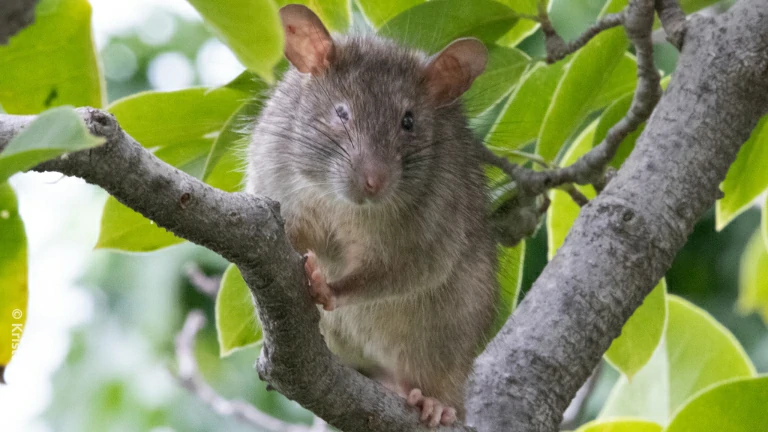
When you tell someone you have a pet rat, you’ll probably get some interesting reactions. Some people think it’s cool, but others can’t understand why anyone would want a rat in their home.
After all, rats have a pretty bad reputation as dirty pests that live in sewers and spread disease.
But people who actually keep pet rats know something different. They know that rats make amazing companions when you give them a chance. So why do people keep rats as pets?
People keep rats as pets because they’re smart, affectionate, social, and easy to care for. Rats can learn tricks, bond strongly with their owners, and have unique personalities. They’re also relatively cheap to keep, don’t need much space, and can be a great option for people who want an interactive pet but can’t have a dog or cat.
Pet rats (also called fancy rats) are completely different from wild rats. They’ve been bred for generations to be friendly and comfortable around humans.
They’re clean, curious, and surprisingly loving animals that form real bonds with their owners. Once you get to know them, it’s easy to see why so many people fall in love with them.
Rats Are Surprisingly Smart Animals
One of the biggest reasons people love keeping rats is how intelligent they are. Rats can learn their names, come when called, and even learn tricks like dogs do.
They can figure out puzzles, navigate mazes, and remember things they’ve learned for a long time. Some studies have shown that rats can learn complex tasks and solve problems that would stump many other animals.

This intelligence makes them really fun to interact with. You’re not just watching them sit in a cage, you’re actually playing with them and teaching them new things.
Many rat owners teach their pets to do tricks like spinning in circles, standing on their hind legs, jumping through hoops, or even playing basketball with a tiny ball and hoop. Rats pick up on these tricks pretty quickly if you use treats as rewards.
They also learn routines really fast. Your rat will figure out when it’s playtime, when you usually feed them, and when you’re about to go to bed. They’ll start getting excited when they know good things are about to happen.
Some rats can even learn to use a litter box, which makes cage cleaning way easier. Not all rats will do this, but many can be trained with patience and consistency.
This intelligence also means rats get bored easily. They need mental stimulation and things to do, or they can become unhappy. But for owners who enjoy interactive pets, this is actually a plus.
They’re Incredibly Social and Affectionate
Rats are social animals that form strong bonds with each other and with their owners. When you spend time with your rat regularly, they’ll start to see you as part of their family.
Many rats love to cuddle and will happily sit on your shoulder or in your lap for hours. They’ll groom you by gently licking your hands or arms, which is their way of showing affection.
Some rats will even give little kisses or nuzzle against you when they’re happy. It’s really sweet and something you wouldn’t expect from an animal with such a bad reputation.
Unlike some other small pets that never really warm up to people, rats actively seek out human interaction. They’ll come to the edge of their cage when they see you and get excited when you open the door.
This social nature means they do best when kept in pairs or small groups. A single rat can get lonely and depressed, even if you spend time with them every day. Having a cage mate gives them someone to play with, groom, and cuddle with when you’re not around.
Watching rats interact with each other is entertaining too. They’ll wrestle, chase each other, and sleep in big piles. It’s clear they really care about their cage mates.
For people who want a pet that actually bonds with them and shows affection, rats are a great choice. They’re not just decorative animals that sit in a cage looking pretty, they’re real companions.
Rats Have Unique Personalities
Just like dogs or cats, every rat has their own personality. Some are bold and adventurous, always exploring and getting into things. Others are more shy and prefer to stay close to familiar places.
Some rats are cuddly and love being held, while others are more independent and prefer to do their own thing. You might have one rat that’s constantly grooming you and another that’s more interested in playing with toys.
This variety means you never know exactly what you’re going to get when you bring home a new rat. Part of the fun is getting to know each rat’s individual quirks and preferences.
Some rats are mischievous and will steal small objects to stash in their favorite hiding spots. Others are gentle and calm, perfect for just relaxing with.
People who keep multiple rats over the years often say each one is completely different. They remember specific rats for being especially smart, or particularly cuddly, or hilariously troublesome.
This personality variety makes rats interesting long-term pets. You’re not just caring for an animal, you’re getting to know a unique individual with their own likes, dislikes, and ways of doing things.
They’re Relatively Easy and Cheap to Care For
Compared to larger pets like dogs or cats, rats are pretty low-maintenance and affordable. This makes them accessible to people who want a pet but don’t have a lot of money or space.
The initial setup costs are reasonable. You need a cage (a good one will cost between $50-150), bedding, food, water bottles, and some toys. After that, ongoing costs are pretty minimal.
Rat food is cheap, and a bag will last for weeks. Bedding needs to be changed regularly, but it’s not expensive. Treats and toys are optional but add enrichment to their lives.
Rats don’t need to go to the vet as often as dogs or cats (unless they get sick), and they don’t need vaccinations or regular check-ups in most cases. However, you should find a vet who treats small animals before you get rats, just in case.
They also don’t need much space. A good-sized cage is important, but you don’t need an entire room dedicated to them like you might with some other pets.
Rats are quiet too. They don’t bark, meow, or make loud noises (except for the occasional squeaking when they’re excited or playing). This makes them great for apartments or places where noise is a concern.
They also don’t smell bad if you keep their cage clean. Some people assume rats are smelly, but that’s not true. Male rats can have a slightly musky odor, but it’s not strong, and females usually don’t smell at all.
Rats Are Great for People Who Want Interactive Pets
If you want a pet you can actually play with and interact with, rats are perfect. Unlike fish or many reptiles, rats want to be part of your life.
You can let them out to explore (in a rat-proofed area), play games with them, train them, and just hang out together. Many rat owners let their rats roam free on the couch or bed while they watch TV or read.
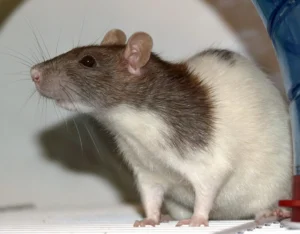
Rats are curious about everything, so they’ll investigate whatever you’re doing. Some owners even bring their rats with them in special carriers or let them ride on their shoulders while doing things around the house.
This level of interaction is what separates rats from more hands-off pets. If you want something that just sits in a cage and looks nice, a rat probably isn’t for you. But if you want a companion that engages with you, rats deliver.
They’re also great for teaching kids about responsibility and animal care. Rats are sturdy enough to handle gentle handling from children (under supervision), and they’re interactive enough to keep kids interested.
Unlike hamsters or gerbils, which are often too quick and skittish for young children, rats tend to be calmer and more willing to be held. This makes them better pets for families.
Rats Don’t Live Very Long
This might seem like a negative, but for some people, it’s actually a positive. Rats typically live 2-3 years, with some making it to 4 if they’re really healthy and lucky.
This short lifespan means you’re not making a huge long-term commitment like you would with a cat or dog that might live 15-20 years. For people who aren’t sure about pet ownership or who have life situations that might change in a few years, rats are a good option.
Students, for example, might not want a pet that’ll live through their entire college career and beyond. A rat is a shorter commitment that still provides all the benefits of pet ownership.
On the flip side, the short lifespan is also the hardest part of keeping rats for many owners. Getting attached to an animal that you know won’t be around for very long is emotionally difficult.
Many rat owners say goodbye to multiple rats over the years, and each loss is hard. But they keep getting more rats because the joy they bring is worth the eventual sadness.
Some people see the short lifespan as a way to experience having different animals with different personalities without waiting decades between pets.
They’re Clean Animals That Groom Themselves
Contrary to what many people think, rats are actually very clean animals. They spend a lot of time grooming themselves, just like cats do.
They’ll wash their faces, clean their ears, and groom their entire body multiple times a day. If you have multiple rats, they’ll also groom each other, which helps them stay even cleaner.
Rats are also pretty good about using one area of their cage as a bathroom. While they won’t use a litter box as reliably as a cat, they do tend to pick a corner or specific spot to do their business.

This makes cage cleaning easier because most of the mess is concentrated in one area. You can spot-clean that area daily and do a full cage clean weekly.
The stereotype of rats being dirty comes from wild rats that live in sewers and garbage. But pet rats that are kept in clean cages and cared for properly are just as clean as any other pet.
Some people worry about diseases, but pet rats from reputable breeders or pet stores are no more likely to carry diseases than other small pets. As long as you practice basic hygiene (washing hands after handling), there’s no significant health risk.
Rats Can Be Left Alone More Easily Than Dogs
While rats need daily interaction and care, they’re more independent than dogs. You can leave them home alone during the day while you’re at work or school without worrying.
As long as they have food, water, and a cage mate to keep them company, they’ll be fine on their own for several hours. This makes them good pets for people who work full-time but still want an animal to come home to.
You can’t really leave town for a weekend without arranging care, but finding someone to feed rats and refill water bottles is easier than finding someone to walk a dog multiple times a day.
Many rat owners have friends or family stop by once or twice a day when they’re away, which is usually enough to keep the rats happy and healthy.
This level of independence makes rats practical for people who have busy lives but still want the companionship of a pet.
They’re Good Starter Pets for Learning Responsibility
For people (especially kids) who are new to pet ownership, rats are a great way to learn about animal care without being overwhelmed. They’re more interactive than hamsters or fish, but less demanding than dogs or cats.
Taking care of rats teaches important lessons about routine, responsibility, and the needs of living creatures. Kids learn to feed them daily, clean the cage weekly, and spend time with them for socialization.

Rats also teach empathy because their short lifespan means kids will likely experience the death of a pet. While this is sad, it’s an important life lesson that helps children understand loss and grief in a manageable way.
Parents often choose rats because they’re involved enough to keep kids interested, but not so demanding that the parents end up doing all the work.
People Love Proving the Stereotypes Wrong
There’s also a satisfaction that comes with changing people’s minds about rats. When you tell someone you have pet rats and they make a disgusted face, you get to educate them about how wrong they are.
Many rat owners love showing off their pets to skeptical friends and family. Watching someone who “hates rats” slowly warm up to them and maybe even pet one is really rewarding.
It’s satisfying to break down misconceptions and help people see that rats are actually wonderful animals that just got a bad reputation.
Some people are drawn to rats specifically because they’re misunderstood. They like being the person who stands up for an animal that most people dismiss or fear.
This advocacy aspect becomes part of the appeal. Rat owners often become passionate about changing the public perception of rats and showing people what they’re missing.
Rats Are Entertaining to Watch
Even when you’re not actively playing with them, rats are fun to watch. They’re constantly doing something interesting, whether it’s rearranging their cage, playing with toys, or interacting with cage mates.
Watching rats wrestle and play-fight is hilarious. They’ll chase each other, pin each other down, and then switch roles. It looks aggressive, but it’s all in good fun.

Rats also do something called “popcorning” when they’re really happy. They’ll jump and twist in the air like little acrobats. It’s adorable and a clear sign they’re enjoying life.
Some rats are hoarders and will collect objects and stash them in their favorite spots. Watching them carefully carry things back to their nest is entertaining.
Many rat owners set up elaborate cage setups with multiple levels, hammocks, tunnels, and toys. Watching rats explore and use all these features is like having a tiny theme park in your home.
They’re a Good Option for People With Allergies
Some people who are allergic to cats or dogs can tolerate rats without problems. Rat allergies do exist, but they’re less common than allergies to other furry pets.
The type of bedding you use can make a difference too. Paper-based bedding is less likely to cause allergic reactions than wood shavings or other materials.
For people who love animals but struggle with allergies, rats might be an option worth exploring. It’s always a good idea to spend time around rats before committing to getting one, just to make sure you don’t have a reaction.
Conclusion
People keep rats as pets because they’re smart, loving, and fun to be around. They offer all the benefits of a companion animal without requiring the space, time, or money that larger pets need.
Rats form real bonds with their owners, have distinct personalities, and can be trained to do tricks. They’re clean, relatively easy to care for, and perfect for people who want an interactive pet.
While they don’t live very long and still carry some stigma, the joy they bring to their owners’ lives makes them worth it. If you’re open-minded and willing to give rats a chance, you might discover one of the best-kept secrets in the pet world.

Hi, my name is Ezra Mushala, i have been interested animals all my life. I am the main author and editor here at snakeinformer.com.