
Rats might not be the first animal that comes to mind when you think about breeding, but there’s actually a surprising number of people who intentionally breed them. From backyard breeders to professional operations, rat breeding happens for various reasons. Why do people breed rats?
People breed rats for several main reasons: to produce feeder rats for snakes and other reptiles, to breed fancy rats as pets with specific colors and temperaments, for scientific and medical research purposes, to save money on pet food for reptile owners, and occasionally for show competitions. Each purpose has different breeding goals, standards, and practices.
Understanding why people breed rats helps explain the different approaches to rat breeding and why there’s such variety in the rat breeding community. The reasons range from practical to passionate, and each one shapes how breeding is done.
Breeding Rats as Feeders for Reptiles
The most common reason people breed rats is to produce food for pet snakes and other reptiles.
Snake owners need a steady supply of appropriately sized prey animals. Baby snakes need small rats (pinkies or fuzzies), while adult snakes need large adult rats.

Buying frozen or live feeder rats from pet stores gets really expensive. A single rat can cost $2-$8 depending on size. If you have multiple snakes or large snakes, feeding costs add up to hundreds of dollars per year.
Breeding your own feeders cuts costs dramatically. After initial setup expenses, each rat costs about $0.50-$1.50 to raise to feeding size.
Some snake owners also prefer the quality control of breeding their own feeders. They know exactly what the rats are eating, which means better nutrition for their snakes.
Reptile breeders who produce lots of baby snakes need large quantities of appropriately sized prey. Breeding their own feeders is often the only practical option.
Breeding Fancy Rats as Pets
Many people breed rats specifically to create great pets with good temperaments and interesting colors.
Fancy rat breeding focuses on creating rats that are friendly, healthy, and visually appealing. Breeders work to produce specific coat colors, patterns, and ear types.
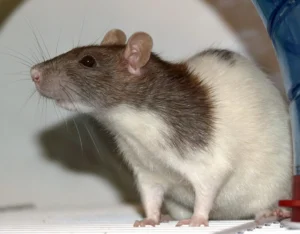
There’s a huge variety in fancy rats. You can get rats in colors like blue, champagne, silver, and dozens of patterns like hooded, berkshire, or variegated. Some have dumbo ears (larger, rounder ears set lower on the head) or rex coats (curly fur).
Good fancy rat breeders prioritize temperament. They breed rats that are calm, friendly, and good with handling. This creates better pets than randomly bred feeder rats.
Some fancy rat breeders do it as a hobby they’re passionate about. They love rats and want to produce the best possible examples of the species.
Others breed fancy rats as a small side business. While you won’t get rich breeding rats, selling well-bred pet rats can bring in some extra income.
Breeding for Research and Science
Scientific research is a major reason rats are bred, though this is usually done by specialized facilities rather than individuals.
Lab rats are used in medical research, psychology studies, drug testing, and countless other scientific applications.
Research facilities need genetically consistent rats for experiments. When all the rats in a study have similar genetics, results are more reliable and meaningful.
Some research requires specific rat strains with particular genetic traits. These specialized strains are bred and maintained for specific research purposes.
Universities, pharmaceutical companies, and research labs either breed their own rats or buy them from specialized breeding facilities.
While controversial, rat research has led to major medical advances. Treatments for diseases, new medications, and better understanding of biology have all come from rat studies.
Saving Money on Snake Food
This is closely related to feeder breeding but worth mentioning separately.
Many people start breeding rats purely to cut costs on feeding their pet snakes or other reptiles.
Once you realize how much you’re spending on frozen rats from the pet store, breeding your own starts looking really attractive financially.

The math is simple. If you’re spending $50-$100 per month on feeder rats, you could invest that money once in a breeding setup and then have essentially free snake food (aside from rat food and bedding costs).
For people with multiple snakes, large snakes, or snakes that only eat live prey (some are picky eaters), the cost savings are even more dramatic.
The downside is that breeding rats requires space, time, and dealing with the less pleasant aspects like culling. But for many reptile owners, the financial benefit is worth it.
Breeding for Rat Shows and Competitions
Some people breed rats specifically to compete in rat shows and competitions.
Rat shows are like dog shows but for rats. Judges look at conformation (body structure), temperament, coat quality, color accuracy, and overall health.
Breeders trying to win shows focus on producing rats that match breed standards as closely as possible. This means specific proportions, coat types, colors, and temperaments.
Show breeding is more common in Europe and parts of Asia than in North America, but there are rat fancy clubs and shows in many countries.
People who breed for shows are usually passionate about rat genetics and the hobby of perfecting their breeding lines.
Winning shows brings prestige in the rat fancy community and can make your breeding stock more valuable.
Educational and Teaching Purposes
Some schools, nature centers, and educational programs breed rats for teaching purposes.
Rats are great for teaching genetics. Their short breeding cycles and clear genetic traits (like coat colors) make them perfect for classroom genetics lessons.

Biology classes sometimes breed rats to teach students about reproduction, growth, and animal care.
Nature centers might breed rats to feed to educational animals like owls, snakes, or other predators in their care.
These breeding programs are usually small-scale and focused on the educational value rather than profit or large-scale production.
Preserving Rare Rat Varieties
Some breeders focus on preserving rare or endangered rat varieties and bloodlines.
Certain coat colors, patterns, or genetic traits are rare and might disappear if someone doesn’t maintain them through breeding.
Preservationist breeders work to keep these rare traits alive by carefully managing breeding programs.
This is more common in fancy rat breeding than feeder breeding. Colors like silver, certain rex varieties, or specific patterns might have only a few breeders working with them.
Without these preservation efforts, some interesting genetic variations would be lost entirely.
Making a Small Business
Some people breed rats as a small business venture to make extra income.
Selling feeder rats to pet stores, reptile shops, or directly to snake owners can generate steady income.
Fancy rat breeders sell pet rats to individuals, usually for $15-$40 per rat depending on color, quality, and location.
While you probably won’t get rich breeding rats, a well-managed breeding operation can bring in a few hundred to a few thousand dollars per month.
The key is volume. You need to breed enough rats to make it worthwhile, but not so many that you can’t properly care for them all.
Some people combine rat breeding with other small animal breeding (like mice, hamsters, or rabbits) to diversify their income.
Personal Interest in Genetics
Some people breed rats simply because they find genetics interesting.
Rats are great for learning hands-on genetics. You can see how different traits are inherited, work with dominant and recessive genes, and understand inheritance patterns.
Predicting what colors and patterns will result from specific breeding pairs is like solving a genetic puzzle.
For people who are interested in biology and genetics but aren’t scientists, rat breeding is an accessible way to explore those interests.
Each litter teaches you something new about how genes work, and you can experiment with different combinations.
Supplying Zoos and Wildlife Facilities
Some breeders produce rats specifically for zoos and wildlife rehabilitation centers.
Zoos with snakes, birds of prey, and other predators need regular supplies of feeder rats in various sizes.
Wildlife rehabilitation centers that care for injured hawks, owls, or other predators need rats for feeding their animals.
These facilities often prefer to work with reliable breeders who can provide consistent quality and supply rather than buying from pet stores.
Breeding for zoos and wildlife centers usually requires larger-scale operations since these facilities need lots of rats.
Hobby and Enjoyment
Some people simply enjoy keeping and breeding rats as a hobby.
Rats are intelligent, social, and interesting animals. People who really love rats might breed them just because they enjoy the process.
Watching baby rats grow, working with different genetics, and managing a breeding colony can be genuinely rewarding for rat enthusiasts.
These hobby breeders usually operate on a small scale and focus on quality over quantity.
They might give away or sell rats to friends, family, or local pet owners, but profit isn’t the main motivation.
Creating Better Temperaments
Some breeders specifically focus on improving rat temperament through selective breeding.
By only breeding the calmest, friendliest rats, breeders can create lines of rats that make excellent pets.
This is especially important for fancy rats that will be handled frequently by people, including children.
Temperament breeding takes time. You need multiple generations of selective breeding to really improve overall friendliness and reduce biting or aggression.
Good temperament is valued in both pet rats and even feeder rats (they’re easier to handle and raise if they’re calm).
Dealing With Unwanted Litters
Sometimes people end up breeding rats accidentally and then have to deal with the results.
If someone has both male and female pet rats and doesn’t separate them in time, they’ll end up with unplanned litters.
Once you have baby rats, you need to find homes for them or raise them yourself. Some people then continue breeding since they’re already set up for it.
This isn’t a good reason to breed rats intentionally, but it’s how some people get started. Hopefully, they then learn to breed responsibly if they continue.
Breeding for Specific Traits
Beyond colors, some breeders work on developing or maintaining specific physical traits.
Dumbo ears (the larger, round, lower-set ears) are a popular trait that requires specific breeding to maintain.
Rex coats (curly fur) and double rex (almost hairless) rats require breeding two rex rats together.
Some breeders work on size, trying to produce particularly large or small rats for specific purposes.
Ear types, tail characteristics, and other physical features can all be breeding goals.
Community and Social Connections
For some people, rat breeding is as much about the community as the rats themselves.
Rat breeding communities (online and in-person) offer connections with people who share similar interests.
Rat shows and breeding clubs provide social events and opportunities to meet other rat enthusiasts.
Sharing knowledge, comparing breeding results, and collaborating on genetic projects creates bonds within the community.
For people who feel isolated or want to connect with others over a shared interest, rat breeding communities can be really valuable.
Ethical Considerations
Not everyone agrees that breeding rats is ethical, especially for feeders.
Some people argue that breeding animals specifically to be killed as food for other animals is wrong.
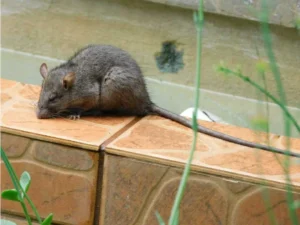
Others feel that as long as rats are treated humanely during their lives and culled humanely, it’s no different from raising any other food animal.
The debate is similar to discussions about farming chickens or cows, just on a smaller scale.
Most rat breeders who think about the ethics try to give their rats good lives and handle culling as humanely as possible.
Challenges of Breeding Rats
Regardless of why people breed rats, there are common challenges.
Space is a big issue. Even a small breeding colony needs multiple cages and room to house growing rats.
Time commitment is significant. Rats need daily care, cage cleaning, health monitoring, and careful record keeping.
Emotional difficulty comes up, especially for feeder breeders who have to cull rats. Even if you know it’s necessary, it’s not easy.
Financial costs add up. While breeding can be profitable or cost-saving eventually, initial setup and ongoing care costs are real.
Health management is important. Respiratory infections, tumors, and other health problems are common in rats and need attention.
Different Approaches Based on Purpose
The reason for breeding affects how it’s done.
Feeder breeders focus on production numbers and cost-efficiency. Temperament and appearance matter less than healthy, fast-growing rats.
Fancy rat breeders prioritize temperament, health, and appearance. They often breed fewer litters but spend more time socializing and caring for each rat.
Research breeders focus on genetic consistency and maintaining specific strains with exact characteristics.
Show breeders aim for perfection in meeting breed standards, which requires careful selection and sometimes years of breeding to achieve.
Understanding your purpose helps you breed appropriately for your goals.
Conclusion
People breed rats for various reasons including producing feeders for reptiles, creating fancy pet rats with specific colors and temperaments, supplying research facilities, saving money on snake food, competing in shows, education, and personal interest in genetics.
Each purpose shapes how breeding is approached. Feeder breeders focus on efficiency and numbers, while fancy rat breeders emphasize temperament and appearance. Some people breed rats as a business, others as a hobby, and some simply because they’re passionate about rats.
Whether for practical reasons or pure enjoyment, rat breeding serves different needs in different communities. Understanding why people breed rats helps explain the diversity of approaches and standards in the rat breeding world.

Hi, my name is Ezra Mushala, i have been interested animals all my life. I am the main author and editor here at snakeinformer.com.