
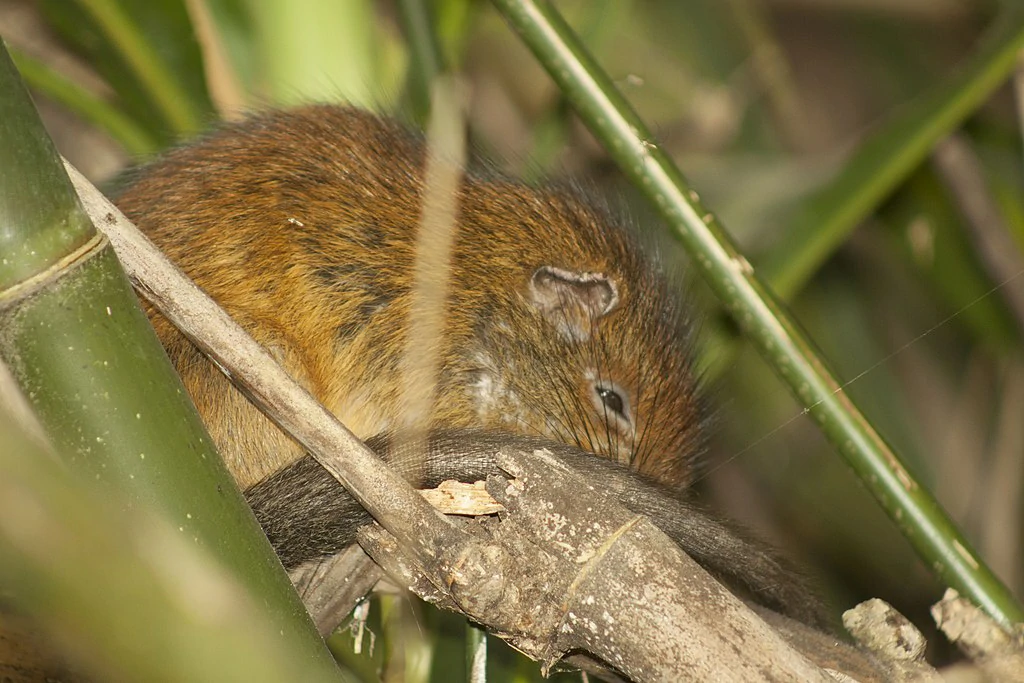
Bamboo rats are large rodents that live in parts of Asia, and they’ve become an interesting animal for people to raise in captivity. These chunky creatures can weigh up to 8 pounds and spend most of their time underground eating bamboo roots and other plant materials. But why do people breed bamboo rats?
People breed bamboo rats mainly for meat production in countries like China and Vietnam, where they’re considered a valuable food source. They’re also bred for traditional medicine purposes and, less commonly, as exotic pets.
Bamboo rat farming has become a real business in several Asian countries because these animals grow quickly and don’t need much space. They’re actually pretty easy to raise compared to other livestock, and they can turn bamboo (which grows everywhere) into protein-rich meat.
Bamboo Rats Are Raised for Food
The main reason people breed bamboo rats is for their meat. In southern China, Vietnam, and parts of Southeast Asia, bamboo rat meat is seen as a delicacy that people will pay good money for.
The meat is described as tender and tasty, kind of like a mix between chicken and pork. It’s high in protein and lower in fat than many other meats, which makes it attractive to health-conscious consumers.
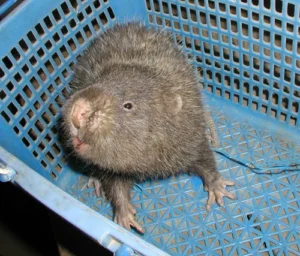
Restaurants in cities across southern China serve bamboo rat dishes, and the demand has been high enough that farmers started breeding them specifically for this market. A single bamboo rat can sell for anywhere from $15 to $50 depending on its size and the local market.
The breeding business took off because these rats reproduce pretty quickly. A female can have multiple litters per year, with 2 to 5 babies each time, so farmers can build up their stock fast.
How Bamboo Rat Farming Actually Works
Bamboo rat farms are usually set up with concrete enclosures that copy the underground burrows these animals naturally live in. Each rat gets its own little chamber that stays dark and cool, just like they prefer.
Farmers feed them mostly bamboo shoots and roots, along with some corn, sweet potatoes, and other vegetables. Since bamboo grows really fast and is easy to find in these regions, the feed costs stay pretty low.
The rats grow to market size in about 8 to 10 months, which is actually faster than raising pigs or cattle. They also don’t make much noise and don’t smell as bad as other livestock, so you can raise them in smaller spaces without bothering neighbors.
A medium-sized farm might have 100 to 500 breeding pairs, and the whole operation can be run by just one or two people. This makes it an attractive option for small-scale farmers looking to make extra income.
Traditional Medicine Uses
Beyond food, bamboo rats are bred for use in traditional Chinese medicine. Different parts of the animal are believed to have healing properties, though these claims aren’t backed by modern science.

The bile, bones, and even the whiskers are used in various traditional remedies. Some practitioners claim bamboo rat parts can help with digestive issues, kidney problems, and other health conditions.
This traditional medicine market adds extra value to each animal, since farmers can sell different parts to medicine shops after selling the meat to restaurants or markets.
Are Bamboo Rats Kept as Pets?
Some people do breed bamboo rats as exotic pets, though this is way less common than breeding them for food. They’re not your typical pet rodent, and they need very specific care.
Bamboo rats can be pretty calm and handleable if you raise them from babies, but they’re not naturally social with humans like domesticated rats are. They’re also nocturnal (active at night), which means they’ll be sleeping when you want to interact with them.
If you keep one as a pet, you’ll need to provide a large enclosure with places to dig and burrow, along with a steady supply of bamboo and other plant foods. They can live 4 to 6 years in captivity with good care.
The exotic pet market for bamboo rats is mostly limited to Asia, and in many countries, you can’t legally own one without special permits.
Why Bamboo Rat Farming Makes Economic Sense
From a farmer’s perspective, bamboo rats are actually a smart choice for several reasons. First, the startup costs are relatively low compared to raising larger livestock like pigs or cattle.
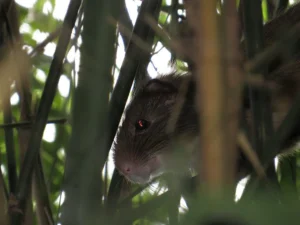
You can start a small breeding operation with just a few pairs and some basic concrete enclosures. The rats don’t need expensive veterinary care, vaccines, or special equipment.
Feed costs stay low because bamboo is abundant and cheap (or even free if you harvest it yourself). The rats also don’t drink much water and produce less waste than other farm animals.
The return on investment can be really good. A breeding female might cost $20 to $50 to buy, but she’ll produce multiple litters that you can sell for $15 to $50 each when they reach market weight.
During peak farming years in China, some farmers reported making more money per square meter from bamboo rats than they could from traditional crops or other livestock.
Challenges Farmers Face
Despite the benefits, bamboo rat farming isn’t without its problems. Disease can spread quickly through a breeding colony, and there aren’t many vets who specialize in treating these animals.
The market can also be unstable. Prices go up and down based on demand, and in recent years, concerns about wildlife-related diseases have impacted the industry in some regions.
There’s also the issue of regulations. Some areas have cracked down on bamboo rat farming or put restrictions in place, especially after health scares. This has made some farmers nervous about investing in the business.
Still, in rural areas where options for making money are limited, bamboo rat breeding continues to be an attractive option for many small-scale farmers.
How Breeding Programs Work
Serious bamboo rat breeders select their animals carefully to produce the best offspring. They look for rats that grow quickly, have calm temperaments, and produce large, healthy litters.
Breeding pairs are kept in separate enclosures, and farmers track which rats produce the best babies. Good record-keeping helps them avoid inbreeding, which can lead to health problems and smaller litters.
The breeding season can happen year-round in captivity if conditions are right, but many farmers time their breeding so that babies are born when bamboo shoots are most abundant and nutritious.
Baby bamboo rats stay with their mother for about a month before they’re weaned. After that, they’re moved to growing pens where they’ll fatten up until they reach market size.
What’s the Future of Bamboo Rat Breeding?
The future of bamboo rat breeding is a bit uncertain. The industry saw huge growth in the 2000s and 2010s, but it’s faced some setbacks in recent years.
Health concerns and changing regulations have made some farmers switch to other animals or abandon the business altogether. However, in regions where it’s still legal and culturally accepted, the demand for bamboo rat meat remains strong.
Some breeders are now focusing on improving their farming practices, making their operations cleaner and more professional. This could help the industry bounce back and gain more acceptance.
There’s also growing interest in studying bamboo rats for scientific purposes, which could open up new breeding opportunities beyond just food production.
Conclusion
People breed bamboo rats mainly because they’re a valuable source of meat in many Asian countries, but also for traditional medicine and occasionally as exotic pets. The business makes economic sense for small-scale farmers because these animals are cheap to feed, reproduce quickly, and can bring in good money.
While the industry has faced challenges, bamboo rat breeding continues in many regions where the cultural demand for their meat stays strong. For farmers with limited land and resources, raising bamboo rats offers a way to make a living that doesn’t require huge investments or complicated equipment.
Whether the practice grows or shrinks in the coming years will probably depend on regulations, public health concerns, and changing attitudes about eating exotic animals. But for now, bamboo rat breeding remains an important part of rural agriculture in several Asian countries.

Hi, my name is Ezra Mushala, i have been interested animals all my life. I am the main author and editor here at snakeinformer.com.