
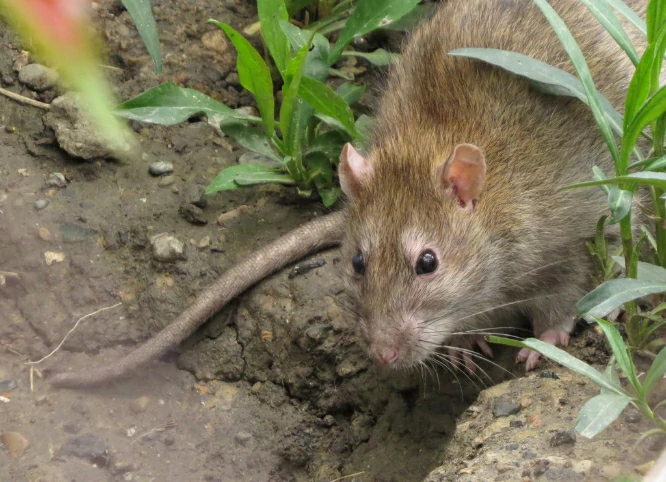
If you have multiple rats, you’ve probably seen them wrestling and chasing each other around the cage. Sometimes it’s just playful roughhousing, but other times it can escalate into real fighting that leaves you worried about their safety.
Seeing your rats go after each other can be really stressful, especially if you don’t know whether it’s normal or if you need to separate them.
Fighting between rats can happen for lots of reasons, and figuring out the cause is the first step to fixing the problem. So why do your rats keep fighting?
Rats keep fighting due to dominance issues, territorial disputes, hormonal aggression (especially in unneutered males), lack of space, stress from their environment, introduction problems, or incompatible personalities. While some level of wrestling and play-fighting is normal, serious fighting with injuries requires intervention to prevent harm and restore peace in the cage.
Most rat scuffles are actually just play or minor disagreements about who’s in charge. But when fighting becomes frequent or leads to injuries, you need to figure out what’s causing it and take steps to fix the situation.
The good news is that most fighting problems can be solved with the right approach.
How to Tell If Your Rats Are Playing or Really Fighting
Before you panic about fighting, you need to know the difference between normal play and actual aggression. Rats are rough players, and what looks scary might just be how they have fun.
Play-fighting usually involves chasing, pinning, and gentle wrestling. The rats will take turns being the “winner” and “loser,” and neither one seems upset or scared. You might hear squeaking, but it’s usually high-pitched and excited, not distressed.
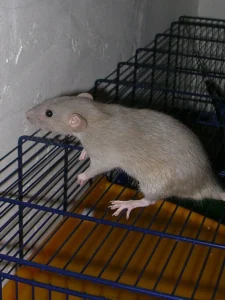
Real fighting looks and sounds different. The rats will puff up their fur to look bigger, their movements are more aggressive and sustained, and one rat is clearly trying to hurt the other. You’ll see sideways posturing where they face each other with arched backs.
The biggest difference is injuries. Play-fighting doesn’t caupeose wounds. Real fighting can lead to bites, scratches, and sometimes serious injuries that need vet attention. If you’re seeing blood or wounds, it’s definitely real fighting.
Another sign is that in play-fighting, the rats go back to normal immediately after. They’ll groom each other or sleep together like nothing happened. With real fighting, they’ll stay separated and continue to show aggressive body language.
Pay attention to the sounds too. Play squeaks are quick and high. Aggressive squeaks are longer, louder, and sound more distressed. Some rats will also make a hissing or chattering sound when they’re angry.
If you’re not sure, watch the aftermath. Are they cuddling together an hour later? Probably just playing. Are they staying on opposite sides of the cage and avoiding each other? That’s a sign of real conflict.
Dominance Struggles Are Common in Rat Groups
Rats are social animals with hierarchies. In any group of rats, there will be a dominant rat (the alpha) and subordinate rats below them in the pecking order. Establishing and maintaining this hierarchy involves some level of conflict.
When rats first meet or when the social structure is changing, you’ll see more dominance behavior. This includes pinning, grooming that looks a bit rough, and some wrestling where one rat is clearly trying to assert control.
This is completely normal and necessary for rats to figure out their relationships. As long as it doesn’t lead to serious injuries, you should let them work it out on their own.
Young rats tend to challenge the hierarchy more as they mature. A young rat might start challenging an older dominant rat for the top position. This can lead to increased fighting until the issue is settled.
Sometimes the dominant position will change hands, and sometimes the challenger will back down. Either way, things usually calm down once everyone knows their place again.
Problems happen when rats can’t agree on the hierarchy or when one rat refuses to accept a subordinate position. This can lead to ongoing fights that don’t resolve.
If you have an older rat and you introduce a young, energetic rat, the constant challenges can stress the older one out. Sometimes it’s better to match rats by age and energy level to avoid this.
Unneutered Males Fight More Due to Hormones
Male rats (bucks) are generally more aggressive than female rats (does), especially if they haven’t been neutered. Hormones like testosterone drive territorial and dominance behaviors that can escalate into fighting.
Unneutered males will often have more serious fights, especially when they reach sexual maturity around 5-6 months old. Before that age, they might get along fine, but then suddenly start having problems.
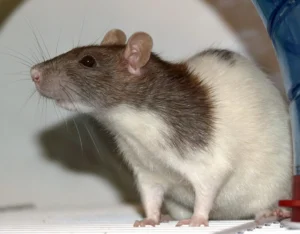
The fighting is usually about establishing dominance and territory. Males want to be the top rat, and they’ll fight to prove it. They’re also more likely to fight over resources like food, hiding spots, and the best sleeping areas.
Neutering can dramatically reduce aggressive behavior in male rats. It won’t necessarily eliminate all fighting (since dominance is about more than just hormones), but it often makes a huge difference.
If you have multiple males and they’re fighting constantly, talk to your vet about neutering. The procedure is fairly routine for rats, and the behavioral benefits are usually worth it.
Keep in mind that it can take several weeks after neutering for hormone levels to drop and behavior to change. Don’t expect immediate results.
Female rats can fight too, but it’s less common and usually less severe. Does tend to have more stable social groups with less violence.
Not Enough Space Creates Tension
Rats need room to move around, establish territories, and get away from each other when they need a break. If your cage is too small, it’s like forcing multiple people to live in a tiny room. Eventually, they’re going to get on each other’s nerves.
The minimum recommended cage size for two rats is about 2 cubic feet per rat, but bigger is always better. A cage that’s too small will lead to increased stress and more fighting.
Even if your cage is technically big enough, the layout matters too. If there’s only one hiding spot or one sleeping area, rats will fight over access to it. You need multiple resources so each rat can have their own space.
Add more hammocks, hideouts, tunnels, and sleeping spots than you have rats. This way, no one has to fight for a place to rest or feel safe.
Vertical space is important too. Rats like to climb, and having multiple levels in the cage gives them more territory to spread out. A tall cage with platforms is better than a flat, single-level cage of the same floor space.
If you’ve recently added more rats to your group without upgrading the cage size, that could be why fighting has increased. The cage that worked for two rats might not work for four.
Watch where the fights are happening. If they always happen in one particular spot, it might be a resource everyone wants. Add another water bottle, food dish, or hideout in a different area of the cage.
Stress From Their Environment Can Trigger Aggression
Rats are sensitive to their environment, and stress from external factors can lead to increased aggression within the group. When rats feel unsafe or uncomfortable, they take it out on each other.
Loud noises, frequent disruptions, being in a high-traffic area of the house, or living near predator animals (like cats or dogs) can all stress rats out. This stress lowers their tolerance for normal social interactions and makes fights more likely.

If your rat cage is in a room where there’s constant noise, people walking by, or other animals, consider moving it to a quieter spot. Rats need to feel safe in their environment.
Temperature can also be a factor. Rats are sensitive to heat, and if they’re too warm, they become irritable. Make sure the cage isn’t in direct sunlight or near heat sources.
Changes to their routine can cause stress too. If you’ve recently moved the cage, changed their bedding type, or altered their feeding schedule, they might be acting out because of the disruption.
Even something as simple as not getting enough attention from you can stress rats out. They’re social animals that need daily interaction. If you’ve been busy and haven’t spent as much time with them, they might be acting up.
Try to keep their environment as stable and calm as possible. Reduce stressors where you can and make sure they’re getting plenty of attention and enrichment.
Introduction Problems Can Lead to Ongoing Conflict
If you’ve recently introduced new rats to your group, fighting might be part of the adjustment process. However, if you didn’t do the introduction properly, it can lead to long-term problems.
Rats need to be introduced slowly and carefully. You can’t just throw a new rat in the cage and hope for the best. That will almost always result in fighting.
The proper way to introduce rats is through a process that can take days or even weeks. You start with neutral territory meetings where the rats can interact outside of anyone’s established territory.
After successful neutral meetings, you do “smooshing” or cage swapping where rats get used to each other’s scents. Then you move to supervised cage time, and finally, full integration.
If you skipped steps or rushed the process, your rats might not have had time to properly establish their social bonds. This can lead to ongoing tension and fighting.
If the fighting started right after adding a new rat, you might need to separate them and start the introduction process over from the beginning. It’s tedious, but it’s better than having rats that never get along.
Some rats just don’t like each other, and no amount of slow introduction will fix it. Personality conflicts are real, and sometimes you have to accept that certain rats won’t be compatible.
Age and Health Issues Can Change Behavior
An older rat that’s in pain or not feeling well might become more aggressive or defensive. They don’t have the patience for younger rats’ energy, and they might lash out more easily.
If an older rat is being bullied by younger, more energetic rats, it might fight back more aggressively than it would otherwise. This is especially true if the older rat is losing dominance due to age or illness.
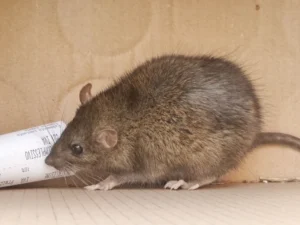
Health problems can also make a normally friendly rat become aggressive. Pain, hormonal imbalances, tumors, or neurological issues can all affect behavior. If one of your rats suddenly becomes much more aggressive, a vet check is a good idea.
On the flip side, a sick or injured rat might be picked on by the others. Rats sometimes attack weak or sick members of the group. This is instinct from their wild days when a sick rat could attract predators.
If you notice one rat is always the target of aggression, check them over carefully for any signs of illness or injury. Sometimes they’re being attacked because the other rats can tell something is wrong.
Senior rats and very young rats often don’t mix well. The energy levels are too different, and the young ones can stress out the older rats. If possible, group rats with others of similar age.
Some Rats Just Have Incompatible Personalities
Just like people, some rats just don’t get along. You can do everything right with introductions, provide plenty of space, and minimize stress, but some personality combinations just don’t work.
Some rats are naturally more dominant or aggressive than others. If you have two very dominant rats in the same cage, they might constantly fight over who’s in charge.
Other rats are more submissive and peaceful. Pairing them with an aggressive rat can lead to bullying and stress for the submissive one.
Energy levels matter too. A very active, playful rat might annoy a more laid-back rat to the point of conflict. Or a shy, nervous rat might be overwhelmed by a bold, confident cage mate.
Sometimes you can manage personality conflicts by adjusting the environment or group dynamics. But sometimes the kindest solution is to separate rats that really don’t like each other.
This doesn’t mean you failed as a rat owner. It just means you recognized that not all rats are compatible, and you prioritized their well-being over keeping them together.
What to Do When Your Rats Are Fighting
If your rats are having real fights (not just play), you need to intervene before someone gets seriously hurt. Here’s what you can do depending on the severity of the problem.
For minor squabbles that don’t result in injuries, you can usually just monitor the situation. Make sure there are enough resources (food, water, hideouts) and that the cage is big enough. The rats might work it out on their own.
If fighting is more frequent or intense, try changing the cage layout. Add more hiding spots, rearrange levels, and make sure there are multiple exits from each area so no one can be cornered.

For unneutered males, consider neutering. This often solves the problem if hormones are the main driver of aggression.
If fighting results in injuries, you need to separate the rats temporarily. Put them in cages next to each other so they can still smell and see each other, but can’t hurt each other. Then start reintroducing them slowly like they’re meeting for the first time.
Sometimes you need to do what’s called a “vanilla introduction” where you dab vanilla extract on all the rats so they smell the same. This can help reset their social dynamics.
In severe cases where rats are causing serious injuries despite all your efforts, permanent separation might be the only option. It’s sad, but sometimes it’s necessary for everyone’s safety.
Preventing Future Fighting
Once you’ve resolved the current fighting problem, you want to prevent it from happening again. Here are some strategies that help maintain peace in a rat cage.
Keep the cage clean, but don’t clean so thoroughly that you remove all scent markers. Rats use scent to establish territory, and removing all traces can cause them to fight to re-establish it. Spot-clean daily and do a full clean weekly.
Maintain a consistent routine. Feed at the same times, clean on the same schedule, and handle your rats regularly. Consistency reduces stress.
Provide plenty of enrichment. Bored rats are more likely to fight. Give them toys, rotate new items into the cage, create foraging opportunities, and let them out for playtime daily.
Watch for early warning signs of conflict. If you notice increased posturing, more aggressive grooming, or rats starting to avoid each other, intervene before it escalates to real fighting.
When adding new rats, always do proper introductions. Never rush the process, even if the rats seem to like each other right away.
Consider the gender and age of rats you’re adding to your group. Matching these factors makes integration smoother.
Keep an eye on everyone’s health. Regular vet checkups can catch problems before they affect behavior.
Conclusion
Rats fighting can be caused by dominance struggles, hormones, lack of space, stress, poor introductions, health issues, or personality conflicts. Figuring out the specific cause is key to solving the problem.
Most fighting can be resolved by addressing environmental factors, neutering males, improving the cage setup, or properly reintroducing rats. In some cases, permanent separation is the kindest option.
Pay attention to your rats’ behavior, provide a stable environment, and don’t be afraid to make changes when things aren’t working. With patience and the right approach, you can usually restore peace to your rat family.

Hi, my name is Ezra Mushala, i have been interested animals all my life. I am the main author and editor here at snakeinformer.com.