

If you’ve ever seen a dog chase, catch, and kill a rat, you know it can be surprisingly intense. Some dogs ignore rats completely, while others become absolutely focused on hunting them down.
This behavior can be confusing or even disturbing to dog owners who aren’t expecting it. So why do dogs kill rats?
Dogs kill rats because of natural hunting instincts that have been bred into them for thousands of years. Many dog breeds were specifically developed to hunt and kill rats, and even dogs without this breeding history often have prey drive that kicks in when they see small, fast-moving animals like rats.
This behavior isn’t about aggression or meanness. For most dogs, killing rats is simply following instincts that are hardwired into their genes.
The History of Ratting Dogs
For hundreds of years, humans specifically bred certain dogs to kill rats. This wasn’t just for fun or sport (though rat-baiting competitions were popular in the past). Rat-killing dogs served an important practical purpose in controlling rodent populations.
Before modern pest control, rats were a serious problem in cities and farms. They destroyed stored grain, spread disease, and caused structural damage. People needed an effective way to control rat populations, and dogs turned out to be excellent at the job.

Certain breeds became famous for their ratting abilities. Terriers especially (the name comes from “terra,” meaning earth, because they’d dig into the ground after rats) were bred specifically for this purpose.
Breeds like Jack Russell Terriers, Rat Terriers, Yorkshire Terriers, and Cairn Terriers all have “kill rats” built into their job description.
Even non-terrier breeds were used for ratting. Miniature Pinschers, Miniature Schnauzers, and Dachshunds all have rat-hunting in their background. The small size allowed them to chase rats into tight spaces, and their tenacity meant they wouldn’t give up until the job was done.
The Prey Drive Instinct
Most dogs have what’s called prey drive, which is the instinct to chase, catch, and kill small animals that run away. This instinct varies in strength from dog to dog and breed to breed, but it’s present to some degree in almost all dogs.
Prey drive gets triggered by movement, especially fast, erratic movement. When a rat scurries across the yard or darts along a wall, it activates something deep in a dog’s brain that says “chase that thing.” The dog often reacts before they even consciously think about it.

The sequence usually goes: spot the prey, stalk or chase it, catch it, and shake or bite to kill it. This whole sequence is instinctive. Dogs don’t learn it, they’re born knowing how to do it. Some dogs have stronger prey drive than others, but the basic pattern is the same.
Interestingly, prey drive is different from aggression. A dog with high prey drive isn’t necessarily aggressive toward people or other dogs.
They just have a strong instinct to chase and catch small, fast-moving things. Many gentle, friendly dogs become completely different animals when they spot a rat.
Why Some Dogs Are Better Rat Hunters
Dogs that were bred for hunting or working tend to have much stronger prey drive and better ratting skills. Terriers top the list because that’s literally what they were designed to do. They’re fast, tenacious, and have powerful jaws relative to their size.
These breeds also have the right temperament. They’re bold and not afraid to go after rats even in dark, tight spaces like under sheds or in brush piles. They’re persistent and won’t give up just because a rat goes into hiding.
Size matters too. Smaller dogs can follow rats into spaces where larger dogs can’t go. A tiny Jack Russell can chase a rat under a porch or into a wood pile, while a German Shepherd would be stuck outside watching.
Some dogs have been bred to have softer mouths for retrieving game birds without damaging them. These dogs often have weaker prey drive and are less likely to kill rats. Breeds like Golden Retrievers and Labrador Retrievers might chase rats but often won’t deliver the killing bite.
The Kill Itself
When a dog catches a rat, the kill usually happens through a vigorous shaking motion. Dogs grab the rat in their mouth and shake it violently side to side. This motion breaks the rat’s neck or spine and causes fatal internal injuries.
You might also see dogs bite down hard and then release and bite again repeatedly. Each bite causes crushing damage to the rat’s body. Dogs have incredibly strong jaw pressure, and even small dogs can crush a rat’s skull or ribcage.
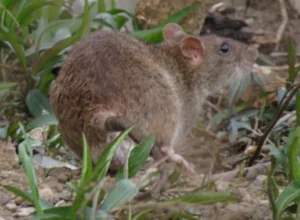
Some dogs will pin the rat with their paws and then bite. This technique is especially common in breeds that were meant to hunt larger prey but adapt it for rats.
The whole process usually happens very fast. A skilled ratter can kill a rat in just a few seconds. The speed is instinctive because in nature, injured prey can still bite and injure the predator, so killing quickly is important.
Why Dogs Shake Their Kills
That violent head-shaking motion you see when dogs kill rats serves a specific purpose. In the wild, canines use this technique to kill prey quickly and efficiently. The shaking motion breaks the prey’s neck and damages its internal organs.
The shaking also helps protect the dog. By holding the rat away from their body and shaking it, dogs avoid getting bitten by the rat. Rats have sharp teeth and can deliver painful, potentially infectious bites if given the chance.
Even dogs that have never killed anything before often instinctively know to shake their prey. Puppies will shake toys the same way, which is actually practice for this hunting behavior.
You’ll see the same shaking behavior when dogs play with squeaky toys. They’re basically practicing their rat-killing technique. The high-pitched squeak triggers the same instinctive response as a rat’s squeal.
The Dangers of Rat Killing for Dogs
While dogs are generally good at killing rats without getting hurt, there are real dangers involved. Rats don’t go down without a fight, and they can bite dogs, especially on the face, nose, and paws.
Rat bites can become infected. Rats carry bacteria in their mouths, and a bite that breaks the skin can introduce infection that needs antibiotic treatment. Serious bites might need stitches.

Rats also carry diseases that can transfer to dogs. Leptospirosis is a big concern. Dogs can get it by biting infected rats or even just by being exposed to rat urine in the environment. This disease can cause kidney and liver failure and can be fatal if not treated.
Rat poison is another major danger. If a dog kills and eats a rat that has consumed poison, the dog can be poisoned too (called secondary poisoning). Rat poison causes internal bleeding, and dogs can die if not treated quickly.
Parasites are also a risk. Rats carry fleas, ticks, and intestinal parasites. When a dog kills a rat, they can pick up these parasites. Some dogs will eat the rat after killing it, which greatly increases parasite exposure.
Why Some Dogs Eat the Rats They Kill
Not all dogs eat the rats they kill, but some do. This behavior is more common in dogs with very strong prey drive or dogs that were bred for hunting and killing their own food.
From an evolutionary perspective, eating what you kill makes sense. Wild canines (wolves, coyotes, foxes) kill small rodents and eat them as part of their diet. Domestic dogs still carry these instincts.
Some dogs just taste or chew on the rat without actually eating it. They’re investigating what they caught. Other dogs will consume the entire rat, which can cause health problems (as mentioned above with diseases and parasites).
Hunger can increase the likelihood that a dog will eat a rat. A well-fed pet dog is less likely to eat a rat than a stray dog that’s hungry and looking for any food source.
Training and Control Issues
If your dog kills rats, you might wonder if you can or should train them not to. The answer is complicated because you’re fighting against very strong instinctive behavior.
You can train impulse control and recall so your dog will stop chasing when you command them, but this takes a lot of practice and might not work when prey drive is fully activated. Once a dog is in full chase/hunt mode, they often can’t hear or respond to commands.

Some owners don’t want to stop the behavior because they appreciate having natural pest control. If you have a rat problem, a good ratting dog can be more effective than traps or poison.
If you do want to discourage the behavior, you need to work on impulse control training in general, not just specifically with rats. Practice “leave it” and strong recall commands with less exciting stimuli first, then gradually work up to more tempting targets.
Breed Differences in Ratting
Terrier breeds are the champions when it comes to killing rats. Jack Russell Terriers are probably the most famous ratters. They’re fearless, fast, and have incredible prey drive. A good Jack Russell can kill dozens of rats in a single session.
Rat Terriers were literally named for their job. They’re efficient killers with strong jaws and quick reflexes. Yorkshire Terriers were also bred for ratting despite being tiny and now mostly known as lap dogs.
Dachshunds were bred to hunt badgers (the name means “badger dog” in German), but they’re also excellent ratters. Their long, low bodies allow them to follow rats into burrows and tight spaces.
Some hunting dogs like beagles and foxhounds will kill rats opportunistically but don’t have the same single-minded focus as terriers. Herding dogs like Border Collies might chase rats but often don’t complete the kill.
Guard breeds and fighting breeds can kill rats but often don’t bother. A Rottweiler or Pit Bull might kill a rat if it crosses their path, but they’re not usually interested in actively hunting rats.
The Social Aspect of Ratting
In the past, rat-killing was often a social activity. Rat-baiting competitions were popular entertainment in the 1800s and early 1900s. Dogs would be placed in a pit with rats, and people would bet on how many rats the dog could kill in a set time.
The record holders were terriers that could kill dozens of rats in just a few minutes. These competitions are now illegal in most places because they’re considered animal cruelty (both to the rats and potentially to the dogs).

Today, some farms and businesses still use ratting dogs for practical pest control. Groups of terriers might be brought in to clear out rat-infested barns or warehouses. This modern ratting is more controlled and focused on actual pest control rather than entertainment.
Some dog owners organize ratting clubs where their dogs can practice their natural instincts in controlled settings. These are usually more about preserving working dog skills than about entertainment.
How to Keep Your Ratting Dog Safe
If your dog kills rats, you need to take precautions to protect their health. First, make sure their vaccinations are up to date, especially for leptospirosis. This vaccine specifically protects against one of the most serious rat-borne diseases.
Keep your dog on regular flea, tick, and parasite prevention. These medications protect against parasites that rats carry.
Never use rat poison where your dog has access. Even if you’re careful about placement, rats can eat poison and then die in areas where your dog can find them. The safest approach is to let your dog be your pest control and avoid poison altogether.
Watch your dog during and after rat encounters for any signs of bites or injuries. Check their face, mouth, paws, and body for puncture wounds. Clean any wounds immediately with antiseptic and monitor for signs of infection.
If your dog eats a rat or seems sick after killing one, contact your vet. They might want to give preventative treatment for parasites or monitor for signs of disease or poisoning.
Conclusion
Dogs kill rats because of natural hunting instincts that have been bred into certain breeds for thousands of years, particularly terriers and other ratting breeds.
Even dogs without this breeding history often have prey drive (the instinct to chase and kill small, fast-moving animals) that gets triggered when they see rats. The kill usually happens through violent shaking or crushing bites to the head and neck.
While this behavior is natural and instinctive, it does carry risks. Dogs can be bitten by rats, can contract diseases like leptospirosis, can pick up parasites, or can be poisoned if they eat rats that consumed poison.
If your dog kills rats, keep their vaccinations current, use parasite prevention, avoid using rat poison, and check for injuries after encounters.
For dogs with obsessive ratting behavior, work with a trainer to redirect the energy into healthier outlets like lure coursing, fetch, or barn hunt competitions.

Hi, my name is Ezra Mushala, i have been interested animals all my life. I am the main author and editor here at snakeinformer.com.