
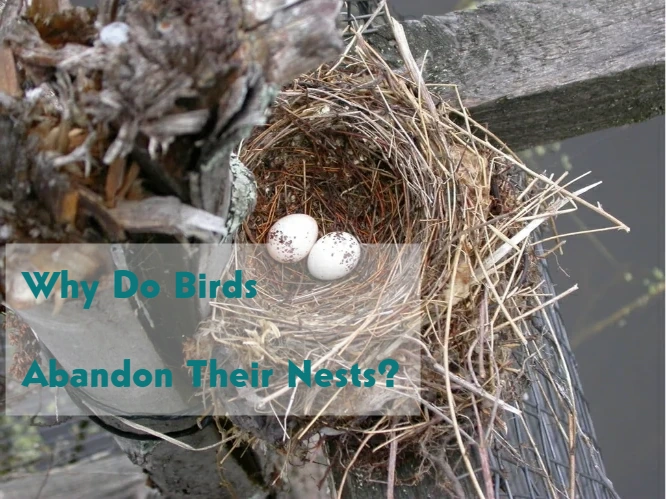
You’ve been watching a bird build a beautiful nest in your backyard. You’ve seen it carefully weave twigs and grass together, creating a perfect little home. Then one day, you notice the bird is gone and the nest sits empty.
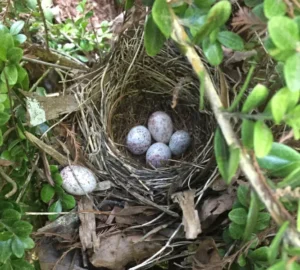
Or maybe you found a nest with eggs in it, but the parents never came back. The eggs just sat there, getting cold, until they were no longer alive. It’s heartbreaking to see, and it leaves you wondering what went wrong.
Why do birds abandon their nests?
Birds abandon their nests for many reasons, including feeling threatened by predators or humans, bad weather destroying the nest, lack of food in the area, infertile eggs that won’t hatch, the death of a mate, or disturbances that make them feel unsafe. Most often, it’s because something made the bird feel like the nest location isn’t safe anymore.
When a bird abandons its nest, it’s usually making a tough choice for survival. Birds don’t give up on their nests easily, but sometimes continuing to invest time and energy in a bad situation would be worse than starting over somewhere else.
Predators Make Birds Decide a Nest Isn’t Safe Anymore
One of the biggest reasons birds abandon nests is because they feel threatened by predators. If a bird thinks a predator has found its nest, it might decide to cut its losses and start over somewhere safer.
Cats are huge nest predators. If a cat is hanging around near a nest, the parent birds will notice. They might try to defend the nest at first, but if the cat keeps coming back, the birds might give up.
Snakes, raccoons, squirrels, and other animals also raid bird nests to eat eggs and babies. Even if the predator doesn’t succeed in getting into the nest, just seeing it nearby can be enough to make the birds abandon.
Sometimes the threat is another bird. Crows and blue jays are known for raiding other birds’ nests. House sparrows and starlings will actually take over nests that other birds built, forcing them to leave.
If a bird sees a predator checking out its nest multiple times, it has to make a choice. Keep defending this nest and risk getting killed? Or abandon it and build a new nest somewhere the predators haven’t found yet?
Often, abandoning and starting over is the safer choice.
Too Much Human Activity Pushes Birds Away
Humans can accidentally cause birds to abandon their nests, even when we’re trying to help or we’re just curious.
If you check on a nest too often, the parent birds might decide it’s not a safe location. They see you as a potential threat, and all your visits stress them out. Eventually, they might decide the nest is compromised and leave.
This is especially true early in the nesting process. If birds are disturbed while they’re building the nest or just starting to lay eggs, they’re more
likely to abandon than if they’ve already invested weeks into raising babies.
Trimming trees or bushes during nesting season can destroy nests or make birds leave. Even if you don’t directly touch the nest, changing the area around it can make birds feel exposed and unsafe.
Noise and activity near the nest can also be a problem. If you’re doing loud construction work, having parties, or letting kids play right under a nest, the birds might get stressed and leave.
The bird isn’t being dramatic. From its perspective, you’re a huge, unpredictable creature that keeps appearing near its babies. That’s scary enough to make leaving seem like the better option.
Bad Weather Damages a Nest Beyond Repair
Bad weather can force birds to abandon their nests, either by destroying the nest itself or by making conditions too harsh for the babies to survive.
Strong winds can blow nests out of trees or damage them so badly they’re no longer safe. If a nest falls apart, the birds usually can’t fix it well enough to use it again.
Heavy rain can soak a nest and make it cold and moldy. Birds need dry nests to keep their eggs and babies warm. If the nest stays wet for too long, the eggs might not hatch or the babies might get sick and die.
Heat waves can also be a problem. If it gets too hot, the eggs might cook before they hatch. Adult birds will try to shade the nest with their bodies, but sometimes it’s just too hot.
Flooding can destroy ground nests or low nests in bushes. If the nest gets washed away or filled with water, there’s nothing the birds can do.
In some cases, the weather doesn’t destroy the nest but makes it impossible to find enough food. If there’s a drought or a cold snap, the insects and other food that birds need might disappear.
Without food to feed their babies, birds might abandon the nest.
Birds Leave When the Eggs Aren’t Developing
Sometimes birds abandon nests because they realize the eggs aren’t going to hatch. Birds can actually tell when eggs are infertile or when the embryo inside has died.
If a female bird mates with an infertile male, the eggs won’t be fertilized. They’ll never develop into baby birds. After sitting on these eggs for a while, the bird will figure out that nothing is happening and give up.
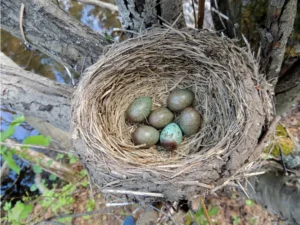
Eggs can also die during development if conditions aren’t right. If the nest gets too cold or too hot, the embryo might die inside the egg. Birds can sense this and will stop incubating eggs that are no longer alive.
There’s no point in wasting more time and energy on eggs that won’t hatch. The bird is better off abandoning these eggs and trying again with a new clutch.
Birds don’t understand the science of why their eggs aren’t hatching. They just know something is wrong, and their instinct tells them to move on.
When a Bird Loses Its Mate
Many bird species need both parents to successfully raise babies. If one parent dies or disappears, the other parent might not be able to handle the nest alone.
In species where both parents incubate the eggs and feed the babies, losing one parent is a huge problem. The remaining parent might not be able to keep the eggs warm enough while also finding food for itself.
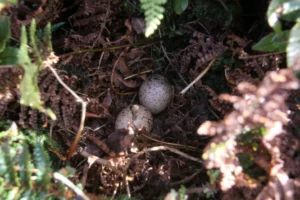
Even if the eggs do hatch, one parent might not be able to bring enough food for all the babies. Baby birds need to eat constantly, and flying back and forth with food all day is exhausting work.
Sometimes the surviving parent will try to keep going alone, but if it’s too much, it might abandon the nest to save itself. A bird that starves to death trying to raise babies can’t try again next year.
This is a sad situation, but it’s nature’s way. The parent bird isn’t giving up because it doesn’t care. It’s making a survival decision.
The Nest Location Turned Out to Be Bad
Sometimes birds pick a spot that seems good at first but turns out to have problems. When they realize their mistake, they might abandon the nest and build somewhere else.
A nest might be built somewhere that gets too much direct sunlight, making it too hot during the day. Or it might be in a spot that’s too shady and damp, so it never dries out.
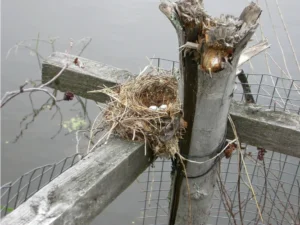
The branch supporting the nest might be weaker than the bird thought. As the nest gets heavier with eggs and growing babies, the branch might start to bend or crack. The bird might decide to leave before the whole thing falls.
Sometimes the problem is the neighborhood. Maybe the birds didn’t notice how many predators were in the area when they started building. After a few close calls, they realize this location isn’t safe.
Or maybe the food sources nearby aren’t as good as they thought. If parents have to fly really far to find food for their babies, they might give up and try to nest somewhere with better hunting.
Birds don’t scout locations as carefully as humans do before moving in. Sometimes they don’t realize there’s a problem until they’re already committed, and then they have to make a choice about whether to stick it out or start over.
Parasites and Disease Can Drive Birds Out of a Nest
Parasites and diseases can make birds abandon their nests. If the nest becomes infested with mites, lice, or other parasites, the birds might decide it’s not worth staying.
Nest mites are tiny bugs that live in bird nests and feed on the birds’ blood. A heavy infestation can weaken adult birds and kill baby birds. If the parent birds are dealing with a bad mite problem, they might abandon the nest to escape the parasites.

Flies and their larvae can also infest nests. Some species of flies lay eggs in bird nests, and when the fly larvae hatch, they feed on the baby birds. This can kill the babies or make them so weak they can’t survive.
Diseases can spread quickly in nests, especially in species that nest in colonies. If baby birds start dying from disease, the parents might abandon the nest to avoid getting sick themselves.
Moldy nests are another issue. If a nest stays wet and develops mold, it can make the birds sick. The spores from the mold can cause respiratory problems in both adult and baby birds.
Some Birds Won’t Reuse an Old Nest
Some bird species won’t reuse nests, especially if they nested there the previous year. This isn’t really “abandoning” in the sad sense, but it can look like it if you don’t know what’s happening.
Many birds build a new nest every year, even if the old nest is still in good shape. This is actually smart because old nests can harbor parasites and diseases from the previous year’s babies.
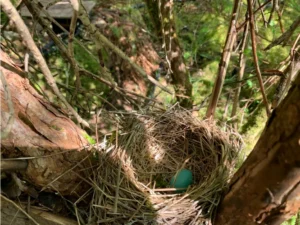
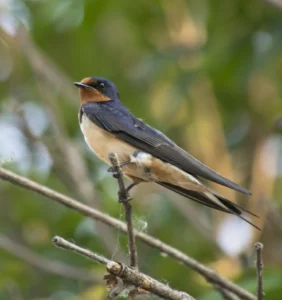
Some birds, like robins and barn swallows, might reuse a nest from earlier in the same season if they’re raising a second brood. But they usually won’t come back to a nest from last year.
If you see a bird start building near an old nest and then abandon the new nest, it might be because it decided the location has too many old nests and parasites in the area. The bird is moving to a fresh location.
First-Time Parent Birds Sometimes Get It Wrong
Young birds nesting for the first time don’t always know what they’re doing. They might make mistakes that lead to abandoning their first nest.
A first-time nester might build a nest in a terrible location because it doesn’t know any better. After realizing the problems with the spot, it might abandon and try again somewhere else.
Young birds might not recognize threats as quickly as experienced birds do. They might invest more time in a dangerous location before finally realizing they need to leave.
Some first-time parents might abandon eggs or babies because they don’t quite understand what they’re supposed to do. The parental instincts are there, but they’re not as strong or reliable as they will be in later years.
This is why older, more experienced birds tend to be more successful at raising babies. They’ve learned from past mistakes and know what to avoid.
Lack of Food Forces Birds to Give Up
If there’s not enough food in the area, birds might abandon their nests. Baby birds eat an incredible amount of food, and parents need to be able to find enough to keep them fed.
A late frost can kill insects and other small creatures that birds eat. If this happens during nesting season, parent birds might not be able to find enough food for their babies.
Drought can reduce the number of insects and worms available. Without enough food to catch, parents might decide they can’t feed their babies.
Habitat destruction can remove food sources. If someone cuts down all the plants and trees near a nest, the insects that lived on those plants are gone. The birds might not be able to find enough food nearby.
In some cases, the parents can find enough food for themselves but not enough for growing babies. They might abandon the nest before the babies hatch rather than watch them starve.
Birds Leave After Their Babies Die
Sometimes birds abandon nests after their babies die. If all the babies in a nest die, there’s no reason for the parents to keep coming back.
Babies can die from many causes. Cold weather, lack of food, disease, injuries, or predator attacks can all kill baby birds.

If the babies die when they’re very young, the parents might remove the dead bodies from the nest and then abandon it. They won’t try to raise another clutch in the same nest.
This might seem cold, but it’s actually practical. The dead babies will attract predators and parasites. The nest is now a dangerous place, so the birds leave it and start over somewhere else.
Is the Nest Really Abandoned or Is This Normal Behavior?
It’s important to know that not every empty nest has been abandoned. Sometimes what looks like abandonment is actually normal bird behavior.
Parents don’t sit on the nest 24/7, even when they have eggs. They take breaks to find food and drink water. If you check on a nest and don’t see the parents, they might just be out on a quick food run.
Older baby birds that are close to leaving the nest are often left alone for longer periods. The parents are encouraging them to become independent. This isn’t abandonment.
If you see a nest that looks unused but has eggs in it, watch from a distance for a few hours. The parents might be incubating on a schedule where they’re not on the nest when you happen to look.
True abandonment usually means the eggs are cold, no parent has been seen for several days, and the eggs or babies show signs of neglect (covered in debris, cold to the touch, or obviously dead).
What You Can Do to Help Prevent Nest Abandonment
There are things you can do to help birds successfully nest in your yard without abandoning.
- Keep cats indoors during nesting season (spring and early summer). This is the single biggest thing you can do to help nesting birds.
- Don’t check on nests frequently. It’s tempting to peek, but every visit stresses the birds out. Check once every few days at most, and do it quickly.
- Don’t trim trees and bushes during nesting season. Wait until fall when birds are done raising babies for the year.
- Keep noise and activity away from nesting areas. If you know birds are nesting somewhere, avoid that part of your yard as much as possible.
- Provide food sources by planting native plants that attract insects. Birds need lots of bugs to feed their babies.
- Don’t use pesticides during nesting season. Birds need those insects to feed their young.
Conclusion
Birds abandon their nests for all kinds of reasons, but it’s usually because something has made the situation unsafe or impossible to continue.
Threats from predators, too much human disturbance, bad weather, dead eggs, loss of a mate, parasites, lack of food, or a generally bad nest location can all cause birds to give up on a nest.
Birds don’t abandon nests lightly. They’ve invested time and energy into building the nest and laying eggs. But sometimes continuing would be more dangerous than starting over.
If you find an abandoned nest in your yard, don’t feel bad. It’s a natural part of bird life. The birds that abandoned this nest will try again somewhere else, and they’ll use what they learned to pick a better location next time.
The best thing you can do is give nesting birds space, keep predators away, and maintain a healthy yard with plenty of food sources. That gives them the best chance of successfully raising their babies without needing to abandon.

Hi, my name is Ezra Mushala, i have been interested animals all my life. I am the main author and editor here at snakeinformer.com.