
Most animals have the ability to vomit when they eat something that disagrees with them. It’s a basic defense mechanism that helps protect against poisoning and illness.
But rats are different. These small rodents physically can’t throw up, no matter what they’ve eaten or how sick they feel. This unique trait has big effects on how rats live, what makes them vulnerable, and how they’ve adapted to survive. So why do rats not vomit?
Rats can’t vomit because their digestive anatomy doesn’t allow it. They have an extremely tight barrier between their esophagus and stomach that prevents backward flow, their diaphragm muscles are too weak to generate vomiting pressure, and their brain lacks the neural wiring needed to coordinate the vomiting reflex.
This inability to vomit isn’t just a weird quirk. It’s shaped how rats eat, how they respond to poison, and even how they’ve evolved as a species. Understanding why they can’t vomit helps explain a lot about rat behavior and survival strategies.
The Anatomy That Prevents Rats From Vomiting
The main reason rats can’t vomit comes down to how their digestive system is built. The connection between their esophagus and stomach works completely differently than in animals that can throw up.
In rats, the spot where the esophagus meets the stomach (called the gastroesophageal junction) is incredibly tight. It’s like a one-way valve that only opens downward to let food in, never upward to let anything out.
The muscles around this junction are arranged in a way that makes backward movement of stomach contents impossible. Even if a rat’s stomach is full to bursting, these muscles won’t relax enough to allow anything to move back up.
This is totally different from humans and dogs, where the barrier between stomach and esophagus can open both ways. In those animals, strong muscle contractions can force it open in reverse to allow vomiting.
How a Weak Diaphragm Plays a Role
The diaphragm is the big muscle under your lungs that helps you breathe. But it also plays a key role in vomiting by creating pressure that helps force stomach contents upward.
When animals vomit, their diaphragm contracts forcefully at the same time their stomach muscles squeeze. This creates massive pressure that overcomes the normal barriers and pushes everything up and out.
Rats have a much weaker diaphragm compared to their body size. It’s not built for the kind of forceful contractions needed to create vomiting pressure.
Even if a rat’s esophageal barrier could somehow open backward, their diaphragm simply doesn’t have the strength to generate enough force to push stomach contents through. It’s a double failure, both the anatomy and the muscle power are missing.
Why Rat Brains Can’t Trigger Vomiting
Beyond the physical problems, rats are also missing the brain wiring that makes vomiting happen in the first place. The ability to vomit isn’t just about muscles and anatomy, it requires specific neural pathways.
In animals that can vomit, there’s a specialized area in the brainstem called the vomiting center. This area coordinates all the different muscles and responses needed to throw up.
When you eat something toxic or your stomach gets upset, signals go to this vomiting center. It then sends out commands to contract the right muscles in the right order to make vomiting happen.
Rats simply don’t have this vomiting center. The neural circuitry doesn’t exist in their brain. Even if you could magically fix their anatomy and strengthen their diaphragm, their brain still wouldn’t know how to coordinate vomiting.
What Makes Rat Poison So Deadly
The fact that rats can’t vomit is exactly why rat poison works so well. Once they eat it, there’s no way to get it back out.
When other animals eat poison, their body often tries to protect them by triggering vomiting. A dog might eat something toxic and throw it up before much gets absorbed into their system.
Rats don’t have this safety mechanism. Once poison enters their stomach, it stays there and gets absorbed into their bloodstream. There’s no emergency eject button.
This makes rats incredibly vulnerable to poisoning, which is why it’s such an effective method for pest control. The poison doesn’t need to be fast-acting or super powerful. It just needs to stay in the rat’s system long enough to do damage.
How Evolution Shaped This Trait
It seems like a huge disadvantage to not be able to vomit. So why would evolution allow this trait to persist in rats? There are actually some good theories about this.
One idea is that rats evolved to be extremely cautious eaters instead of relying on vomiting as a backup plan. If you’re really careful about what you eat, you don’t need the ability to throw up.

Rats have incredibly well-developed senses of taste and smell. They can detect tiny amounts of toxins or spoiled food that would be undetectable to humans. This helps them avoid dangerous food before they eat enough to cause problems.
There might also be energy benefits to not having vomiting ability. The muscles and neural pathways required for vomiting take resources to maintain. If rats don’t need them, evolution might have favored getting rid of them to save energy.
The Cautious Eating Strategy Rats Use
Since they can’t vomit, rats have developed one of the most careful eating strategies in the animal kingdom. They’re basically the opposite of animals that will eat first and ask questions later.
When a rat finds a new type of food, it doesn’t just eat a full meal. Instead, it takes the tiniest possible bite, sometimes just a few milligrams. This is called “neophobia,” which basically means fear of new things.
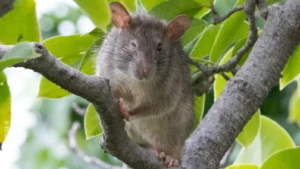
After eating this tiny sample, the rat waits for several hours (sometimes up to 24 hours) to see if it feels sick. If everything seems fine, it’ll eat a bit more next time. If it feels bad, it’ll avoid that food forever.
This learned avoidance is incredibly strong. A rat that got sick from a certain food will refuse to eat it again, even if they’re starving. They’ll even avoid foods that just smell or look similar to the one that made them sick.
Do Other Animals Share This Trait?
Rats aren’t the only animals that can’t vomit. Several other species share this trait, which suggests there might be some evolutionary advantage to it in certain situations.
Horses are probably the most well-known example of another animal that can’t throw up. They have a similar one-way valve system, and their esophagus connects to the stomach at an angle that makes backward flow impossible.
Other rodents like guinea pigs, rabbits, and mice also can’t vomit. This seems to be a common feature in many rodent species, suggesting it evolved early in their family tree.
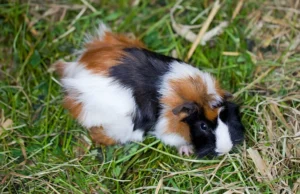
What most of these animals have in common is a plant-based or varied omnivore diet. They spend a lot of time carefully selecting food rather than eating quickly and vomiting if they make a mistake.
Can Anything Force a Rat to Vomit?
Given how dangerous it is for rats to not be able to vomit, you might wonder if there’s any drug or technique that could force it to happen anyway.
Scientists have tried many different approaches to induce vomiting in rats for research purposes. They’ve used every drug and technique known to cause vomiting in other animals. Nothing works.
You can give a rat substances that would make a human immediately throw up violently, and the rat won’t vomit at all. Their physical barriers and missing neural pathways make it literally impossible.
This complete inability to vomit, even when forced, is actually useful for medical research. Rats make good test subjects for studying drug absorption because you know the drug will definitely stay in their system.
What Happens to Rats That Eat Toxic Food
So if a rat eats something poisonous and can’t vomit it up, what actually happens to them? How does their body try to deal with the toxin?
The rat’s liver becomes the main line of defense. The liver filters blood and tries to break down toxic substances into less harmful compounds that can be eliminated through urine or feces.

Rats actually have pretty efficient livers for their size. They can process and neutralize many toxins that would be dangerous to other animals. But this process is slow and doesn’t work for all types of poison.
If the toxin is fast-acting or if there’s too much for the liver to handle, the rat will get sick and potentially die. There’s no quick way to get the poison out like vomiting would provide.
How This Affects Modern Rat Poison Design
Pest control companies have gotten really sophisticated about designing rat poisons that take advantage of the rat’s inability to vomit.
Modern rat poisons are designed to have delayed effects. They don’t make the rat feel sick immediately after eating them. Instead, the poison works slowly over several days.
This delay is crucial because of the rat’s cautious eating strategy. If the poison made them sick right away, they’d connect the poison bait with feeling bad and avoid it. But if several days pass before symptoms appear, the rat doesn’t make that connection.
So the rat keeps coming back and eating more poison, thinking it’s safe food. By the time they start feeling sick, they’ve already consumed a lethal dose that their body can’t expel through vomiting.
Why Pet Rats Need Extra Protection
If you have pet rats, understanding that they can’t vomit is super important for keeping them safe. This limitation means you need to be much more careful than you would with a cat or dog.
Things that might just make a dog sick for a day could kill a rat. Chocolate, certain houseplants, human medications, and cleaning products are all potential dangers that rats can’t protect themselves from by vomiting.
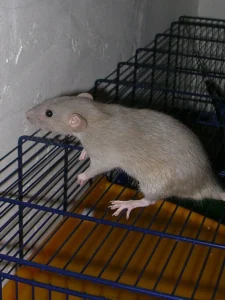
You need to rat-proof your home much more thoroughly than you would for other pets. Keep all potentially dangerous substances completely out of reach, not just “mostly” out of reach like you might do for a dog.
If your rat does eat something toxic, you can’t wait to see if they vomit it up or seem okay. You need to get to a vet immediately, because once it’s swallowed, it’s going to be absorbed into their system.
How Rats’ Strong Stomach Acid Helps
Even though rats can’t vomit, they’re not completely defenseless against bad food. One of their defenses is surprisingly strong stomach acid.
Rat stomach acid is much more acidic than human stomach acid. This powerful acid kills most bacteria and breaks down many toxins before they can be absorbed into the bloodstream.
This is why rats can often eat things that would make other animals sick. Spoiled food that’s full of bacteria might not bother a rat because their stomach acid kills the germs before they cause problems.
However, this doesn’t work for all toxins. Chemical poisons often survive the stomach acid just fine and get absorbed anyway. The strong acid helps with bacterial contamination more than with actual poison.
Can Rats Experience Nausea?
Since rats don’t have the brain circuitry for vomiting, you might wonder if they can even feel nauseated. Can they experience that sick, queasy feeling that usually comes before throwing up?
The answer is probably not in the way we experience it. Nausea in humans and other animals is closely linked to the vomiting reflex. It’s your body’s way of saying “I need to throw up soon.”
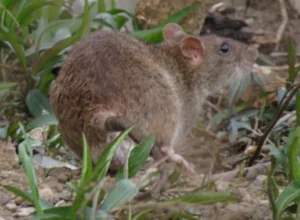
Since rats don’t have that vomiting reflex, they likely don’t experience nausea the same way. They might feel discomfort or pain in their stomach, but not that specific “I’m going to be sick” feeling.
This is actually another disadvantage for them. Nausea serves as an early warning system in other animals. Without it, rats might not realize they’ve eaten something dangerous until the damage is already done.
Do Rats Get Motion Sickness?
Here’s an interesting side effect of not being able to vomit: rats don’t experience motion sickness.
Motion sickness happens when there’s a mismatch between what your eyes see and what your inner ear (which controls balance) senses. This conflict triggers nausea and vomiting in most animals.
Since rats lack the neural pathways for nausea and vomiting, they can’t experience motion sickness. You could put a rat on a spinning wheel or take it on a boat, and it wouldn’t feel sick from the motion.
This has actually made rats useful for space research. NASA and other space agencies have used rats to study the effects of zero gravity without the complication of motion sickness affecting the results.
How Rats Eliminate Toxins Without Vomiting
Since vomiting isn’t an option, rats have to rely on their other elimination systems to get rid of toxins. These processes are slower but can still be effective for some types of poisoning.
The main route is through the liver and kidneys. The liver filters toxins from the blood and converts them into substances that can be eliminated. The kidneys then filter these substances out and send them to the bladder to be removed as urine.
Some toxins are also eliminated through bile, which goes from the liver into the intestines and eventually leaves the body in feces. This is a slower process than vomiting but can work for certain types of toxins.
The problem is that all these processes take time. A toxin might be causing damage while the liver is working to eliminate it. Vomiting would be faster, but rats just don’t have that option.
Why This Trait Hasn’t Killed Off Rats as a Species
Given how dangerous it is to not be able to vomit, you’d think rats would have gone extinct by now. But they’re actually one of the most successful mammal species on Earth. How did they manage this?
The key is their cautious eating behavior and other adaptations. Rats test new foods so carefully that they rarely consume lethal doses of toxins in the wild.
They also reproduce incredibly quickly. A female rat can have several litters per year, with up to a dozen babies each time. Even if some rats die from poisoning, the population can bounce back fast.
Plus, rats are smart enough to learn from the deaths of other rats. If one rat in a colony dies after eating something, the others often avoid that food. This social learning helps protect the whole group.
What Research Tells Us About Rat Vomiting
Scientists have studied the rat’s inability to vomit pretty extensively, both because it’s interesting and because it’s useful for research.
Studies have confirmed that it’s not just difficult for rats to vomit, it’s completely impossible. Even when researchers have surgically altered their anatomy or used powerful drugs, they can’t make it happen.
Research has also shown that the neural pathways for vomiting are completely absent in the rat brain. It’s not that these pathways are weak or underdeveloped, they simply aren’t there at all.
This research has helped scientists understand both how vomiting works in other animals and how rats have adapted to survive without this ability. It’s contributed to better treatments for nausea in humans and more effective pest control methods.
Conclusion
Rats can’t vomit because their anatomy, muscle structure, and brain wiring all prevent it from happening. The tight barrier between their esophagus and stomach, their weak diaphragm, and their missing neural pathways make vomiting literally impossible.
This limitation has shaped how rats eat, how they survive in the wild, and how pest control targets them. While it makes them vulnerable to poisoning, rats have developed incredibly sophisticated strategies to avoid eating dangerous things in the first place.
Understanding why rats can’t vomit helps explain their cautious eating behavior, why rat poison works so well, and how to properly protect pet rats from accidental poisoning. It’s a perfect example of how one physical limitation can shape an entire species’ behavior and survival strategy.

Hi, my name is Ezra Mushala, i have been interested animals all my life. I am the main author and editor here at snakeinformer.com.