
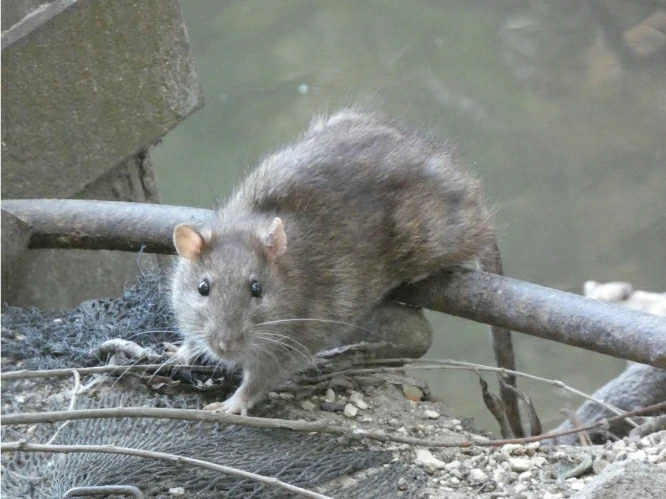
London is one of the world’s most famous cities, known for its history, culture, and landmarks. But if you’ve spent any time there, you’ve probably noticed something else: rats. Lots of them.
Whether you’re walking through the Underground, passing by a restaurant at night, or strolling through a park, you might spot these furry rodents scurrying around. So why are there so many rats in London?
London has a massive rat population because the city provides everything rats need to survive: endless food from waste and restaurants, a vast underground network of sewers and tunnels for shelter, and a dense human population that creates constant food sources. The city’s old infrastructure and mild climate make it a perfect home for millions of rats.
The combination of these factors has turned London into one of the most rat-friendly cities on the planet. With an estimated rat population that some experts believe matches or even exceeds the human population, these rodents have become an unavoidable part of city life.
London’s Infrastructure Is a Rat Paradise
London’s sewer system is one of the oldest in the world, with some sections dating back to the Victorian era. While this historic infrastructure is impressive, it’s also created the perfect environment for rats to thrive.
The sewer network stretches for thousands of miles beneath the city, providing rats with a warm, dark, and protected highway system.
Rats can travel across the entire city without ever coming above ground, moving from one food source to another through these underground tunnels.

But it’s not just the sewers. London also has countless old buildings with basements, crawl spaces, and gaps in their foundations. Many of these structures were built hundreds of years ago, and over time, they’ve developed cracks and holes that rats can easily squeeze through.
The Underground (London’s subway system) adds another layer to this problem. The warm tunnels, dropped food from commuters, and connection to the sewer system make
Tube stations particularly attractive to rats. If you’ve ever waited for a train late at night, you’ve probably seen them running along the tracks.
Food Waste Creates an All-You-Can-Eat Buffet
London produces an absolutely staggering amount of food waste every single day. With over 9 million people living in the city, plus millions more tourists visiting each year, the sheer volume of garbage is enormous.
Restaurants, cafes, pubs, and takeaway shops line nearly every street in central London. Each one produces food waste throughout the day, and not all of it makes it into secure bins.
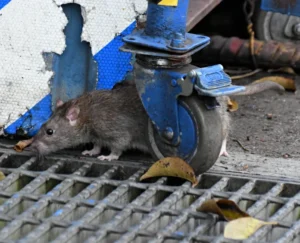
Even when waste is properly contained, rats are incredibly skilled at finding ways into bins, gnawing through plastic bags, and accessing the food inside.
Street bins overflow regularly, especially in busy areas like Leicester Square, Piccadilly Circus, and around major train stations. Late-night revelers drop food on the streets, and outdoor dining areas leave crumbs and scraps that rats feast on after dark.
The problem gets worse because London never really sleeps. There’s always someone eating, always restaurants preparing food, and always waste being produced. This constant supply of food means rats never have to struggle to find their next meal.
The Climate Helps Rats Survive Year-Round
Unlike cities with harsh winters that might kill off some of the rat population, London has a relatively mild climate. The city rarely experiences extreme cold, and winters are generally wet rather than freezing.

This moderate weather means rats can breed and survive throughout the entire year. They don’t face the population crashes that might happen in colder cities where winter kills off the weaker individuals.
When it does get cold, rats simply move deeper into the sewer system or into buildings where it’s warmer. The Underground stays warm year-round thanks to the heat generated by trains and the insulation of being underground, providing rats with a cozy winter home.
Summer months bring their own advantages for rats. Warmer weather means more people eating outdoors, more dropped food, and more opportunities to find meals. It also speeds up their breeding cycle, allowing populations to grow even faster.
Rats Breed Incredibly Fast in Urban Environments
One of the biggest reasons London has so many rats is simply how quickly they reproduce. A female rat can have up to 12 babies in a single litter, and she can have up to seven litters per year.

Do the math, and you’ll see how one pair of rats can turn into hundreds within a single year. When you multiply that across London’s entire rat population, the numbers become almost incomprehensible.
Urban environments like London actually help rats breed even faster than they would in the wild. The constant food supply means female rats stay healthier and can produce more litters. The warm, sheltered environments mean more babies survive to adulthood.
Young rats reach sexual maturity in just a few months, so each generation can start producing its own offspring almost immediately. This creates an exponential growth pattern that’s really hard for the city to control.
Why Don’t Pest Control Efforts Fix the Problem?
You might wonder why London doesn’t just get rid of all the rats. The city does have pest control programs, and local councils spend millions of pounds every year trying to manage the rat population.
But here’s the thing: killing rats is only a temporary solution. When you remove rats from an area, other rats quickly move in to take advantage of the available food and shelter. It’s like trying to empty the ocean with a bucket.
Poison can work in specific locations, but it’s not practical or safe to poison the entire sewer system or every building in London. Plus, rats are getting smarter and developing resistance to some common poisons.
Traps help with individual infestations, but they can’t address the city-wide population. For every rat caught in a trap, dozens more are breeding in the sewers below.
The only real solution would be to eliminate the rats’ food sources and seal up all the entry points into buildings, but that’s basically impossible in a city as old and densely populated as London.
Construction and Development Disturb Rat Colonies
London is constantly changing, with new construction projects happening across the city. While development might seem like it would reduce rat habitat, it actually does the opposite in the short term.

When workers dig up streets or demolish old buildings, they disturb existing rat colonies. These displaced rats scatter into surrounding areas, spreading out into neighborhoods that might not have had a rat problem before.
Construction sites themselves also attract rats. Workers often eat lunch on site and leave food waste behind. The disturbed earth and temporary structures create new hiding spots for rats to explore.
Major infrastructure projects like Crossrail (the Elizabeth Line) involved digging deep tunnels across London. This massive undertaking disturbed countless rat colonies and forced them to relocate, pushing them into areas where they came into more contact with humans.
Historical Factors Still Impact Today’s Rat Population
London’s rat problem isn’t new. The city has dealt with rats for centuries, and some of today’s issues stem from historical decisions about city planning and waste management.
During the Great Fire of 1666, much of London was destroyed and then rebuilt. While this presented an opportunity to create a rat-proof city, the rebuilding happened quickly and without modern pest control knowledge. Many buildings were constructed with gaps and spaces that rats could exploit.
The Victorian era brought the famous sewer system, which was a huge improvement for public health. But it also created the underground rat highway that still exists today. The Victorians couldn’t have predicted how perfectly their sewers would serve future rat populations.
World War II bombing damaged countless buildings across London, creating rubble-filled lots and damaged structures. Even though these sites have long since been cleared or rebuilt, the disruption helped establish rat populations in areas where they’ve remained ever since.
How Rats Move Through London Undetected
Rats are mostly nocturnal, which means they do most of their foraging and traveling at night when humans are less active. This is why you might not see rats during the day, even though they’re all around you.

They’re also incredibly cautious animals. Rats stick to shadows, move along walls, and freeze when they sense danger. Unless you’re specifically looking for them, you’ll often miss them even when they’re nearby.
The sewer system allows rats to move throughout the city completely hidden from view. A rat can travel several miles through the sewers without ever surfacing, appearing in one neighborhood in the morning and a completely different area by evening.
Buildings are connected in ways that create rat highways above ground too. Rats can move along rooflines, through shared walls between buildings, and across alleys without crossing open streets where they might be spotted.
The Size of London Makes Control Nearly Impossible
London covers over 600 square miles, making it one of the largest cities in Europe. Managing rat populations across such a massive area is an incredibly complex challenge.
Different boroughs have different levels of funding and different approaches to pest control. This lack of coordination means that even if one area successfully reduces its rat population, rats from neighboring areas quickly move in to fill the gap.
The city has countless property owners, from homeowners to massive corporations, each responsible for pest control on their own property. Getting everyone to work together on rat prevention is practically impossible.
Some areas of London are more heavily infested than others, but rats don’t respect boundaries. They move freely between residential, commercial, and industrial areas, spreading populations across the entire city.
Tourism and Nightlife Feed the Rat Population
London attracts over 30 million tourists every year, and each visitor contributes to the food waste that feeds rats. Tourist hotspots like Covent Garden, Camden Market, and the South Bank are particularly bad for rat activity.

Tourists often eat on the go, dropping food wrappers and crumbs as they walk. They’re less familiar with where bins are located, so litter tends to accumulate in areas with heavy tourist traffic.
London’s famous nightlife scene also plays a role. After pubs and clubs close, the streets are often littered with fast food containers, pizza boxes, and other food waste. Rats emerge in the early morning hours to feast on these leftovers.
Street food markets and outdoor events create temporary food sources that attract rats. Even after the event ends and the vendors leave, the smells and small bits of dropped food remain, drawing rats to these locations.
Why London’s Rat Problem Won’t Go Away Anytime Soon
The reality is that rats are now a permanent part of London’s ecosystem. They’ve adapted so well to urban life that they’re actually more successful in the city than they would be in rural areas.
Every factor that makes London a great city for humans also makes it perfect for rats. The density, the food, the infrastructure, and the climate all work in their favor.
Unless the city fundamentally changes how it handles waste and rebuilds its entire infrastructure, rats will continue to thrive.
Some scientists actually argue that trying to eliminate rats completely might not even be a good idea. Rats play a role in breaking down organic waste, and removing them entirely could create other problems.
The goal instead is to manage populations and keep them away from areas where they pose health risks.
New technologies and approaches to pest control are being developed, but rats are adaptable and intelligent. They learn to avoid traps and can develop resistance to poisons. It’s an ongoing evolutionary arms race that humans aren’t clearly winning.
Conclusion
London has rats because the city accidentally created the perfect environment for them to thrive. The combination of old infrastructure, constant food sources, mild climate, and dense population gives rats everything they need to survive and multiply.
The sewer system provides shelter and travel routes, while the city’s millions of residents produce endless food waste. Rats breed incredibly fast, and even intensive pest control efforts can’t keep up with their reproduction rates.
While London continues to fight against its rat population, the truth is that these rodents have become a permanent part of the city.
They’ve lived alongside Londoners for centuries, and they’re likely to remain for centuries more. Understanding why they’re there is the first step in learning to manage the problem, even if we can’t eliminate it completely.

Hi, my name is Ezra Mushala, i have been interested animals all my life. I am the main author and editor here at snakeinformer.com.