
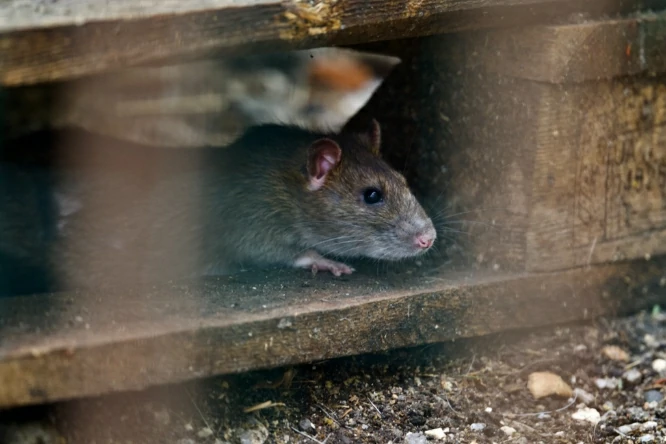
There’s something uniquely disturbing about hearing scratching and scurrying sounds coming from inside your walls. It’s even worse when you realize those sounds are caused by rats living in the wall cavities of your home.
Unlike rats in the attic or basement, rats in the walls feel more invasive because they’re literally between you and the outside world, moving through spaces you can’t easily access. So why are rats in my walls?
Rats move into wall voids because these hollow spaces provide protected travel routes throughout your home, shelter from predators and weather, easy access to multiple rooms for foraging, warmth from your home’s heating system, and safe nesting spots close to food and water sources. Wall cavities are like rat highways that let them move around your house undetected.
Your walls weren’t designed to keep rats out. They were built to support your home’s structure and provide insulation.
The gaps, channels, and voids created during construction are perfect for rats to exploit, giving them free run of your house while staying hidden from view.
Wall Voids Are Protected Highways Through Your Home
The main reason rats love living in walls is that wall cavities create a network of pathways that let them travel safely throughout your entire house. They can move from the basement to the attic without ever being exposed.
Most homes have hollow spaces between the interior and exterior walls, usually about 3 to 6 inches wide. These spaces run vertically from the foundation to the roof, with horizontal channels where floor joists connect. From a rat’s perspective, this is a multi-level highway system.

Rats can climb vertically inside walls by bracing themselves against opposite sides of the cavity or by gripping onto insulation, wiring, and pipes. They’re surprisingly good climbers and can easily scale the inside of a two or three-story house.
The darkness and enclosed nature of wall voids make rats feel safe. They’re protected from predators, hidden from humans, and sheltered from weather. It’s basically everything a rat wants in a living space.
Rats Enter Through Surprisingly Small Openings
You might be wondering how rats even get into your walls in the first place. The truth is, your home probably has dozens of small gaps and holes that you’ve never noticed, and rats are experts at finding them.

A rat can squeeze through any opening that its head can fit through, which is usually about half an inch wide. That’s roughly the size of a quarter. Look around your home’s exterior and you’ll probably spot multiple gaps this size or larger.
Common entry points include gaps where utility lines (water, gas, electrical, cable) enter your home, spaces around dryer vents, openings where pipes exit the house, cracks in the foundation, gaps under doors, broken or missing vent screens, and holes where old fixtures were removed but never properly sealed.
Once a rat finds one of these openings, it only takes them a few seconds to slip inside. They’re flat and flexible when they need to be, and they can contort their bodies to fit through surprisingly tight spaces.
Pipes and Wires Create Easy Climbing Routes
Inside your walls, rats have built-in climbing structures that make moving around even easier. Plumbing pipes, electrical wires, and HVAC ducts all run through wall cavities, and rats use these like jungle gyms.
Water pipes that run vertically through walls provide perfect climbing routes. Rats can wrap their bodies around pipes or brace against them while climbing.

The pipes also lead rats to multiple floors, giving them access to bathrooms and kitchens where water and food are available.
Electrical wiring creates problems beyond just providing climbing routes. Rats will chew on wire insulation, partly to keep their constantly growing teeth worn down and partly to access the copper inside (which they sometimes use as nesting material). This chewing creates serious fire hazards.
HVAC ducts that run through walls are like luxury corridors for rats. These metal channels are often large enough for rats to walk through comfortably, and they lead directly to vents in every room. Rats can use duct systems to access any part of your house.
Your Walls Stay Warm Year-Round
Temperature plays a big role in where rats choose to live, and your walls maintain a more stable temperature than outdoor spaces. Heat from your home radiates through interior walls, keeping the wall cavities warmer than the outside environment.
In winter, this warmth is especially attractive. While outdoor temperatures might drop below freezing, the space inside your walls stays relatively warm thanks to your heating system. Rats don’t have to work as hard to maintain their body temperature.
Insulation in your walls helps rats too, though not in the way it’s supposed to. While insulation is meant to keep heat inside your living spaces, it also provides rats with soft material to burrow into and use for nests. The insulation itself becomes both shelter and temperature control.
Even in summer, walls provide more stable temperatures than outdoor spaces. They’re cooler than direct sunlight but warmer than deep shade, creating a comfortable environment that rats prefer.
Wall Cavities Provide Easy Access to Food and Water
Rats don’t just live in your walls for shelter. The wall voids also give them convenient access to the food and water sources throughout your home. They can travel inside the walls and then emerge in kitchens, bathrooms, or pantries to forage.
Kitchens are especially attractive because they have both food and water. Rats can emerge from wall voids near cabinets, behind appliances, or under sinks.

They’ll forage for crumbs, get into food packages, and drink from leaky pipes or pet water bowls.
Bathrooms provide reliable water sources. Even if you keep your bathroom clean, condensation on pipes, drips under sinks, and water in toilet bowls give rats what they need. They can access these areas through gaps around pipes that go through walls.
Pantries and storage areas where you keep food are prime targets. Rats can smell food through packaging and walls. If they’ve established a nest in your walls, they’ll regularly travel to wherever you store food, emerging at night when you’re asleep.
Pet food left out overnight is an easy meal. If you feed your pets in a laundry room, mudroom, or garage, rats in nearby wall voids will quickly discover this food source and return to it regularly.
Gaps Behind Cabinets and Appliances Let Rats Come and Go
Even if your walls are filled with rats, you might never see them because they’re using hidden exit and entry points that you rarely check. The spaces behind built-in features are particularly problematic.
Kitchen cabinets are usually mounted to walls with gaps behind and underneath them. These gaps connect directly to wall cavities, letting rats move freely between the walls and your kitchen. You’d never know unless you pulled the cabinets away from the wall.
Refrigerators, stoves, dishwashers, and washing machines all have spaces behind and underneath them. These appliances are rarely moved, so rats can come and go through gaps in the wall without ever being spotted.
Bathroom vanities work the same way. There’s usually a gap where the pipes come through the wall and into the vanity cabinet. Rats can squeeze through these openings and access both the wall void and the space under your sink.
Built-in shelving, entertainment centers, and closet systems all create similar opportunities. Anywhere a fixture attaches to a wall, there’s a potential gap that rats can exploit.
Multiple Rats Can Live in Your Walls at Once
Wall voids aren’t just temporary hiding spots. Rats actually establish nests inside walls, and multiple rats can inhabit the same wall cavity network at the same time. A single pair of rats can quickly turn into a major infestation.

Female rats look for quiet, protected spots to have their babies, and wall cavities are perfect. They’ll gather insulation, paper, fabric, or other soft materials and build a nest inside the wall. In about three weeks, she’ll have 6 to 12 babies.
These baby rats will stay in the nest for about a month before they start exploring on their own. As they grow, they’ll continue using the wall voids as their home base, only venturing out to find food and water.
Within a few months, those babies are old enough to breed. If half of them are female and they each have their own litters, you can see how quickly a small problem becomes a serious infestation. Your walls can house multiple generations living in connected nests.
The Sounds You Hear Reveal What Rats Are Doing
Different noises coming from your walls can tell you what the rats are up to. Learning to identify these sounds helps you understand the extent of your problem and where rats are most active.
Scratching sounds usually mean rats are climbing or moving around inside the wall. You’ll hear this most often at night since rats are nocturnal.
The scratching might move up or down the wall as the rat climbs, or it might stay in one spot if the rat is gnawing on something.
Scurrying or running sounds indicate rats moving quickly, probably foraging or being chased by another rat. This sound often moves horizontally along walls at floor level or vertically as rats climb between floors.
Squeaking or chattering means multiple rats are communicating with each other. This often happens near nesting areas or when rats are fighting over territory or food. If you hear regular squeaking from one spot, there might be a nest with babies.
Thumping or bumping sounds happen when rats jump or fall inside wall cavities. This is more common with larger rats that have less room to maneuver. You might also hear this if a rat gets startled and panics.
Constant gnawing sounds are particularly concerning because they mean rats are chewing on something inside your wall, possibly electrical wiring, pipes, or wooden studs. This creates both structural damage and fire hazards.
Why You Might Smell Rats Before You See Them
Rats have a distinctive musky odor that gets stronger as their population grows. If you have rats living in your walls, you’ll probably smell them before you actually see one, especially if the infestation has been going on for a while.
Rat urine has a very strong ammonia smell that’s hard to miss once you know what it is. Rats urinate constantly as they move around, marking their territory with scent. Inside wall cavities, this urine soaks into insulation and wood, creating a persistent smell.
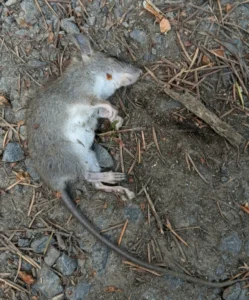
The smell gets worse near nesting areas where rats spend the most time. If you notice a particularly strong odor coming from a specific wall, there’s probably a nest behind it with multiple rats living there.
Dead rats create an even worse smell. If a rat dies inside your wall (from poison, old age, or getting stuck), the decomposition process produces a horrible rotting smell that can last for weeks. The smell peaks after about a week and then slowly fades as the body dries out.
Hot weather makes all these smells worse. Heat causes urine and decomposing materials to release more odor molecules, making the problem more noticeable during summer months.
Rats in Walls Cause Serious Damage You Can’t See
The hidden nature of wall voids means rats can cause extensive damage before you even realize there’s a problem. By the time you discover rats in your walls, they might have already destroyed insulation, wiring, and structural components.
Chewed electrical wiring is one of the most dangerous issues. When rats gnaw through wire insulation, it exposes bare copper that can arc and spark, potentially starting a fire.
Because this damage is hidden inside walls, you won’t know about it until either a fire starts or your electrical system fails.
Damaged insulation reduces your home’s energy efficiency. Rats tear up insulation to build nests and create tunnels through it, leaving gaps that let heat escape in winter and enter in summer. This drives up your heating and cooling costs.
Contaminated insulation becomes a health hazard. Rat urine and droppings soak into insulation material, and these contaminants can affect your indoor air quality.
Some of the diseases rats carry can become airborne when insulation is disturbed.
Chewed pipes can lead to water leaks inside your walls. Rats will gnaw on plastic pipes, and sometimes they’ll damage older metal pipes too. A slow leak inside a wall can go unnoticed for months, causing water damage, mold growth, and rot.
Weakened structural components are less common but still possible. If rats chew on wooden studs or other support structures over a long period, they can compromise the strength of your walls.
How Rats in Walls Affect Your Indoor Air Quality
You might think that because the rats are sealed inside your walls, they can’t affect the air you breathe in your living spaces. Unfortunately, that’s not true. Wall cavities aren’t completely isolated from the rest of your house.
Air circulates between wall voids and your living areas through small gaps around electrical outlets, light switches, baseboards, and ceiling fixtures.
As air moves through these spaces, it can carry particles from rat urine, droppings, and dander.
HVAC systems can spread contaminated air throughout your home if rats have accessed the ductwork. Return air vents might pull air from wall cavities, and supply vents can distribute it to every room.
Some people develop allergies or respiratory issues when rats are living in their walls. The constant exposure to rat allergens through the air can trigger asthma, cause persistent coughing, or lead to sinus problems.
The problem gets worse if a rat dies in your wall. As the body breaks down, it releases bacteria and other decomposition byproducts into the surrounding air, which can then filter into your home.
Why DIY Solutions Usually Don’t Work for Wall Rats
When people discover rats in their walls, the first instinct is often to set traps or buy poison and try to solve the problem themselves. While this might work for a single rat, wall infestations usually require professional help.
Traps need to be placed where rats can access them, which is hard when they’re living inside walls. You can’t put traps inside wall cavities without cutting holes in your walls, and setting traps in rooms doesn’t work if rats can get food without leaving the walls.
Poison creates its own problems when rats are in walls. If a rat eats poison and then dies inside a wall cavity, you’ll have a dead rat decomposing in a space you can’t reach. The smell can last for weeks, and there’s no way to remove the body without opening up the wall.
Finding and sealing entry points is harder than it looks. You need to inspect your entire home’s exterior, identify every gap and crack, and seal them properly. Missing even one hole means rats can keep getting in.
Removing rats from walls often requires creating access points, setting traps strategically, monitoring them daily, and then sealing everything up properly. This is time-consuming work that requires knowledge of rat behavior and building construction.
Professional Pest Control Is Usually Necessary
Professional pest control companies have the tools, knowledge, and experience to deal with rats in walls effectively. They can solve the problem in ways that DIY approaches can’t match.
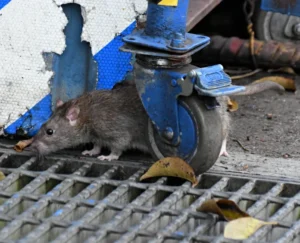
Professionals do thorough inspections to find all entry points and identify exactly where rats are active. They use tools like thermal imaging cameras and moisture meters to detect rat activity inside walls without having to open them up.
They know how to set traps in the most effective locations and how many traps are needed based on the size of the infestation. They’ll check traps regularly and adjust their strategy based on what’s working.
Many professionals offer exclusion services, which means they seal up all the entry points to prevent new rats from getting in. This is the most important step because it stops the cycle of re-infestation.
Some companies provide cleanup and sanitation services after removing the rats. This includes removing contaminated insulation, sanitizing affected areas, and replacing damaged materials. They have the protective equipment to do this safely.
Most professional services come with guarantees. If rats return within a certain period after treatment, they’ll come back and handle it at no extra charge. You don’t get that kind of assurance with DIY methods.
Conclusion
Rats move into your walls because the hollow cavities provide everything they need: protected travel routes, shelter from weather and predators, warmth from your home’s heating, and easy access to food and water.
The network of spaces created by your home’s construction is basically a perfect rat habitat.
They enter through small gaps you’ve never noticed, climb using pipes and wires as highways, and establish nests inside wall voids where they can raise multiple generations.
The sounds, smells, and damage they cause are just symptoms of a bigger problem that’s hidden from view.
What makes wall rats particularly challenging is that you can’t easily see the extent of the problem or access the spaces where they’re living.
Trying to handle it yourself usually fails because you can’t reach the rats or seal all the entry points. If you’re hearing rats in your walls, professional help is almost always the best solution to protect your home and your health.

Hi, my name is Ezra Mushala, i have been interested animals all my life. I am the main author and editor here at snakeinformer.com.