
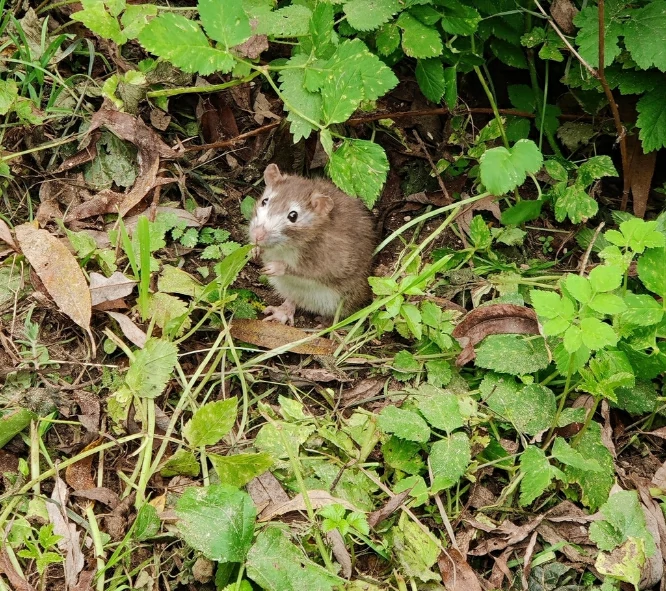
You work hard on your garden. You plant vegetables, water regularly, and keep things looking nice. Then one day you notice holes dug near your tomato plants.
You find droppings by the compost bin. Maybe you even spot a rat darting under the shed at dusk. Suddenly your peaceful garden has become a rat habitat, and you’re left wondering how this happened.
You don’t leave food out there. You keep things relatively tidy. So why are rats in my garden?
Rats are in your garden because gardens provide food (vegetables, fruits, seeds, compost), water (irrigation systems, ponds, standing water), shelter (sheds, dense plants, woodpiles), and cover from predators, creating an ideal habitat that meets all their survival needs in one convenient location.
Your garden isn’t being singled out. It just happens to offer everything a rat needs to thrive. Understanding what’s attracting them is the first step to getting rid of them.
What Food Sources Attract Rats to Gardens?
Rats are omnivores that eat just about anything, and gardens are basically buffets from their perspective. The variety of food available is probably the main reason they’re there.
Vegetables are obvious attractors. Tomatoes, squash, cucumbers, peppers, and leafy greens all appeal to rats. They’ll eat ripe produce, but they’ll also nibble on young plants and even dig up seeds before they sprout.
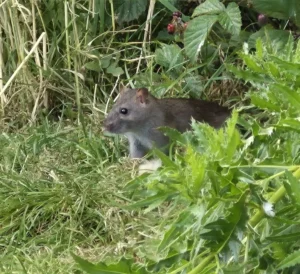
Fallen fruit is like candy for rats. If you have fruit trees or berry bushes, anything that drops to the ground becomes rat food. Apples, pears, berries, figs, and citrus all attract them.
Seeds from bird feeders or planted crops bring rats in. Sunflower seeds, corn, and other seeds are high-energy foods rats actively seek out. Even seeds you’ve planted in the ground aren’t safe. Rats will dig them up.
Compost bins are rat magnets if not managed properly. Food scraps, plant waste, and the warmth generated by decomposition all appeal to rats. A poorly maintained compost pile is basically a rat restaurant.
Pet food left outside for outdoor cats or dogs gets eaten by rats too. If you feed animals in the garden, rats will show up for free meals.
Nuts from trees (walnuts, pecans, almonds) attract rats from surrounding areas. They’ll collect and store nuts for later, which means they’ll stick around your garden long-term.
How Does Water Availability Draw Rats In?
Food gets the most attention, but water is just as critical for rats. They need to drink daily, and gardens often provide easy access.
Irrigation systems create consistent water sources. Drip lines, sprinklers, and soaker hoses all produce water that collects in puddles or saturates soil. Rats learn these schedules and show up at watering time.

Ponds and water features are obvious water sources. Even small decorative ponds or birdbaths give rats the water they need. They’ll drink from these every day if available.
Leaky hoses or faucets create permanent water sources. A dripping outdoor faucet or a hose with a slow leak provides enough water for multiple rats indefinitely.
Standing water in plant saucers, buckets, or low spots in the yard gives rats drinking opportunities. Even small amounts of water are enough when they’re reliably present.
Pet water bowls left outside are used by rats just as much as by your pets. That bowl of water for your dog is refreshing rats all night while you sleep.
The combination of food and water in one location makes gardens especially attractive. Rats that find both don’t have to travel far for daily needs, so they set up territories nearby.
What Garden Structures Provide Shelter for Rats?
Beyond food and water, rats need safe places to nest and hide from threats. Most gardens have multiple structures that serve this purpose perfectly.
Sheds and outbuildings offer protection from weather and predators. If there are any gaps in the walls or floor, rats will get inside and nest. Even small storage sheds become rat condos.
Woodpiles stacked anywhere in the garden create ideal rat habitat. The gaps between logs provide shelter, and predators can’t easily reach rats hiding inside. The wood stays relatively dry, making it even better.
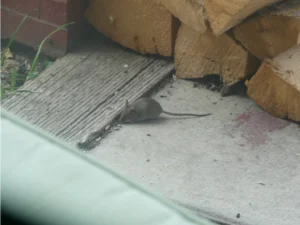
Dense vegetation and overgrown areas give rats cover as they move around. Thick bushes, tall grass, and plants growing close to the ground all hide rat movement from hawks, cats, and humans.
Raised garden beds, especially wooden ones, create spaces underneath where rats can burrow and nest. The area is protected from rain and offers easy access to the vegetables growing above.
Rock walls, stone borders, and landscaping rocks create gaps and crevices rats use for temporary shelter and travel routes. These structures connect different parts of the garden while providing cover.
Ground-level deck spaces and porches give rats protected areas to nest. If there’s a deck in or near your garden and it’s not sealed underneath, rats will move in.
Why Are Compost Bins Such Strong Attractants?
Compost deserves special attention because it’s one of the most powerful rat attractants in any garden. Understanding why helps you either protect it or relocate it.
Food scraps in compost provide concentrated nutrition. Vegetable peelings, fruit waste, and plant material are all rat food. The variety and quantity make compost irresistible.
Heat generation from composting creates warmth rats seek out, especially in cooler weather. A working compost pile can be 20-30 degrees warmer than the surrounding air. Rats burrow into it for warmth.
Cover from the compost material itself hides rats while they feed. They can dig into the pile, eat their fill, and be completely hidden from predators. It’s both restaurant and fortress.
Moisture in compost means rats don’t just find food but water too. Decomposing material holds moisture, giving rats everything they need in one spot.
Easy digging is another factor. Compost is loose and easy to burrow through, unlike hard-packed soil. Rats can quickly create tunnels and nests inside or beneath compost bins.
The smell advertises food from far away. Decomposing organic matter creates scents that travel. Rats can smell a compost pile from blocks away and come investigate.
How Do Garden Layouts Affect Rat Activity?
The way you’ve designed and organized your garden influences whether rats find it attractive and easy to live in. Some layouts are rat magnets.
Gardens with dense plantings and no open spaces give rats cover to move around safely. If the entire garden is packed with plants touching each other, rats have protected highways throughout.

Proximity to other rat habitat matters. If your garden is next to vacant lots, fields, parks, or waterways, you’re getting overflow from established rat populations in those areas.
Gardens against buildings or fences provide rat shelter on one side while food grows on the other. This combination is ideal from a rat’s perspective. They nest against the structure and forage in the garden.
Circular or enclosed gardens trap rats inside once they enter. While you might think this makes them easier to eliminate, it actually concentrates activity and makes the space more appealing as territory.
Multiple levels (raised beds, trellises, vertical gardens) create hiding spots at different heights. Rats are good climbers and will use all available vertical space if it provides food or shelter.
Gardens with clear sightlines and minimal cover are less attractive. Rats feel exposed and vulnerable in open areas with short grass and few hiding spots.
What Role Does Garden Maintenance Play?
How well you maintain your garden directly affects whether rats move in and stay. Neglected gardens are rat paradise, while well-maintained ones are less appealing.
Overgrown areas with tall weeds and grass hide rat movement and provide nesting material. Rats love gardens where the owner has let things go wild because it means less human activity and more cover.
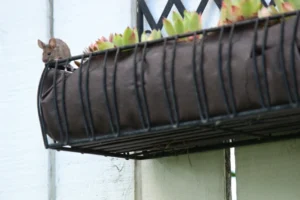
Harvesting produce promptly removes food sources. Leaving ripe vegetables to rot on the vine or fallen fruit to sit on the ground is basically setting out a buffet.
Regular weeding keeps areas open and visible. Dense weed growth provides exactly the kind of low, thick cover rats prefer for moving around safely.
Trimming back plants that touch buildings or structures removes rat highways. When plants grow right against sheds or fences, rats use them as covered routes.
Cleaning up debris (old pots, lumber, garden waste) eliminates hiding spots. Every pile of stuff in your garden is a potential rat shelter.
Frequent garden activity makes rats nervous. If you’re in the garden daily watering, weeding, and harvesting, rats feel less secure and may choose somewhere quieter.
What Time of Day Are Rats Active in Gardens?
Knowing when rats are active helps you spot them and understand why you might not have seen them even though they’re there.
Rats are primarily nocturnal. Most garden rat activity happens from dusk to dawn when the garden is dark and humans aren’t around. This is when they forage, dig, and move between nesting areas and food sources.
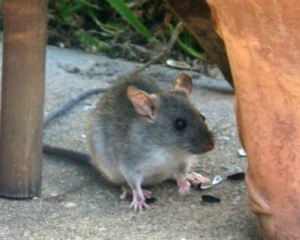
Dawn and dusk are peak activity times. These twilight periods offer some light but also shadows and reduced human activity. You’re most likely to see rats during these transition times.
Daytime activity is unusual but possible. If rats are very hungry, if the population is large, or if they feel safe, some will come out during the day. Seeing rats in daylight often indicates a serious infestation.
Cloudy days might see more daytime activity than sunny days. Rats feel more concealed under cloud cover. Bright, sunny days keep them underground longer.
Quiet periods draw rats out earlier. If you haven’t been in your garden for a few days, rats might get bolder and start foraging while it’s still light outside.
Understanding this schedule explains why many people don’t realize they have rats. You’re in the garden during the day. Rats use it at night. You might never cross paths even though they’re regular visitors.
Why Do Rats Prefer Certain Plants?
Not all garden plants are equally attractive to rats. Knowing what they prefer helps you understand their behavior and potentially adjust what you grow.
Sweet vegetables get targeted most. Tomatoes, corn, and sweet peppers are rat favorites. The sugar content makes them more appealing than bitter or bland vegetables.
Soft fruits are easier to eat than hard ones. Berries, figs, and stone fruits get eaten more than apples or pears (though those get eaten too). Rats go for what’s easiest to consume first.
Root vegetables might seem safe underground, but rats will dig them up. Carrots, potatoes, and beets all get eaten or damaged by digging rats.
Herbs with strong smells don’t deter rats as much as people think. While some herbs might be less preferred, hungry rats will eat almost anything. Don’t count on herbs to keep rats away.
Nuts and seeds are high on rat preference lists. Sunflowers, pumpkin seeds, and tree nuts are sought after. Rats will travel significant distances for these high-energy foods.
Leafy greens get nibbled but aren’t always favorites. Lettuce, kale, and spinach might be ignored if better options are available. But in gardens with limited choices, rats will eat these too.
What Signs Indicate Rats Are Using Your Garden?
You might have rats without seeing them directly. Learning to recognize the signs helps you catch problems early before they get worse.
Droppings are the most common sign. Rat droppings look like dark grains of rice, about 1/2 inch long. Finding them near plants, along fences, or by sheds means rats are present.
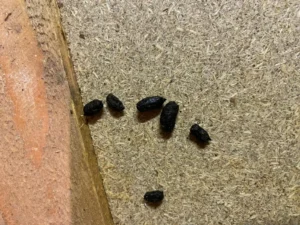
Runways appear in grass or mulch. Rats use the same paths repeatedly, creating worn trails. These runways are usually along walls, fences, or under vegetation where rats feel protected.
Gnaw marks on vegetables show distinctive rat damage. They’ll nibble chunks out of tomatoes, corn, or other produce, often ruining more than they actually eat.
Burrow holes near plants or structures indicate active rat habitat. Fresh holes with loose dirt nearby mean rats are currently using those burrows.
Grease marks along walls or fences come from rats’ oily fur. Repeated contact leaves dark smudges showing travel routes.
Disturbed mulch or soil suggests digging activity. Rats searching for food or creating caches leave small areas of disturbed ground.
Missing vegetables or fruit that disappear overnight are suspicious. If produce that was almost ripe vanishes completely, rats (or other wildlife) are taking it.
Can Certain Garden Features Deter Rats?
While no garden is completely rat-proof, some features make gardens less attractive and harder for rats to use effectively.
Open, well-lit spaces make rats uncomfortable. They prefer cover and darkness. Gardens designed with clear sightlines and minimal hiding spots are less appealing.
Gravel or stone mulch instead of organic mulch provides less cover. Rats can still cross it, but they feel more exposed. Organic mulch (wood chips, straw) provides better hiding opportunities.
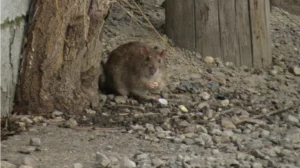
Elevated garden beds on legs keep vegetables away from ground-level rats. Beds raised 18+ inches with no access underneath make vegetables harder to reach.
Smooth barriers around beds can slow rats down. Metal edging or smooth plastic around beds is harder to climb than rough wood or stone.
Motion-activated lights startle rats and make them feel exposed. Rats will still enter lit gardens, but they’re warier and spend less time foraging.
Regular disturbance from garden activity keeps rats nervous. Gardens that are used daily for long periods are riskier for rats than gardens visited briefly once a week.
Clear zones around structures prevent rats from moving unseen between buildings and gardens. Keeping a 2-3 foot gap of mowed grass between sheds and planted areas removes cover.
What Should You Do First When You Discover Rats?
Finding out you have rats in your garden can trigger panic, but a systematic approach works better than random action.
Don’t immediately start setting traps everywhere. First, assess the situation. Figure out what’s attracting them, where they’re nesting, and how bad the problem is.
Remove obvious food sources right away. Harvest ripe produce, pick up fallen fruit, secure compost, and stop leaving pet food outside. Cut off the food supply first.
Eliminate water if possible. Fix leaky faucets, dump standing water, and remove pet water bowls at night. Making water harder to find encourages rats to go elsewhere.
Clear hiding spots and cover. Trim vegetation, remove woodpiles (or move them away from the garden), clean up debris, and create open spaces that rats have to cross.
Identify and seal burrow entrances. Fill holes with dirt, but be aware rats might just dig new ones. Repeated filling can discourage them over time.
Then start trapping. Use snap traps or live traps placed near runways and burrows. Bait with peanut butter. Check and reset daily.
Consider professional help if the problem is severe. Gardens connected to serious home infestations or large rat populations need professional pest control.
Conclusion
Rats are in your garden because it provides food (vegetables, fruits, seeds, compost), water (irrigation, ponds, leaks), shelter (sheds, woodpiles, dense vegetation), and safety from predators.
Gardens accidentally create ideal rat habitat by concentrating resources in a protected space.
Your specific garden has rats because it meets these needs well enough and because rats in the area discovered the resources you’ve provided.
It’s not personal and it’s not about being dirty or lazy. Gardens are naturally attractive to rats.

Hi, my name is Ezra Mushala, i have been interested animals all my life. I am the main author and editor here at snakeinformer.com.