
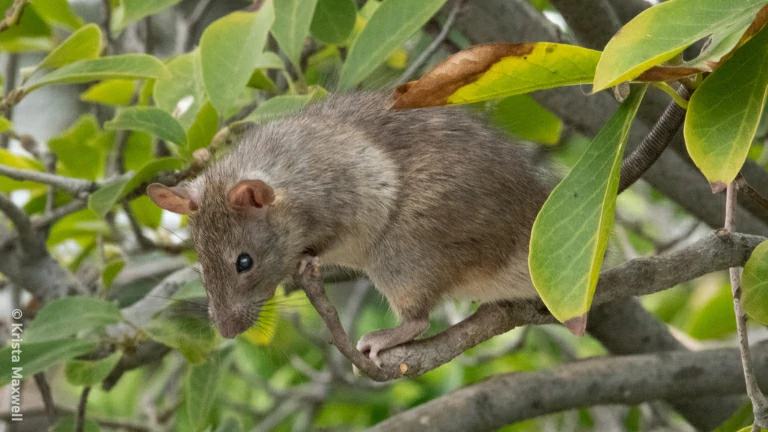
Alberta is the only large populated region in the world that’s essentially rat-free. While cities everywhere else battle constant rat infestations, Alberta has managed to keep these pests out for decades.
This is actually pretty amazing when you think about how rats live almost everywhere else humans do. But why are there no rats in Alberta?
There are no rats in Alberta because the province runs an aggressive rat control program that’s been in place since 1950. The program works because Alberta’s geography creates natural barriers (mountains to the west, cold climate to the north), there’s only one main entry point for rats (the eastern border with Saskatchewan), and the government responds immediately to any rat sighting with inspection teams and extermination. This combination of geography, aggressive prevention, and quick response has kept Alberta rat-free for over 70 years.
Alberta’s success isn’t luck or accident. It’s the result of careful planning, constant work, and a commitment to keeping rats out that’s lasted for generations.
The History of Alberta’s Rat-Free Status
Alberta wasn’t always rat-free. The story of how the province became rat-free is actually really interesting and shows how important timing and commitment are.
Norway rats (the common brown rat) spread across North America from east to west after arriving on ships from Europe. By the 1950s, they’d reached Saskatchewan, Alberta’s neighbor to the east.
In 1950, rats were discovered in Alberta for the first time, near the Saskatchewan border. They were moving west with grain shipments and along railway lines.
Alberta’s government saw what was happening in other provinces and states where rats had taken over, and they made a bold decision.
Instead of accepting rats as inevitable, Alberta decided to stop them completely. The provincial government created the Rat Control
Program in 1950, just as rats were starting to establish themselves. This timing was critical – they acted before rats could spread throughout the province.
The program started with a 29-kilometer (18-mile) wide control zone along the entire eastern border with Saskatchewan. This zone became the front line in the war against rats, and it’s still maintained today.
How Alberta’s Geography Helps Keep Rats Out
Alberta got lucky with its geography. The province’s natural features make it easier to keep rats out compared to most other places.
To the west, the Rocky Mountains create a massive natural barrier. Rats can’t easily cross these mountains, especially the higher elevations where the climate is too harsh.
This means Alberta only has to worry about rats coming from the east.
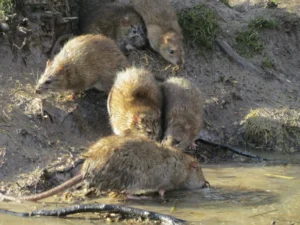
To the north, the climate becomes too cold even for rats.
While rats can survive in cold climates if they have buildings to hide in, the sparse population and harsh conditions in northern Alberta make it nearly impossible for rats to establish themselves.
The eastern border with Saskatchewan is basically flat prairie. This might seem like a disadvantage, but it actually helps.
There are no mountains or dense forests to hide rat populations. The open landscape makes it easier to spot rats and respond quickly.
Alberta is also relatively isolated from major shipping ports. Unlike coastal cities that get constant ship traffic (and the rats that come with ships), Alberta’s landlocked location means fewer opportunities for rats to arrive from overseas.
The Rat Control Program and How It Works
Alberta’s Rat Control Program is one of the most successful pest control efforts in the world. Understanding how it works shows why it’s been so effective.
The program employs pest control specialists who patrol the eastern border zone constantly. These aren’t just regular inspectors – they’re specifically trained to find and eliminate rats.
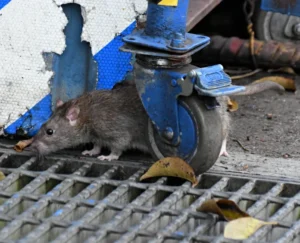
Every single report of a rat sighting gets investigated immediately. If someone calls in a possible rat, a specialist arrives quickly to confirm whether it’s actually a rat (people sometimes mistake other animals for rats) and to deal with it if it is.
When rats are confirmed, the response is aggressive. The entire area gets searched thoroughly. Buildings, farms, and any potential hiding spots within a wide radius get inspected.
Any rats found are killed immediately using traps, poison, or other methods.
The program also focuses on prevention. Inspectors check grain storage facilities, farms, and other places where rats might arrive or hide.
They educate property owners about keeping their land rat-proof.
Border inspections are another key part. Vehicles, especially trucks carrying grain or other materials from Saskatchewan, get checked for signs of rats before they’re allowed to fully enter the province.
Why Public Cooperation Is Critical
The program only works because regular people help. Alberta residents are aware of the rat-free status and take it seriously.
Albertans are taught from a young age what rats look like and how to tell them apart from similar animals like voles, mice, or muskrats. This education means people can accurately report actual rats instead of false alarms.
When someone spots what might be a rat, they’re encouraged to report it immediately to the provincial agriculture department.
There’s no penalty for false reports – officials would rather check out 100 false sightings than miss one real rat.
Property owners in the control zone (along the Saskatchewan border) are required by law to keep their land rat-free. This includes proper grain storage, eliminating rat hiding spots, and allowing inspectors onto their property.
Farmers especially are cooperative because they understand the economic benefits of being rat-free. Grain storage without rat contamination is worth a lot of money. The lack of rats also means less disease risk for livestock.
The Economic Benefits of Being Rat-Free
Staying rat-free isn’t just about pride or cleanliness. There are real, measurable economic advantages that make the program worth the money it costs.
Alberta saves millions of dollars every year in rat damage prevention. Buildings don’t need rat-proofing. Stored grain doesn’t get contaminated. Electrical fires from rats chewing wires don’t happen. These savings add up to way more than the program costs.

The agriculture industry especially benefits. Alberta’s grain can be marketed as rat-free, which is valuable in international trade. Storage facilities don’t lose product to rat consumption or contamination.
Health care costs are lower too. Diseases that rats carry and spread don’t exist in Alberta the way they do in other places. This means fewer disease outbreaks and lower public health costs.
Property values stay higher without rats. Buildings and neighborhoods don’t get devalued by rat infestations. Insurance costs can be lower too since rat damage isn’t a concern.
Tourism and Alberta’s reputation benefit as well. Being the only rat-free place of its size in the world is unique and makes Alberta seem cleaner and better-managed than other places.
Challenges the Program Faces
Despite its success, keeping Alberta rat-free isn’t easy. The program faces ongoing challenges that require constant work.
Climate change is making Alberta’s climate warmer, which could make it more suitable for rats. Milder winters mean rats might survive better if they get established. The program has to adapt to these changing conditions.
Increased trade and travel mean more opportunities for rats to arrive. Every truck, train, and shipment from areas with rats is a potential carrier. As Alberta’s economy grows, this risk increases.
Urban sprawl and development sometimes make the eastern border control zone harder to maintain. As towns grow and new developments appear, there are more places for rats to potentially hide.
Budget pressures sometimes threaten the program’s funding. In tough economic times, some people question whether the program is worth the cost. Advocates have to constantly remind people of the economic benefits.
False reports are both good and bad. It’s good that people are vigilant, but investigating every report of a “rat” that turns out to be a mouse or vole takes time and resources.
What Happens When Rats Are Found
Even with all the prevention, rats occasionally make it into Alberta. What happens next shows how serious the province is about staying rat-free.
The most recent significant rat detection was in 2020 in a landfill near the Saskatchewan border. The response was immediate and overwhelming. The area was cordoned off and intensively searched.
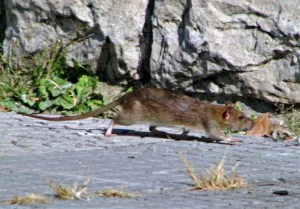
Inspection teams don’t just deal with the rats they find. They search a wide area around any confirmed sighting, sometimes for weeks. They’re looking for any evidence that rats might have established a breeding population.
Traps and bait stations get set up throughout the affected area. These stay in place for months after the last rat is caught to make sure no survivors remain.
Properties where rats are found get deep inspections. Every possible hiding spot, burrow, or nest gets investigated. Sometimes this means moving stored materials, clearing vegetation, or even making structural changes to buildings.
The goal isn’t just to kill the rats that are visible. It’s to completely eliminate any possibility that rats could breed and establish a permanent population.
Comparing Alberta to Everywhere Else
Looking at other places makes Alberta’s achievement even more impressive. Almost nowhere else has managed to stay rat-free.
New Zealand has attempted rat eradication on some smaller islands with success, but the entire country still has rats. Island eradication is easier than maintaining rat-free status in a large, landlocked area with borders to cross.
Some Arctic communities are rat-free, but that’s due to extreme cold and isolation, not active control programs. If conditions changed, rats could potentially move in.
Cities worldwide spend billions fighting rats and losing. New York, London, Paris, and basically every other major city has massive rat populations that keep growing despite extensive control efforts.
Even places with tough pest control regulations still have rats. It’s one thing to control rat populations and another thing entirely to keep them out completely like Alberta does.
The difference is that Alberta acted before rats became established. Once rats have a breeding population in an area, getting rid of them completely is nearly impossible. Alberta’s success came from preventing establishment, not trying to eliminate existing populations.
The Role of Technology and Innovation
The Rat Control Program has modernized over the decades, using new technology to stay effective.
Trail cameras and motion-activated surveillance help monitor the border zone. These cameras can detect rats moving through areas, even at night when visual patrols can’t see them.

DNA testing can confirm whether droppings or other evidence actually came from rats. This helps distinguish rats from other rodents and can even tell where rats might have come from based on genetic markers.
Better poisons and traps have been developed specifically for the program. These are more effective and safer for non-target animals than older methods were.
Data tracking and mapping technology helps the program identify patterns. If rats are found in certain areas repeatedly, resources can be focused there. Historical data helps predict where future incursions might happen.
Communication technology means reports can come in 24/7 through hotlines, apps, and websites. The faster a rat sighting gets reported, the better chance of stopping it before it breeds.
Education and Awareness Campaigns
Keeping people informed and aware is a huge part of maintaining rat-free status. The program invests heavily in education.
School programs teach Alberta kids about rats and why keeping them out matters. Children learn to identify rats, understand the reporting process, and appreciate the rat-free status they’re growing up with.
Public service announcements run regularly, especially in the border regions. These remind people to report sightings and explain how to distinguish rats from similar animals.
Agricultural training programs include rat identification and prevention. Farmers and ranchers learn how to keep their operations from attracting rats and what to do if they suspect rats.
The program maintains an active presence on social media and through traditional media. News about rat finds and program successes keep the issue in public awareness.
Informational materials are distributed to new residents, especially immigrants from countries where rats are common. These people might not realize how serious Alberta is about staying rat-free.
Why Other Places Can’t Copy Alberta’s Success
Many places have looked at Alberta’s success and wondered why they can’t do the same thing. There are several reasons why Alberta’s program is hard to replicate.
Timing is the biggest factor. Alberta acted when rats were just arriving, before they established breeding populations. Most places already have rats everywhere, and eliminating established populations is basically impossible.
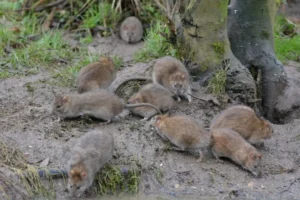
Geography matters too. Alberta’s natural barriers and single entry point make control feasible. Places surrounded by rat-infested areas on all sides can’t create an effective border control zone.
Political will and sustained funding are required. Alberta has maintained its program for over 70 years through different governments and economic conditions. Most places can’t maintain that kind of long-term commitment.
Public buy-in is critical. Albertans take pride in being rat-free and actively participate. In places where rats are already normal, getting people to care enough to report sightings and cooperate with control efforts is much harder.
The cost-benefit calculation is different for Alberta. The program costs money, but it saves more. For places with established rat populations, spending the same money would only reduce rats, not eliminate them. The return on investment isn’t as clear.
The Future of Alberta’s Rat-Free Status
Looking ahead, maintaining rat-free status will require continued effort and adaptation to new challenges.
Climate change could be the biggest threat. As temperatures warm and winters become milder, rats might find Alberta more hospitable. The program will need to adapt its strategies for a changing climate.
Increased globalization and trade means more potential entry points for rats. Every new shipping route, border crossing, or trade relationship creates risk that needs to be managed.
Invasive species management is getting more attention worldwide, and Alberta’s program could serve as a model. Sharing knowledge and techniques with other places dealing with invasive species helps everyone.
Continued funding will always be a challenge, especially during economic downturns. Advocates need to keep demonstrating the program’s value and economic benefits to maintain support.
New technologies might make the program even more effective. Better detection methods, more targeted control techniques, and improved surveillance could strengthen Alberta’s defenses against rats.
Conclusion
There are no rats in Alberta because the province implemented an aggressive rat control program in 1950, right when rats were first arriving from Saskatchewan.
The program has been maintained continuously for over 70 years through constant border monitoring, immediate response to any rat sighting, public cooperation, and favorable geography.
Alberta’s success came from acting early, before rats could establish breeding populations.
This timing, combined with natural barriers like the Rocky Mountains to the west and harsh climate to the north, made keeping rats out achievable when it would have been impossible in most other places.
The program works because everyone participates. Government inspectors patrol the border zone, property owners maintain rat-proof conditions, and regular citizens report any suspected rat sightings immediately. This combination of professional pest control and public vigilance catches rats before they can breed.
Being rat-free provides real economic benefits that far outweigh the program’s costs. Alberta saves millions in agricultural losses, property damage, and disease prevention every year. This makes the program not just a matter of pride but a smart economic investment.
Alberta’s rat-free status shows what’s possible with commitment, good timing, favorable geography, and sustained effort
. While other places probably can’t replicate this success (because they already have established rat populations), Alberta proves that keeping a large area completely rat-free is achievable with the right approach.

Hi, my name is Ezra Mushala, i have been interested animals all my life. I am the main author and editor here at snakeinformer.com.