
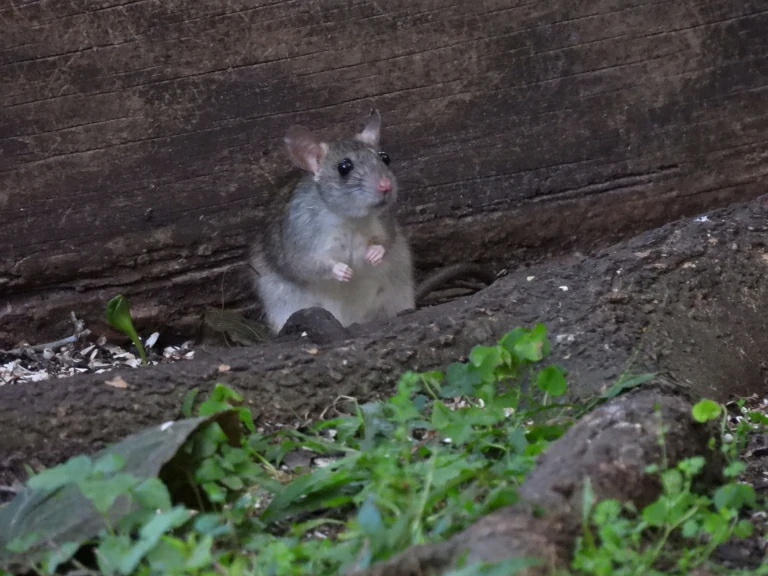
You put out rat poison expecting it to solve your rat problem quickly, but the bait sits there untouched day after day. Meanwhile, you’re still seeing rats, finding fresh droppings, and dealing with damage to your property.
It’s frustrating to invest time and money into a solution that doesn’t seem to work. Understanding why rats aren’t taking the bait is the first step to actually solving your rat problem. So why are the rats not eating the poison?
Rats avoid poison for several reasons: they have better food sources available, they’re naturally cautious of new objects in their environment (called neophobia), the poison is placed in the wrong location, it’s old or contaminated, or the rats in your area have become bait-shy from previous poisoning attempts.
Getting rats to eat poison isn’t as simple as just putting it out and waiting. You need to understand rat behavior and make the poison more appealing than whatever else they’re eating.
Rats Are Finding Better Food Sources
The most common reason rats ignore poison is that they have access to better-tasting, more familiar food sources. From a rat’s perspective, why risk eating something new when there’s food they already know and trust?
If you have easily accessible garbage, rats will choose that over bait stations every time. Garbage provides variety and familiar smells that rats recognize as safe food.
Pet food left out overnight is incredibly attractive to rats. It’s fresh, nutritious, and if pets are eating it regularly, rats learn that it’s safe.
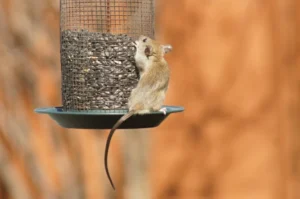
Bird feeders and spilled bird seed create constant food sources that rats prefer over poison bait. The seeds are small, easy to carry away, and rats can eat them without exposing themselves in one spot for long.
Compost bins full of food scraps are like all-you-can-eat buffets for rats. They can find fruits, vegetables, and other organic matter that tastes better than commercial rat bait.
Fruit trees with fallen fruit on the ground give rats natural food they’re programmed to seek out. Fallen figs, oranges, apples, or berries beat poison bait every time.
In homes, crumbs, unsealed pantry items, and food left on counters provide constant snacking opportunities. Rats will fill up on these easy pickings before they ever consider eating poison.
The key lesson is that poison only works if it’s the most attractive food available. If rats have alternatives, they’ll choose those first.
Neophobia: Rats Are Scared of New Things
Rats are naturally suspicious of new objects in their environment. This survival instinct, called neophobia, means rats often avoid anything new or unfamiliar for several days or even weeks.
When you first put out bait stations or poison blocks, rats notice them immediately. But their instinct tells them to be cautious rather than curious.
Rats will often circle around new objects, sniff them from a distance, and watch them for days before actually approaching. They’re checking to see if the new object is dangerous.
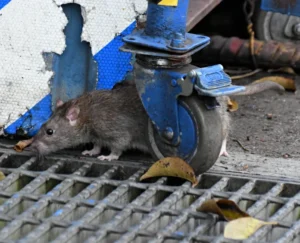
This cautious behavior evolved because rats that ate unfamiliar foods or entered unfamiliar situations were more likely to encounter predators or poison. The rats that survived were the cautious ones, and they passed this trait to their offspring.
Dominant, older rats are usually more neophobic than young rats. Young rats are more willing to try new things, which is why sometimes you’ll find that poison starts working after a week or two when younger rats finally take the bait.
The longer a rat population has been in an area, the more cautious they become. Rats in urban areas that have been exposed to pest control efforts for generations are especially wary.
To overcome neophobia, you need to leave bait stations in place without the actual poison for several days. Let rats get used to seeing them, smelling them, and even entering them before you add the toxic bait.
Wrong Placement of Poison Bait
Even if your poison is fresh and appealing, rats won’t eat it if it’s in the wrong location. Rats have specific travel patterns and preferences for where they feed.
Rats travel along walls and edges, not across open spaces. If you put bait in the middle of a room or open area, rats probably won’t find it because they don’t go there.
Active rat runways are the best places for bait stations. These are the paths rats use repeatedly, which you can identify by greasy rub marks on walls, droppings, and tracks in dust.
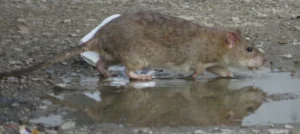
Rats need to feel safe while feeding. If bait is in a brightly lit area, in a high-traffic human zone, or somewhere exposed to predators, rats won’t eat there even if they’re hungry.
Vertical placement matters too. While Norway rats (the most common type) stay near ground level, roof rats climb and might not come down to ground-placed bait. If you have roof rats, put bait in elevated locations.
Distance from nests affects bait consumption. Rats prefer to feed close to their nesting areas. If bait is too far from where they live, they might not travel to it.
Competition from better-placed food sources means your poison gets ignored. If rats can get food from your kitchen garbage that’s 5 feet from their nest, they won’t travel 20 feet to an outdoor bait station.
Check where you’re actually seeing rat activity (droppings, gnaw marks, grease marks) and place bait stations in those exact locations.
The Poison Is Old or Has Gone Bad
Rat poison doesn’t last forever. Environmental conditions and time can make bait less appealing or even completely ineffective.
Most rat baits have expiration dates. Check the packaging and don’t use bait that’s past its recommended use date. Old bait loses potency and palatability.
Moisture ruins most types of rat bait. If bait gets wet from rain, humidity, or leaks, it becomes moldy and unappealing. Rats won’t eat moldy or wet bait.
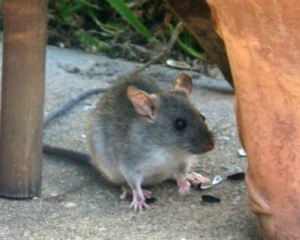
Heat can break down the active ingredients in rat poison and make it less effective. Bait stored in hot garages or sheds might not work even if it looks fine.
Direct sunlight degrades many types of bait. If your bait stations are in sunny locations, the bait inside might have broken down.
Contamination from other substances makes bait unappealing. If you handled bait with dirty gloves, contaminated it with cleaning products, or stored it near strong-smelling chemicals, rats might smell the contamination and avoid it.
Insects, mold, or other pests can infest bait that’s been sitting out too long. Once this happens, rats recognize that the bait is spoiled and won’t touch it.
Replace bait regularly even if rats haven’t eaten it. Fresh bait is much more attractive than bait that’s been sitting in a station for weeks.
Bait-Shy Rat Populations
In some areas, rat populations have learned to avoid poison bait altogether. This happens when rats have survived previous poisoning attempts and learned that certain types of bait are dangerous.
If a rat eats a small amount of poison and gets sick but doesn’t die, it learns to avoid that type of bait in the future. This rat becomes “bait-shy.”
Bait-shy rats teach other rats to avoid poison. Rats are social and learn from each other. If dominant rats in a colony are avoiding bait, younger rats will copy this behavior.
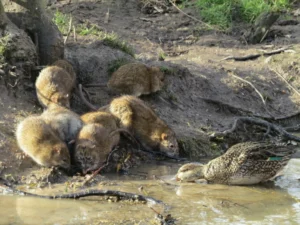
Some rat populations have been exposed to the same types of poison for so long that they’ve developed resistance. The poison doesn’t kill them effectively anymore, and they’ve learned it makes them sick.
Sublethal doses create the worst scenario. If rats eat poison but the dose isn’t strong enough to kill them (maybe they only nibble a small amount), they associate the bait with feeling sick and avoid it completely.
Areas with long-term rat problems often have highly bait-shy populations. These rats have survived multiple poisoning attempts over generations and have become extremely cautious.
To deal with bait-shy rats, you need to try completely different bait types, switch to non-poison methods like snap traps, or use bait stations that look completely different from what rats have seen before.
You’re Using the Wrong Type of Bait
Not all rat poisons are equally attractive to all rats. The type of bait you’re using might not appeal to the particular rats in your area.
Grain-based baits work well for rats that are used to feeding on seeds and grains. These are effective in agricultural areas or places with bird feeders.
Block baits are good for rats that like to gnaw and carry food away. But some rats prefer softer foods and won’t bother with hard blocks.
Pellet baits can be carried away easily and appeal to rats that like to hoard food. But if they’re too small, rats might not see them as worth the effort.
Soft baits or paste baits work for rats that prefer moist foods. These are especially effective if rats have access to water and are eating fresh foods.
Some baits are flavored to attract rats (fish oil, peanut butter flavor, etc.). If your rats are used to eating different types of food, these flavors might not appeal to them.
Switching bait types can make a huge difference. If grain blocks aren’t working, try soft bait. If pellets aren’t working, try larger blocks.
Rats Are Too Well-Fed
Overfed rats are picky eaters. When food is abundant and easy to get, rats become selective about what they’ll eat and are less likely to try unfamiliar items like poison bait.
In areas where people feed wildlife, leave pet food out, or have poor garbage management, rats have constant access to high-quality food. These well-fed rats aren’t desperate enough to risk eating something new.
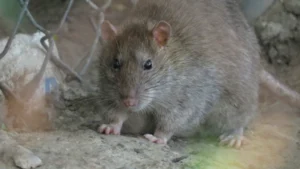
Seasonally, this problem gets worse in late summer and fall when natural food sources (fruits, seeds, nuts) are abundant. Rats fill up on these preferred foods and ignore bait.
In commercial areas like restaurants, grocery stores, or food processing facilities, rats have access to so much food that poison bait can’t compete with what’s already available.
The solution is to remove competing food sources before expecting poison to work. Clean up garbage, secure food storage, and eliminate other food sources for at least a few days before putting out poison.
Some pest control professionals use a technique called “pre-baiting” where they put out non-toxic bait first to get rats used to feeding in certain locations. Once rats are eating the non-toxic bait regularly, they switch to poison.
Poor Bait Station Design or Placement
Even if your poison itself is fine, the bait station design or how you’ve set it up might prevent rats from accessing the bait.
Some bait stations have entrance holes that are too small or poorly placed. Rats might not be able to figure out how to get inside, especially if they’re used to feeding in more open areas.
Bait stations that are too stable and heavy might intimidate rats. Rats are cautious about entering enclosed spaces they can’t easily escape from.
Stations with tight or difficult-to-navigate interiors might frustrate rats. If they have to work too hard to reach the bait, they’ll give up and find easier food elsewhere.
Brand new, clean bait stations smell artificial. Rats prefer feeding areas that smell familiar or at least natural. A station that smells like plastic or chemicals is less appealing.
Multiple bait stations too close together can be overwhelming. Rats might see this as a trap and avoid the entire area.
On the flip side, too few bait stations spread too far apart means rats don’t encounter them during their normal movements.
Try different station designs. Some rats prefer more open feeding areas, while others like enclosed stations. Experiment to find what your rats will use.
Environmental Factors Making Poison Less Attractive
Weather, temperature, and seasonal changes affect how attractive poison bait is to rats and whether they’ll eat it.
In cold weather, rats need high-calorie foods. If your bait is low in calories or doesn’t provide the energy rats need, they’ll seek better food sources.

During hot weather, rats prefer foods with higher moisture content. Dry bait blocks might be less appealing than fruits or vegetables with water content.
After heavy rain, outdoor bait stations might be wet inside even if they’re supposed to be weatherproof. Rats avoid wet, potentially moldy bait.
In winter, rats move indoors more and might not encounter outdoor bait stations. If your bait is outside but rats are living in your walls, they’re not finding it.
Breeding season affects feeding behavior. Pregnant and nursing female rats need more food and might be more willing to try new food sources, including bait. Outside breeding season, rats might be more selective.
Seasonal food availability changes what rats prefer. In spring when insects are abundant, protein-based baits might work better. In fall when seeds and nuts are available, grain-based baits compete with natural foods.
You Haven’t Given It Enough Time
Sometimes the problem isn’t that rats won’t eat the poison, it’s that you haven’t waited long enough for them to overcome their natural caution.
It can take 3 to 7 days for rats to start eating bait in a new location, even if everything else is perfect. This is the neophobia period where they’re observing and deciding if it’s safe.

Some particularly cautious rat populations might take 2 to 3 weeks before they start eating bait. This is frustrating but normal in areas where rats have been exposed to pest control efforts before.
Young rats usually eat bait first because they’re less cautious. It might take another week or two for older, more dominant rats to follow.
Once rats start eating, it takes time to see results. Most poisons don’t kill immediately. Rats need to eat enough poison (often over multiple feeding sessions) before the lethal dose builds up.
You might need to leave bait out for 4 to 6 weeks total before you see significant reduction in rat activity, especially if you have a large population.
Check bait regularly but don’t move it. Rats need consistency. If you keep moving bait stations or changing bait types every few days, you’re resetting the neophobia clock.
How to Actually Get Rats to Eat Poison
If poison is your chosen method, here are practical steps to make it work better.
Remove all competing food sources first. Store garbage in sealed bins, bring pet food inside at night, clean up spilled birdseed, secure compost, and eliminate easy food access.
Pre-bait with non-toxic food for several days. Put out bait stations with regular food (grains, seeds, peanut butter) and let rats get comfortable feeding there. Then switch to poison.
Place bait stations along active runways. Look for rat droppings, grease marks, and paths through vegetation. Put stations right in these high-traffic areas.

Use multiple bait types and stations. Different rats have different preferences. Offering variety increases the chance that some rats will eat.
Keep bait fresh by checking and replacing it every week even if it hasn’t been eaten. Fresh bait is much more attractive.
Use enough bait stations. For serious infestations, you need multiple stations (one every 15 to 30 feet along runways and near nesting areas).
Be patient and consistent. Leave stations in place for at least 2 to 3 weeks without changing anything. Let rats overcome their neophobia.
Monitor consumption by checking how much bait is being eaten. Mark the date when you put out fresh bait and check every few days. If bait still isn’t disappearing after 3 weeks, the problem isn’t patience.
Consider Alternatives to Poison
If rats really won’t eat poison despite your best efforts, it might be time to try different control methods. Poison isn’t the only option.
Snap traps work well and give you immediate feedback. You know exactly when you’ve caught a rat and can remove the body. Place them along walls and runways, baited with peanut butter, dried fruit, or nuts.
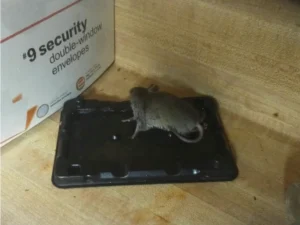
Electronic traps kill instantly and can be more effective than poison for smart, bait-shy rats. These traps deliver a lethal electric shock when rats enter.
Live traps let you catch and relocate rats (though check local laws about relocation). These work for small rat problems but aren’t practical for large infestations.
Exclusion methods prevent rats from accessing areas rather than trying to kill them. Seal entry points, install door sweeps, and use hardware cloth to block access.
Professional pest control can help when DIY methods fail. Professionals have access to better baits, professional-grade equipment, and experience with stubborn rat populations.
Combining methods works best. Use exclusion to prevent new rats from entering, traps to catch existing rats, and environmental management to make your property less attractive.
Conclusion
Rats don’t eat poison when they have better food sources available, when they’re naturally cautious of new objects (neophobia), when bait is placed incorrectly, when it’s old or contaminated, or when rat populations have become bait-shy from previous poisoning attempts.
Getting rats to eat poison requires removing competing food sources, placing bait in the right locations along active runways, using fresh bait, and being patient while rats overcome their natural caution. This process can take 2 to 3 weeks or longer.
If poison isn’t working despite your best efforts, consider switching bait types, trying completely different bait stations, or moving to non-poison methods like snap traps or exclusion.
Sometimes the most effective solution is combining multiple approaches rather than relying on poison alone.
Remember that poison should be used carefully because of risks to pets, wildlife, and the problem of rats dying in inaccessible places. If you’re struggling to get rats to eat poison and the infestation is serious, professional pest control might be your best option.

Hi, my name is Ezra Mushala, i have been interested animals all my life. I am the main author and editor here at snakeinformer.com.