
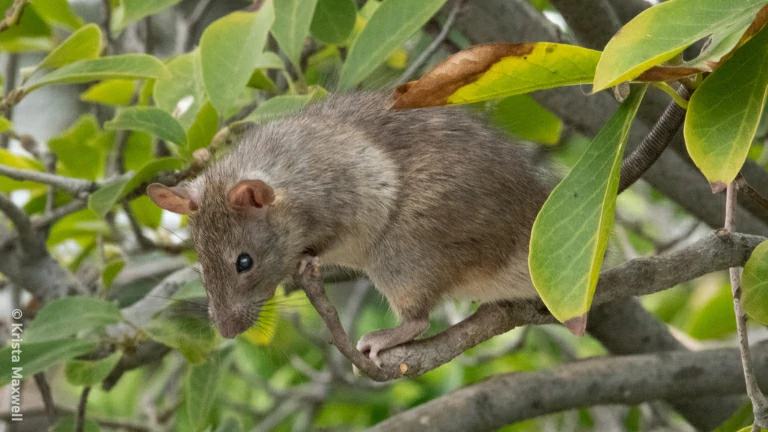
Both rats and squirrels are rodents that can invade homes, chew through wires, and cause property damage. But most people react very differently to these two animals.
Squirrels are often seen as cute and harmless, while rats trigger fear and disgust. Why are rats worse than squirrels?
Rats are worse than squirrels because they carry more diseases that can spread to humans, reproduce much faster (producing up to 12 litters per year compared to squirrels’ 2), and cause more extensive damage to homes and property. Rats also thrive in unsanitary conditions and are more likely to contaminate food and living spaces with their droppings and urine.
While both animals can be pests, rats pose significantly greater health risks and are harder to control once they’ve infested an area.
Their ability to squeeze through tiny gaps, their constant need to gnaw on things, and their habit of living in close contact with human waste make them far more dangerous than their bushy-tailed cousins.
Rats Carry More Dangerous Diseases
The biggest reason rats are worse than squirrels is the number and severity of diseases they can spread to humans.
Rats are known carriers of over 35 different diseases, many of which can be serious or even fatal. These include leptospirosis, hantavirus, rat-bite fever, plague, salmonellosis, and tularemia.
Squirrels can also carry diseases, but they’re far less likely to spread them to humans.
Squirrels can carry rabies, Lyme disease (through ticks), and a few other illnesses, but they’re not common carriers of the really dangerous stuff that rats spread.

Squirrels also tend to avoid humans, while rats actively live near human populations.
Rats spread diseases in several ways. Their droppings and urine can contaminate food, water, and surfaces. When these dry out, they can become airborne dust that you can breathe in.
Rats can also spread disease through bites, scratches, or through fleas and mites that live on their bodies.
The plague, which killed millions of people in Europe during the Middle Ages, was spread primarily by fleas living on rats.
While plague isn’t common today, rats still carry the bacteria, and there are occasional cases in some parts of the world. You won’t get plague from a squirrel in your attic.
Leptospirosis is another serious disease that rats carry. It’s spread through rat urine, which can contaminate water or soil.
If you come in contact with contaminated water or soil and have any cuts on your skin, you can get infected.
Symptoms include fever, headache, muscle aches, and in severe cases, kidney damage or liver failure.
How Fast Rats Reproduce Compared to Squirrels
Rats are breeding machines, and this is one of the main reasons they’re such a nightmare to deal with.
A single female rat can have 5 to 12 litters per year, with each litter containing 6 to 12 babies.
That means one female rat can produce up to 144 babies in a single year if conditions are right.
The babies (called pups) are ready to breed when they’re just 5 weeks old. So if you have a few rats in your home, you can quickly end up with hundreds within a few months. The population can explode before you even realize you have a serious problem.
Squirrels, on the other hand, breed much more slowly. Most squirrel species have only 2 litters per year, typically in late winter and mid-summer.
Each litter usually contains 2 to 4 babies. The babies take several months to mature before they can reproduce.

This slower reproduction rate means a squirrel problem is much easier to control. If you have a few squirrels in your attic, they’re not going to turn into a hundred squirrels overnight. You have more time to deal with the problem before it gets out of hand.
The rapid reproduction of rats also means they can develop resistance to poisons and traps more quickly. If a few rats survive your control efforts, they’ll quickly rebuild their population and may pass on genes that make them harder to kill next time.
The Damage Rats Cause vs. Squirrel Damage
Both rats and squirrels can cause significant damage to homes and buildings, but rats are generally more destructive.
Rats need to gnaw constantly because their front teeth never stop growing. If they don’t wear down their teeth, they’ll grow too long and the rat won’t be able to eat.
This means rats will chew on absolutely anything, including electrical wires, water pipes, wooden beams, insulation, plastic, and even concrete.
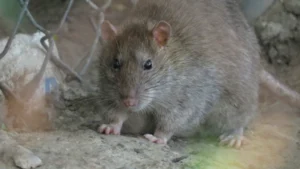
When rats chew through electrical wiring, they can cause short circuits and fires. House fires caused by rodents chewing wires are more common than most people think.
Squirrels also gnaw on things, but they’re more selective. They prefer wood and will damage wooden structures, but they’re less likely to chew through things like pipes or wires unless these items are in their way. Squirrels mainly cause damage when building nests or storing food.
Rats also create more extensive burrow systems. If rats get under your house or into your walls, they’ll create networks of tunnels and nests.
These burrows can undermine foundations, damage insulation, and create pathways for water to seep into your home.
The smell is another major difference. Rat infestations produce a very strong, musky odor that’s hard to get rid of.
This smell comes from their urine, which they use to mark their territory. They urinate constantly as they move around, leaving trails that other rats can follow. Squirrel urine has less odor and they don’t mark territory the same way.
Rats also contaminate much more food than squirrels. Because rats live in sewers, garbage dumps, and other filthy places, they carry all that contamination with them.
When they get into your pantry, they don’t just eat the food, they walk all over it with dirty feet, urinate on it, and leave droppings everywhere.
Where Rats Live vs. Where Squirrels Live
The places where rats and squirrels choose to live make a big difference in how dangerous they are. Squirrels are primarily outdoor animals.
They live in trees, build nests in branches, and prefer to stay outside. If a squirrel gets into your attic, it’s usually looking for a safe, warm place to nest, especially during winter or when raising babies.
Rats, however, have adapted to live alongside humans in the dirtiest places. Norway rats (also called sewer rats or brown rats) actually prefer living in sewers, basements, and ground-level areas.
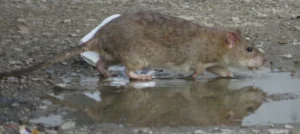
Roof rats (also called black rats) prefer higher spaces like attics and roofs, but they still thrive in urban environments.
The problem is that rats live in these filthy places and then come into your home. A rat might spend time in a sewer eating garbage and waste, and then crawl into your kitchen at night looking for food.
Everything that rat was exposed to in the sewer comes with it into your living space.
Squirrels don’t have this same lifestyle. They eat nuts, seeds, fruits, and occasionally bird eggs. They’re not digging through trash or living in sewage.
When a squirrel gets into your home, it’s not bringing the same level of contamination that a rat brings.
Rats are also found in a wider variety of environments. They can survive in cities, suburbs, farms, warehouses, restaurants, hospitals, and homes.
They’re incredibly adaptable and can live almost anywhere humans live. Squirrels are more limited to areas with trees and green spaces.
How Rats and Squirrels Behave Around Humans
Squirrels are generally afraid of humans and will run away if you get too close. They’re cautious animals that prefer to keep their distance.
If you have squirrels in your attic, they’ll usually try to avoid any contact with you. They’re most active during the day and will quiet down at night.
Rats, on the other hand, are bolder and more aggressive. While they’ll still try to avoid direct contact with humans, they’re not as scared.
Rats are most active at night, which means they’re running around your home while you’re sleeping. Some rats can become quite bold, especially in cities where they’re used to human presence.
Rats are also more likely to bite if cornered or threatened. Rat bites are serious because of the diseases they can spread and because rats have very strong jaws. Their teeth can easily break through skin, and the wounds can get infected quickly.
Squirrel bites are less common because squirrels really don’t want to be near you. The main time squirrels bite is when someone tries to handle them or accidentally corners them. Even then, squirrels are more likely to just run away if given the chance.
Rats are also known to attack other pets. There are cases of rats biting dogs, cats, and even attacking birds in cages. Large rats can be quite aggressive, especially when protecting their nests or food sources. Squirrels rarely show this kind of aggression toward other animals.
The Contamination Factor
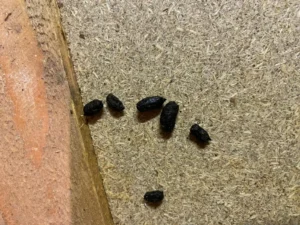
One of the worst things about rats is how much they contaminate everything they touch. Rats produce a lot of droppings; a single rat can leave 25,000 droppings in a year.
These droppings contain bacteria and can spread disease even after they’ve dried out.
Rat urine is even worse. Rats dribble urine constantly as they move around, and they use it to mark their trails and territory. This urine can soak into wood, drywall, insulation, and fabrics.
Once rat urine gets into building materials, it’s very hard to clean and the smell lingers for a long time.
When rats die in your walls or under your house, the smell is absolutely horrible. A dead rat can stink for weeks as it decomposes, and if you can’t find it and remove it, you just have to wait it out.
Dead squirrels smell too, but they’re usually easier to locate and remove because they tend to nest in more accessible places like attics.
Rats also bring parasites into your home. Fleas, mites, and ticks that live on rats can jump off and infest your home, your pets, and even bite humans.
These parasites can spread diseases on their own, separate from what the rat carries. Squirrels can have parasites too, but they’re less likely to spread them throughout your home.
The contamination from rats is so serious that professional pest control often requires extensive cleanup after the rats are gone.
This can include removing and replacing insulation, sanitizing all surfaces, sealing entry points, and sometimes even replacing damaged sections of walls or floors.
Population Density and Infestation Risk
Rats live in much higher population densities than squirrels. In cities, there can be hundreds or even thousands of rats in a single city block.
Some estimates suggest there’s about one rat for every person in major cities, though this number varies by location.
Squirrels don’t live in these kinds of dense populations. You might have several squirrels living in your neighborhood, but you won’t have hundreds living in a small area. This lower population density means you’re less likely to have a massive squirrel infestation.
The high rat population also means there’s constant pressure from rats looking for food and shelter. Even if you get rid of the rats in your home, more rats from the surrounding area will try to move in if you don’t seal up all the entry points. It’s an ongoing battle.
Rats can squeeze through incredibly small openings. If there’s a gap the size of a quarter, a rat can get through it. They can climb walls, swim through pipes, and even come up through toilets in some cases. This makes it very hard to completely rat-proof a building.
Squirrels need larger openings to get into buildings, usually about the size of a golf ball or larger. This makes it somewhat easier to keep them out, though they can still cause problems if they find a way in.
Why People React Differently to Rats and Squirrels
Part of the reason rats seem worse is simply how people perceive them. Squirrels have bushy tails, cute faces, and playful behavior that makes people think they’re charming. People enjoy watching squirrels in parks and backyards. Some people even feed them deliberately.
Rats have naked tails, beady eyes, and pointed faces that many people find creepy or disgusting. They’re associated with filth, disease, and urban decay.
Movies and media often portray rats as dirty, dangerous creatures that live in sewers and spread plague.

But this perception isn’t just about appearance. It’s based on real differences in behavior and disease risk.
The negative reputation rats have is earned through their actual impact on human health and property. Squirrels got their better reputation because they really are less dangerous.
Still, it’s worth noting that both animals are just trying to survive. Rats aren’t evil; they’re just very good at living alongside humans in ways that put us at risk. Understanding the real differences helps us protect ourselves while treating both animals humanely when dealing with infestations.
Conclusion
Rats are worse than squirrels for several very real reasons. They carry more diseases that can seriously harm humans, they reproduce at an alarming rate that makes infestations spiral out of control quickly, and they cause more extensive damage to homes and property.
Rats also live in filthier environments and bring that contamination directly into human living spaces.
While squirrels can certainly be pests and cause their own problems, they don’t pose the same level of health risk or destructive potential.
Squirrels are outdoor animals that occasionally wander into human spaces, while rats have adapted specifically to thrive in human environments, including the dirtiest corners of our cities.
If you’re dealing with either pest, it’s important to address the problem quickly. But a rat infestation requires immediate professional attention because of the serious health risks involved.
Understanding these differences helps you respond appropriately and protect your home and family from the very real dangers that rats present.

Hi, my name is Ezra Mushala, i have been interested animals all my life. I am the main author and editor here at snakeinformer.com.