
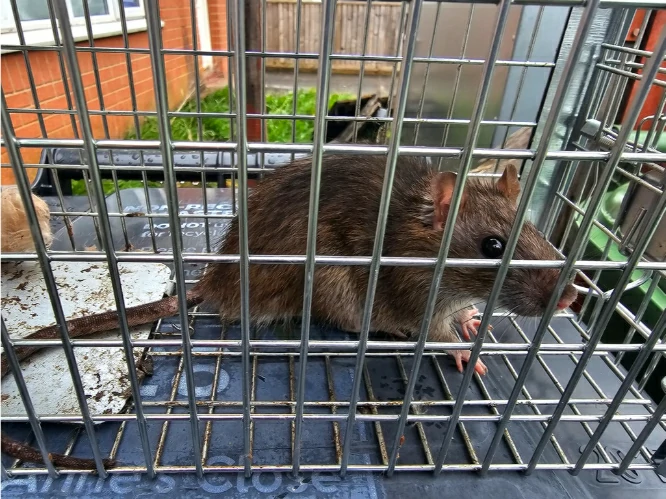
You’ve been trying to catch the rats in your house for weeks now. You’ve set traps with different kinds of bait, you’ve moved them to different locations, and you’ve checked them every single day.
But the traps stay empty while you keep seeing fresh droppings and hearing scratching sounds at night. It’s incredibly frustrating, and you’re starting to wonder if it’s even possible to catch these rats. So why are rats so hard to catch?
Rats are hard to catch because they’re highly intelligent animals with strong survival instincts. They’re naturally suspicious of new things, they learn from experience, and they have excellent senses that help them detect and avoid danger. Rats also communicate with each other, so when one rat gets caught, other rats learn to avoid the same traps.
Understanding why rats are so difficult to catch is the first step to actually catching them. Once you know what you’re up against, you can adjust your strategy.
Rats Have Strong Neophobia
The biggest reason rats are hard to catch is something called neophobia, which means “fear of new things.” This is a survival instinct that’s built into how rats think.
When anything new appears in a rat’s environment (like a trap), the rat notices it immediately and becomes suspicious. In the wild, new things can be dangerous.

A new object might be a predator in disguise, a trap set by humans, or something else that could harm the rat. So rats have evolved to be extremely cautious about anything unfamiliar.
When you place a trap in an area where rats have been active, they don’t just walk up to it and take the bait. They watch it from a distance.
They might circle around it, sniff the air near it, and observe it for days before they even consider getting close. During this time, the rat is learning everything it can about the trap.
Does it smell dangerous? Does it look stable? Is it in a place where the rat feels exposed? Only after days of observation might a rat decide to approach the trap, and even then, it’ll be extremely careful.
Rats Learn Incredibly Fast
Rats don’t just avoid new things, they also learn from experience really quickly. If a rat has any kind of negative experience with a trap, it’ll remember that forever.
Let’s say a trap snaps at a rat but the rat escapes with just a scare or a minor injury. That rat will now avoid all traps that look, smell, or feel similar to the one that hurt it.

Even worse, rats can learn by watching what happens to other rats. If a rat sees another rat get caught in a trap, the first rat will avoid that trap and any others like it.
This is called observational learning, and it’s pretty rare in the animal kingdom. Most animals have to learn through their own experiences, but rats can learn from watching others.
This makes catching rats in groups especially difficult. Once one rat gets caught, the others become much more cautious.
They’ll avoid your traps even if they’ve never personally had a bad experience with one. Some rats become “trap-wise” or “trap-shy,” which means they’ve learned so well that they basically can’t be caught with standard methods.
These rats require special techniques and sometimes professional help to remove.
Rats Have Excellent Senses
Rats rely on their senses to survive, and those senses are really well-developed. Their sense of smell is probably the most important when it comes to avoiding traps.
Rats can smell human scent on traps, especially if you touched the trap with your bare hands. That human smell is a red flag to rats because humans are dangerous.
Even trace amounts of your scent can make a rat suspicious enough to avoid the trap completely. This is why some people wear gloves when setting traps or rub traps with dirt to mask the human smell.
Rats also have great hearing. They can hear sounds at much higher frequencies than humans can.
They’re constantly listening to what’s going on around them. If they hear unusual sounds near a trap (like the slight creak of a spring mechanism), they might avoid it.
Rats use their whiskers to feel vibrations in the air and to sense their immediate surroundings. These whiskers are incredibly sensitive and can detect tiny movements or instability.
If a trap wobbles or feels off when a rat steps on it, the rat will back away. They can also feel air currents, which helps them know if there’s an opening nearby or if something is blocking their path.
All these senses work together to help rats detect danger, and traps definitely register as dangerous to them.
Rats Are Physically Coordinated
Rats aren’t just smart, they’re also physically talented. They’re excellent climbers, swimmers, and jumpers, which helps them avoid traps and escape from dangerous situations.
A rat can sometimes approach a trap, reach in carefully with its paw, grab the bait, and pull it out without triggering the trap. This takes coordination that most animals don’t have.
Rats can also balance on really thin surfaces, which means they can go around traps or climb over obstacles you put in their way. They’re flexible too, which helps them squeeze through tight spaces.
If a trap is set in a narrow area, a rat might be able to squeeze past it without even touching it. Their physical abilities make it hard to corner them or force them into a trap.
They almost always have an escape route planned before they commit to anything risky.
Rats Test Everything Before Committing
Rats don’t just rush into situations. They test things carefully before fully committing.
If a rat is interested in trap bait, it won’t just run up and grab it. It’ll approach slowly, maybe touch the trap with its whiskers, test the surface with its paw, and nibble tiny amounts of the bait before taking a full bite.
If anything feels wrong at any point during this process, the rat backs off. This testing behavior is incredibly frustrating when you’re trying to catch them.
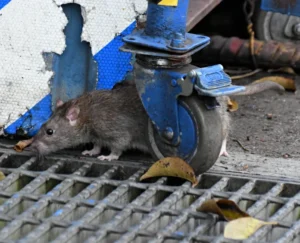
You might see evidence that a rat has been near your trap (maybe the bait has been licked or nibbled), but the trap hasn’t been triggered. The rat is being so careful that it’s not putting enough pressure on the trigger to set it off.
Some rats get really good at this and can steal bait from traps multiple times without ever getting caught.
Human Scent Is A Major Problem
We already mentioned that rats can smell human scent, but it’s worth going into more detail about why this is such a big problem. When you handle traps, bait, or anything else related to catching rats, you leave your scent behind.
Rats have been avoiding humans for thousands of years. It’s built into their survival instincts that human scent means danger.
Even if you think you’re being clean and careful, rats can detect scents that you can’t even smell yourself. The oils from your skin, any lotions or soaps you use, and even your natural body odor all transfer to the trap when you touch it.
To minimize this problem, you should wear gloves when setting traps. Some people use disposable gloves that they throw away after each use.
Others use reusable gloves but they only use them for setting traps, never for anything else. You can also try rubbing traps with dirt, used rat bedding (if you catch a rat), or other materials to mask the human smell.
Some people have success using traps that have been sitting outside for a few days to weather and pick up natural outdoor scents.
Rats Communicate With Each Other
Rats aren’t solitary animals, they live in groups and communicate constantly. They use sounds (including ultrasonic squeaks that humans can’t hear), pheromones, and body language to share information.
When a rat discovers food, it leaves scent trails that tell other rats “food is here.” When a rat has a bad experience in an area, it can leave warning signals that tell other rats “this place is dangerous.”

If a rat gets caught in a trap, the rats that find the body will smell the stress pheromones the trapped rat released. This sends a clear message: avoid this area.
Even if you remove the dead rat quickly, the scent stays behind for a while and warns other rats. Some experts suggest moving traps to new locations after a catch because the old location might now be associated with danger in the minds of the remaining rats.
The Wrong Trap Placement Ruins Your Chances
Where you put your traps matters just as much as what kind of traps you use. If traps aren’t placed in the exact spots where rats are traveling, they won’t work.
Rats don’t wander randomly around your house. They use specific routes and paths that they follow over and over.
These routes are usually along walls, behind furniture, and in dark corners. Rats almost never travel through the open middle of a room.
If you place a trap in the middle of your kitchen floor, a rat will probably never go near it. You need to place traps directly on the paths rats are using.
Look for signs like droppings, greasy rub marks on walls, and chewed materials. These signs tell you where rats are active.
Put your traps in those exact spots with the trigger end facing the wall so the rat has to pass over it. Also, you need enough traps.
One or two traps usually aren’t enough for a rat infestation. You should be setting at least 6 to 12 traps in different locations to increase your chances of catching rats.
Rats Have Plenty Of Other Food Options
If your house has multiple food sources available, rats don’t have much motivation to risk going after trap bait. Why would a rat gamble on suspicious-looking bait when there are crumbs on the floor, pet food in a bowl, or accessible pantry items?
Rats will always choose the safer option. To make your traps more effective, you need to eliminate other food sources.

Store all food in sealed containers, clean up crumbs and spills immediately, don’t leave pet food out all day, and make sure your garbage cans have tight lids. When rats can’t easily find food elsewhere, they become more desperate.
Desperate rats are more likely to take risks, including approaching traps. The bait in your trap becomes much more attractive when it’s the only food source available.
The Wrong Bait Doesn’t Work
Not all bait is equally effective. A lot of people use cheese because that’s what they’ve seen in cartoons, but cheese isn’t actually a great bait for rats.
Rats prefer high-protein and high-fat foods. Peanut butter is one of the most effective baits because it smells strong and rats love it.
Other good options include bacon, nuts, dried fruit, chocolate, and seeds. You need to experiment to see what works best for the rats in your house.
Sometimes rats develop preferences based on what they’ve been eating. If they’ve been getting into your dog food, they might respond better to dog food as bait than to anything else.
The bait also needs to be secured properly. If you just put a blob of peanut butter on the trigger, a smart rat might lick it off without triggering the trap.
Tie bait to the trigger with thread, or use sticky bait that requires the rat to work harder to get it off.
Rats Adjust To Changes Quickly
Rats are adaptable animals. If you change something in their environment, they notice it right away and adjust their behavior.
When you first set traps, you might have some success for a few days. But then the rats learn and start avoiding the traps.

When you move the traps to new locations, the rats notice the new placement and become cautious again. This cat-and-mouse game (or rat-and-human game) can go on for weeks.
You’re constantly trying new strategies, and the rats are constantly adapting. This is why catching all the rats in an infestation takes so long.
You’re not just trying to outsmart one animal, you’re trying to outsmart multiple intelligent animals that are learning and sharing information with each other.
Previous Generations Teach New Ones
If rats have been living in your house for a while, younger rats learn from older ones. Adult rats teach their babies which paths are safe, which foods are good, and which things to avoid.
If the adult rats have learned to avoid traps, they pass that knowledge on to their offspring. This means you might be dealing with second or third-generation rats that were basically raised to avoid traps.
These rats have never even been near a trap, but they’ve learned from birth that traps are dangerous. Breaking this cycle is really hard because the knowledge gets passed down through generations.
Even if you catch some rats, the ones that remain will keep teaching new babies to be cautious.
Stress Makes Rats Even More Careful
When rats are stressed (like when they know you’re trying to catch them), they become even more cautious than usual. All the trap-setting activity, the presence of dead rats, and changes in their environment make them hyper-alert.
A stressed rat is a careful rat, and a careful rat is hard to catch. This is one reason why being patient is so important.
If you’re constantly moving traps around, checking them multiple times a day, and making a lot of noise in areas where rats are active, you’re actually making them more difficult to catch. Sometimes it’s better to set traps and then leave the area alone for a day or two.
Let things settle down so rats don’t feel like they’re under constant threat. When they relax a little bit, they’re more likely to let their guard down enough to approach a trap.
Why Professional Help Sometimes Necessary
All these factors combine to make rats one of the hardest pests to remove from a house. Pest control professionals know all the tricks rats use to avoid traps, and they have experience dealing with trap-shy rats.
They use multiple strategies at once, including different types of traps, tracking powders to see where rats are going, and commercial-grade baits that might not be available to regular homeowners. Professionals also know how to find and seal entry points that you might miss.
If you’ve been trying to catch rats for more than two weeks with little or no success, it’s probably time to call in an expert. Sometimes the money you spend on professional help is worth it compared to the time, frustration, and ongoing damage from rats you can’t catch on your own.
Conclusion
Rats are hard to catch because they’re intelligent, cautious, and excellent at learning from experience. Their neophobia makes them suspicious of traps, their sharp senses help them detect danger, and their ability to learn from each other means that catching one rat makes the others even harder to catch.
Add in their physical coordination, their testing behavior, and their adaptability, and you have an animal that’s really good at not getting caught. But understanding why rats are hard to catch helps you develop better strategies.
Use the right traps in the right places, eliminate other food sources, be patient, and don’t be afraid to try different approaches. And if nothing seems to work, remember that professional pest control exists for exactly this reason.
Rats can be caught and removed, it just takes knowledge, persistence, and sometimes a little help from people who do this for a living.

Hi, my name is Ezra Mushala, i have been interested animals all my life. I am the main author and editor here at snakeinformer.com.