
Walking across your lawn and finding mysterious holes can be really frustrating. You spend time and effort keeping your yard nice, and then something comes along and digs it up.
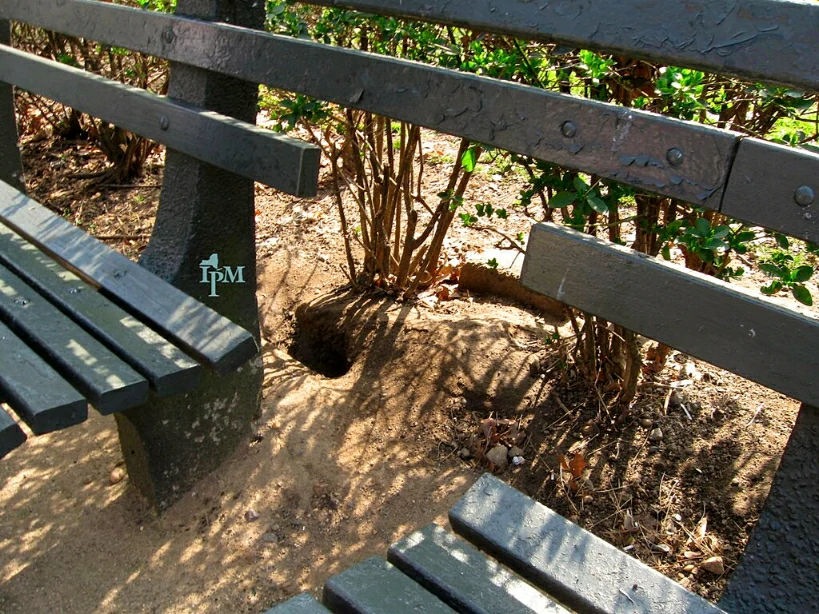
If you’re seeing 2 to 4 inch holes near your fence line, under bushes, or close to structures, you might be dealing with rats.
These rodents can create extensive damage in a short time, and the problem usually gets worse if you don’t address it quickly. So why are rats digging holes in my yard?
Rats dig holes in yards to create burrow systems for shelter and nesting, to search for food like grubs and insects in the soil, and to access water sources. Your yard provides the perfect environment with soft soil, cover from predators, and resources they need to survive.
The holes you’re seeing aren’t random. They’re part of a larger underground network that rats use as their home base. Once rats establish these burrows, they’ll keep expanding and bringing more rats to your property.
What Rat Holes Look Like
Before you can deal with rat holes, you need to know what you’re looking at. Not every hole in your yard is caused by rats, so identification is really important.
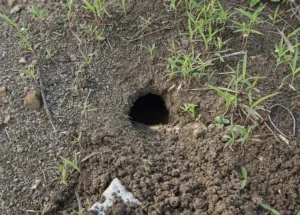
Rat holes are typically 2 to 4 inches in diameter. They’re big enough for an adult rat to squeeze through comfortably but not so large that you’d mistake them for rabbit burrows.

The edges of rat holes are smooth and well-worn from repeated use. Unlike fresh digging from other animals, rat holes look established and maintained.
You usually won’t see much loose dirt piled around rat holes. Rats are surprisingly tidy and push excavated soil away from the entrance or scatter it so the hole doesn’t stand out.
Rat burrow entrances are often hidden or protected. Look for them under bushes, along fence lines, next to your house foundation, beneath decks or sheds, and in areas with thick ground cover.
The holes might have a slightly oval shape rather than being perfectly round. This comes from rats squeezing in and out and wearing down the edges over time.
If you look closely at an active rat hole, you might see smooth runways leading to and from the entrance. These are paths rats create by using the same routes repeatedly.
How Extensive Rat Burrow Systems Actually Are
A single hole in your yard is just the tip of the iceberg. Underground, rats create complex tunnel systems that can spread across a large area.
A typical rat burrow system has multiple entrances and exits. Rats don’t rely on just one hole. They create several access points so they can escape if a predator tries to dig them out or block one entrance.
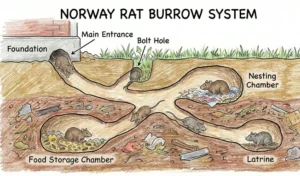
The main tunnel can extend 2 to 3 feet underground and spread horizontally for 10 to 15 feet or more. Larger colonies create even more extensive systems.
Inside the burrow system, rats create different chambers for different purposes. They have nesting chambers lined with soft materials where they sleep and raise babies, food storage areas where they stash seeds and other food, and toilet areas (yes, rats actually designate specific spots for waste).
Tunnels connect all these chambers and lead to the various entrance holes. The layout is actually pretty organized and efficient.
In your yard, one family of rats might have 3 to 5 entrance holes, all connected underground. If you have multiple rat families, you could have dozens of holes spread across your property.
The burrow system keeps expanding as long as rats are living there. They dig new tunnels to accommodate growing populations, create shortcuts to food sources, and respond to changes in their environment.
What Attracts Rats to Dig in Your Specific Yard
Rats don’t randomly choose yards to invade. They’re drawn to specific features and resources that make your property attractive to them.
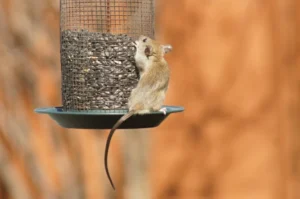
Food sources are the biggest draw. If your yard has bird feeders (especially ground feeders or spilled seed), fruit trees with fallen fruit, vegetable gardens, pet food left outside, or accessible compost, you’re basically inviting rats to move in.
Water availability matters just as much. Rats need water daily, and yards with ponds, birdbaths, leaky outdoor faucets, irrigation systems, or areas that stay wet after watering become rat magnets.
Your yard’s layout and features provide shelter. Overgrown vegetation, wood piles, cluttered storage areas, thick ground cover, unmaintained sheds, and dense shrubs give rats places to hide from predators during the day.
The soil type in your yard affects how easy it is for rats to dig. Soft, loamy soil is easier to work with than hard clay or rocky ground. If your yard has garden beds, mulched areas, or sandy soil, rats can dig burrows faster.
Proximity to other rat habitats increases your chances of getting them. If your neighbors have rats, if you live near water sources, or if you’re close to areas with heavy vegetation or abandoned buildings, rats will eventually find your yard.
Lack of predators makes your yard feel safe to rats. If you don’t have outdoor cats, dogs that patrol the yard, or natural predators like hawks and owls nearby, rats feel more comfortable settling in.
The Difference Between Rat Holes and Other Animal Holes
Lots of animals dig holes in yards, so you need to know if you’re actually dealing with rats or something else. Each animal leaves different clues.
Mole holes are much smaller (about 1 to 2 inches wide) and appear as raised volcano-shaped mounds. Moles create surface ridges as they tunnel just below the grass, which rats don’t do.
Vole holes are tiny (around 1 to 1.5 inches) and appear in grassy areas with surface runways connecting them. These runways look like little trails worn through the grass.
Chipmunk holes are similar in size to rat holes but usually appear in areas with good drainage and are often on slopes or raised areas. Chipmunks also tend to keep their holes very clean with no debris around the entrance.
Skunk digging creates shallow, cone-shaped holes scattered across the lawn where they’ve dug for grubs. These are usually 3 to 4 inches across but only a few inches deep, not connected to burrow systems.
Groundhog or gopher holes are much larger (4 to 6 inches or bigger) with large mounds of excavated dirt nearby. The dirt piles from these animals are really obvious and much bigger than anything rats create.
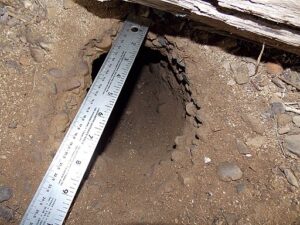
Rabbit burrows can look similar to rat burrows, but rabbits usually create simpler systems with just one or two entrances. Rabbit holes also tend to be in open areas rather than hidden under cover like rat burrows.
The pattern and location help you identify rats. Rat holes cluster near structures and cover, appear in groups of several holes, and have well-worn paths connecting them.
When Rats Are Most Active Digging in Your Yard
Understanding rat activity patterns helps you know when to look for them and when to take action. Rats don’t dig randomly throughout the day.
Rats are nocturnal, which means they’re most active from dusk until dawn. If you go outside with a flashlight at night, you’re much more likely to see rats moving around than during daylight hours.
Peak activity happens in the hours just after sunset and just before sunrise. This is when rats feel safest to come out and search for food, dig new burrows, or expand existing ones.

During the day, rats stay hidden in their burrows or under cover. You might see fresh digging or dirt pushed out from holes in the morning, which tells you rats were active overnight.
Seasonal changes affect rat digging behavior. In spring, rats dig more to create nesting areas for babies (rats breed heavily in spring and fall). In summer, they dig to reach cooler, moist soil deeper underground.
In fall, they prepare for winter by creating deeper burrows and storage chambers. In winter, activity slows but doesn’t stop completely.
Weather impacts their behavior too. After heavy rain, you might see increased digging as rats repair flooded burrows or create new ones on higher ground. During dry spells, rats dig more near water sources trying to find moisture.
If you want to catch rats in action or monitor their activity, check your yard at dusk or early morning. That’s when you’ll see the most evidence of fresh digging.
The Dangers of Having Rat Burrows in Your Yard
Rat burrows aren’t just an eyesore. They create real risks for your property, your family, and your pets. Understanding these dangers helps you take the problem seriously.
Structural damage happens when rats dig burrows next to or under building foundations, patios, walkways, or driveways. Over time, these tunnels can cause settling, cracking, or collapse of the structures above.
Trip hazards appear when burrow systems weaken the ground. You or someone else could step on a thin layer of soil over a tunnel and fall through, potentially causing ankle injuries or worse.
Damage to underground utilities is a real concern. Rats gnaw on irrigation lines, electrical wiring, and even gas lines that run underground in your yard. This can lead to leaks, outages, or dangerous situations.
Health risks come from diseases rats carry. Rats spread leptospirosis through their urine (which can contaminate soil), hantavirus through their droppings, rat-bite fever, and various parasites like fleas and ticks.
Pets are at risk when rat burrows are in your yard. Dogs might dig at burrow entrances and get bitten, cats might hunt rats and get scratched or infected, and both can be exposed to diseases or parasites that rats carry.
Attracting more rats is a snowball effect. Once a few rats establish burrows, they reproduce quickly (a female rat can have 5 to 6 litters per year with 6 to 12 babies each time). The population explodes fast.
Property value can actually decrease if you have a visible rat problem. Holes all over your lawn, obvious burrow systems, and rat sightings make your property less appealing to potential buyers.
Why Rats Choose Certain Spots in Your Yard
You might notice that rat holes appear in specific areas rather than being randomly scattered. Rats are strategic about where they dig, and their choices reveal what they’re after.
Along fence lines is a favorite spot because fences provide cover from overhead predators like hawks. Rats feel safer running along fences, and the fence line often has undisturbed soil that’s good for digging.
Under or near structures like sheds, decks, or porches gives rats protection from weather and predators. These spots also provide easy access to your house if they decide to move indoors.
Near food sources is obvious. If you have a vegetable garden, fruit trees, or bird feeders, expect to find rat burrows nearby. Rats want to minimize travel distance between their home and their food.
In areas with dense vegetation or ground cover, rats feel hidden and safe. Thick bushes, ivy, or overgrown gardens provide camouflage for burrow entrances.
Close to water sources like ponds, irrigation systems, or areas that stay damp, rats will dig burrows. Having water nearby is a big priority for them.
On slopes or raised areas with good drainage, rats prefer to dig because these spots don’t flood as easily during rain. They’re smart enough to avoid low-lying areas that might fill with water.
Near entry points to your house, you might find burrows if rats are trying to get inside. Look for holes near foundation cracks, gaps under doors, or areas where utilities enter your home.
What Happens If You Just Fill in the Holes?
You might be tempted to just shovel dirt into the holes and call it done. This approach almost never works and can actually make things worse.
Rats will just dig new holes if you fill in their entrances while they’re still using the burrow system. You might wake up the next morning and find the hole re-opened or new holes nearby.
Filling holes without removing what attracts rats doesn’t solve the problem. The rats are still there, still finding food and water in your yard, and still motivated to maintain their burrows.
You could trap rats inside if you fill burrows when rats are in them. This creates a worse situation because trapped rats will desperately dig new exits or die inside the burrow (causing smell and attracting other pests).
The tunnel system remains intact underground even if you fill the entrance holes. The rats can easily re-excavate filled holes or create new entrances to existing tunnels.
Some people try filling holes with concrete or expanding foam. While this might work for one specific hole, rats will just dig around the obstruction or create new entrances elsewhere.
The only time filling holes makes sense is after you’ve confirmed rats are gone and you’ve removed everything that attracted them. Even then, you should use proper materials like wire mesh covered with soil to prevent re-entry.
Effective Solutions for Rat Holes in Your Yard
Getting rid of rat burrows requires a multi-step approach. No single solution works on its own, but combining methods gives you the best results.
Remove food sources completely. Clean up fallen fruit daily, secure or remove bird feeders, store pet food indoors, keep compost bins tightly sealed with lids that rats can’t open, and harvest vegetables when they’re ripe.
Eliminate water access by fixing leaky faucets and hoses, draining standing water, covering ponds with netting, removing or emptying birdbaths at night, and fixing irrigation leaks.
Clear shelter and hiding spots. Cut back overgrown vegetation, remove wood piles or stack them at least 18 inches off the ground and away from structures, clean up yard debris and clutter, trim bushes and shrubs to eliminate dense cover, and maintain a clear zone of at least 3 feet around your house.

Set traps near active burrow entrances. Snap traps work well when placed along rat runways and near fresh holes. Bait them with peanut butter, dried fruit, or nuts. Check and reset traps daily.
Use exclusion barriers like hardware cloth buried 12 to 18 inches deep around areas you want to protect. Rats can’t dig through metal mesh.
Consider natural predators. If you have outdoor cats or dogs, their presence can discourage rats. Installing owl boxes might attract owls that hunt rats at night.
For serious infestations, use rodenticides carefully according to label directions, or better yet, hire professional pest control. Poison should be your last resort because of risks to other animals and pets.
After rats are gone, fill burrows properly. First stuff holes with wadded newspaper to see if rats reopen them (wait 3 to 5 days). If holes stay closed, rats are gone.
Then fill with soil mixed with gravel or broken glass (rats don’t like digging through sharp materials), pack it down firmly, and cover with sod or grass seed.
Conclusion
Rats dig holes in your yard to create burrow systems for shelter, to search for food in the soil, and to access water sources. Your yard provides everything they need with soft soil for digging, food from gardens or bird feeders, water from irrigation or other sources, and cover from predators.
The holes you see are entrance points to complex underground tunnel systems. Each burrow system has multiple entrances, nesting chambers, and storage areas. Rats are incredibly efficient at creating these networks, and populations can grow fast if you don’t take action.
Dealing with rat holes requires removing what attracts them, using traps or other control methods, and making your yard less appealing overall. Prevention works better than trying to eliminate established rat colonies.
If you have extensive burrow systems, rats near your house, or you’ve tried DIY methods without success, call professional pest control. Some situations need expert help to resolve safely and completely.

Hi, my name is Ezra Mushala, i have been interested animals all my life. I am the main author and editor here at snakeinformer.com.