
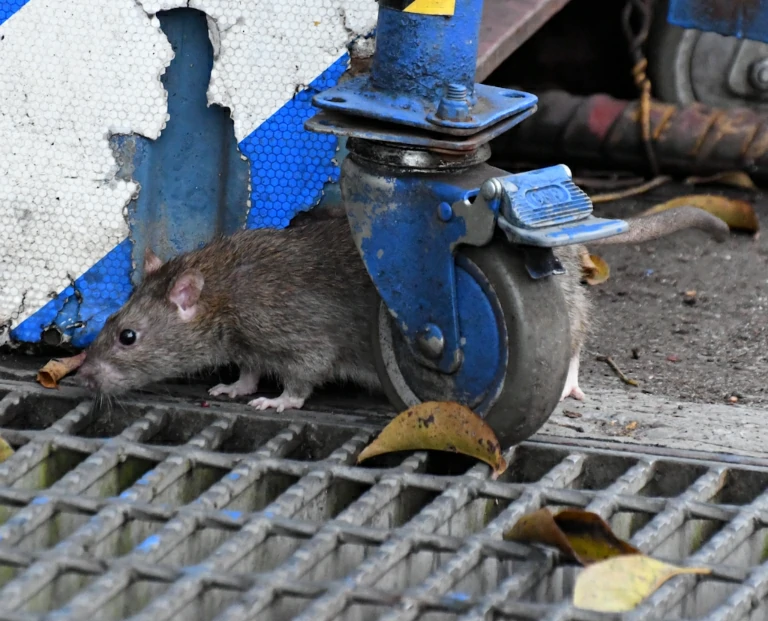
The word “pest” gets thrown around a lot, but it has a specific meaning when it comes to animals like rats. A pest is an organism that conflicts with human interests, causing economic damage, health problems, or general nuisance.
Rats check every box on the pest definition list. They damage property, contaminate food, spread disease, reproduce rapidly, and are incredibly hard to get rid of once they’re established.
They cost society billions of dollars annually in damage and control efforts. But what exactly makes rats such serious pests? Why are rats considered pests?
Rats are considered pests because they damage buildings and infrastructure, contaminate and consume food supplies, spread serious diseases, reproduce at explosive rates, and cause economic losses in the billions annually. They compete directly with humans for resources and create health hazards wherever they live.
Unlike wildlife that generally avoids human contact, rats actively seek out human environments because we provide everything they need.
This makes them different from animals that occasionally cause problems. Rats are persistent, adaptable, and specifically attracted to the things we value most: our food, our homes, and our safety.
What Defines a Pest Species
Before diving into specifics about rats, it helps to understand what makes any animal a pest in the first place.
Pests cause economic damage. This means they cost people money through property destruction, food loss, or the expense of controlling them. An animal that causes minimal or no economic harm usually isn’t considered a pest.
Pests pose health risks. Animals that spread disease or create sanitary problems qualify as pests because they threaten human wellbeing. The severity of the health risk affects how seriously we take the pest status.
Pests compete with humans for resources. When an animal eats our crops, uses our buildings for shelter, or takes food we’ve stored, it’s directly competing with us. This competition is central to pest status.
Pests are hard to control or eliminate. An animal that shows up once and leaves isn’t a pest. Pests are persistent, reproduce quickly, and resist control efforts. Their persistence is what makes them problematic.
Rats score high in all these categories. They cause massive economic damage, pose serious health risks, directly compete for our food and space, and are notoriously difficult to eliminate completely.
The Economic Impact of Rat Damage
One major reason rats are pests is the staggering amount of money they cost society every year through various types of damage.
In the United States alone, rats cause an estimated $19 billion in economic losses annually. This includes direct damage to buildings and property, destroyed food, disease treatment costs, and money spent on pest control.
Agricultural losses are huge. Rats consume and contaminate grain stores, damage crops in fields, eat animal feed, and reduce livestock productivity. Farmers lose billions to rats every year worldwide.
Infrastructure damage adds up too. Rats chew through electrical wiring, causing fires and requiring expensive repairs. They gnaw on water pipes, irrigation systems, and building materials. Fixing this damage costs money.
The food industry suffers when rats contaminate products. Entire warehouses of food might need to be destroyed if rat infestation is discovered. Restaurants can be shut down, and food processing plants face recalls.
These costs don’t just affect businesses. They get passed on to consumers through higher food prices, insurance rates, and taxes that fund public pest control programs. Everyone pays for the damage rats cause.
Disease Transmission: A Primary Pest Concern
The health risks rats pose are probably the single biggest reason they’re classified as pests. Throughout history, rats have been linked to devastating disease outbreaks.

Plague is the most famous example. The Black Death pandemic in the 1300s killed an estimated 75-200 million people in Europe. While the plague bacteria was in fleas, those fleas lived on rats and spread when rat populations brought them into contact with humans.
Today, rats still carry plague bacteria in some parts of the world. Cases occur regularly in places like Madagascar, Peru, and parts of the western United States. Without modern antibiotics, plague has a high mortality rate.
Leptospirosis spreads through rat urine contaminating water and soil. In urban areas with poor sanitation, outbreaks can affect hundreds of people. The disease causes kidney and liver damage and can be fatal.
Hantavirus is carried by certain rat species and spreads when people breathe in dust contaminated with rat droppings or urine. The virus causes Hantavirus Pulmonary Syndrome, which kills about 38% of infected people even with treatment.
Salmonella, E. coli, and other foodborne pathogens are carried by rats. When they contaminate food or food preparation surfaces, people get sick. These infections cause thousands of hospitalizations yearly.
Food Contamination and Loss
Rats don’t just spread disease directly. They also contaminate massive amounts of food, making it unsafe for humans to eat.
The Food and Agriculture Organization estimates that rats destroy about 20% of the world’s food supply annually. In developing countries where food security is already a problem, this loss is devastating.
Rats contaminate far more food than they actually eat. For every pound a rat consumes, it contaminates about ten pounds with droppings, urine, and hair. This means even small rat populations can ruin huge quantities of food.
In grain storage facilities, rats can make entire silos of wheat, rice, or corn unsellable. The contamination is so severe that the grain can’t even be used for animal feed in many cases.
Home pantries get ransacked too. Rats chew through packaging to get at food inside. Even if they only eat a small amount, you have to throw out everything they touched because of contamination risk.
The psychological impact matters too. Finding rat droppings in your kitchen or gnaw marks on food packages is deeply disturbing. People feel violated and unsafe in their own homes.
Structural Damage to Buildings
Rats are incredibly destructive to buildings and structures. This damage is a key reason they’re classified as pests rather than just occasional nuisances.
Rat teeth grow continuously throughout their lives, so they gnaw constantly to keep them worn down. This means they’ll chew on anything available, including the structural components of buildings.

Wooden framing, floor joists, and support beams get gnawed. Over time, this can actually weaken a building’s structure. In extreme cases, structural damage from rats has contributed to building failures.
Insulation gets shredded for nesting material. Rats pull apart fiberglass, foam, and other insulation types, reducing the building’s energy efficiency and requiring expensive replacement.
Drywall and plaster walls get holes chewed through them as rats travel between wall cavities and living spaces. Repairing these holes adds up quickly when there are dozens of them.
Electrical wiring is particularly dangerous when rats chew on it. Exposed wires can short circuit, spark, and start fires. An estimated 20-25% of unexplained building fires are caused by rodents damaging wiring.
Why Rats Target Human Structures
Understanding why rats are so attracted to human buildings helps explain why they’re such persistent pests.
Shelter from weather and predators is a major draw. Buildings provide protected spaces where rats can nest safely without exposure to rain, snow, heat, or predators like hawks and owls.
Temperature control matters to rats. Buildings are warmer in winter and cooler in summer than outdoor environments. This comfortable temperature helps rats survive and reproduce year-round.
Food availability near and inside buildings is constant. Human food waste, stored groceries, pet food, and spilled crumbs provide endless calories for rat populations.
Water sources are reliable. Leaking pipes, condensation, pet water bowls, and drainage provide all the hydration rats need without them having to search for it.
The variety of nesting sites in buildings is perfect for rats. Wall voids, attics, basements, and crawl spaces offer numerous options for building nests and raising young.
Essentially, humans have created perfect rat habitat. We provide everything they need in concentrated, easily accessible locations. This makes conflict inevitable.
Reproduction Rates and Population Growth
A huge part of what makes rats such serious pests is how incredibly fast they reproduce. This rapid population growth overwhelms control efforts.
Female rats can start breeding when they’re only 8-12 weeks old. This means multiple generations can exist within a single year.
The gestation period is just 21-23 days. From mating to birth takes less than a month, allowing rats to reproduce much faster than most mammals.

Each litter contains 6-12 babies on average, though litters of up to 20 have been recorded. With multiple litters per year, one female can produce 60-80 offspring annually.
Under ideal conditions (which human environments often provide), a single breeding pair can lead to a population of several thousand rats in just one year. The growth is exponential, not linear.
This reproduction rate means that killing some rats doesn’t solve the problem. The survivors quickly rebuild the population unless control efforts are thorough and sustained.
Adaptability and Intelligence
Rats aren’t just numerous; they’re also smart and adaptable. These traits make them much harder to control than less intelligent pests.
Rats can learn and remember. They can figure out how traps work and teach other rats to avoid them. They develop bait shyness, refusing to eat poison after seeing other rats die from it.
Problem-solving ability helps rats overcome obstacles. They can figure out how to access food sources that seem secure. If one route is blocked, they’ll find another.
Social learning means knowledge spreads through rat colonies. If one rat discovers a food source or learns to avoid a trap, it can communicate this information to others through behavior and scent marking.
Dietary flexibility allows rats to survive on almost anything. They can eat grains, fruits, meat, garbage, and even materials like soap or leather if necessary. This makes it hard to starve them out.
Physical adaptability is impressive too. Rats can squeeze through holes the size of a quarter, climb vertical walls, jump several feet, swim, and survive falls from significant heights.
Geographic Spread and Invasiveness
Rats have spread to almost every part of the world, and wherever they go, they become pests. This global distribution is remarkable.
Brown rats and black rats originally came from Asia but have colonized every continent except Antarctica. They traveled with humans on ships and in cargo, establishing populations wherever they landed.

Island ecosystems have been particularly hard hit. Rats that reach islands often devastate native wildlife that evolved without mammal predators. This makes rats not just pests to humans but also environmental threats.
Urban environments worldwide support massive rat populations. Every major city on Earth has rats. New York, London, Paris, Mumbai, Tokyo, and countless others struggle with rat control.
The ability to establish populations in diverse climates is unusual. Rats survive in arctic conditions, deserts, tropical rainforests, and everywhere in between. Climate isn’t a limiting factor for them.
Once established, rats are nearly impossible to completely eliminate. This permanence is part of what defines them as pests rather than temporary problems.
Competition with Humans for Resources
Rats are unique among pests in how directly they compete with humans for the exact same resources we value.
They eat the same foods we do. Rats prefer grains, fruits, nuts, and proteins just like humans. This isn’t coincidence; they evolved alongside us and adapted to our diet.
They use our buildings for shelter in ways that conflict with our use. We can’t share living space with rats the way we might coexist with some wildlife. Their presence makes spaces unusable for us.
Water sources rats contaminate become unsafe for human use. Wells, water storage tanks, and even municipal water systems can be compromised by rat access.
The resources rats consume aren’t surplus. They’re taking food we intended to eat, using materials we need, and degrading infrastructure we depend on. This direct competition is central to their pest status.
Public Health and Safety Concerns
Beyond individual health risks, rats create broader public health and safety issues that affect entire communities.
Sanitation standards in cities are compromised by rat populations. Even with modern waste management, rats find ways to access garbage and create unsanitary conditions.
Building safety is threatened by rat damage to electrical and structural systems. Fires, collapses, and other hazards can affect not just building occupants but also neighboring properties.
Food safety regulations exist partly to control rat access to commercial food. The entire food inspection system includes rat-related provisions because the risk is so serious.
Disease surveillance programs monitor rat populations for signs of emerging diseases. Public health departments track rat-borne illness to prevent outbreaks.
The presence of rats in a neighborhood affects quality of life. Property values drop, residents feel unsafe, and the overall environment degrades when rat populations are high.
Why Rats Are Hard to Control
The difficulty of eliminating rats once they’re established is a major factor in their pest classification. Easy problems aren’t pests; persistent ones are.
Multiple entry points in buildings make exclusion difficult. Sealing every possible gap that a rat could squeeze through is challenging and expensive.
Hidden populations go unnoticed. Rats live in walls, under foundations, and in other spaces where they’re not visible. By the time you see rats, the population is already substantial.
Trap and bait resistance develops when rats learn from experience. They avoid areas where they’ve seen other rats caught or poisoned.
Continuous reinfestation happens when new rats move into areas where others were removed. If the conditions that attracted the first rats still exist, more will come.
Incomplete control efforts fail. You have to remove nearly 100% of rats from an area to prevent population recovery. Missing even a few breeding individuals means the problem returns.
The Cost of Control Efforts
The money spent trying to control rats is itself evidence of their pest status. Society wouldn’t invest billions in control if rats weren’t serious problems.
Municipal pest control budgets in major cities are substantial. New York City alone spends tens of millions annually on rat control programs.

Homeowners spend hundreds to thousands of dollars on professional pest control when rats infest their property. DIY efforts often fail, requiring expensive professional intervention.
Businesses face ongoing costs for pest control contracts. Restaurants, warehouses, and other commercial spaces need regular monitoring and treatment to prevent rat problems.
Research into new control methods receives significant funding. Universities and government agencies study rat biology, behavior, and control to develop better solutions.
The economic burden of control adds to the direct damage rats cause, making the total cost even higher.
Rats vs. Other Rodents: Why They’re Worse
Not all rodents are considered serious pests. Rats stand out even among their relatives for being particularly problematic.
Mice cause similar problems but on a smaller scale. Their smaller size means less food consumption, less structural damage, and easier control.
Squirrels can be pests in attics but generally don’t infest buildings as thoroughly as rats. They also don’t have the same disease-carrying reputation.
Wild hamsters and gerbils in regions where they’re native cause agricultural damage but don’t adapt to urban environments like rats do.
Rats combine large size, high intelligence, disease-carrying capacity, rapid reproduction, and adaptability in a way that makes them uniquely problematic as pests.
Conclusion
Rats are considered pests because they check every box that defines pest species. They cause billions of dollars in economic damage annually through property destruction, food contamination, and infrastructure degradation.
They spread serious diseases that threaten public health worldwide. They reproduce at explosive rates that make control difficult.
The direct competition between rats and humans for food, shelter, and safety is more intense than with almost any other animal. Rats specifically seek out human environments because we provide ideal habitat. Their intelligence and adaptability make them persistent problems that resist simple solutions.
From an economic, health, and safety perspective, rats are among the most serious pest species humans deal with.
The combination of disease risk, property damage, rapid reproduction, and resistance to control efforts justifies the massive resources society dedicates to managing rat populations.
Understanding why rats are such significant pests helps explain why rat control remains a critical public health and economic priority worldwide.

Hi, my name is Ezra Mushala, i have been interested animals all my life. I am the main author and editor here at snakeinformer.com.