
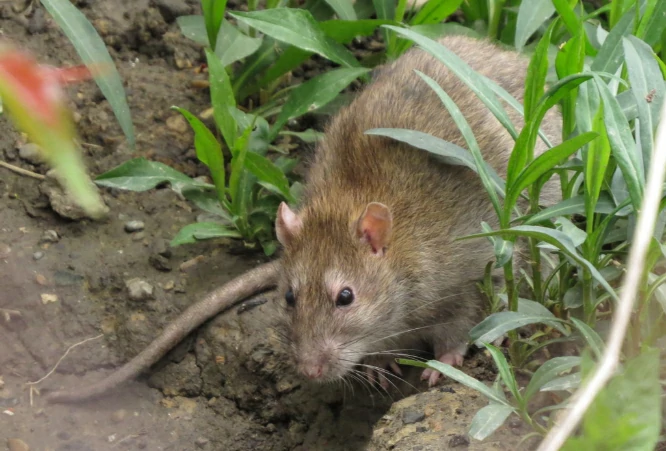
Farms are perfect environments for rats. There’s tons of food in the form of grain, animal feed, and crops. There’s shelter in barns, silos, storage buildings, and equipment sheds. There’s water from troughs, irrigation systems, and natural sources.
With all these resources available, rat populations on farms can explode if they’re not controlled. A few rats can quickly turn into hundreds or thousands, creating problems that affect everything from crop yields to animal health to the farm’s bottom line. But why are rats bad for farms?
Rats are bad for farms because they eat and contaminate stored grain and animal feed, spread diseases to livestock and humans, damage equipment and buildings, reduce crop yields, and cost farmers billions of dollars annually in losses. A single rat can eat about 25-30 pounds of feed per year and contaminate ten times that amount.
The impact goes beyond just the direct consumption of crops and feed. Rats create ripple effects throughout farm operations, affecting animal health, food safety, equipment reliability, and the farm’s ability to sell products.
Understanding these problems helps explain why rat control is so important in agriculture.
How Much Food Rats Consume on Farms
The amount of feed and grain that rats eat on a farm is shocking when you actually calculate it. Individual rats might not seem like they eat much, but the numbers add up fast.
One rat eats roughly 1-2 ounces of food per day. That might not sound like much, but over a year, that’s 25-30 pounds per rat. If you have 100 rats (which is actually a modest infestation for a farm), that’s 2,500-3,000 pounds of feed gone.

But the real problem is that rats don’t just eat food. They contaminate way more than they consume. For every pound a rat eats, it contaminates about ten pounds with droppings, urine, and hair.
This means those 100 rats aren’t just eating 3,000 pounds of feed. They’re making 30,000 pounds unusable. For a farm storing thousands of tons of grain, even a small percentage loss represents huge financial damage.
The contamination is so severe that entire bins or silos might need to be emptied and cleaned. The contaminated grain can’t be sold for human consumption and might not even be suitable for animal feed depending on the level of contamination.
Grain Storage Facilities Are Rat Magnets
Grain silos, storage bins, and feed warehouses are like all-you-can-eat buffets for rats. These structures often provide everything rats need to thrive.
Rats can detect grain from a distance. They follow the smell and squeeze through tiny gaps to get inside. Once inside a grain bin, they have unlimited food, protection from weather and predators, and perfect nesting material.

The design of many grain storage facilities makes them hard to keep rat-free. There are lots of entry points around augers, ventilation systems, doors, and foundation gaps. Older facilities especially tend to have cracks and holes that rats exploit.
Rats burrow into stored grain and create tunnels and nests. This not only contaminates the grain but can also create air pockets that lead to mold growth and spoilage. The structural integrity of the grain pile can be compromised.
Temperature and moisture control become harder when rats are present. Their activity and body heat can create hot spots in stored grain. Their droppings add moisture. Both of these factors increase the risk of grain spoilage and mold.
Damage to Animal Feed and Supplements
Beyond grain storage, rats target animal feed wherever it’s kept. This affects livestock operations in multiple ways.
Rats chew through feed bags to get at the contents. Once a bag is opened, moisture can get in and spoil the feed. Even if the feed is still technically usable, you’ve lost the protection of sealed packaging.
Mixed feeds that contain supplements and medications get contaminated. When rats urinate and defecate in feed, you can’t just remove the visible droppings and use the rest. The whole batch is compromised.
Expensive protein supplements, vitamins, and mineral mixes are particularly attractive to rats. These concentrated feeds smell strong and taste good to rats. The financial loss hurts more when it’s specialized feed rather than basic grain.
Feed stored in automatic feeders and silos can become contaminated without anyone noticing right away. Animals might be eating rat-contaminated feed for days or weeks before the problem is discovered.
The contamination risk extends to milk production on dairy farms. If dairy cows eat contaminated feed, there’s a risk of disease transmission that could affect milk quality and safety.
Diseases Rats Spread to Livestock
Rats carry diseases that can infect farm animals, leading to illness, death, and economic losses that go beyond feed consumption.
Leptospirosis is particularly problematic on farms. Rats shed the bacteria in their urine, which contaminates water sources, feed, and bedding. Cattle, pigs, horses, and other livestock can become infected.
In cattle, leptospirosis causes reproductive problems including abortions, stillbirths, and weak calves. In pigs, it leads to similar reproductive issues plus kidney disease. The economic impact on breeding operations can be severe.
Salmonella is another bacterial disease rats spread. Livestock that consume rat-contaminated feed can develop salmonellosis, leading to diarrhea, fever, and reduced productivity. Young animals are especially vulnerable.
Toxoplasmosis, spread through rat feces, can infect sheep and goats. In pregnant ewes, it causes abortions and stillbirths. This is particularly devastating for lamb production operations.
Rats can also spread parasites like tapeworms to livestock. Animals become infected by eating contaminated feed, and the parasites affect their growth, weight gain, and overall health.
Crop Damage in Fields
Rats don’t limit themselves to stored crops and feed. They also damage growing crops in fields, especially certain types that rats find particularly tasty.
Corn is a favorite target. Rats climb stalks to get at developing ears. They strip kernels off the cob and contaminate what they don’t eat. In fields near buildings or tree lines where rats nest, damage can be extensive.
Root vegetables like potatoes, carrots, and sweet potatoes get tunneled into and eaten from the inside out. You might not notice the damage until harvest when you find hollow or partially eaten vegetables.
Fruit trees near farm buildings or in orchards suffer rat damage too. Rats climb trees to eat fruit, often taking a bite out of multiple pieces rather than finishing one. This ruins more fruit than they actually consume.
Vegetable crops close to the ground, like melons, squash, and tomatoes, get gnawed on. Even small amounts of rat damage make produce unsellable.
The damage often happens at night when rats are most active, so farmers might not catch it happening. By the time it’s noticed, significant losses may have already occurred.
Equipment and Infrastructure Damage
Rats don’t just eat crops and feed. They also chew on equipment, wiring, and buildings, causing expensive damage and safety hazards.
Tractors, combines, and other farm equipment left in barns or sheds can have their wiring chewed by rats. This damages electrical systems, causes malfunctions, and creates fire risks.
Irrigation systems with plastic or rubber components get chewed through. Rats gnaw on drip lines, hoses, and even PVC pipes. The resulting leaks waste water and reduce irrigation efficiency.
Building insulation in barns, coops, and storage facilities gets shredded for nesting material. This reduces the insulation’s effectiveness and increases heating costs in winter and cooling costs in summer.
Wooden structures like barn walls, floor joists, and support beams can be weakened by rat gnawing. Over time, this compromises structural integrity and might require expensive repairs.
Stored equipment parts, bags of supplies, and other farm materials get damaged. Seed bags are chewed open, chemical containers can be compromised, and valuable supplies ruined.
Impact on Poultry Operations
Chicken farms and other poultry operations face specific rat problems that affect both the birds and the business.
Rats eat chicken feed, which is formulated to be nutritious and therefore very attractive to them. A large poultry operation can lose thousands of dollars in feed to rats annually.
But worse than feed loss is the threat to the birds themselves. Rats kill and eat chicks and eggs. They’re particularly dangerous to young birds that can’t defend themselves.
Rats stress adult birds by their presence. Chickens that are constantly worried about rats produce fewer eggs and gain weight more slowly. The stress affects productivity across the flock.
Disease transmission from rats to poultry is a serious concern. Rats can spread avian diseases, and their droppings contaminate the chicken coop environment. This increases the disease load the birds are exposed to.
In operations selling eggs, rats create food safety concerns. If rats have access to egg collection areas, there’s contamination risk. This can lead to health department issues and problems selling eggs.
Pig Farming and Rat Infestations
Pig farms seem to attract rats in particularly large numbers. The combination of spilled feed, animal waste, and warm barn environments creates ideal rat habitat.
Pigs waste a lot of feed by rooting around and spilling it. This creates abundant food sources for rats all around pig pens and feeding areas. Rats come for the easy meals and stick around.
Young piglets are vulnerable to rat attacks. Rats have been known to bite sleeping piglets, causing injuries and stress. In severe infestations, rats can actually kill newborn pigs.
The proximity between pigs and rats increases disease transmission risk. Rats living in pig barns are constantly exposed to the pigs and vice versa. Diseases can pass back and forth more easily.
Rats burrow under pig pen walls and foundations. This creates escape routes for pigs and weakens the structural integrity of the facilities. Repairing this damage gets expensive.
Feed lines and automatic watering systems in pig barns get chewed on by rats. When these systems fail, it disrupts the entire feeding program and can lead to pig health problems if not fixed quickly.
Dairy Farm Specific Problems
Dairy operations face unique challenges from rat infestations that affect milk production and farm economics.
Milking parlors need to be extremely clean for food safety reasons. Rats in milking areas create serious health code violations. Dairy inspectors can shut down operations until the rat problem is resolved.

Contamination risk in milk storage areas is a major concern. If rats get access to milk holding tanks, pipelines, or cooling systems, entire batches of milk might need to be dumped.
Calves are vulnerable to diseases spread by rats. Young dairy calves have developing immune systems and can become seriously ill from rat-transmitted diseases like salmonella or leptospirosis.
Silage and haylage storage attracts rats. These fermented feeds are nutritious and accessible if not properly sealed. Rats contaminate what they don’t eat.
Dairy cows under stress from rat presence might produce less milk. While the effect might be subtle, even small production decreases add up across a herd over time.
Economic Losses Beyond Direct Damage
The financial impact of rats on farms extends beyond the obvious costs of consumed and contaminated feed.
Farm product rejection is a huge problem. If grain is contaminated, buyers can reject entire loads. This means not only losing the contaminated portion but potentially being unable to sell any of it.
Insurance costs can go up for farms with known rat problems. Some insurers charge higher premiums or require proof of active rat control programs before providing coverage.
Labor costs increase when dealing with rats. Time spent setting traps, cleaning up contamination, and monitoring for rats is time not spent on productive farm work.
Property values can decrease if a farm is known to have chronic rat problems. This affects the farm’s overall worth and can make it harder to sell or use as collateral for loans.
Marketing and reputation damage happens when customers learn about rat problems. Farms that sell directly to consumers through farmers markets or farm stores can lose business over rat concerns.
Why Prevention Is Harder on Farms
Keeping rats out of a farm is more challenging than keeping them out of a house or small business. The scale and nature of farming make prevention difficult.
Farms have tons of entry points. With multiple buildings, equipment sheds, grain bins, and outdoor storage areas, sealing everything perfectly is nearly impossible.
The constant movement of materials on and off the farm brings rats in. Delivered feed, new equipment, hay bales, and other items can harbor rats or provide them transportation to your property.
Farm environments naturally attract rodents. Even with perfect sanitation, the presence of crops and livestock makes farms more appealing to rats than empty land would be.
The cost of rat-proofing large farm structures can be prohibitive. While it’s worth doing, many farmers struggle to afford the comprehensive prevention measures that would be most effective.
Time constraints mean prevention sometimes gets neglected. Farmers are incredibly busy, especially during planting and harvest seasons. Rat control might get pushed to the bottom of the priority list.
Best Practices for Farm Rat Control
Despite the challenges, effective rat control on farms is possible with the right approach. It requires ongoing effort rather than one-time fixes.
Regular monitoring helps catch problems early. Setting up monitoring stations with tracking powder or non-toxic bait lets you know when and where rats are active before populations explode.

Sanitation is key. Cleaning up spilled feed immediately, storing feed in rat-proof containers, and removing clutter that provides nesting sites all help reduce rat populations.
Exclusion work pays off over time. Sealing entry points around buildings, installing door sweeps, and using metal screening over vents prevents rats from getting inside in the first place.
Strategic use of traps and bait stations can reduce populations. Placing them along rat travel routes and near feeding areas increases effectiveness. Professional help is often worth the cost.
Cats and some dog breeds can help control rats, though they can’t handle large infestations alone. They’re more useful for prevention than for solving existing severe problems.
The Role of Integrated Pest Management
Professional pest management on farms uses what’s called Integrated Pest Management (IPM). This approach combines multiple control methods for better results.
IPM starts with monitoring to understand the extent of the problem. You can’t fix what you don’t measure, so knowing rat population levels and activity patterns is step one.
Cultural controls involve changing farm practices to make the environment less rat-friendly. This might mean different storage methods, improved sanitation, or timing feed delivery differently.
Physical controls include traps, exclusion devices, and barriers that physically prevent rats from accessing resources or getting into buildings.
Chemical controls (rodenticides) are used strategically rather than as the only solution. Proper bait placement and rotation of active ingredients prevents rats from developing resistance.
The goal of IPM is long-term control that’s sustainable and reduces reliance on any single method. It’s more work upfront but more effective over time.
Organic and Chemical-Free Farming Challenges
Farms that can’t use conventional rodenticides face extra challenges in controlling rats. Organic certification rules limit what control methods can be used.
Mechanical traps become more important on organic farms. Snap traps, live traps, and electronic traps can be used, but they require more labor to check and reset.
Natural predators get encouraged more actively. Installing owl boxes, maintaining hawk perches, and allowing beneficial snakes to remain all help with natural rat control.
Exclusion and sanitation become even more critical when you can’t rely on poison baits. Every gap needs sealing, and every potential food source needs securing.
Some organic-approved rodenticides exist, but they’re limited. Most use active ingredients like vitamin D that are considered natural but still require careful handling and placement.
The trade-off is between pest control effectiveness and maintaining organic certification. Many organic farmers find it’s possible but requires more diligence and creativity.
Signs of Rat Problems on Farms
Knowing what to look for helps farmers catch rat problems before they get out of control. Early detection makes control easier and cheaper.
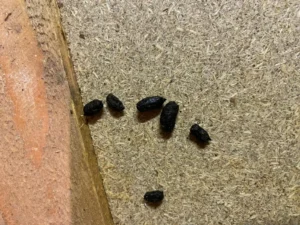
Droppings are the most obvious sign. Rat droppings around feed storage areas, in barns, or along walls show active infestations. Fresh droppings are dark and moist while old ones are dry and gray.
Gnaw marks on wood, plastic, or even metal show where rats are active. Fresh gnaw marks are lighter colored because they expose new material underneath the weathered surface.
Burrows around building foundations, under equipment, or in field edges indicate rat nesting sites. Active burrows are clear of debris and might show fresh digging.
Grease marks along walls and rafters show regular rat travel routes. The oils from rat fur leave dark, greasy smudges on surfaces they repeatedly brush against.
Tracks in dust or mud reveal rat movement patterns. Rat tracks show four toes on front feet and five on back feet, with a tail drag mark often visible between footprints.
Seasonal Variations in Rat Activity
Rat problems on farms change with the seasons. Understanding these patterns helps with planning control efforts.
Fall is when rat populations often peak. Rats have been reproducing all summer and food sources are abundant from harvest. This is when they start looking for indoor shelter for winter.
Winter drives rats indoors more aggressively. As temperatures drop and outdoor food becomes scarce, rats move into barns, storage buildings, and any warm structures they can access.
Spring brings breeding activity. Rats that survived winter start reproducing rapidly as temperatures warm and food becomes more available again. Small populations can explode quickly.
Summer sees rats more active outdoors. They might move between buildings and fields more, feeding on crops and storing food. This is a good time for prevention work since they’re less concentrated in buildings.
Timing control efforts to match these patterns increases effectiveness. Fall and winter are often the best times for intensive control since rats are concentrated in buildings.
Conclusion
Rats are bad for farms because they create losses that hit farmers from multiple angles. They consume and contaminate massive amounts of stored grain and animal feed, costing the agricultural industry billions of dollars annually. The diseases they spread to livestock reduce productivity and cause reproductive failures.
The physical damage rats cause to equipment, buildings, and infrastructure adds another layer of financial burden. From chewed wiring creating fire hazards to weakened structures needing repair, the costs keep piling up. Crop damage in fields reduces yields, and contamination issues can make entire harvests unsellable.
Effective farm rat control requires ongoing effort combining prevention, monitoring, and active management. While the challenges are significant, especially for large operations or organic farms, the cost of doing nothing is far worse. Understanding why rats are such a serious agricultural pest helps farmers prioritize control efforts and protect their livelihoods.
The key is treating rat control not as an occasional task but as an ongoing part of farm management, just like maintaining equipment or managing soil health. With consistent effort and the right combination of methods, farms can keep rat populations under control and minimize the damage these pests cause.

Hi, my name is Ezra Mushala, i have been interested animals all my life. I am the main author and editor here at snakeinformer.com.