
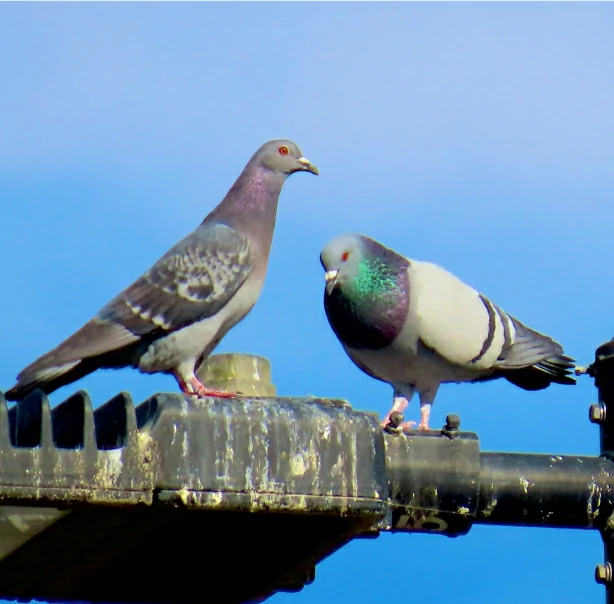
City pigeons are everywhere. You’ll see them on sidewalks, in parks, around dumpsters, and perched on buildings. They’ve adapted to urban life so well that they’re now one of the most common birds in cities worldwide.
But pigeons don’t get much respect. In fact, many people actively dislike them and consider them pests.
The nickname “flying rats” or “rats with wings” is used so commonly that it’s become the default way many people think about these birds. Where did this harsh comparison come from? Why are pigeons called flying rats?
Pigeons are called flying rats because they’re seen as dirty urban pests that eat garbage, leave droppings everywhere, carry diseases, and gather in large flocks in cities. The comparison comes from their association with filth, their scavenger behavior, their abundance in human environments, and the perception that they spread disease like rats do.
The nickname is more about human perception than scientific accuracy. While pigeons and rats do share some characteristics, the comparison says as much about how we view urban wildlife as it does about the birds themselves.
Understanding where this label came from helps explain both the reputation of pigeons and our complicated relationship with city wildlife.
The History of the “Flying Rat” Label
The term “flying rat” didn’t exist for most of human history. In fact, our relationship with pigeons used to be very different.
Pigeons were domesticated thousands of years ago. Humans bred them for food (squab), for carrying messages, and for racing. They were valued animals, not pests.
The shift happened in the 20th century as cities grew and pigeon populations exploded. In the 1960s and 70s, urban decay in many cities created perfect conditions for pigeons to thrive.
The exact origin of “flying rats” is hard to pin down, but it gained popularity in New York City in the 1980s and 90s. Woody Allen famously called pigeons “rats with wings” in one of his films, and the label stuck.
As cities struggled with both rat and pigeon problems simultaneously, the comparison became obvious to residents. Both animals were seen as dirty, disease-carrying pests that you couldn’t get rid of.
The term spread from New York to other cities and eventually worldwide. Today, calling pigeons “flying rats” is common in London, Paris, Tokyo, and basically any major urban center.
Why Pigeons Live in Cities
Understanding why pigeons are so common in cities helps explain their rat-like reputation. They’ve adapted to urban environments in ways that bring them into constant contact with humans.
Cities provide tons of food. Pigeons are scavengers that eat whatever’s available. Dropped food, garbage, intentional feeding by people, and seeds from parks all provide easy meals.
Building ledges and architecture mimic the cliff faces where wild rock pigeons (the ancestors of city pigeons) naturally nest. Cities are basically artificial cliff environments perfect for pigeons.
Predators are scarce in cities. Hawks occasionally hunt pigeons, but the predator populations are much lower than in natural environments. This allows pigeon numbers to grow unchecked.
Year-round breeding is possible in cities. The steady food supply and shelter from weather mean pigeons can reproduce continuously, not just during specific seasons.
Humans have created pigeon paradise, and then we complain when they take advantage of it. The abundance of pigeons in cities is directly caused by the resources we provide.
The Garbage Connection
One of the strongest links between pigeons and rats is their shared relationship with human garbage.
Pigeons eat food waste just like rats do. Tossed pizza crusts, dropped fries, spilled popcorn, and other street food scraps are pigeon staples. They’re not picky about freshness.
Outdoor dining areas attract flocks of pigeons. They’ve learned that people eating outside will drop crumbs and often leave food behind. Some pigeons get bold enough to steal food directly from tables.
Dumpster areas and garbage cans become feeding stations. Pigeons peck through trash looking for anything edible, just like rats digging through the same piles.
This scavenging behavior is central to the rat comparison. Both animals thrive on waste that humans produce. They’re both indicators of sanitation problems.
The visual of pigeons picking through garbage, often side by side with actual rats, reinforces the connection in people’s minds.
Droppings and Mess
If you’ve ever walked under a pigeon roosting spot, you know the mess they create. The sheer volume of droppings is one reason for their terrible reputation.
A single pigeon produces about 25 pounds of droppings per year. When you have flocks of hundreds or thousands in one area, the accumulation is massive.
Pigeon droppings are acidic and can damage buildings, cars, statues, and other structures. Historic buildings and monuments suffer real degradation from pigeon waste.
The mess isn’t just droppings. Pigeons also leave feathers, nesting materials, and food waste wherever they congregate. Areas where pigeons roost become visibly filthy.
Cleaning pigeon droppings is expensive and time-consuming. Cities spend millions on pressure washing, protective netting, and deterrents. Property owners face constant battles keeping their buildings clean.
The comparison to rats here is obvious. Both animals leave waste and mess everywhere they go, creating unsanitary conditions that cost money to clean.
Disease Concerns: Real and Perceived
The disease aspect is crucial to the “flying rat” label. Like rats, pigeons are seen as disease carriers, though the actual risk is more complicated than most people think.
Pigeons can carry diseases that affect humans. Histoplasmosis, cryptococcosis, and psittacosis are fungal and bacterial infections linked to pigeon droppings. These are real health concerns, especially for people with weakened immune systems.
Parasites like mites, fleas, and ticks live on pigeons. These can transfer to humans or into buildings, causing additional health problems.
However, the disease risk from pigeons is often exaggerated. Casual contact with pigeons or their droppings rarely causes illness in healthy people. You’d need prolonged exposure to dried droppings or direct contact.
The perception matters more than the reality. People believe pigeons spread disease, so they avoid them and view them as health hazards regardless of the actual statistical risk.
Like rats, pigeons are seen as vectors of filth and disease whether or not they’re actually making people sick in significant numbers.
Population and Ubiquity
The sheer number of pigeons in cities contributes heavily to their rat-like reputation. When you see something everywhere in large numbers, it feels like an infestation.
Some cities have pigeon populations in the hundreds of thousands or even millions. New York City alone might have over a million pigeons. That’s similar to or higher than rat population estimates.
The visibility of pigeons makes them seem even more numerous. Unlike rats that hide, pigeons are out in the open during daylight. You see them constantly.
Flocking behavior means pigeons gather in large groups. A plaza might have dozens or hundreds of pigeons at once, creating a visual spectacle that feels overwhelming.
The inability to control their numbers despite efforts at population management makes them feel like an unstoppable problem, just like rats.
When an animal is that common and that visible in your environment, “pest” and “infestation” become natural descriptions.
Appearance and Perception
Let’s be honest: people don’t think pigeons are cute. Their appearance contributes to their negative reputation.
City pigeons often look scruffy. Feather damage, missing toes (from foot injuries or string entanglement), and dirty plumage make them look unwell.
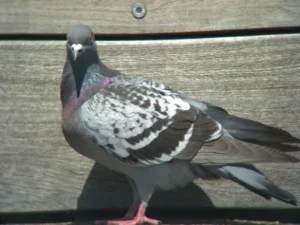
The color doesn’t help. Grays and browns aren’t typically considered attractive colors, especially when mixed with dirt and grime from the urban environment.
Their eyes are often described as “beady” or “dead,” giving them an unpleasant expression. This is totally unfair to the birds, but perception matters.
Compare this to how people view sparrows, finches, or other small birds that might be just as common. Those birds are seen as cute or at least benign. Pigeons don’t get that benefit.
Physical appearance affects how we categorize animals. Rats aren’t considered cute either (except by pet rat owners), so the comparison fits aesthetically.
Behavioral Traits Shared with Rats
Beyond appearance and habitat, pigeons and rats actually do share some behavioral characteristics that justify the comparison.
Both are highly adaptable generalists. They can survive on varied diets, live in different environments, and adjust their behavior to take advantage of whatever resources are available.
Intelligence is a shared trait. Both rats and pigeons are smarter than people give them credit for. Pigeons can recognize individual human faces, solve problems, and learn from experience.
Social behavior is similar. Both live in groups, communicate with each other, and show some level of cooperation. Pigeon flocks and rat colonies both have social structures.
Persistence is a common feature. Both animals keep coming back despite efforts to chase them away. They’re resilient and not easily discouraged.
These behavioral similarities mean the comparison isn’t completely random. There are legitimate parallels in how these animals live and interact with urban environments.
Economic Impact
Like rats, pigeons cost cities and property owners substantial money, cementing their pest status.
Building damage from droppings requires expensive repairs. The acid in pigeon waste eats away at stone, metal, and paint. Historic preservation is particularly impacted.
Cleanup costs are ongoing. Commercial pressure washing, hiring workers to scrape droppings, and maintaining deterrents all cost money.
Health and safety expenses include monitoring for disease, cleaning contaminated areas, and sometimes closing public spaces for remediation.
Agricultural losses happen when pigeons raid grain stores or eat crops. While not as severe as rat damage, it adds to the economic burden.
Aviation hazards are serious. Pigeons near airports can cause bird strikes on aircraft, creating safety risks and expensive damage.
The economic argument for treating pigeons as pests is solid. They cost society real money, just like rats do.
Why the Comparison Is Unfair
Despite all the parallels, calling pigeons “flying rats” isn’t entirely fair to the birds. There are significant differences.
Pigeons don’t bite people. Unlike rats, which can be aggressive and carry rabies, pigeons are generally harmless to humans. The worst they might do is peck if cornered.
Disease transmission is less direct. You generally need to handle pigeons or their droppings to get sick, not just share space with them like with some rat-borne diseases.
Pigeons are native to their ecological niche. Rock pigeons originally lived on cliffs. They’re not invasive; we just gave them cliff-like structures to live on.
Cultural history is different. Pigeons have been companions and helpers to humans for millennia. Rats have always been seen as pests (with some cultural exceptions).
The comparison says more about human attitudes toward urban wildlife than about the birds themselves. We’ve created environments perfect for pigeons, then blame them for thriving.
Public Feeding and the Problem It Creates
One major difference between pigeons and rats is that some people intentionally feed pigeons, making the problem worse.
Parks and plazas often have people tossing bread to pigeons. This seems harmless but creates several problems. It concentrates pigeons in one area, increases their population, and makes them dependent on humans.
Bread is actually bad for pigeons nutritionally. It fills them up without providing proper nutrition, leading to health problems in the birds.
Intentional feeding teaches pigeons to approach humans aggressively. This leads to more negative interactions and reinforces the pest perception.
Cities have tried banning pigeon feeding with mixed success. People ignore the rules, either not knowing or not caring about the consequences.
This is different from rats, which almost no one intentionally feeds (except exterminators using bait). The pigeon problem is partly self-inflicted through misguided kindness.
Control Efforts and Their Effectiveness
Cities have tried numerous methods to control pigeon populations, with varying success.
Spikes and netting prevent roosting on buildings. These physical barriers work but are expensive to install and maintain. They also look ugly.
Birth control programs using contraceptive-treated feed have been tested. Results are mixed, and the programs are expensive and require ongoing effort.
Trapping and removal can reduce local populations temporarily, but new pigeons quickly move in. Without addressing why pigeons are there, removal doesn’t work long-term.
Predator programs using trained hawks have been tried. While hawks can hunt pigeons, they can’t eliminate large populations, and the programs are costly.
The difficulty of controlling pigeons, despite significant effort and expense, mirrors the rat control problem. Both animals resist simple solutions.
Regional Attitudes and Cultural Differences
Interestingly, the “flying rat” label isn’t universal. Different cultures have different attitudes toward pigeons.
In some Middle Eastern and Asian countries, feeding pigeons is considered virtuous. The birds are seen positively, and large flocks around religious sites are accepted.
European attitudes vary. Some cities embrace their pigeon populations as part of urban character, while others fight them aggressively.
North American cities, especially in the United States, tend to view pigeons most negatively. The “flying rat” term is most common here.
These cultural differences show that the comparison is partly a social construct. The birds haven’t changed, but how we talk about them varies by location.
Media Representation
Movies, TV shows, and news coverage reinforce the “flying rat” image.
Pigeons in media are often shown as dirty, annoying pests. They’re used for comic relief or to show that a location is unpleasant or run-down.
News stories about pigeons usually focus on problems: health concerns, property damage, or failed control efforts. Positive coverage is rare.
The visual association between pigeons and urban decay in film and photography reinforces negative perceptions. Pigeons in shot signal poverty or neglect.
This media representation creates a feedback loop. People expect pigeons to be gross and pestilent, so that’s how they’re portrayed, which reinforces the expectation.
Are Pigeons Getting Worse, or Are We?
There’s an argument that the pigeon problem is less about the birds changing and more about humans creating worse conditions.
Historical photos show cities with pigeons a century ago, but the commentary was different. They weren’t universally despised the way they are now.
Modern cities produce more accessible food waste than ever before. Our throwaway culture and outdoor dining boom have created unprecedented resources for scavengers.
Sanitation challenges in growing cities mean more places for pigeons to exploit. We’ve made the problem worse while blaming the birds.
Perhaps calling pigeons “flying rats” says more about our own failures in urban planning, waste management, and coexistence with wildlife than about the birds themselves.
Conclusion
Pigeons are called flying rats because they share many characteristics with actual rats: they live in cities, eat garbage, leave droppings everywhere, carry diseases, exist in large numbers, and resist control efforts. The comparison reflects both real similarities and human frustration with urban wildlife we can’t easily manage.
The nickname gained traction in the late 20th century as cities struggled with both rat and pigeon overpopulation. Woody Allen’s famous “rats with wings” comment helped popularize the term, which spread globally as other cities faced similar problems.
While the comparison has some validity, it’s also unfair. Pigeons aren’t as dangerous as rats, they have a long history as human companions, and their abundance is largely our fault for creating ideal urban habitat. The term “flying rats” says as much about our attitudes toward urban wildlife and our own sanitation failures as it does about the birds.
Understanding why pigeons get this label helps explain broader patterns in how humans interact with wildlife in cities. We create conditions that favor certain species, then blame those species for being successful. The pigeon’s rat-like reputation is the price they pay for being too good at adapting to the environments we’ve built.

Hi, my name is Ezra Mushala, i have been interested animals all my life. I am the main author and editor here at snakeinformer.com.