

You’ve probably heard the old story about elephants being terrified of mice or rats. It’s been shown in cartoons, mentioned in movies, and passed around as a fun fact for years.
But when you think about it, the idea seems pretty strange. Elephants are massive animals that can weigh up to 14,000 pounds, while rats barely tip the scales at a pound. So why are elephants scared of rats?
Elephants aren’t actually scared of rats. This is a myth that’s been around for centuries, but research shows that elephants don’t react with fear when they come across rats or mice in the wild.
The truth is, elephants are intelligent animals with excellent eyesight and awareness of their surroundings. When they see small animals like rats, they usually just ignore them or show mild curiosity at most.
Where Did This Myth Come From?
The idea that elephants fear mice goes way back in history. Ancient writers and storytellers spread this belief thousands of years ago, and it stuck around because people found it entertaining.
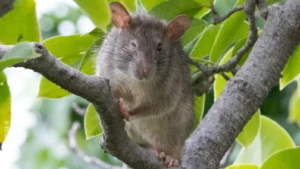
The contrast between a huge elephant and a tiny mouse made for a good story. It played into the idea that even the biggest and strongest creatures have unexpected weaknesses.
In the 1600s and 1700s, this myth appeared in European folklore and literature. Writers used it as a metaphor to show that everyone has something they’re afraid of, no matter how powerful they seem.
The myth got even more popular when circuses became common entertainment in the 1800s and 1900s. Circus trainers and performers sometimes claimed that elephants were scared of mice, which added to the mystery and appeal of their shows.
What Science Actually Shows
Scientists have tested this myth several times to see if there’s any truth to it. The results are pretty clear.
In 2006, the TV show MythBusters did an experiment with elephants at an animal sanctuary. They placed white mice in the path of elephants to see how they’d react.

The elephants noticed the mice and took a step back at first. But this wasn’t fear. It was just a normal reaction to something unexpected appearing suddenly in their path.
After a few seconds, the elephants walked around the mice without any signs of panic or distress. Some elephants even leaned down to get a closer look at the small creatures.
Animal behaviorists who work with elephants every day say the same thing. Elephants don’t show fear responses (like trumpeting, running away, or becoming aggressive) when they see rats or mice.
Why Elephants Sometimes Step Back
Even though elephants aren’t scared of rats, you might see them avoid small animals or step away from them. There are good reasons for this that have nothing to do with fear.
Elephants have really sensitive feet and trunks. Their feet can detect vibrations in the ground from miles away, and their trunks have over 40,000 muscles that help them sense their environment.
When an elephant sees a small animal dart across its path, it might step back to avoid stepping on it. This is just the elephant being careful, not scared.
Elephants are also naturally cautious animals. In the wild, they need to watch out for things that could hurt them, like snakes, which can be dangerous even to an elephant.
When something small moves quickly near an elephant’s feet or trunk, the elephant might react with caution. It’s checking to make sure the small moving thing isn’t a threat (like a snake) before continuing on its way.
What Elephants Are Actually Scared Of
While rats don’t scare elephants, there are things that genuinely frighten these massive animals. Understanding what elephants actually fear helps us see how smart and aware they really are.
Bees are one of the few small creatures that elephants genuinely avoid. African elephants, in particular, will change their route or leave an area if they hear bees buzzing nearby.

This makes sense because bee stings can hurt elephants, especially around sensitive areas like their eyes, inside their trunks, or on the thin skin behind their ears. A swarm of bees can cause real pain and distress.
Elephants also show fear responses to unfamiliar sounds or sudden loud noises. Thunder, gunshots, or the sound of vehicles they’re not used to can make them nervous or scared.
Humans are actually one of the biggest sources of fear for wild elephants. In areas where elephants have been hunted or had negative experiences with people, they become very wary and will avoid humans whenever possible.
Young elephants can be scared of unfamiliar large animals they haven’t seen before. Lions and hyenas can also frighten elephants, especially when calves are present in the herd.
How Elephants Actually Behave Around Small Animals
When you watch elephants in the wild or in sanctuaries, you can see how they really interact with small creatures. Their behavior shows intelligence and awareness, not fear.
Elephants often share their space with all kinds of small animals. Birds land on their backs to eat insects. Small mammals run around near their feet looking for food.
The elephants don’t panic or run away. They just go about their business, eating, drinking, and socializing with their herd.
In fact, elephants are known for being gentle despite their size. They’re careful where they step and will often avoid stepping on smaller animals if they can help it.
Researchers have watched elephants investigate small animals out of curiosity. They might use their trunk to gently touch or smell a small creature, trying to figure out what it is.
This curiosity-driven behavior is the opposite of fear. An animal that’s truly scared doesn’t stick around to investigate. It runs away or tries to defend itself.
Why This Myth Won’t Go Away
Even though science has proven this myth wrong, it keeps popping up in movies, books, and conversations. There are several reasons why the elephant and mouse story has such staying power.
The image is really striking and memorable. A giant elephant jumping on a chair to get away from a tiny mouse is funny and creates a vivid mental picture.

Stories and myths that play with size contrasts have always been popular. Think of David and Goliath, or other tales where the small underdog faces off against something much bigger.
The myth also fits into how people think about fear. We all know that fears don’t always make logical sense. Someone might not be scared of driving a car but terrified of spiders.
So the idea that an elephant might fear something as small as a mouse doesn’t seem completely impossible to many people. It plays into our understanding that fear isn’t always rational.
Cartoons and children’s stories have also kept this myth alive for new generations. When kids grow up watching elephants run from mice in animated shows, they often carry that belief into adulthood.
The Real Intelligence of Elephants
Understanding what elephants are actually like helps us appreciate these animals even more than any silly myth could. Elephants are incredibly smart creatures with complex behaviors.
Elephants have excellent memories and can remember other elephants and humans they’ve met decades earlier. They can recognize themselves in mirrors, which is a sign of self-awareness that only a few animals have.
They show empathy and emotional intelligence. Elephants grieve when members of their herd die, sometimes returning to the bones of deceased elephants and touching them gently with their trunks.
In terms of fear responses, elephants are thoughtful and strategic. They don’t panic easily and will usually assess a situation before deciding how to react.
When elephants do feel threatened, they have a whole range of responses. They might trumpet loudly, flap their ears to look bigger, charge at the threat, or simply leave the area with their herd.
Their real survival instincts are based on actual dangers they face in the wild, like predators, lack of water, human threats, and environmental changes. Not mice or rats.
What This Means for Elephant Conservation
Getting the facts straight about elephants matters for more than just correcting a fun myth. It actually affects how we think about and protect these endangered animals.
When people believe myths about elephants, they might not take these animals as seriously as they should. Elephants are facing real threats in the wild, including habitat loss, poaching, and human-wildlife conflict.
Understanding that elephants are intelligent, emotionally complex animals helps people care more about protecting them. It’s harder to dismiss or ignore the needs of creatures we understand and respect.
Conservation efforts work better when they’re based on accurate information about how elephants actually behave and what they really need to survive.
For example, knowing that elephants fear bees has led to creative conservation solutions. Some farmers in Africa now use “beehive fences” to keep elephants away from crops without hurting them.
This is a perfect example of how understanding real elephant behavior (not myths) can help both elephants and humans coexist better.
How Rats and Elephants Actually Share Space
In places where elephants and rats live in the same areas, the two species mostly ignore each other. Their lives don’t really overlap in ways that would cause conflict or fear.

Rats are usually active at night and stick to areas where they can find food and shelter, like human settlements, garbage areas, or dense vegetation. Elephants are active during the day and at dawn or dusk, roaming over large territories.
When their paths do cross, neither species shows much interest in the other. The rat is too small to be a threat or even interesting to an elephant, and the elephant is just part of the landscape to a rat.
In zoos and sanctuaries, staff members have observed the same thing. Rats sometimes live in or around elephant enclosures, attracted by spilled food or bedding materials.
The elephants don’t react with fear or aggression. They might briefly investigate if they notice a rat, but then they move on with their day.
This real-world coexistence is pretty boring compared to the myth, but it shows the truth about how these animals actually interact (or don’t interact).
Other Myths About Elephants
The mouse myth isn’t the only false belief about elephants that people have. Several other myths about these animals continue to spread despite being proven wrong.
One common myth is that elephants are afraid of fire. While elephants are cautious around fire (as most animals are), they’re not paralyzed by fear of it. In fact, African elephants have been observed walking through areas recently burned by wildfires.
Another myth says elephants never forget anything. While elephants do have impressive memories, they don’t remember absolutely everything perfectly. Their memory is very good, especially for things important to survival, but they’re not walking recording devices.
Some people believe elephants go to special “elephant graveyards” when they know they’re about to die. This isn’t true. Sick or dying elephants might seek out areas with water and soft ground, and these areas might accumulate bones over time, but there’s no mystical graveyard instinct.
There’s also a belief that elephants can’t jump. This one is actually true! Elephants are the only mammals that can’t jump. Their body structure and weight make jumping impossible.
Teaching Kids the Truth
Since the elephant and mouse myth is so common in children’s entertainment, it’s worth thinking about how we teach kids about animals. Accurate information is better than entertaining myths.
When children learn real facts about elephants, they develop a better understanding of nature and science. They learn that animals behave in ways that make sense for their survival, not because of cartoon logic.
Real elephant behavior is actually more interesting than the myths. Kids are amazed when they learn that elephants can recognize themselves in mirrors, mourn their dead, and communicate over long distances.
Teaching the truth also helps kids develop critical thinking skills. When they learn that a common belief (like elephants fearing mice) is actually false, it encourages them to question other things they hear.
This doesn’t mean we can’t enjoy playful stories with elephants and mice. But it’s good to explain to kids that these are just fun stories, not how elephants really act.
Many modern children’s books and educational programs now present accurate information about elephants while still being entertaining and age-appropriate.
Conclusion
The myth that elephants are scared of rats has been around for centuries, but it’s just that, a myth. Real elephants don’t show fear when they come across rats or mice. They might step back out of caution or curiosity, but this isn’t the same as being scared.
Scientists have tested this belief multiple times and found no evidence that elephants fear small rodents. What elephants actually fear makes much more sense: bees (which can sting them), unfamiliar loud sounds, and threats from predators or humans.
Understanding the truth about elephants helps us appreciate these intelligent, emotionally complex animals even more. They’re not cartoon characters with irrational fears. They’re real creatures with behaviors that make sense for their survival in the wild.
The next time you hear someone repeat the old story about elephants and mice, you can share what you now know. Real elephant behavior is far more interesting than any myth, and these amazing animals deserve to be understood for who they really are.

Hi, my name is Ezra Mushala, i have been interested animals all my life. I am the main author and editor here at snakeinformer.com.