
Rat poison is one of the most common ways people deal with rat infestations, but have you ever wondered what’s actually happening inside a rat’s body when it eats poison?
The process isn’t instant or simple, and different types of poison work in different ways to kill rats.
Some prevent blood clotting, while others attack the nervous system or cause other fatal problems. So why and how does rat poison kill rats?
Rat poison kills rats mainly by preventing blood clotting (anticoagulants), which causes fatal internal bleeding over several days. Other poisons work by attacking the nervous system, causing kidney failure, or creating lethal calcium imbalances. The poison disrupts normal body functions until the damage becomes so severe that the rat dies.
The reason poison is used instead of just traps is that it can eliminate large rat populations more efficiently.
One bait station can kill multiple rats over time, whereas traps only catch one rat at a time.
Understanding how poison actually kills rats helps explain why it works and what to expect when using it.
How Anticoagulant Poisons Work
Anticoagulant poisons are the most common type of rat poison used today, and they work by stopping blood from clotting properly.
Your blood normally clots when you get a cut or injury to stop bleeding. This clotting process requires vitamin K, which helps produce special proteins that make your blood clot. Anticoagulant poisons block vitamin K from working properly.

When a rat eats anticoagulant poison, the poison gets absorbed into its bloodstream.
From there, it travels to the liver, where vitamin K normally does its job. The poison molecules bind to enzymes that activate vitamin K, basically blocking the vitamin from doing what it’s supposed to do.
Without functional vitamin K, the rat can’t produce clotting factors.
These are proteins with names like Factor II, Factor VII, Factor IX, and Factor X. When the rat runs out of the clotting factors it already has in its body, it loses the ability to stop bleeding.
Why The Bleeding Doesn’t Start Right Away
Here’s where it gets a little more interesting.
The existing clotting factors in the rat’s body keep working for a while.
This is why anticoagulant poisons don’t kill immediately. The rat has some clotting factors already circulating in its blood, and these continue working for 2-3 days after the rat eats poison. Only when these run out does the bleeding problem start.

Once clotting factors are depleted, the rat starts bleeding internally.
This isn’t one big dramatic bleed like you’d see from a cut. Instead, tiny blood vessels throughout the body start leaking. Blood seeps into the rat’s tissues, organs, and body cavities.
The internal bleeding gets worse over time.
More and more tiny blood vessels leak, and since the blood can’t clot, the bleeding doesn’t stop. Blood accumulates in the rat’s chest cavity, abdominal cavity, brain, and other organs.
Eventually, the rat dies from blood loss and organ damage.
The rat might bleed into its lungs, making it unable to breathe properly. Or it might bleed into its brain, causing neurological problems.
The massive internal blood loss causes shock, and the rat’s organs shut down.
First-Generation vs Second-Generation Anticoagulants
Not all anticoagulant poisons are equally strong, and they’re divided into two categories based on how potent they are.
First-generation anticoagulants are older and less potent.
These include warfarin, chlorophacinone, and diphacinone. Rats need to eat these poisons multiple times over several days to build up a lethal dose in their body.
One feeding usually isn’t enough to kill them.
Second-generation anticoagulants are much more powerful.
Products like brodifacoum, bromadiolone, and difethialone can kill a rat after just one or two feedings. These newer poisons were developed because some rat populations became resistant to first-generation products.
The mechanism is the same, but second-generation products stick around longer in the rat’s body.
They accumulate in the liver and fatty tissues, continuing to block vitamin K for weeks after the rat eats the poison. This extended action makes them more lethal even with smaller doses.
First-generation poisons typically kill rats in 4-7 days.
The rat needs to eat the bait multiple times, and then it takes several more days for the clotting factors to deplete and internal bleeding to become fatal.
Why Second-Generation Poisons Are Much Stronger
Second-generation poisons can kill in 2-5 days.
Because they’re more potent and last longer in the body, rats don’t need to eat as much. Even a single feeding can provide enough poison to eventually kill the rat.
The trade-off is that second-generation poisons are more dangerous to other animals.
Because they persist in the rat’s body for so long, predators or scavengers that eat poisoned rats can get secondary poisoning. Pets and wildlife are at higher risk with these products.
Non-Anticoagulant Poisons
Not all rat poisons work by preventing blood clotting. Some newer or specialty poisons use completely different mechanisms to kill rats.
Bromethalin is a neurotoxin that attacks the rat’s nervous system.

When a rat eats bromethalin poison, it interferes with the rat’s brain cells. Specifically, it stops cells from producing energy properly by disrupting their mitochondria (the part of cells that makes energy).
Without energy, nerve cells can’t pump out excess fluid.
This causes swelling in the brain and spinal cord. As these tissues swell inside the rat’s skull and spine, they get compressed, leading to serious neurological damage.
Rats poisoned with bromethalin show neurological symptoms.
They might become paralyzed, have seizures, lose coordination, or become unable to move their back legs. The brain swelling eventually becomes so severe that the rat dies, usually within 1-2 days.
Poisons That Shut Down Organs Or Release Toxic Gas
Other poisons take a completely different route.
Cholecalciferol is basically a massive overdose of vitamin D3.
When rats eat this poison, their calcium levels go way too high. The excess calcium deposits in the rat’s kidneys, heart, and blood vessels, causing these organs to fail.
The rat’s kidneys stop working properly, and toxins build up in the blood.
The heart can develop irregular rhythms or stop pumping effectively. Blood vessels can become damaged. Death usually occurs within 3-4 days from kidney failure or heart problems.
Zinc phosphide reacts with stomach acid to create poisonous gas.
When a rat eats zinc phosphide and it hits the stomach acid, it produces phosphine gas. This toxic gas damages cells throughout the body, especially in the lungs, liver, kidneys, and heart.
Rats can die from zinc phosphide within hours to a few days.
The gas disrupts normal cell function, causes severe tissue damage, and leads to multiple organ failure. This type of poison works faster than anticoagulants but can be more dangerous to handle.
The Timeline of Death from Rat Poison
Understanding the timeline helps you know what to expect when using rat poison and when you might find dead rats.
Day 1: The rat eats the poisoned bait.
At this point, nothing happens to the rat. It feels completely normal and doesn’t know it just consumed something lethal.
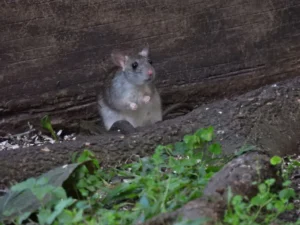
The poison is being absorbed into its bloodstream, but there are no symptoms yet.
Days 2-3: The poison starts working, but the rat still seems fine.
With anticoagulant poisons, the existing clotting factors in the rat’s blood are still working. The rat continues its normal activities, eating, drinking, and moving around. It might even come back to eat more poisoned bait.
Days 3-4: Internal bleeding begins.
For anticoagulant poisons, this is when the clotting factors run out and tiny blood vessels start leaking. The rat might start feeling weak or tired but is still mobile. External signs of illness might not be obvious yet.
When Symptoms Get Worse And Death Occurs
This is where things start to go downhill quickly.
Days 4-5: Symptoms become more obvious.
The rat becomes lethargic and weak from blood loss. It might have trouble moving around and spend more time resting. Its breathing might become labored if there’s bleeding in the lungs. The rat stops eating and drinking normally.
Days 5-7: The rat is dying or dead.
By this point, the internal bleeding has caused severe damage. The rat might be barely moving or already dead. Many rats seek out water when dying (which is why they sometimes leave your house before dying outside).
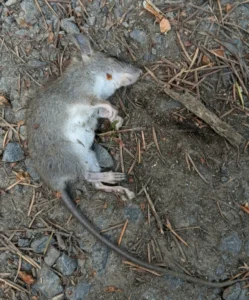
The exact timeline varies based on several factors.
The type of poison, how much the rat ate, the rat’s size and health, and whether it ate the poison multiple times all affect how quickly death occurs.
Some rats die faster, especially with second-generation anticoagulants or neurotoxins.
Death can happen in as little as 24-48 hours with certain poisons if the rat ate a large amount. Smaller doses might take the full week or even longer.
Why Rats Die Slowly Instead of Instantly
You might wonder why rat poison is designed to work slowly rather than killing rats immediately.
Instant-kill poisons would trigger bait shyness in the rat population.
If a rat ate poison and immediately got sick or died, other rats would notice and avoid that bait forever. Rats are smart and learn to avoid foods that harm members of their group.
The delayed death prevents rats from connecting the bait with the consequences.
By the time the rat starts feeling sick (days later), it doesn’t remember or associate those symptoms with the bait it ate. It keeps coming back to eat more poison because it doesn’t realize the bait is dangerous.
How Slow Poison Helps Kill More Rats
There’s actually a strategy behind the delay
Multiple feedings ensure a lethal dose is consumed.
If poison worked instantly, rats might only take one small bite before dying, and you’d need to perfectly calculate the dose in that one bite. Slow-acting poisons let rats eat over several days, ensuring they consume enough to die.
The slow death also reduces suffering compared to some alternatives.
While it might seem cruel that rats die slowly, anticoagulant poisoning is actually considered more humane than some other methods because rats gradually become weaker and lethargic before dying, rather than experiencing acute pain.
The delayed action helps poison work on entire populations.
Because rats don’t immediately die, they continue their normal routines for days while poisoned. This means multiple rats can eat from the same bait station before the first rat dies, making the poison more efficient at eliminating infestations.
What Happens to the Rat’s Body During Poisoning
The physical changes happening inside a poisoned rat’s body are pretty dramatic and explain why the poison is lethal.
Blood accumulates in body cavities.
With anticoagulant poisoning, blood leaks from tiny vessels into the chest cavity, abdominal cavity, and the space around organs. This free-floating blood can’t deliver oxygen or nutrients, it’s just wasted.
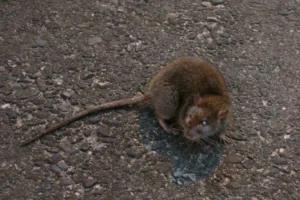
The rat essentially bleeds internally without any external injury.
You won’t see blood on the outside of the rat, but inside, it might have lost 30-50% of its blood volume into these internal spaces.
Organs become damaged from lack of blood flow.
As more blood leaks out of circulation, the rat’s organs don’t get enough oxygen. The brain, heart, kidneys, and liver all need constant blood flow to function, and they start failing when circulation drops.
Why Rats Become Weak And Eventually Shut Down
As things progress, the whole body starts to fail.
The rat becomes anemic from blood loss.
With so much blood lost to internal bleeding, what remains in circulation becomes thin and can’t carry enough oxygen. The rat’s gums and tongue might turn pale instead of their normal pink color.
Breathing becomes difficult.

If blood accumulates in the chest cavity or lungs, it compresses the lungs and makes breathing hard. The rat might breathe rapidly or make wheezing sounds as it struggles to get enough air.
The rat becomes weak and lethargic from multiple factors.
Low blood oxygen, damaged organs, and the general stress on the body make the rat progressively weaker. It moves slowly, stumbles, or can’t walk at all in the final stages.
With neurotoxic poisons like bromethalin, the nervous system shuts down.
The rat loses coordination first, then paralysis sets in, usually starting with the back legs. Eventually, the rat can’t move at all and dies from respiratory failure when the breathing muscles stop working.
Where Rats Go When They’re Dying from Poison
One common myth about rat poison is that rats always leave your house to die outside, but the reality is more complicated.
Some rats do leave to find water.
Many dying rats become extremely thirsty as their bodies shut down. They might leave the building in search of water, which is why you sometimes find dead rats outside near water sources.
But plenty of rats die inside your walls, attic, or hidden spaces.
If the rat is too weak to travel far, or if it’s already in its nesting area when symptoms get severe, it’ll die wherever it happens to be. This can lead to terrible smells as the rat decomposes inside your walls.
Rats don’t “know” to leave your house before dying.
This is a myth that poison manufacturers sometimes promoted to make their products seem cleaner. The truth is rats are just acting on instinct (seeking water) or dying wherever they happen to be when they become too weak to move.
Where You’re Most Likely To Find Dead Rats
The location where rats die depends on several factors.
How far along the poisoning is when the rat becomes too weak, where the rat’s nest is located, whether there’s water available inside, and whether the rat is near an exit all influence where you’ll find dead rats.
You might find dead rats in surprising places.
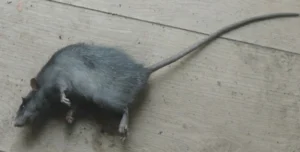
Rats can die in air vents, inside appliances, under floors, in insulation, behind walls, in cupboards, or basically anywhere they were when they became too weak to go further.
The smell of dead rats can help you locate them.
If a rat dies inside your walls, you’ll usually smell it within 3-5 days as decomposition starts. The smell can help you narrow down where the dead rat is located, though getting to it might require cutting into walls.
Why Rats Develop Resistance to Poison
In some areas, rats have become resistant to certain poisons, which is a growing problem for pest control.
Genetic mutations can make some rats immune to anticoagulants.
These resistant rats have a slightly different form of the enzyme that anticoagulant poisons normally block. The poison can’t bind to this modified enzyme, so it doesn’t prevent vitamin K from working.
Resistant rats can eat poison without dying.
They might eat the same amount of poison that would kill a normal rat, but they survive because their bodies can still produce clotting factors. These rats continue living and breeding, passing the resistance to their offspring.
Why Resistance Keeps Getting Worse Over Time
This didn’t happen overnight.
Resistance first appeared in areas where the same poison was used repeatedly for years.
When the same anticoagulant was used over and over, it created strong selective pressure. Normal rats died, but any rats with even slight resistance survived and reproduced. Over generations, the population became increasingly resistant.

Some rat populations are now highly resistant to first-generation anticoagulants.
In these areas, warfarin and similar older poisons simply don’t work anymore. Rats can eat them without any ill effects, making these products useless for pest control.
Second-generation anticoagulants were developed partly to combat resistance.
These more potent poisons can overcome some forms of resistance because they block vitamin K more completely and persist longer in the rat’s body. However, resistance to these is also starting to appear in some areas.
This has led to the development of non-anticoagulant poisons.
Products like bromethalin and cholecalciferol work through completely different mechanisms, so rats resistant to anticoagulants aren’t resistant to these. They provide alternative options for areas with resistant rat populations.
Conclusion
Rat poison kills rats mainly by preventing blood clotting, which causes fatal internal bleeding over several days, though other types attack the nervous system or cause organ failure through different mechanisms.
The slow-acting nature of most poisons is intentional because it prevents rats from learning to avoid the bait. By the time symptoms appear, the rat has already consumed a lethal dose and doesn’t connect its illness with the food it ate days earlier.
Understanding how poison works helps you use it more safely and effectively.
You’ll know what timeline to expect for rat deaths, why you might find dead rats in certain locations, and why protecting pets and wildlife from poison exposure is so important.
While poison can be effective for eliminating rat infestations, it should always be used carefully with proper precautions.

Hi, my name is Ezra Mushala, i have been interested animals all my life. I am the main author and editor here at snakeinformer.com.