

Cities are packed with people, buildings, and noise, but they’re also home to millions of rats. You’ve probably seen one scurrying across a sidewalk or disappearing into a storm drain.
Rats are incredibly good at finding places to live in urban areas, and they’re not picky about where they set up camp. If you’ve ever wondered exactly where city rats hide and build their nests, you’re not alone. Where do rats live in the city?
Rats live in sewers, subways, basements, alleys, dumpster areas, abandoned buildings, wall voids, attics, and anywhere else that offers food, water, and shelter. They’re adaptable and can make a home in almost any urban environment as long as their basic needs are met.
Cities aren’t just tolerable for rats. They’re actually perfect. Urban areas give rats everything they need: endless food from garbage and restaurants, water from leaky pipes and puddles, and countless hiding spots in buildings and infrastructure.
That’s why rat populations in cities can get so out of control.
Why Cities Are Perfect for Rats
Rats didn’t end up in cities by accident. Urban environments are basically designed (unintentionally) to support them.
First, there’s the food. Cities produce massive amounts of garbage every single day. Restaurants throw out food, people toss half-eaten meals, and dumpsters overflow. For a rat, that’s an all-you-can-eat buffet that never closes.
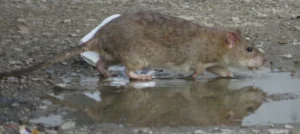
Second, there’s water everywhere. Leaky pipes, puddles, drainage systems, and even condensation give rats all the moisture they need. They don’t have to go far to find a drink.
Third, cities have tons of shelter. Buildings have cracks, holes, and voids. Sewers and subways create underground networks. Parks have bushes and burrows. There’s always somewhere for a rat to hide.
Fourth, cities are warm. Buildings generate heat, and underground spaces stay insulated. Even in winter, rats can find warm spots to survive.
Finally, cities have fewer natural predators. Hawks, owls, and snakes aren’t common in urban areas, so rats don’t have as much to worry about.
Common Places Rats Live in Cities
Rats are opportunistic, which means they’ll live wherever they can find what they need. Here’s a breakdown of the most common places you’ll find rats in cities:
| Location | Why Rats Live There | Signs of Rats |
|---|---|---|
| Sewers | Warm, protected, lots of water, access to food waste | Rats coming up through drains, sewer grates with droppings nearby |
| Subways | Shelter from weather, warmth, food dropped by passengers | Rats on tracks, droppings on platforms, nests near third rail |
| Basements | Dark, quiet, access to food storage, near pipes | Droppings, gnaw marks, scratching sounds at night |
| Alleys | Close to dumpsters, lots of hiding spots, low foot traffic | Burrows in dirt, rat runways along walls, droppings near trash |
| Dumpster Areas | Constant food supply, cover from bins and debris | Rats at night, chewed garbage bags, burrows under dumpsters |
| Abandoned Buildings | No human activity, plenty of nesting materials, access to food nearby | Nests in walls, droppings, gnaw marks on wood and wires |
| Wall Voids | Hidden, warm, close to human food sources | Scratching inside walls, droppings in attic, grease marks along baseboards |
| Parks | Vegetation for cover, trash cans, people feeding birds | Burrows under bushes, droppings near benches, rats at dusk |
| Rooftops | Roof rats prefer height, access to trees and power lines | Droppings on roofs, gnaw marks on wires, nests in attics |
| Storm Drains | Water source, shelter, connects to sewer system | Rats emerging at night, droppings near grates |
Sewers: The Classic Rat Home
When people think of city rats, they usually picture sewers, and for good reason. Sewers are one of the most common places rats live in urban areas.
Sewers give rats everything they need. There’s water running through them constantly, they’re protected from weather and predators, and they connect to food sources through drains and pipes.
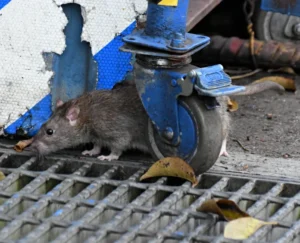
Norway rats (the most common city rat) are especially fond of sewers because they’re good swimmers and don’t mind damp environments. They’ll build nests in dry spots along sewer walls and come up through drains at night to find food.
You’ll know rats are living in sewers if you see them coming up through storm drains, manhole covers, or toilet drains (yes, that actually happens). You might also see droppings around sewer grates or catch a whiff of that musty rat smell near drain openings.
Subways: Underground Cities for Rats
If you’ve ever ridden a subway, you’ve probably seen rats. Subway systems are like underground cities for rats, and they love them.
Subways stay warm year-round because of the heat from trains and electrical systems. They’re also protected from rain, snow, and predators. Plus, passengers drop food constantly, whether it’s crumbs from a sandwich or a spilled bag of chips.
Rats in subways build nests near the tracks, especially in alcoves, tunnels, and maintenance areas. They’ll also hang out near the third rail (the electrified rail) because it’s warm.
You’ll see rats running along the tracks at night when trains stop running. During the day, they usually hide, but if the population is big enough, you might see them scurrying around even when people are on the platform.
Basements: A Quiet Spot to Nest
Basements are another favorite spot for city rats, especially in residential buildings and older apartment complexes.
Basements are dark, quiet, and usually full of storage items that create hiding spots. They’re also close to pipes, which means water access, and they often connect to the rest of the building through gaps in walls or floors.
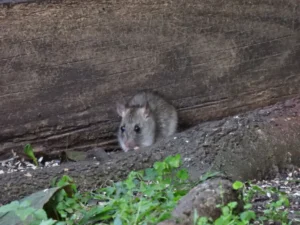
Rats will build nests in cardboard boxes, old furniture, or piles of clutter. They’ll chew through stored food, electrical wires, and insulation to make themselves comfortable.
If you’ve got rats in your basement, you’ll probably hear scratching or scurrying at night. You’ll also find droppings, grease marks along walls (from their oily fur), and gnaw marks on boxes, wires, or wood.
Alleys: The Back Routes of the City
Alleys are like highways for rats. They’re usually less busy than streets, they’re close to dumpsters, and they have lots of hiding spots.
Rats will burrow into dirt or gravel in alleys, especially near building foundations. They’ll also squeeze into gaps between buildings or hide behind trash bins.
At night, you’ll see rats running along the edges of alleys, sticking close to walls to avoid being seen. During the day, they stay hidden in burrows or under debris.
If you walk through an alley and see small holes (about 2-4 inches wide) near walls or dumpsters, those are probably rat burrows. You’ll also notice runways (trails) along the base of walls where rats travel back and forth.
Dumpster Areas: A Rat’s Dream
Dumpsters are magnets for rats. They’re full of food waste, they create shelter, and they’re usually in quiet areas behind buildings.
Rats will burrow under dumpsters, nest in piles of trash nearby, or even climb into the bins themselves if the lids aren’t secure. Restaurants and grocery stores are especially attractive because they throw out tons of food every day.

You’ll know rats are living near dumpsters if you see them at night when it’s quiet. You’ll also find droppings, chewed garbage bags, and burrow holes in the dirt or pavement nearby.
To keep rats away from dumpsters, make sure lids are closed tight, clean up spills, and remove trash regularly. If dumpsters sit on dirt or gravel, consider putting them on concrete to make it harder for rats to burrow.
Abandoned Buildings: A Safe Haven
Abandoned buildings are perfect for rats because there’s no human activity to disturb them.
These buildings usually have broken windows, holes in walls, and piles of debris that create hiding spots. Rats will build nests in walls, ceilings, and floors, and they’ll use the building as a base while they search for food nearby.
If you go into an abandoned building, you’ll probably find droppings, nests made of shredded paper or fabric, and gnaw marks on everything. The smell is usually a dead giveaway too. Rat urine has a strong ammonia-like odor that’s hard to miss.
Abandoned buildings can house massive rat colonies, and if the building is near residential areas, those rats can easily spread to nearby homes.
Wall Voids and Attics: Hidden Nests
Rats are experts at finding their way inside buildings, and once they’re in, they love to nest in wall voids and attics.
Wall voids (the empty spaces between walls) are perfect because they’re dark, quiet, and close to human food sources. Rats will chew through drywall, insulation, and wires to make room for nests.
Attics are also popular, especially for roof rats, which prefer to nest high up. Attics are warm, dry, and full of insulation that makes great nesting material.
If you’ve got rats in your walls or attic, you’ll hear them. They’re most active at night, and you’ll hear scratching, squeaking, or scurrying sounds. You’ll also find droppings, grease marks along beams, and shredded insulation.
Parks: Green Spaces Aren’t Rat-Free
You might think city parks are too open for rats, but they’re actually pretty common there.
Parks have bushes, trees, and tall grass that give rats cover. They also have trash cans that overflow with food waste, and people often feed birds or squirrels, which attracts rats too.

Rats in parks will burrow under bushes, in flower beds, or near building foundations. They’re most active at dawn and dusk when there are fewer people around.
If you sit in a park at dusk, you might see rats running along paths or near trash cans. You’ll also notice burrows, droppings, and runways in the grass.
Rooftops: A Spot for Roof Rats
Not all rats live on the ground. Roof rats (also called black rats) prefer to live high up, and you’ll find them on rooftops, in trees, and along power lines.
Roof rats are smaller and more agile than Norway rats, and they’re great climbers. They’ll use tree branches, vines, or utility lines to access rooftops, and they’ll nest in attics, eaves, or gaps in the roof.
If you’ve got roof rats, you’ll see droppings on the roof, gnaw marks on wires or wood, and maybe even rats running along power lines at night.
Storm Drains: A Gateway to the Underground
Storm drains are another common place for rats, especially in cities with lots of rain.
Storm drains collect water from streets and funnel it underground, and rats use them as entry and exit points. They’ll live in the drain system itself or use it to travel between different parts of the city.
At night, you might see rats coming out of storm drains to search for food. During the day, they stay hidden underground.
How Rats Move Around the City
Rats don’t just stay in one spot. They’re constantly moving to find food, water, and safe places to nest.
Rats use what’s called “runways,” which are paths they travel over and over. These runways are usually along walls, fences, or other structures that give them cover. You’ll notice runways because the grass or dirt looks worn down, and there might be grease marks from their fur.
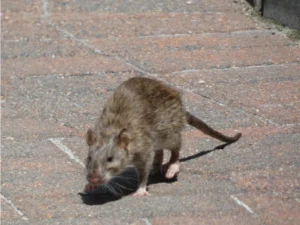
Rats also use underground systems like sewers and subway tunnels to travel long distances without being seen. They can move from one neighborhood to another through these networks.
At night, rats are bold enough to cross streets, climb buildings, and explore new areas. During the day, they stick to hidden spots and avoid open spaces.
What Attracts Rats to Certain City Areas
Not all parts of a city have the same number of rats. Certain areas are more attractive than others.
Rats are drawn to places with lots of food waste. Neighborhoods with restaurants, markets, or dense residential areas tend to have more rats because there’s more garbage.
They’re also attracted to older buildings with more cracks, gaps, and structural issues. Newer buildings with better construction are harder for rats to get into.
Water sources matter too. Areas near rivers, lakes, or leaky infrastructure give rats easy access to water.
Finally, rats avoid areas with lots of activity. Busy streets and well-lit areas make them nervous, so they stick to quieter spots.
How Cities Try to Control Rat Populations
Cities use a bunch of different methods to keep rat populations under control.
First, they focus on sanitation. Picking up garbage regularly, cleaning streets, and sealing dumpsters all help reduce food sources for rats.
Second, they use poison and traps. Cities place bait stations in alleys, parks, and other rat-heavy areas. These stations contain poison that kills rats when they eat it.

Third, they seal up buildings. Cities offer programs to help homeowners and landlords fix cracks, holes, and gaps that rats use to get inside.
Fourth, they work on infrastructure. Fixing broken sewer grates, repairing storm drains, and maintaining subway systems all help reduce rat habitats.
Some cities also use birth control for rats. This is a newer method where special bait makes female rats infertile, which slows down population growth without killing them.
How to Keep Rats Away from Your City Home
If you live in a city and want to keep rats out of your home, there are some simple steps you can take.
First, seal up entry points. Check your home for cracks, gaps, and holes, especially around pipes, vents, and doors. Rats can squeeze through spaces as small as a quarter, so even tiny gaps matter.
Second, store food properly. Keep pantry items in sealed containers, don’t leave pet food out overnight, and clean up crumbs and spills right away.
Third, manage your trash. Use bins with tight-fitting lids, don’t leave garbage bags sitting outside, and take trash out regularly.
Fourth, eliminate water sources. Fix leaky faucets, pipes, and drains. Don’t leave standing water in sinks, tubs, or bowls.
Fifth, keep your home clean. Clutter gives rats places to hide, so declutter basements, attics, and storage areas. Vacuum and sweep regularly to remove food debris.
If you see signs of rats (droppings, gnaw marks, scratching sounds), act fast. The longer you wait, the worse the problem gets.
Conclusion
So, where do rats live in the city? Pretty much everywhere. Sewers, subways, basements, alleys, dumpsters, abandoned buildings, wall voids, parks, rooftops, and storm drains are all common rat habitats.
Rats are drawn to cities because they offer endless food, water, and shelter. They’re adaptable, smart, and incredibly good at finding places to hide and nest.
If you live in a city, you’re sharing your space with rats whether you see them or not. The key is making your home and neighborhood less attractive to them by managing trash, sealing up buildings, and eliminating food and water sources.
Rats will always be part of city life, but that doesn’t mean they have to be part of your life.

Hi, my name is Ezra Mushala, i have been interested animals all my life. I am the main author and editor here at snakeinformer.com.