

If you’ve got rats in your home or have seen them around at night, you might notice they seem to disappear when the sun comes up. It’s like they vanish into thin air.
Rats are mostly active at night, but they don’t just stop existing during the day. So where do rats go during the day?
Rats hide in dark, quiet, and protected places during the day. Common hiding spots include wall voids, attics, basements, crawl spaces, behind appliances, inside furniture, under piles of clutter, and in burrows underground. They sleep and rest during daylight hours and come out at night to look for food.
Rats are nocturnal animals, which means they’re most active when it’s dark. During the day, they stay hidden to avoid predators and sleep.
Understanding where rats hide can help you find and eliminate them. If you know their hiding spots, you can set traps or seal up the areas they’re using.
Why Rats Are Mostly Active at Night
Before we talk about where rats hide during the day, it helps to understand why they’re nocturnal in the first place.
In the wild, rats face many predators like hawks, owls, cats, dogs, and other animals. Most of these predators hunt during the day.
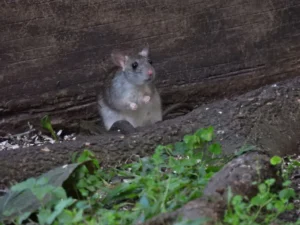
By being active at night, rats can search for food without being as visible to predators. Darkness provides cover and safety.
Rats also have excellent night vision. Their eyes are adapted to see in low light conditions, giving them an advantage when it’s dark.
Their other senses are really strong too. Rats have excellent hearing and sense of smell, which help them find food and avoid danger even when they can’t see well.
In urban environments, nighttime means fewer humans around. Rats have learned that it’s safer to move around when people are asleep.
There’s also less competition for food at night. Other animals that might compete with rats for the same food sources are often active during the day.
The Most Common Hiding Spots Inside Your Home
When rats get into your home, they look for places that are dark, warm, and safe.
Here are the most common spots where they hide during the day.
1. Wall Voids Are Perfect Rat Hideouts.
The space between walls provides darkness, insulation, and protection from predators.
Rats can squeeze through surprisingly small gaps to access these areas and build nests using insulation, paper, or fabric.
2. Attics Are One of the Most Popular Rat Hiding Places.
They’re rarely visited by humans, usually warm, and often have insulation that rats can burrow into.
Rats in attics typically enter through roof vents, gaps in soffits, or openings where utility lines enter the house.
3. Basements and Crawl Spaces Offer Similar Advantages.

They’re dark, quiet, and often cluttered with stored items that provide additional cover.
Rats especially like basements with lots of boxes or unused furniture to hide behind.
4. Behind Appliances Like Refrigerators, Stoves, and Washing Machines Is Another Favorite Spot.
The space behind refrigerators, stoves, washers, and dryers provides warmth (especially near motors), darkness, and protection.
Rats can slip into these tight spaces easily.
5. Inside Furniture Is Also Common.
Old couches, recliners, and mattresses can have rats living inside them without you knowing.
6. Under Sinks and in Cabinets Provide Dark, Enclosed Spaces.
Rats often nest in the space under kitchen or bathroom sinks.
7. Inside Cabinets, Especially Lower Kitchen Cabinets, Gives Rats Access to Food and Shelter.
They might nest in the back corners behind pots and pans, or even chew through the back panel to access wall voids.
8. Closets With Lots of Stored Items Give Rats Places to Hide Among Boxes, Clothes, and Other Clutter.
Piles of boxes, old clothes, newspapers, or other stored items create a maze of hiding spots.
Rats can build nests deep in the clutter where they feel completely safe.
Where Rats Hide Outside During the Day
Rats don’t just hide inside homes. If you have rats in your yard, they’re hiding somewhere outside during the day too.
1. Underground Burrows Are the Most Natural Hiding Spot for Rats.
Norway rats are especially good diggers and create complex burrow systems. They dig tunnels with multiple entrances and chambers where they sleep and raise babies.
Look for burrow entrances near foundations, under bushes, along fences, or in overgrown areas.
The holes are usually 2-3 inches in diameter and might have worn, smooth edges from repeated use.
2. Woodpiles Provide Excellent Shelter for Rats.
The gaps between logs create protected spaces where rats can hide. Rats don’t even need to dig.
They just move in and make themselves at home.
3. Thick Vegetation and Overgrown Gardens Offer Cover.

Rats like areas with dense plant growth where they can move around hidden from view.
Rats hide in overgrown bushes, thick ivy, tall grass, brush piles, and similar areas.
4. Compost Bins and Garbage Areas Attract Rats With Food but Also Provide Shelter.
Rats often make nests in or around garbage areas where there’s clutter and shelter.
Rats might nest near these food sources to minimize travel distance.
They’ll hide in nearby vegetation or burrows during the day, then come out at night to eat.
5. Sheds, Garages, and Outbuildings Become Rat Hideouts if They Have Holes or Gaps.
Rats can squeeze through surprisingly small openings.
Once in, they nest in corners, under shelving, or behind stored items.
These structures are usually quieter than main houses, making them attractive to rats.
6. Compost Bins Attract Rats Because of the Food Waste and Warmth From Decomposition.
Rats will burrow into compost piles or nest nearby.
Piles of debris like old furniture, building materials, or yard waste create perfect rat habitats with lots of hiding spots.
7. Tree Hollows and Dense Shrubs Close to the Ground Work for Roof Rats (Also Called Black Rats).

These rats are better climbers than Norway rats and might nest above ground in protected spots.
Signs That Rats Are Hiding Nearby
Even though rats stay hidden during the day, they leave evidence of their presence. Knowing what to look for helps you locate their hiding spots.
Droppings are the most obvious sign.
Rat droppings are dark, pellet-shaped, and about 1/2 to 3/4 inch long.
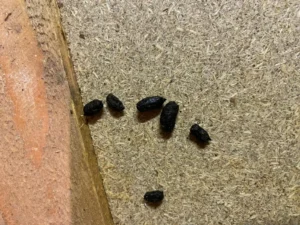
Fresh droppings are soft and dark, while old droppings are hard and gray. Finding droppings tells you rats are active in that area.
Gnaw marks show where rats have been chewing.
Rats need to constantly gnaw to keep their teeth from overgrowing.
Look for gnaw marks on wood, plastic, food packaging, and even electrical wires. Fresh gnaw marks are lighter in color than old ones.
Grease marks appear along walls and baseboards where rats travel repeatedly.
Rats have oily fur, and as they follow the same paths night after night, they leave dark, greasy smudges.
These marks often indicate regular travel routes between hiding spots and food sources.
Scratching and scurrying sounds, especially at night, tell you rats are active.
But if you hear these sounds during the day, it might mean a large infestation where rats feel bold enough to move around despite daylight.
Nesting materials like shredded paper, fabric, insulation, or plant matter indicate a nest is nearby.
Rats gather these materials to create soft, warm nests for sleeping and raising young.
Burrow holes outside show where rats are living underground.
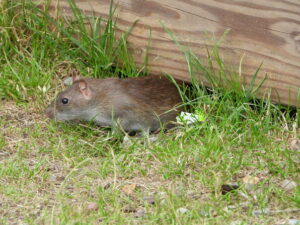
Look around your property’s foundation, under decks, or in overgrown areas. Fresh burrows have loose soil around the entrance.
Tracks and runways can be visible in dusty areas or soft soil.
Rats follow the same paths repeatedly, creating worn trails. In dust, you might see small footprints and tail drag marks.
How Do Rats Pick Their Hiding Spots?
Rats are pretty smart about choosing where to hide. They look for specific features that meet their survival needs.
Safety is the top priority.
Rats choose spots where predators can’t easily reach them and where they won’t be disturbed by humans.
Proximity to food is important.
Rats don’t want to travel too far from their hiding spot to their food source. They prefer to stay within 50-100 feet of food.
Access to water matters too.
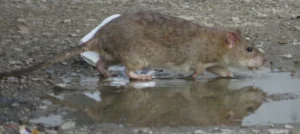
Rats need water to survive, so they hide near sources like leaky pipes, pet water bowls, or areas with moisture.
Temperature control is a factor.
Rats prefer warm spots, especially in winter. This is why they often hide in insulated areas like attics or inside walls.
Multiple escape routes make a hiding spot more attractive.
Rats like to have several ways to flee if they’re discovered or threatened.
Quiet locations away from high traffic areas are preferred.
Rats avoid places where humans or pets frequently pass through.
What Do Rats Do In Their Hiding Spots?
When rats are hiding during the day, they’re not just sitting still doing nothing. They’re actually quite busy in their own way.
Sleep takes up most of their daytime.
Rats are nocturnal, so they use daylight hours to rest and conserve energy for their nighttime activities.
Grooming is another major activity.
Rats are surprisingly clean animals and spend a lot of time grooming themselves and each other.
Nursing mothers care for their babies during the day.
Baby rats are born helpless and need constant attention from their mother.
Social interactions happen in rat colonies.

Rats are social animals and spend time with other rats in their group.
Some rats will venture out during the day if they’re desperate for food or water.
This usually means the infestation is severe.
Young rats might be more active during the day as they’re learning and exploring.
They’re also less cautious than adult rats.
Why You Might See Rats During the Day
While rats are nocturnal, there are situations where you might see them during daylight hours. This usually indicates a problem.
A large infestation can force rats out during the day.
When there are too many rats competing for resources, some have to look for food when others are sleeping.
Desperation from lack of food or water will make rats take risks.

If they can’t find enough food at night, they’ll come out during the day despite the danger.
Disturbance of their hiding spots can flush rats out in daylight.
Construction, cleaning, or moving things around can force rats into the open.
Poisoning can make rats behave strangely.
Rats that have eaten poison sometimes come out during the day and act disoriented.
Young, inexperienced rats are more likely to be seen during the day.
They haven’t learned to be as cautious as adult rats.
Seeing rats during the day is generally a sign that your infestation is serious and needs immediate attention.
How to Find Where Rats Are Hiding in Your Home
If you suspect rats are hiding in your house, systematic searching helps you locate them.
1. Start by Listening at Dusk or Dawn.
These transition times are when rats start becoming active.
Press your ear against walls, especially in kitchens and bathrooms. Scratching or scurrying sounds tell you rats are in the walls near that spot.
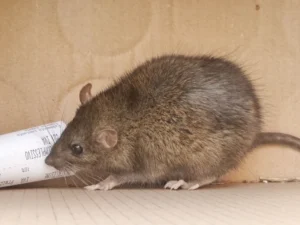
Look for the signs mentioned earlier: droppings, gnaw marks, grease marks, and nesting materials. Following these clues leads you toward the hiding spots.
Check all the common locations systematically. Don’t just peek quickly.
Really examine attics, basements, crawl spaces, and areas behind appliances. Use a flashlight to see into dark corners.
2. Look for Entry Points.
Finding how rats get into your home often leads you to their hiding spots.
Check for gaps around pipes, vents, doors, and windows. Even a gap the size of a quarter can let a rat inside.
3. Use a Blacklight to Spot Urine Trails.
Rat urine glows under UV light. This can reveal travel paths that lead to nesting areas.
You can buy cheap blacklight flashlights for this job.
4. Set Up Monitoring.
Placing flour or talcum powder in suspected areas can show you where rats are traveling.
They’ll leave footprints that you can follow.
How to Find Where Rats Are Hiding Outside
Locating outdoor rat hiding spots requires different techniques than indoor searching.
1. Walk Your Property’s Perimeter Looking for Burrow Holes.
Pay special attention to areas along foundations, under decks or porches, near trash areas, and along fence lines.
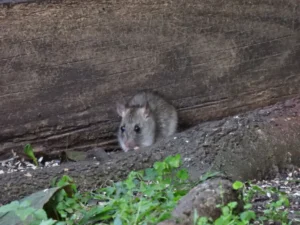
Burrows are usually obvious once you know what to look for.
2. Examine Dense Vegetation Carefully.
Part bushes and look underneath. Check thick ivy growing on walls or fences.
Look for worn paths through tall grass that might lead to nests.
3. Check All Outdoor Structures.
Inspect sheds, garages, and outbuildings for gaps that rats could use. Look inside these structures for signs of rat activity.
4. Look At Your Firewood Pile.
If you have stacked wood, check for signs of rats living in the gaps. Droppings or disturbed areas indicate rat presence.
5. Inspect Compost Bins and Garbage Areas.

These food sources often have rat activity nearby. Look for burrows within a few feet of these areas.
6. Use a Trail Camera if You’re Not Sure Where Rats Are Entering or Hiding.
Setting up a motion-activated camera near suspected areas can show you rat activity and help you locate their hiding spots.
Why Knowing Hiding Spots Matters
Understanding where rats hide during the day isn’t just an interesting thing to do. It’s actually important for dealing with rat problems effectively.
You can’t eliminate rats without finding their nests. Traps and bait work better when placed near hiding spots where rats feel comfortable.
Random placement is much less effective.Knowing hiding spots helps you seal entry points.
Once you locate where rats are living, you can figure out how they’re getting there and block those access routes.

Finding nests lets you remove nesting materials and clean up droppings. This reduces health risks and makes your home less attractive to future rats.
Understanding rat behavior helps you think like a rat.
When you know what they’re looking for in a hiding spot, you can make your property less suitable by eliminating those conditions.
Professional pest control works better when you can tell the technician where you’ve found signs of rats.
This information helps them place treatments more strategically.
Making Your Property Less Attractive for Daytime Hiding
Prevention is easier than elimination. Making your property less suitable for rat hiding reduces your chances of getting rats in the first place.
1. Reduce Clutter Both Indoors and Outdoors.
Rats love cluttered spaces with lots of hiding spots. Keep storage areas organized. Don’t let junk pile up outside.
2. Trim Vegetation Away From Your House.
Keep bushes pruned so there’s space between them and your foundation.

Cut back ivy and other dense growth. Maintain your lawn and don’t let areas become overgrown.
3. Seal Entry Points to Your Home.
Use steel wool, caulk, or metal flashing to close gaps. Pay special attention to areas where utilities enter, around doors and windows, and in foundations.
4. Manage Woodpiles Properly.
Stack firewood at least 12 inches off the ground and away from your house. Check piles regularly for signs of rats.
5. Secure Garbage and Compost.
Use bins with tight-fitting lids. Don’t leave trash bags sitting outside. If you compost, use a sealed bin rather than an open pile.
6. Remove Potential Food Sources.
Don’t leave pet food out overnight. Clean up fallen fruit from trees. Store birdseed in sealed containers (bird feeders can attract rats).
7. Fix Moisture Problems.
Rats need water, so eliminating leaks and standing water makes your property less attractive. Fix dripping faucets and make sure your property drains properly.
Conclusion
Rats hide in dark, protected places during the day, including wall voids, attics, basements, behind appliances, and in burrows underground.
They’re nocturnal animals that sleep during daylight hours and come out at night to look for food.
If you’re seeing rats during the day, it usually means you have a serious infestation that needs immediate attention. F
inding and sealing their hiding spots is key to getting rid of them.
By reducing clutter, sealing entry points, and making your home less attractive to rats, you can eliminate their hiding spots and force them to go elsewhere.
Combined with traps and other control methods, this approach can help you get rid of rats for good.

Hi, my name is Ezra Mushala, i have been interested animals all my life. I am the main author and editor here at snakeinformer.com.