
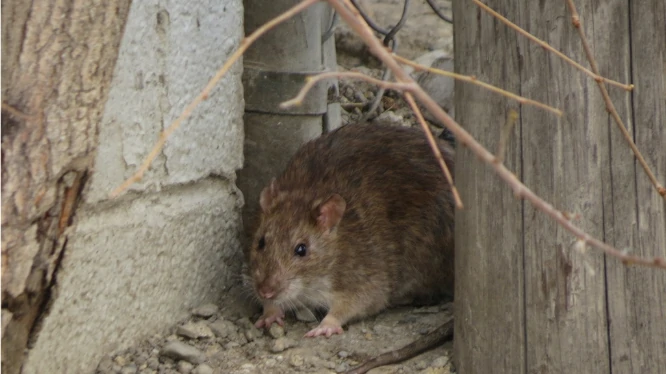
Finding rats in your home is never a pleasant surprise. Whether you’ve spotted droppings, heard scratching in the walls, or actually seen a rat scurrying across your floor, your first question is probably about how it got inside. Rats don’t just appear out of nowhere, and knowing where they’re coming from is the first step to getting rid of them and keeping them out for good. So where exactly do rats come in from?
Rats come in from outside, entering your home through gaps under doors, cracks in the foundation, openings around pipes and wires, roof vents, gaps in siding, and damaged window screens. They’re attracted to your home by food, water, and shelter, and they’ll find even the smallest entry points to get inside.
Understanding where rats come from and how they find their way into your home helps you target your prevention efforts. You can’t just deal with the rats that are already inside. You need to figure out how they got in and seal those entry points to keep more from following.
Rats Come From Outside Your Home
This might seem obvious, but it’s important to remember that rats live outside in your neighborhood long before they ever enter your home.
Norway rats (the most common type in homes) live in burrows in the ground. They dig systems of tunnels in yards, under sheds, near garbage areas, and anywhere else they can find shelter.

Roof rats (also called black rats) prefer living above ground in trees, dense vegetation, and upper parts of structures. They’re common in warmer climates and areas with lots of trees.

Both types of rats are looking for food, water, and safe shelter. When they find these things near or inside your home, they’ll move in without hesitation.
Your yard probably has rats nearby even if you haven’t seen them. They’re most active at night, so you might not notice them even if they’re living close to your house.
Rats don’t need an invitation to enter your home. They’re constantly exploring their territory, and if they find a way into your house, they’ll use it.
Common Outdoor Entry Points
Most rats enter homes at ground level, though roof rats can enter from above. The most common entry points are surprisingly low-tech.
Gaps under doors are one of the easiest ways for rats to get inside. If you can see daylight under your exterior door, a rat can probably fit through that gap.
Garage doors are especially bad for this. The rubber seal at the bottom of garage doors wears out, cracks, or pulls away from the door, leaving gaps that rats use regularly.
Sliding glass doors often have gaps at the bottom or sides. The tracks these doors slide in can also provide entry points if they’re not properly sealed.
Basement doors and cellar entrances are prime targets. These doors are often older, fit poorly in their frames, and have gaps that rats can squeeze through.
Even a gap that looks too small for a rat can be an entry point. Rats can flatten their bodies and squeeze through openings as small as a quarter. If they can fit their skull through, the rest of their body will follow.
Foundation Cracks and Gaps
Your home’s foundation is supposed to keep rats out, but it’s often full of entry points that develop over time.
Small cracks in concrete foundations might seem harmless, but rats can use them to get inside. They’ll even chew at cracks to make them bigger if they need to.
The freeze-thaw cycle in cold climates makes foundation cracks worse every year. Water gets into tiny cracks, freezes and expands, then thaws and contracts, gradually widening the cracks.

Areas where the foundation meets other building materials are especially vulnerable. The joint between concrete and wood, or between old and new construction, often has gaps.
Settlement cracks happen as your house naturally settles over the years. These vertical or diagonal cracks can provide perfect entry points for rats.
Weep holes in brick veneer are designed to let moisture out, but they also let rats in if they’re not covered with proper mesh. These small openings are at ground level and easy for rats to find.
Utility Line Entry Points
Every pipe, wire, and cable that enters your home creates a potential entry point for rats. These are some of the most common ways rats get inside.
Plumbing pipes usually enter your home through the foundation or under the house. The holes drilled for these pipes are often slightly larger than the pipes themselves, leaving a gap around the outside.
The gaps around pipes might have been sealed when your house was built, but those seals crack and deteriorate over time. What was once a solid barrier can become an open doorway for rats.
Electrical conduits, cable lines, and phone lines all create similar entry points. Any place where a utility line enters your home is worth inspecting carefully.
Air conditioning lines typically enter through an exterior wall, and the holes around them are often sealed with foam or caulk. Rats can chew through these soft materials easily.
Gas lines and the gaps around them are another common entry point. Even though these pipes are usually metal, the gaps around them in the foundation or walls let rats squeeze through.
Roof Entry Points
Roof rats and other climbing rats can enter your home from above, using parts of your roof and upper walls that you might not think to check.

Roof vents are designed to let air out, but they also let rats in if the screens are damaged or missing. Vents for bathrooms, kitchens, and attics are all potential entry points.
Ridge vents that run along the peak of your roof can have gaps at the ends. Rats can squeeze through these gaps and get into your attic.
Soffit vents under the eaves of your roof are prime entry points. The screens on these vents can rust through, fall out, or get chewed through by determined rats.
Gaps where your roof meets the walls are common in older homes or homes with complex rooflines. These gaps might be hidden by trim, but rats can find them.
Damaged or missing roof tiles or shingles can create openings large enough for rats. Even a small missing section can be an invitation for roof rats.
Chimneys without proper caps or screens provide direct access to your home. Rats can climb down chimneys and enter through fireplaces or into living spaces.
Gaps in Exterior Walls
The exterior walls of your home probably have more gaps than you realize, and rats are experts at finding them all.
Gaps in siding are really common, especially at corners and where different materials meet. Vinyl siding can warp or come loose, creating gaps behind it that rats can use.
Areas where siding meets the foundation often have gaps. The bottom edge of siding is supposed to overlap properly with the foundation, but installation flaws or settling can create openings.
Dryer vents are required to have dampers that close when not in use, but these dampers can break or get stuck open. A broken dryer vent is like leaving a door open for rats.
Crawl space vents are necessary for air circulation, but if the screens are damaged or missing, they become major entry points for rats.
Cracks in stucco or mortar between bricks give rats easy access to wall cavities. Once they’re inside the wall, they can travel to other parts of your home.
Windows and Screens
Windows might seem too high off the ground for rats, but roof rats are excellent climbers and can reach upper-story windows easily.
Damaged window screens are obvious entry points. Even a small tear or hole in a screen is enough for a rat to squeeze through.

Gaps around window frames where they meet the wall can let rats in. These gaps might be hidden by trim on the inside, but they’re visible from outside.
Basement windows are especially vulnerable because they’re at ground level and often hidden by vegetation. The wells around basement windows can actually trap rats and force them to find a way inside.
Sliding windows that don’t close all the way leave gaps that rats can use. Over time, the tracks these windows slide in can get bent or damaged, preventing them from closing properly.
Old wooden window frames can rot, creating soft spots that rats can chew through. Even if the window itself is intact, rotted wood around it provides easy access.
How Rats Find Your Home
Rats don’t randomly wander into homes. They’re actively searching for food, water, and shelter, and certain things about your home attract them.
Food sources nearby are the biggest attractant. If you have bird feeders, pet food outside, unsecured garbage, compost piles, or fruit trees, you’re basically inviting rats to investigate your property.
Once rats are in your yard looking for food, they’ll naturally explore around the perimeter of your house. This brings them close to all those potential entry points.

Water sources also attract rats. Leaky outdoor faucets, pet water bowls, birdbaths, and even moisture from air conditioning units will draw rats to your home.
Clutter around your house gives rats places to hide as they approach your home. Wood piles, old furniture, overgrown vegetation, and junk piles all provide cover that makes rats feel safe.
Rats follow scent trails left by other rats. If one rat has found a way into your home, it leaves pheromones that other rats can detect and follow.
Seasonal Patterns of Rat Entry
Rats try to get into homes year-round, but there are certain times when they’re more aggressive about it.
Fall is when rat activity inside homes increases dramatically. As the weather gets colder, rats look for warm places to spend the winter. Your home is perfect.
Late summer can also see increased activity as young rats from spring and summer litters leave their parents’ nests and look for their own territories.
Winter itself keeps rats motivated to stay inside once they’ve entered. A warm home with access to food is much better than trying to survive outside in cold weather.
Early spring brings another wave of rats looking for nesting sites. Pregnant females are especially determined to find safe, warm places to have their babies.
During heavy rains or flooding, rats that live in ground burrows might be forced to find higher ground. This can drive them toward homes they might not have entered otherwise.
Multiple Entry Points
It’s really rare for a home to have just one rat entry point. If you’ve found one, there are probably several others you haven’t discovered yet.
Rats are cautious animals that prefer to have multiple escape routes. A rat that’s found one way into your home will often create or use additional entry points as backup exits.
Different rats might use different entry points. You could have one rat using a gap under the garage door while another comes in through a crack in the foundation.
This is why it’s not enough to just seal one obvious entry point. You need to do a complete inspection and seal every gap, crack, and opening you find.
Professional pest control people often use tracking powder or other methods to figure out exactly which entry points are being used. This helps them know where to focus their efforts.
High-Risk Areas of Your Home
Certain parts of your home are more vulnerable to rat entry than others. Knowing these high-risk areas helps you focus your inspection efforts.
The garage is one of the most common entry points because garage doors rarely seal perfectly at the bottom. Rats can also enter through gaps in garage walls or where the garage connects to the house.
The basement or crawl space is another high-risk area. These spaces are at ground level, often have moisture problems, and typically have multiple utility line entry points.
Laundry rooms and utility areas often have gaps around dryer vents, water heater vents, and plumbing that rats can use.
Kitchens attract rats because of food, and the plumbing under sinks often has gaps around pipes where they enter through walls or floors.
Bathrooms have similar plumbing gaps, plus vent fans that might not be properly sealed on the outside.
Signs Rats Are Entering Your Home
Even if you haven’t seen a rat, there are signs that they’re getting into your house.
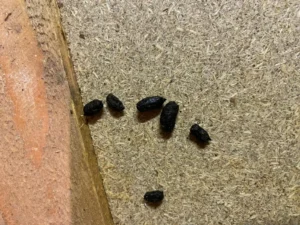
Droppings near walls, in cupboards, or along baseboards show that rats are inside. Fresh droppings are dark and moist, while old ones are gray and crumbly.
Grease marks along walls and baseboards appear where rats regularly travel. Their fur leaves dark, oily smudges on surfaces they brush against repeatedly.
Chew marks on food packaging, wood, plastic, or wires indicate active rat activity. Fresh chew marks are light colored, while older marks darken over time.
Strange noises at night, especially scratching, scurrying, or squeaking in walls or ceilings, mean rats are present and active.
Nesting materials like shredded paper, fabric, or insulation in hidden areas show that rats have moved beyond just visiting and are actually living in your home.
A musty, stale smell in areas you don’t use often can indicate rat presence. This smell comes from their urine and the oils in their fur.
Preventing Future Entry
Once you know where rats can come in from, you need to take steps to block those entry points permanently.
Do a thorough exterior inspection of your entire home. Walk around the outside slowly, looking carefully at every potential entry point from ground level to roof.
Seal cracks in your foundation with concrete patch or hydraulic cement. Don’t use spray foam alone because rats can chew through it.
Install or repair door sweeps on all exterior doors. The sweep should make contact with the threshold when the door is closed.
Cover all vents with heavy-duty steel mesh that has openings no larger than 1/4 inch. Make sure the mesh is securely fastened so rats can’t push it aside.
Seal gaps around utility lines with steel wool pushed into the gap, then covered with cement or metal flashing. The steel wool is hard for rats to chew through.
Trim tree branches so they don’t touch your roof or walls. Roof rats use overhanging branches as highways to access your home.
Keep your yard clean and free of clutter. Remove potential nesting sites and food sources that attract rats to your property in the first place.
Conclusion
Rats come in from outside your home through any gap, crack, or opening they can find. Common entry points include gaps under doors, foundation cracks, openings around pipes and wires, damaged vents and screens, and gaps in your roof or siding.
The key to keeping rats out is finding and sealing every possible entry point. This takes time and careful inspection, but it’s the only reliable long-term solution. You also need to remove the things that attract rats to your property in the first place, like food sources and clutter.
Don’t wait until you have a major rat problem to deal with entry points. A regular inspection of your home’s exterior, done once or twice a year, can catch potential problems before rats find them and move in.

Hi, my name is Ezra Mushala, i have been interested animals all my life. I am the main author and editor here at snakeinformer.com.