
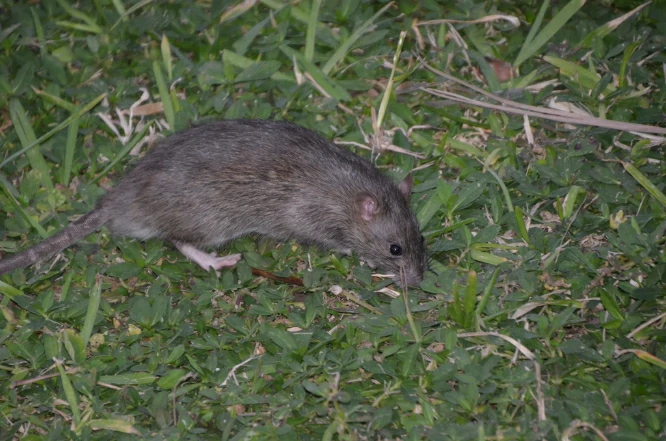
Rats are incredibly tough animals that can live in all sorts of places, from warm tropical areas to cold city streets during winter. You’ve probably seen rats running around outside even when it’s freezing cold, and wondered how they manage to stay alive in such harsh conditions.
But just because rats can handle some cold doesn’t mean they can survive any temperature. So what’s the lowest temperature rats can survive?
Rats can survive temperatures as low as 14°F (-10°C) for short periods if they have shelter, food, and can stay dry. However, prolonged exposure to temperatures below 32°F (0°C) can be deadly, especially without proper shelter or if they get wet.
The truth is, rats are warm-blooded animals just like us, and they need to keep their body temperature stable to stay alive.
While they’re better at handling cold than you might think, there’s definitely a limit to how much cold they can take before it becomes dangerous.
How Rats Handle Cold Temperatures
Rats are actually pretty good at dealing with cold weather, but they don’t do it the same way animals like bears or squirrels do. They can’t hibernate or slow down their body functions to save energy.
Instead, rats rely on a few key strategies to stay warm. First, they huddle together in groups, which helps them share body heat. If you’ve ever seen a group of rats in one spot, this is often what they’re doing.

They also build nests in sheltered areas using materials like paper, cloth, insulation, and anything soft they can find. These nests trap heat and protect them from wind and moisture.
Another important thing rats do is eat more food when it’s cold. Their bodies burn through calories faster in cold weather, so they need extra fuel to keep their internal temperature up.
What Happens to Rats in Freezing Temperatures
When temperatures drop below 32°F (0°C), rats start to face real problems. Their bodies have to work much harder to stay warm, and they can’t maintain this for very long without proper shelter.
The first thing that happens is their body starts burning through energy much faster. They’ll be constantly hungry and need to eat more just to keep their body temperature normal.
If a rat can’t find enough food or a warm place to hide, its body temperature will start to drop. This is called hypothermia, and it’s very dangerous.
As hypothermia sets in, the rat will become sluggish and slow. Its movements will be less coordinated, and it’ll have trouble finding food or escaping from predators.
The Danger Zone: Below 14°F (-10°C)
Once temperatures drop below 14°F (-10°C), even the toughest rats are in serious trouble. At this point, survival becomes very unlikely without an indoor shelter or a heat source.
The rat’s body simply can’t generate enough heat to keep up with the cold. Its heart rate will slow down, and its breathing will become shallow.
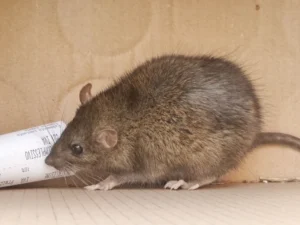
If the cold continues, the rat’s organs will start to shut down. Blood flow to the extremities (like the tail, feet, and ears) will decrease as the body tries to protect vital organs like the heart and brain.
Eventually, the rat will lose consciousness and die from hypothermia. This can happen in just a few hours at extremely low temperatures, especially if the rat is wet or exposed to wind.
Why Some Rats Survive Cold Better Than Others
Not all rats handle cold the same way. There are several things that affect how well a rat can survive low temperatures.
Age is a big one. Young rats and baby rats can’t control their body temperature as well as adults. They have less body fat and smaller bodies, which means they lose heat faster.
Old or sick rats also struggle more with cold. Their bodies aren’t as good at keeping warm, and they might not have the energy to find food or build proper nests.
Body size matters too. Larger rats have more body mass, which helps them hold onto heat better. Smaller rats lose heat faster because they have more surface area compared to their body size.
Rats that are well-fed before cold weather hits will survive better than skinny rats. Body fat acts like insulation and also provides energy reserves when food is hard to find.
Wild Rats vs Pet Rats in Cold Weather
Wild rats and pet rats have very different abilities when it comes to surviving cold. Wild rats are much tougher and more adapted to outdoor conditions.
Wild rats have thicker fur during winter months. Their bodies actually change with the seasons, growing a denser coat when it gets cold.

They also know how to find or build shelter instinctively. Wild rats are experts at finding warm spots in buildings, under decks, in sewers, or anywhere that provides protection from the elements.
Pet rats, on the other hand, are bred to live indoors. They’ve been kept in controlled temperatures for many generations, so they’ve lost some of the toughness that wild rats have.
If you put a pet rat outside in freezing weather, it would likely die much faster than a wild rat. Pet rats need temperatures between 65°F and 75°F (18°C to 24°C) to be comfortable and healthy.
How Moisture Affects a Rat’s Ability to Survive Cold
One of the biggest dangers for rats in cold weather isn’t just the temperature itself, but getting wet. When a rat’s fur gets wet, it loses almost all of its insulating ability.
Wet fur actually makes a rat lose heat much faster than if it was just in cold air. This is because water conducts heat away from the body about 25 times faster than air does.
A rat that falls into cold water or gets caught in freezing rain is in immediate danger. Even if the temperature is just around 40°F (4°C), a wet rat can die from hypothermia within an hour or two.
This is why rats avoid water when it’s cold and try to stay in dry areas. They’re actually pretty careful about this and won’t go out in rain or snow unless they absolutely have to.
Where Rats Go to Escape the Cold
Rats are really good at finding warm places when temperatures drop. They’re always looking for spots that will keep them safe from the cold.
Buildings are the number one choice for rats in winter. They’ll get into houses, garages, sheds, barns, and any structure that provides warmth. They can squeeze through holes as small as a quarter, so it’s easy for them to find their way in.

Basements and attics are especially popular because they’re usually undisturbed and provide good insulation. Rats will set up nests in these areas and stay there throughout the winter.
Underground is another common place. Rats will go into sewers, subway tunnels, or burrow deep into the ground where the temperature is more stable. The earth actually provides good insulation, and temperatures underground don’t fluctuate as much as they do on the surface.
Dumpsters and trash areas are also attractive because they provide both food and some shelter from wind. The decomposing garbage actually generates a small amount of heat, which helps too.
Signs That Rats Are Struggling with Cold
If you have pet rats or if you’re dealing with a rat problem, there are signs that rats are having trouble with cold temperatures.
Huddling together constantly is one sign. While rats do this normally to some degree, if they’re always piled on top of each other and won’t separate, they’re probably too cold.
Lethargy and reduced activity mean the rat is trying to conserve energy. A rat that’s too cold won’t move around much and will stay in its nest most of the time.
Eating much more than normal is another sign. If a rat is going through food really fast, it might be burning extra calories to stay warm.
Physical signs include cold ears, tail, and feet. These body parts should feel warm to the touch. If they’re cold, the rat isn’t able to maintain proper circulation.
Shivering is an obvious sign. Just like humans, rats shiver when they’re cold. This is the body’s way of trying to generate heat through muscle movement.
Can Rats Freeze to Death?
Yes, rats can absolutely freeze to death if conditions are bad enough. Despite being tough animals, they’re still vulnerable to extreme cold.
Freezing to death happens when a rat’s core body temperature drops too low for too long. The normal body temperature for a rat is about 99°F to 101°F (37°C to 38°C).
When the core temperature drops below 90°F (32°C), the rat is in severe hypothermia. At this point, organs start to fail, and death can happen quickly.
The actual “freezing” doesn’t mean the rat turns into ice, though in extreme cold this can happen to a dead rat’s body. What kills the rat is the hypothermia and organ failure that comes from being too cold.
Young rats, sick rats, and rats that are alone are most likely to freeze to death. A healthy adult rat in a group with good shelter is much less likely to die from cold.
How Long Can Rats Survive in Freezing Temperatures?
The amount of time a rat can survive in freezing temperatures depends on many things, but generally, the colder it is, the less time they have.
At temperatures just below freezing (around 30°F or -1°C), a healthy rat with shelter might survive for days or even weeks if it has food. But it won’t be comfortable and will be under a lot of stress.
At 20°F (-7°C), survival time drops to maybe a few days at most, and only if the rat has really good shelter and plenty of food. Without shelter, a rat might only last 24 hours.
At 14°F (-10°C) or below, we’re talking hours, not days. A rat exposed to this kind of cold without shelter will likely die within 6 to 12 hours, maybe faster if it’s windy or wet.
The coldest temperatures (below 0°F or -18°C) can kill a rat in just a few hours, even with some shelter. This is just too cold for their bodies to handle.
What Temperature Is Too Cold for Pet Rats?
If you have pet rats, you need to be much more careful about temperature than you would with wild rats. Pet rats are sensitive to cold and can get sick easily.
Pet rats shouldn’t be kept in temperatures below 60°F (15°C). While they won’t die immediately at this temperature, they’ll be uncomfortable and stressed, which can make them sick.
The ideal temperature for pet rats is between 65°F and 75°F (18°C to 24°C). This is where they’re most comfortable and healthy.
If your house gets colder than 65°F, you should provide extra bedding for your rats. Give them lots of nesting material like paper towels, fleece, or special rat bedding so they can build warm nests.
Never put pet rats outside in winter, even for a short time. The shock of going from a warm house to cold outdoor air can be really bad for them.
Do Rats Come Indoors More in Winter?
Yes, rats definitely come indoors more when it gets cold outside. This is one of the main reasons people see more rat problems in fall and winter.
As outdoor temperatures drop, rats start looking for warm places to spend the winter. Your house, garage, or shed looks pretty good to a cold rat.
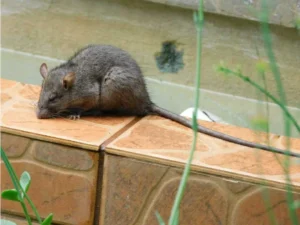
Rats will start moving indoors when nighttime temperatures consistently drop below 50°F (10°C). This is when they really start seeking shelter.
The problem gets worse as it gets colder. When temperatures hit freezing, rats will try even harder to get inside, and they’ll squeeze through smaller holes and take more risks to find warmth.
This is why it’s important to seal up holes and cracks in your house before winter. Once rats get in, they’ll stay all winter and can be really hard to get rid of.
How to Protect Outdoor Rats from Cold
If you have outdoor rats (maybe in a barn or outdoor enclosure), you need to take steps to keep them safe in cold weather.
First, provide a windproof shelter. The shelter needs to block wind completely because wind chill can make temperatures feel much colder than they actually are.
Add lots of insulation. Use straw, hay, shredded paper, or fleece to create thick nesting material. The rats will build nests with this material that trap their body heat.
Make sure there’s plenty of food available. Rats need to eat more in cold weather, so increase their food portions when temperatures drop.
Provide a heat source if temperatures will drop below 20°F (-7°C). You can use heat lamps designed for animals, but make sure they’re positioned safely so the rats can’t get burned.
Check for moisture. The shelter needs to stay dry. Wet bedding will make rats cold, so replace any damp material immediately.
Comparing Rats to Other Rodents in Cold Weather
Rats actually handle cold better than some rodents but worse than others. It’s interesting to see how they compare.
Mice are smaller than rats, which means they lose heat faster. Mice generally can’t survive temperatures quite as low as rats can. They need shelter at higher temperatures.

Squirrels are much better at handling cold than rats. They grow thick winter coats and can even go into a light hibernation-like state called torpor. They can survive much colder temperatures.
Hamsters and gerbils are similar to pet rats in that they need controlled temperatures. They’re not adapted for cold weather and will die quickly if exposed to freezing temperatures.
Guinea pigs are even worse with cold than rats. They’re very sensitive to temperature changes and can die from cold stress even at temperatures that rats could handle.
Wild rats, compared to all these animals, are somewhere in the middle. They’re tough and adaptable, but they still need help surviving really cold winters.
Conclusion
Rats can survive surprisingly cold temperatures, with the lowest being around 14°F (-10°C) for short periods, but this is only possible with proper shelter, food, and dry conditions. Below freezing (32°F/0°C), rats are already struggling, and without protection, they can die from hypothermia.
The key thing to remember is that rats are warm-blooded animals that need to maintain their body temperature just like we do. While wild rats are tougher than pet rats, no rat can survive extreme cold indefinitely.
If you’re dealing with rats in winter, you’ll probably see more of them trying to get into buildings. This is their survival instinct kicking in. On the other hand, if you have pet rats, you need to make sure they’re kept in a warm environment between 65°F and 75°F to keep them healthy and comfortable.
Understanding how cold affects rats helps you either protect pet rats better or understand why wild rats become such a problem when winter arrives. Either way, temperature is one of the most important things affecting where rats live and how well they survive.

Hi, my name is Ezra Mushala, i have been interested animals all my life. I am the main author and editor here at snakeinformer.com.