

You’ve decided you want a pet rat (great choice!), but now you’re faced with picking which type to bring home. Some rats have big round ears, others have curly fur, and some don’t have any fur at all.
With so many options, you’re probably wondering which one will make the best companion. So what breed of rat is best as a pet?
The standard fancy rat is the best breed for most pet owners. They’re friendly, easy to care for, hardy, and great for beginners. Dumbo rats are a close second with similar traits but unique looks. Both varieties have been bred for generations as pets and have excellent temperaments.
The truth is, almost any well-bred, properly socialized rat can make a wonderful pet. But some varieties are definitely easier to care for and better suited to most homes than others.
Why Standard Fancy Rats Top the List
Standard fancy rats are the classic pet rat, and they’ve earned that position for good reasons. These rats have been bred specifically as pets for over a hundred years, and breeders have focused on creating friendly, healthy animals.
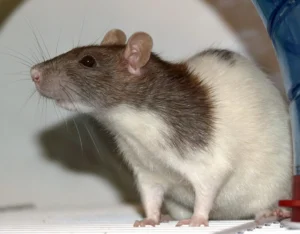
You can find standard fancy rats almost anywhere that sells pet rats. Pet stores, breeders, and rescues all have them readily available, which means you won’t have to search far and wide or pay premium prices.
These rats are incredibly hardy. They don’t have genetic modifications that cause health problems, and their normal fur protects them from temperature changes. You won’t need to worry about special heating or cooling setups.
Standard fancy rats are smart, trainable, and form strong bonds with their owners. They’ll learn their names, come when called, and can even learn tricks. Many love to ride around on their owner’s shoulders or snuggle in laps.
Dumbo Rats Are Equally Great Pets
Dumbo rats have become hugely popular, and it’s easy to see why. Their big, round ears that sit on the sides of their heads (instead of on top) give them an adorable, almost cartoonish appearance.
Despite their unique look, Dumbo rats have all the same great traits as standard rats. They’re friendly, smart, easy to care for, and don’t have any special health problems related to their ear placement.

Many people find Dumbo rats even cuter than standard rats, which might make them more enjoyable to watch and interact with. That ear placement doesn’t affect their hearing or balance at all.
You can find Dumbo rats in all the same colors and patterns as standard rats. Whether you want a white Dumbo, a hooded Dumbo, or a spotted Dumbo, you’ll have plenty of options.
Why These Two Varieties Stand Out
Both standard fancy rats and Dumbo rats have been bred for temperament and health for many generations. This selective breeding means you’re getting an animal that naturally wants to be friends with humans.
They’re both low-maintenance compared to more specialized varieties. You don’t need special equipment, extra grooming, or unusual care routines. Standard rat care works perfectly for both.
These varieties are also affordable. You won’t pay premium prices for a standard or Dumbo rat like you might for rarer varieties, which means more money left over for a nice big cage and quality food.
If you ever need veterinary care, most vets are familiar with standard rats and Dumbo rats. More unusual varieties might require a specialist who really understands their specific needs.
What About Rex Rats?
Rex rats have curly fur and whiskers that give them a unique, textured appearance. Some people absolutely love this look, and Rex rats can definitely make good pets.
However, they’re a step down from standard and Dumbo rats in terms of ease of care. Their curly coat can be more sparse, leaving skin exposed, which makes them more sensitive to cold.
Rex rats’ whiskers are often shorter and more brittle than normal whiskers. Since rats use their whiskers to navigate, especially in the dark, this can be a minor disadvantage.
If you love the look of Rex rats and don’t mind the extra attention to temperature control, they can still make wonderful pets. Just know they’re not quite as low-maintenance as the top two choices.
Hairless Rats Aren’t for Everyone
Hairless rats have devoted fans who love their wrinkly, warm skin and unique appearance. They’re often described as feeling like warm peaches when you hold them.
But hairless rats need significantly more care than furred varieties. Their skin gets oily and needs regular cleaning. They get cold easily and need extra bedding, heating, or even tiny sweaters.
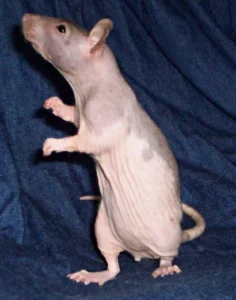
Without fur protection, hairless rats are more prone to cuts and scratches. You need to be extra careful about what surfaces they’re on and what’s in their cage.
These rats also tend to have shorter lifespans and more health issues than furred rats. They’re best suited for experienced rat owners who understand their needs and are prepared for potential vet bills.
Temperament Trumps Everything
Here’s something important to remember: variety affects appearance and some care needs, but individual personality matters way more for whether you’ll love your rat.
A well-socialized standard rat from a good breeder will make a better pet than a poorly-bred Dumbo from a pet store. A friendly Rex rat will be more enjoyable than a scared standard rat.
Look for breeders or rescues that handle their rats from birth and socialize them properly. Rats that have been held, played with, and exposed to different experiences as babies grow up to be confident, friendly adults.
Ask about the parents’ temperaments too. Friendly parents tend to have friendly babies, since both genetics and early environment play a role in personality.
Male vs Female Considerations
Within any variety, you’ll need to choose between male and female rats. This choice affects your experience just as much as which type you pick.

Male rats tend to be larger, calmer, and more cuddly. They’re often content to lounge around and will happily sit on your lap for extended periods. They do mark their territory more and can be smellier.
Female rats are smaller, more active, and endlessly curious. They’re always busy exploring, playing, and getting into things. They’re less likely to sit still but are equally affectionate in their own energetic way.
For someone who wants a chill companion to watch TV with, male rats are usually the better choice. For someone who wants an entertaining, playful pet, females are perfect.
Colors and Patterns Don’t Affect Personality
Rats come in an incredible variety of colors and patterns: white, black, brown, gray, beige, blue, spotted, hooded, Berkshire, and many more combinations.
The good news is that color has no impact on temperament or care needs. A black rat isn’t different from a white rat in personality. A hooded rat acts the same as a solid-colored rat.
Pick whatever colors and patterns you find most appealing. Some people like the classic look of hooded rats (colored head with a stripe down the back), while others prefer solid colors or heavily marked patterns.
Keep in mind that some colors might be harder to find than others, especially if you’re looking for something specific in a particular variety.
Why You Should Avoid Pet Store Feeder Rats
Some people consider buying “feeder rats” (rats bred as food for snakes) as cheap pets. This is generally a bad idea if you want a good pet rat.
Feeder rats are usually bred for quantity, not quality. Nobody’s selecting for friendly temperaments or good health. They’re often poorly socialized and haven’t been handled as babies.
These rats can be skittish, nippy, and hard to tame. They also tend to have more health problems because nobody’s carefully breeding them for longevity.
It’s worth paying more for a rat that’s been bred specifically as a pet. The difference in temperament and health is huge, and you’ll save money on vet bills down the line.
Source Matters More Than Variety
Getting your rat from a good source is actually more important than which variety you choose. A well-bred rat from a responsible breeder or a socialized rat from a good rescue will be a better pet than any variety from a questionable source.
Good breeders focus on health, temperament, and proper socialization. They handle babies from birth, introduce them to different experiences, and make sure they’re friendly before selling them.

Reputable rescues also socialize their rats and can tell you about each rat’s personality. Plus, you’ll be giving a rat in need a good home.
When you visit a breeder or rescue, look for clean conditions, healthy-looking rats, and people who clearly care about their animals and ask you questions to make sure their rats are going to good homes.
Budget and Long-Term Costs
Standard fancy rats and Dumbo rats are the most affordable options, usually costing between $10 and $40 depending on your source and location.
More unusual varieties like Rex rats or hairless rats can cost $50 to $100 or more from specialized breeders.
But remember, the initial cost is just the beginning. All rats need a proper cage (which can cost $100 to $200), quality food, bedding, toys, and veterinary care.
Some varieties have higher ongoing costs. Hairless rats might need more frequent vet visits. All rats benefit from regular health checkups and will need medical care if they get sick.
Best for Families with Kids
If you’re getting a rat for a family with children, standard fancy rats or Dumbo rats are definitely your best bets. They’re robust enough to handle gentle play, and they’re forgiving if a kid isn’t always perfect at handling them.
Larger male rats might be better for younger children because they’re calmer and less likely to squirm or jump. Females can be too quick and energetic for little hands.
More delicate varieties like hairless rats or Rex rats might not be the best choice for households with young children who are still learning to be gentle with pets.
Always supervise children with rats regardless of variety, and teach proper handling techniques before letting kids interact independently.
Best for First-Time Owners
If this is your first time owning rats, stick with standard fancy rats or Dumbo rats. These varieties are forgiving of beginner mistakes and don’t require specialized knowledge.
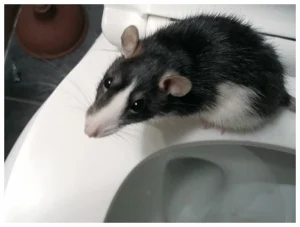
You’ll learn the basics of rat care with these hardy varieties, and if you decide you love keeping rats, you can always try more specialized varieties later.
Starting with an easy variety means you’re less likely to get overwhelmed or discouraged. You’ll have a better experience, and your rats will be healthier.
Join online rat communities and read care guides before bringing your rats home. Having the right setup and knowledge from day one makes everything easier.
Conclusion
The best breed of rat for most people as a pet is the standard fancy rat, with Dumbo rats as an equally excellent choice. Both varieties are friendly, healthy, easy to care for, and perfect for beginners and experienced owners alike.
These rats have been bred for generations specifically as pets, which means they naturally want to bond with humans. They’re hardy, affordable, widely available, and don’t require special care beyond standard good rat husbandry.
While other varieties like Rex rats or hairless rats can also make good pets, they require more experience and attention to care. For your first rats or for the easiest pet rat experience, you can’t go wrong with a standard fancy rat or Dumbo rat from a responsible breeder or rescue.
Focus on getting a healthy, well-socialized rat from a good source, and you’ll have an amazing pet regardless of whether you pick standard or Dumbo variety.

Hi, my name is Ezra Mushala, i have been interested animals all my life. I am the main author and editor here at snakeinformer.com.