

If you’re dealing with a rat problem or just worried about preventing one, you’ve probably noticed that rat activity seems to change with the seasons.
Some times of year you’ll see more rats scurrying around, more droppings in your garage, or more signs of rats trying to get into your home.
So when is the worst time of year when it comes to rats?
Fall and early winter (September through December) are the worst times for rat problems. During these months, rats actively seek shelter indoors as temperatures drop and outdoor food sources become scarce. Spring and summer also see increased rat activity due to breeding, though rats are less likely to invade homes during warmer months.
The timing of rat problems depends on whether you’re talking about when rats struggle to survive or when they become the biggest problem for humans.
These two things happen at different times, and both are important to understand if you want to keep rats away from your property.
Why Fall is Prime Time for Rat Invasions
Fall is when rats become the most aggressive about finding their way into homes, garages, sheds, and other buildings. As summer ends and temperatures start to drop, rats know winter is coming.
During fall, outdoor food sources start to disappear. Gardens stop producing vegetables, fruit falls from trees and rots, and insects (which rats eat) become less common.
At the same time, the weather is getting colder, making outdoor living less comfortable for rats.

This combination of decreasing food and dropping temperatures triggers rats to search for indoor shelter. Your warm house with its steady food supply becomes incredibly attractive to them.
September through November is when you’ll see the biggest spike in rats trying to get indoors. They’ll squeeze through tiny gaps in your foundation, chew through weatherstripping around doors, and climb up walls to find entry points in your roof or attic.
If rats get inside during fall, they’ll set up nests and stay all winter long. They might even breed indoors during the winter months, turning a small problem into a big infestation by spring.
How Winter Affects Rat Populations
Winter is actually the hardest time of year for rats to survive, especially in colder climates. But this doesn’t necessarily mean winter is when you’ll have the fewest rat problems.
| Season | Rat Activity Level | Home Invasion Risk | Main Challenges for Rats |
|---|---|---|---|
| Winter (Dec-Feb) | Low to Medium | Medium (Already Inside) | Cold, scarce food, hard ground |
| Spring (Mar-May) | High | Low to Medium | Heavy breeding increases population |
| Summer (Jun-Aug) | Very High | Low | Population peaks from breeding |
| Fall (Sep-Nov) | Very High | Very High | Preparing for winter, seeking shelter |
Rats that didn’t find indoor shelter before winter hits face serious survival challenges. Cold temperatures can kill rats, especially baby rats and older or sick individuals. They can’t regulate their body temperature well in extreme cold.
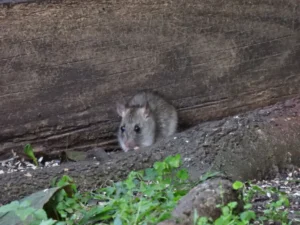
Snow and frozen ground make it much harder for rats to find food. They can’t dig through frozen soil to reach roots and insects, and most plants are dead or dormant. Outdoor rats often starve during harsh winters.
However, rats that made it indoors before winter are actually doing great. They’re warm, have access to food, and might even be breeding.
So while winter kills many outdoor rats, the rats inside your walls are thriving.
In warmer climates where winter is mild, rats don’t face the same survival pressure. They can stay active outdoors all winter, though they might still seek indoor shelter during cold snaps or heavy rains.
Spring Brings a Population Explosion
Spring might seem like a nice time of year, but it’s actually when rat populations start to explode. This is when you’ll see more rats overall, even though they’re less likely to be trying to get into your home.
As temperatures warm up in spring, rats start breeding heavily. Females who survived the winter (whether indoors or outdoors) begin having litters.
With more food available and warmer weather, survival rates for baby rats are much higher than in winter.

Rats born in early spring will be mature enough to breed by late spring or early summer. This creates a snowball effect where the rat population grows rapidly throughout spring and into summer.
You might see more rats outside during spring evenings, especially near garbage areas, compost bins, and gardens. They’re taking advantage of new food sources and establishing territories for breeding.
The good news is that rats are less motivated to invade homes during spring. They have plenty of food outside and the weather is comfortable, so they don’t need human shelter as desperately as they do in fall.
What Happens to Rat Populations in Summer
Summer is when rat populations reach their peak numbers. All that spring breeding pays off, and by mid to late summer, there are more rats around than at any other time of year.
Wild rats are very active during summer because conditions are perfect for them. There’s tons of food available from gardens, fruit trees, outdoor pet food, garbage, and insects.
Water is usually easy to find, and the warm weather means they don’t need special shelter to survive.
You might see rats outside more often during summer evenings, but they’re typically not trying to get into your house. Why would they when everything they need is readily available outdoors?
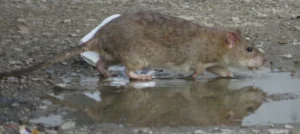
However, summer rat populations in your yard can become a problem for fall. The more rats living near your property in summer, the more rats will be looking for a way inside when fall arrives.
Summer is actually the best time to work on rat prevention. Seal up entry points in your home’s exterior, trim trees away from your roof, and eliminate outdoor food sources before fall arrives and rats start seeking indoor shelter.
Why You See More Rats During Certain Weather
Beyond just seasons, specific weather conditions can make rat problems worse or trigger sudden increases in rat activity.
Heavy rain can flood rat burrows and nests, forcing them to seek new shelter immediately. After a big rainstorm, you might suddenly see rats in places you’ve never seen them before. They’re not invading. They’re displaced and looking for dry ground.
Extended dry periods can also increase rat activity near human homes. When natural water sources dry up, rats will seek out pet water bowls, leaky outdoor faucets, and other water sources near houses.
Sudden temperature drops, even during normally mild seasons, will send rats looking for warmth. An unexpected cold snap in October might trigger an early wave of rats trying to get indoors, even before the normal fall invasion period.
Heat waves can also affect rat behavior. During extreme heat, rats might become less active during the day and more active at night when it’s cooler. You might notice more nighttime rat activity during summer heat waves.
How Urban vs Rural Settings Change the Pattern
The worst time of year for rats can vary depending on whether you’re in a city, suburb, or rural area. Urban rats face different challenges than rural rats.
In cities, rats have access to food year-round from dumpsters, restaurants, and garbage. They also have more shelter options like sewers, subway tunnels, and the constant warmth from buildings and underground pipes.
This means urban rat populations don’t drop as much in winter.

For city dwellers, fall is still the worst time for rats trying to get into buildings, but you’ll see high rat activity all year long. Winter might actually be worse in cities because rats in sewers and tunnels are looking for warmer spots, which might mean your basement.
In rural areas, seasonal changes affect rats more dramatically. Rural rats depend heavily on agricultural fields, barns, and natural food sources that completely disappear in winter. The winter die-off of rural rat populations is much more severe than in cities.
Suburban areas fall somewhere in between. You’ll see strong seasonal patterns with fall being the worst for home invasions, but suburban rats have better access to food and shelter than truly rural rats.
When Rats Are Most Active During the Day
While we’re talking about timing, it’s worth mentioning that rats are most active during specific times of day, and this changes with the seasons too.
Rats are naturally nocturnal, meaning they’re most active at night. In a typical 24-hour period, rats are busiest from dusk until just before dawn. This is when they do most of their foraging, exploring, and socializing.
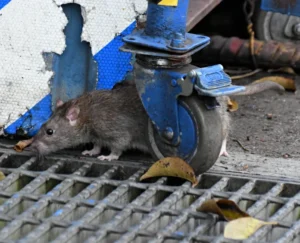
During summer when nights are shorter, rats might start their activity earlier in the evening and continue later into the morning. You might see them out and about during twilight hours when it’s not fully dark yet.
In winter, rats tend to stay in their nests longer to conserve energy and stay warm. They might have shorter active periods and stick closer to their nests and food sources instead of ranging far.
If you see rats during broad daylight, it usually means one of two things. Either the rat population is so large that they’re running out of food at night and some are forced to forage during the day, or the rat is sick.
Healthy rats avoid daytime activity because it makes them vulnerable to predators.
The Best Time to Deal with a Rat Problem
Knowing when rats are most problematic helps you time your prevention and control efforts for maximum effectiveness.
Late summer (August and early September) is the best time to rat-proof your home. This gives you time to seal entry points, trim vegetation, and eliminate attractants before the fall invasion period begins.

If you already have rats, winter can actually be a good time for control efforts. Rats are more likely to go for bait stations in winter when outdoor food is scarce. They’re also less likely to find alternative food sources while you’re working on eliminating them.
Spring is when you should inspect your property for new rat activity. Look for burrows in your yard, droppings near garbage areas, and signs of gnawing on outdoor structures. Catching problems early in spring prevents them from becoming major issues by fall.
Whatever time of year you’re dealing with rats, consistency is key. Rats are smart and adaptable, so you need to be persistent with your control efforts. One-time fixes rarely work. You need ongoing prevention and monitoring.
How Climate Change is Affecting Rat Seasons
In recent years, traditional patterns of rat activity are changing in some areas due to warmer winters and shifting weather patterns.
Milder winters mean more rats survive the cold months, leading to larger spring and summer populations. In areas where winters used to kill off a large portion of the rat population, warmer temperatures are allowing more rats to make it through.
Extended warm periods in fall mean rats might delay seeking indoor shelter until later in the year. But when cold weather finally hits, you might see a more sudden and intense wave of rats trying to get inside.
Unpredictable weather patterns with extreme swings between hot and cold can stress rat populations, but it also makes their behavior less predictable.
You might see fall-like invasion behavior happening in winter or spring instead of following the traditional September through November pattern.
This means you can’t rely solely on calendar dates anymore. You need to watch for the actual triggers (temperature drops, food scarcity) rather than assuming rats will behave exactly the same way every year.
Signs That Rats Are About to Become a Problem
Regardless of what time of year it is, certain signs indicate that rats are about to become a bigger problem on your property.
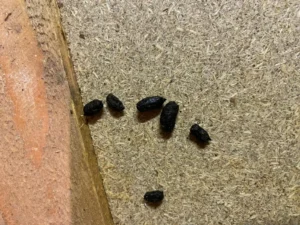
Finding fresh droppings is the most obvious sign. Rat droppings are dark, pellet-shaped, and about the size of a raisin. Fresh droppings are soft and dark, while old ones are dry and gray. If you’re seeing fresh droppings, rats are actively using that area.
Gnaw marks on wood, plastic, or wires indicate rats are exploring your property for food and nesting materials. Fresh gnaw marks look lighter in color and have rough edges.
Grease marks along walls, especially near baseboards or along regular pathways, show where rats are traveling. Rats’ oily fur leaves dark smudges on surfaces they rub against repeatedly.
Burrows in your yard, especially near foundations, sheds, or under dense vegetation, mean rats have established a home base on your property.
These burrows are usually 2 to 4 inches in diameter and might have smooth, worn entrances from regular use.
Strange pet behavior can also signal rats. If your dog or cat is suddenly very interested in a specific wall, corner, or area of your home, they might be hearing or smelling rats that you haven’t noticed yet.
Regional Differences in Rat Problem Timing
Where you live has a huge impact on when rats become the biggest problem. The seasonal patterns we’ve discussed apply mainly to temperate climates with four distinct seasons.
In southern states with mild winters, rats remain active year-round. You won’t see as dramatic a fall invasion period because rats don’t have the same survival pressure.
Instead, rat problems tend to be consistent throughout the year with slight increases during breeding seasons.
In northern states with harsh winters, the fall invasion is much more intense. Rats know they won’t survive outside once deep winter hits, so they’re very aggressive about finding indoor shelter in September and October.
Coastal areas might see different patterns based on seasonal tourism and fishing industries. In beach towns, rat problems might spike during tourist season when there’s more garbage and food waste, regardless of the actual weather.
Mountain regions with heavy snow might see rats disappear almost completely in winter, only to reappear in spring. In these areas, spring and summer are when you need to be most vigilant about prevention.
Conclusion
Fall and early winter are the worst times of year for rat problems, specifically September through December. This is when rats actively search for indoor shelter as outdoor conditions become less hospitable.
They’re motivated, persistent, and will exploit any weakness in your home’s defenses.
However, understanding rat behavior throughout all seasons helps you stay ahead of problems. Spring and summer see population explosions that set the stage for fall invasions.
Winter either kills outdoor rats or protects indoor ones. Each season presents different challenges and opportunities for rat control.
The key to managing rats isn’t just knowing when problems are worst but taking year-round preventive measures. Seal entry points in late summer before fall arrives.
Monitor for activity in spring when populations start growing. Control food sources year-round to make your property less attractive.
By understanding seasonal patterns and staying proactive, you can minimize rat problems regardless of the time of year. The worst time for rats doesn’t have to be the worst time for you if you’re prepared.

Hi, my name is Ezra Mushala, i have been interested animals all my life. I am the main author and editor here at snakeinformer.com.