

If you’ve been wondering when you’re most likely to actually see rats scurrying around your property or notice signs of their activity, understanding their seasonal patterns can help you know when to be most alert. Rat activity changes throughout the year based on weather, food availability, and breeding cycles. So, what time of year do rats come out and become most visible?
Rats are active year-round, but you’ll see them most often during spring and fall (March through May and September through November). Spring brings breeding activity and young rats exploring, while fall brings desperate food-seeking before winter.
While rats don’t hibernate or completely disappear during any season, their behavior changes enough that you’re much more likely to notice them during certain months. Understanding when and why they’re most visible helps you prepare and respond effectively.
Why Spring Makes Rats More Visible
March, April, and May bring a surge in rat sightings for several reasons. The warming weather triggers behavioral changes that make rats more active and easier to spot.
Breeding season kicks into high gear during spring. Female rats are searching for nesting sites, males are seeking mates, and all this activity means more rats moving around during times when you might see them.

Young rats born in early spring start exploring in late spring. These inexperienced juveniles are less cautious than adults and more likely to appear during daylight hours. When you see a rat during the day in May or June, it’s often a young one that hasn’t learned to be careful yet.
Food becomes abundant in spring, which sounds like it would keep rats hidden, but actually draws them out more. Gardens start producing, insects emerge, and rats expand their foraging territories to take advantage of new food sources. This expansion brings them into areas where you’re more likely to see them.
Rats also emerge from winter shelters in spring. Rats that spent winter in protected burrows or hidden spots come out more frequently as weather improves. The increased activity makes them more visible even though they were there all winter.
Fall Brings Peak Rat Activity
September, October, and November are when you’ll see the most rat activity in most regions. These months bring conditions that force rats to take more risks and be more visible.
Food hoarding behavior increases dramatically in fall. Rats know winter is coming and start stockpiling food. This means more foraging trips, longer distances traveled, and more time spent in exposed areas gathering and transporting food.

Preparation for winter makes rats desperate. As outdoor temperatures drop and food sources disappear, rats become less cautious.
They’ll venture out during times they’d normally stay hidden because finding shelter and food becomes more important than avoiding detection.
Competition among rats increases in fall. Summer breeding created large populations, and now all these rats are competing for the same shrinking resources. This competition pushes some rats into new areas and makes them more visible as they search for territories.
The fall invasion of homes brings rats closer to people. Rats actively searching for entry points to warm buildings spend a lot of time around human structures. You’re more likely to see them near your foundation, garage, or outdoor buildings during this search.
Summer Rat Activity Patterns
June, July, and August keep rats busy, but you might not see them as often despite high activity levels. Summer rats adjust their behavior to avoid heat and stay safer.
Rats shift to dawn and dusk activity in summer. The middle of the day gets too hot, so rats do most of their foraging early morning and evening. If you want to spot rats in summer, these transition times are when you’re most likely to see them.
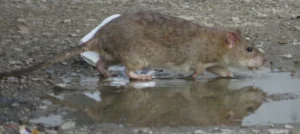
Gardens and outdoor food sources keep rats well-fed and close to their territories in summer. They don’t need to travel far or take as many risks, so they stay in familiar areas where they’re better hidden.
The rat population is actually at its highest in late summer due to spring and early summer breeding. However, abundant food and water mean rats don’t need to venture into exposed areas as often, making them less visible despite larger numbers.
Young rats born in summer start exploring by August and September. This brings an increase in sightings as inexperienced juveniles make mistakes and appear in places adult rats would avoid.
Winter Changes Rat Behavior
December, January, and February present the harshest conditions for rats, which affects when and where you’ll see them. Winter rat activity looks very different than other seasons.
Outdoor rat activity drops significantly in cold climates. Rats that haven’t found their way inside hunker down in protected burrows, under structures, or in any sheltered area they can find. You’ll see far fewer rats outside during winter months.

The rats you do see in winter are usually desperate. If a rat is out foraging during freezing temperatures, it means food is scarce and the rat is taking serious risks. These desperate rats are often more visible because they can’t afford to be as cautious.
Indoor rat activity actually increases in winter. Rats that successfully got inside during fall are now living in your walls, attic, or basement. You won’t see these rats often, but you’ll hear them and find evidence of their presence.
Mild winter days bring temporary increases in outdoor activity. If you get a warm spell in January or February, rats take advantage by coming out to forage more actively. These brief activity bursts can surprise homeowners who thought their rat problem was gone.
Time of Day Affects When You See Rats
Beyond seasonal patterns, the time of day significantly impacts rat sightings. Rats are naturally nocturnal, but this varies by season and circumstance.
Nighttime is when rats are most active regardless of season. From about an hour after sunset until an hour before sunrise, rats are out foraging, exploring, and generally doing all their normal activities.
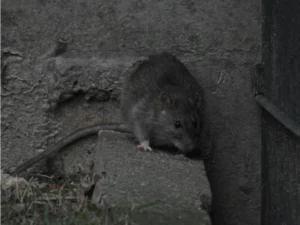
Dawn and dusk see increased rat activity in all seasons. These transition times provide cover of semi-darkness while temperatures are moderate. If you’re going to see rats, early morning (5-7 AM) and evening (7-9 PM) are the most likely times.
Daytime rat sightings are concerning. Adult rats rarely appear during full daylight unless something is wrong. Seeing rats during the day usually means either the population is so large that competition forces some to forage in daylight, or the rats are sick/injured.
Young rats appear during daytime more often than adults. Juveniles haven’t learned proper caution yet and might venture out during late morning or early afternoon, especially in summer when days are long.
Geographic Differences in Rat Activity
Where you live dramatically affects when rats are most active and visible. Climate creates very different seasonal patterns across different regions.
Northern states see very clear seasonal changes in rat visibility. Spring and fall are peak times, summer sees moderate activity, and winter sees minimal outdoor rat activity. The patterns are predictable and pronounced.
Southern states have more consistent rat activity year-round. You’ll still see increases in spring and fall, but the winter drop-off is much less dramatic. Rats in warm climates like Florida stay active all year.

Coastal areas often see peak rat activity during rainy seasons. In the Pacific Northwest, this means fall and winter actually bring more visible rats because constant rain drives them out of burrows and toward shelter.
Desert regions have unique patterns. Peak rat activity might occur during monsoon seasons when water is available, or during cooler months when extreme heat isn’t limiting activity.
Why You Might See More Rats in Urban Areas
City rats behave somewhat differently than rural rats when it comes to seasonal activity. The urban environment provides resources and protection that change natural patterns.
Urban rats stay active year-round at relatively consistent levels. Cities provide food, water, and shelter regardless of season, so rats don’t experience the same seasonal pressures as rural populations.
You might actually see urban rats more in winter than rural rats. City infrastructure (sewers, subways, building foundations) provides protection from cold, keeping rats active even when countryside rats are hunkering down.
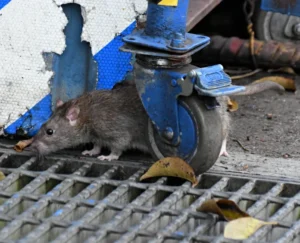
Restaurant and business districts see constant rat activity. The continuous availability of food waste means rats in these areas don’t follow natural seasonal patterns as closely.
Construction and demolition drive rats into visibility. When buildings are torn down or renovated, rats that were hidden get displaced and become much more visible, regardless of season.
Weather Events and Rat Sightings
Specific weather conditions can cause sudden increases in rat visibility, independent of season. Understanding these triggers helps you know when to expect more rat activity.
Heavy rain drives rats out of burrows. If you see rats during or right after rainstorms, they’re fleeing flooded underground homes. This happens most commonly in spring and fall when rain is heaviest.

Sudden cold snaps increase rat desperation. An unexpected temperature drop, even in early fall, will send rats scrambling for shelter and food. You’ll see more rats during and right after these cold periods.
Heat waves can actually reduce rat sightings in summer. When temperatures spike above 95°F, rats stay hidden in cool spots and only emerge during the coolest hours of night.
Drought conditions bring rats closer to water sources. During dry periods, you might see more rats near bird baths, ponds, leaky faucets, or anywhere water is available.
Signs That Tell You When Rats Are Active
Even if you don’t see actual rats, certain signs indicate when they’re most active on your property. Learning to read these signs helps you understand rat patterns in your specific location.
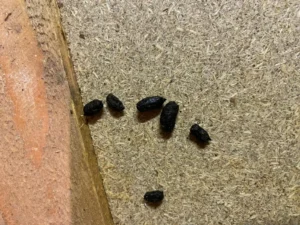
Fresh droppings tell you rats were active recently. Rat droppings are dark and moist when fresh, turning gray and dry over time. Finding fresh droppings in the morning means rats were active during the night.
Gnaw marks on food containers or structures show recent activity. Fresh gnaw marks look light-colored and clean. If you find new gnaw marks appearing regularly, rats are actively feeding in that area.
Grease marks along walls and baseboards indicate regular travel routes. These dark smudges accumulate over time as rats repeatedly brush against surfaces. New or darker grease marks mean increased activity.
Sounds in walls or ceilings tell you when rats are moving. Scratching, squeaking, or running sounds usually happen at night when rats are most active. The timing of these sounds can help you understand their schedule.
How Rat Populations Change Through the Year
Understanding population cycles helps explain why you see more rats at certain times. Rat numbers fluctuate seasonally, affecting visibility.
January through March sees the lowest rat populations. Winter has reduced numbers through cold stress and limited breeding. This is when you’re least likely to see rats, simply because there are fewer of them.

April through August brings population explosions. Spring and summer breeding creates multiple generations. By late summer, rat populations can be 5 to 10 times higher than they were in early spring.
September through November shows peak populations. All the rats born in spring and summer are now active, creating maximum numbers. You’re most likely to see rats during this period just because there are so many of them.
December starts the population decline as winter stress takes its toll. Food scarcity, cold weather, and reduced breeding all contribute to shrinking populations through the winter months.
The Connection Between Food Sources and Visibility
What’s available to eat heavily influences when and where you’ll see rats. Tracking seasonal food sources helps predict rat activity.
Spring gardens attract rats as plants start producing. You’ll see more rats near vegetable gardens and compost piles from April through June as these food sources become active.
Fruit trees dropping fruit in summer and fall create rat magnets. If you have fruit trees, expect to see peak rat activity when fruit is ripening and falling. This can be anytime from June through October depending on the tree type.
Bird feeders provide year-round food that attracts rats. However, you might notice more rats around feeders in winter when other food is scarce and in spring when bird feeding activity increases.
Harvest season in agricultural areas brings rats out in huge numbers. Late summer and fall harvests mean spilled grain and crops, attracting rats from a wide area.
When to Be Most Alert for Rats
Knowing when rats are most active helps you know when to watch for them and take preventive action. Certain times demand extra vigilance.

Late August and September are critical months. This is when rat populations peak and invasion season starts. Be extra alert for signs of rats during this period.
Early morning hours in any season are prime rat spotting times. If you’re up before sunrise, take a quick look around your yard. This is when rats are finishing their nightly activities and might still be visible.
After storms or weather events, check for displaced rats. Heavy rain, wind, or unusual weather can drive rats out of hiding and make them more visible.
When outdoor temperatures first drop below 50°F at night, watch for increased rat activity. This temperature triggers shelter-seeking behavior and makes rats more visible around buildings.
Why Some Properties See Rats More Than Others
Not everyone sees rats at the same frequency, even in the same neighborhood. Certain property features affect how often rats appear and when you’ll notice them.
Properties with multiple food sources see rats year-round. Gardens, compost bins, pet food, bird feeders, and accessible garbage all attract rats consistently.

Homes near water see more rats in all seasons. Rats need water daily, so properties near streams, ponds, or even consistent irrigation see higher rat activity.
Cluttered yards provide cover that makes rats bold. Woodpiles, dense vegetation, and stored equipment give rats places to hide, making them more likely to spend time on your property and eventually become visible.
Well-lit properties actually see fewer rats. Rats avoid bright lights, so homes with good outdoor lighting see less rat activity in illuminated areas, though rats will still be active in dark spots.
Conclusion
Rats come out and are most visible during spring (March through May) and fall (September through November), though they remain active year-round.
Spring brings breeding activity and young rats exploring, while fall brings desperate food-seeking and shelter-hunting before winter.
Summer sees rats adjusting to heat by being active mainly during dawn and dusk, while winter drives most outdoor activity underground or indoors.
Understanding these seasonal patterns helps you know when to be most alert and when to take preventive action. If you want to spot rats on your property, early morning or evening during spring or fall gives you the best chance.
If you want to prevent rats from becoming a problem, late summer preparation before the fall activity surge is your best opportunity.
Remember that seeing rats during daylight hours in any season is a warning sign of a larger problem. Healthy adult rats rarely appear during the day unless populations are very large or food is extremely scarce.
If you’re seeing rats regularly, regardless of season, you need to take action before the population grows even larger.

Hi, my name is Ezra Mushala, i have been interested animals all my life. I am the main author and editor here at snakeinformer.com.