

You’ve probably noticed more signs of rodents in your home during certain months and wondered if there’s a pattern.
Understanding when rats are most likely to invade homes helps you prepare and protect your property before they get in. So, what time of year do rats come inside, and when should you be most worried about rats invading your home?
Rats come inside primarily during fall and early winter (September through December) when outdoor temperatures drop and food becomes scarce. A second, smaller wave happens in early spring (March and April) when rats seek dry shelter from heavy rains.
The fall invasion is by far the most significant. As soon as temperatures start dropping below 50°F at night, rats begin actively searching for warm places to spend the winter. Your home becomes extremely attractive when the weather turns cold.
Why Fall Is Peak Invasion Season
September and October mark the beginning of serious rat invasion season in most parts of the country. Even though the weather might still feel warm during the day, nighttime temperatures are dropping, and rats can sense winter is coming.
Rats can’t survive well in freezing temperatures. Unlike some animals that hibernate or grow thick winter coats, rats stay active all winter and need shelter to avoid dying from cold. Your heated home solves this problem perfectly.

Food sources also start disappearing in fall. Gardens stop producing, insects die off or go dormant, and natural food becomes much harder to find. Rats that could easily survive outside all summer suddenly face starvation without finding new food sources.
The combination of dropping temperatures and disappearing food creates desperate rats. They’ll take risks they wouldn’t normally take, squeeze through incredibly small openings (gaps as small as a quarter), and work harder to get inside your home.
By November and December, the invasion is in full swing. Rats have been searching for entry points for weeks, and many have successfully found their way inside. This is when most people first notice signs like droppings, gnaw marks, or scratching sounds in walls.
The Early Spring Invasion Wave
March and April bring a second, smaller wave of rats coming inside, but for different reasons than fall. Heavy spring rains are the main culprit during these months.
Rats live in burrows underground or in dense vegetation outdoors. When heavy rains come, these burrows flood and rats need to evacuate quickly. Your dry home becomes very appealing compared to a flooded burrow.

Spring storms can be particularly bad for driving rats indoors. Several days of heavy rain will force rats out of their outdoor homes and send them searching for dry shelter. Buildings are the obvious choice.
Melting snow in northern regions creates similar problems. As snow melts in late March and early April, the ground becomes saturated with water. Rats living in outdoor burrows find themselves in increasingly wet conditions and look for drier alternatives.
The spring invasion is usually less severe than fall because rats aren’t as desperate. They’re looking for temporary shelter from rain, not permanent winter homes. However, if rats get inside during spring and find it comfortable, many will stay and start breeding.
Summer Is Actually the Safest Time
If there’s a time of year when you’re least likely to see new rats coming inside, it’s summer. June, July, and August see the fewest home invasions because outdoor conditions are perfect for rats.
Warm weather means rats have no reason to seek heated shelter. They’re perfectly comfortable living in burrows, under decks, in dense vegetation, or in outdoor structures like sheds. Your warm house offers no advantage.
Food is everywhere during summer. Gardens are producing, garbage is more abundant because people are eating outside, insects are plentiful, and natural food sources are at their peak. Rats can easily find everything they need without taking the risk of entering human structures.

Water sources are also readily available outdoors in summer. Rain, morning dew, bird baths, and people watering gardens all provide easy access to water. Rats don’t need to venture inside to stay hydrated.
That said, rats already living inside your home won’t leave in summer. If they got in during fall or spring, they’ve established territories and nests. Summer is when these established indoor populations breed heavily and grow larger.
Regional Variations in Invasion Timing
Where you live significantly affects when rats are most likely to invade your home. Climate differences create very different invasion patterns across the country.
In northern states like Minnesota, Michigan, and New York, the fall invasion happens earlier and is more intense. Rats start coming inside as early as late August in some years, and by October the invasion is at its peak.
Southern states see a less dramatic fall invasion. In places like Florida, Georgia, and Louisiana, outdoor temperatures stay comfortable longer. Rats don’t feel the same urgency to get inside, so the invasion happens later (October and November) and with less intensity.

The Southwest has unique patterns. Desert areas like Arizona and New Mexico see rats coming inside during the hottest part of summer when outdoor temperatures become unbearable. The air conditioning in your home provides relief from extreme heat.
Coastal regions often experience prolonged invasion periods. The Pacific Northwest sees rats coming inside from October through March because of constant rain and cool temperatures. The invasion isn’t as concentrated as in other regions – it’s more of a steady stream over several months.
What Triggers Rats to Seek Indoor Shelter
Understanding what specifically drives rats indoors helps you predict when invasions will happen in your area. Several environmental triggers push rats from outdoor to indoor living.
Temperature is the primary trigger. When nighttime temperatures consistently drop below 50°F, rats start actively searching for warmer shelter. Once temperatures hit freezing regularly, the search becomes desperate.
Sudden weather changes cause spikes in invasion attempts. An early cold snap in September, even if it’s temporary, will send rats searching for shelter. A week of unusually cold weather can trigger more invasion attempts than a gradual temperature decline.
Food scarcity forces rats to expand their territories. When outdoor food becomes hard to find, rats will travel farther and explore new areas, including your home. First frost is a critical moment because it kills many plants and insects that rats depend on.
Overcrowding in outdoor populations also drives rats inside. After a summer of heavy breeding, outdoor rat populations peak in early fall. Competition for resources and territory pushes some rats to look for new places to live, including human structures.
How Rats Find Entry Points
Rats don’t just randomly wander into homes. They actively search for entry points, and their search intensifies during fall when the pressure to get inside is strongest.
Rats follow exterior walls looking for gaps, cracks, and holes. They’re particularly attracted to areas where different building materials meet because these spots often have small gaps. Foundation meets siding, roof meets walls, pipes enter buildings – these are all prime entry zones.

Vents and openings for utilities are like welcome mats for rats. Dryer vents, attic vents, crawl space vents, and gaps around pipes and wires all provide potential entry. If these aren’t properly screened or sealed, rats will find them.
Damaged areas get exploited quickly. A small crack in your foundation or a loose board on your siding might seem minor, but rats can enlarge these openings by gnawing. What starts as a quarter-inch gap can become a rat highway within days.
Trees and vegetation touching your house create pathways. Roof rats especially use tree branches to access roofs, then search for entry points near the roofline. Overgrown bushes against your foundation provide cover for rats to work on finding or creating ground-level entries.
Early Warning Signs of Invasion Season
Recognizing the early signs that invasion season is starting helps you take action before rats actually get inside. Certain indicators tell you rats are actively searching for entry.
Increased outdoor sightings in fall are a red flag. If you start seeing rats in your yard during September and October, they’re probably checking out your property as a potential winter home. This is your warning to seal up entry points immediately.
Gnaw marks appearing on exterior structures suggest rats are testing for weak spots. Fresh gnaw marks on door frames, siding, or around utility entry points mean rats are actively trying to create or enlarge openings.
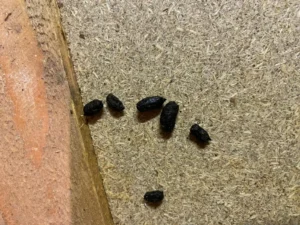
Droppings near your home’s foundation indicate rats are spending time against your house. They’re likely searching for entry points. Finding droppings near vents, doors, or garage areas is especially concerning.
Your pets might alert you to rat activity. Dogs and cats often detect rats before humans do. If your pet suddenly becomes very interested in a specific area of your home’s exterior or starts acting alert around certain walls or floors, investigate for signs of rats.
Why Rats Choose Your Home
Not all homes get invaded equally. Certain factors make your property more attractive to rats during invasion season, and understanding these helps you reduce your risk.
Homes near food sources get hit harder. If you’re close to restaurants, grocery stores, farms, or have a productive garden, you’re more likely to have rats exploring your property. When these rats start looking for winter shelter, your house is right there.
Older homes with more potential entry points are easier targets. Settling foundations, aging siding, and deteriorating seals around windows and doors create numerous opportunities for rats to get inside. Newer, well-maintained homes have fewer vulnerabilities.
Cluttered properties provide cover for rats to approach your home. Woodpiles, dense vegetation, stored equipment, and debris give rats places to hide while they search for entry points. Clean, open yards make rats more visible and vulnerable, so they’re less likely to spend time searching your house.
Homes with existing rodent activity attract more rats. Rats leave scent trails and pheromones that other rats can detect. If you had rats last year, you’re more likely to get them again this year because the chemical signals are still present.
The Difference Between Scouting and Invasion
Rats don’t immediately move their entire population inside when fall arrives. There’s usually a scouting phase followed by the actual invasion.
August and early September often see individual rats checking out properties. These scouts are exploring, memorizing locations of food and water, and searching for potential entry points. You might see a rat or two but not notice any signs inside yet.

Late September through October is when scouts start gaining entry. A few rats get inside and establish themselves. These early invaders often go unnoticed because their numbers are small and they’re being very cautious.
November and December bring the full invasion. Once a few rats have successfully established themselves inside, their scent trails and success attract others. More rats follow the same entry points, and the population inside your home grows quickly.
By January, if you haven’t sealed entry points, you likely have an established indoor population. These rats are now breeding and creating their own babies inside your home, making the problem much worse.
Preventing the Fall Invasion
Since fall is when most rats come inside, late summer is the critical time for prevention. Taking action in August before the invasion starts is much easier than fighting rats already inside.
Inspect your home’s exterior thoroughly in August. Look for any gaps, cracks, or holes larger than a quarter inch. Check foundation, siding, roof edges, vents, and anywhere utilities enter your house. Seal everything you find with appropriate materials (steel wool, metal flashing, concrete, caulk).
Cut back vegetation before fall. Trim tree branches so they don’t touch your roof or walls. Clear dense bushes away from your foundation. Remove woodpiles or move them at least 20 feet from your house. Eliminating cover makes your home less attractive to scouting rats.

Secure food sources in late summer. Harvest garden produce promptly, don’t leave pet food outside, use secure trash cans with tight lids, and clean up any fallen fruit from trees. Removing food temptations reduces the number of rats exploring your property.
Install or repair door sweeps before temperatures drop. Gaps under doors are common entry points. Good door sweeps eliminate this vulnerability and should be in place by September at the latest.
Conclusion
Rats come inside primarily during fall and early winter, with September through December being the peak invasion period in most regions. The combination of dropping temperatures and disappearing food sources drives rats to actively search for warm, protected places to spend winter. A smaller invasion wave happens in early spring when heavy rains flood outdoor burrows.
Understanding this timing helps you prepare before invasion season starts. Late summer is your critical window for sealing entry points, removing attractants, and making your home less appealing to rats searching for winter shelter. Once fall arrives and temperatures drop, rats become desperate and much harder to keep out.
If you notice signs of rats during peak invasion months, act immediately. Every day you wait allows more rats to find their way inside and increases the difficulty and cost of removing them. The fall invasion is predictable and preventable, but only if you take action before it starts.

Hi, my name is Ezra Mushala, i have been interested animals all my life. I am the main author and editor here at snakeinformer.com.