
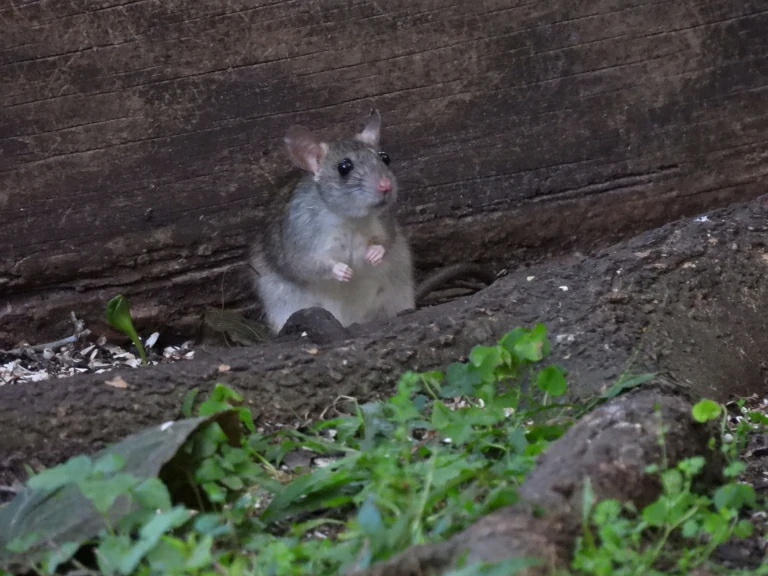
Rats are one of the most common and problematic pests worldwide. They damage property, spread disease, and reproduce at alarming rates.
If you’re dealing with rats or trying to prevent an infestation, you might be wondering if there’s a specific time of year when they breed most. So, what time of year do rats breed?
Rats can breed year-round if they have access to food, water, and shelter. However, in the wild, they tend to breed more during spring and summer when temperatures are warmer and food is more available. Rats living in human structures can breed constantly throughout the year.
This means you can’t relax during any particular season. Rats don’t take breaks from breeding like some animals do.
If conditions are right, they’ll reproduce continuously, which is why infestations can grow so quickly regardless of the time of year.
Do Rats Have a Breeding Season?
Unlike many animals that only breed during specific seasons, rats are opportunistic breeders. They’ll reproduce whenever conditions allow.
In the wild, rats typically breed more during warmer months. Spring and summer provide better conditions because food is more plentiful and temperatures are more comfortable.

Wild rats that live outdoors often experience reduced breeding during winter. Cold temperatures, limited food, and harsh conditions make it harder for them to survive and reproduce.
Pregnant females might have fewer litters, and baby rats (called pups) have lower survival rates in winter.
But rats that live near humans have a completely different experience. Buildings provide warmth, and human food sources are available year-round.
This means rats living in homes, restaurants, warehouses, or other human structures can breed continuously, even in the middle of winter.
In fact, rats often move indoors during fall and winter specifically because outdoor conditions get worse. Once inside, they find everything they need to thrive and breed.
So while wild outdoor rats might slow down breeding in winter, indoor rats don’t. They just keep going.
Monthly Breeding Patterns
Here’s a breakdown of rat breeding activity throughout the year:
| Month | Breeding Activity | Notes |
|---|---|---|
| January | Moderate to High | Indoor rats breed actively; outdoor rats slow down due to cold |
| February | Moderate to High | Same as January; indoor populations continue growing |
| March | High | Temperatures start warming; outdoor rats begin breeding more |
| April | Very High | Spring conditions ideal for breeding; both indoor and outdoor rats very active |
| May | Very High | Peak breeding season; food abundant; warm temperatures |
| June | Very High | Continued peak breeding; outdoor rats thrive |
| July | Very High | Summer peak continues; high reproduction rates |
| August | High | Still warm but some areas may dry out; breeding remains active |
| September | High | Early fall; rats start looking for indoor shelter; breeding continues |
| October | Moderate to High | Rats moving indoors as temperatures drop; indoor breeding increases |
| November | Moderate | Outdoor breeding slows; indoor rats maintain breeding |
| December | Moderate to High | Cold weather; most rats moved indoors; indoor breeding continues |
As you can see, rats can breed during any month. The main difference is where they’re breeding (indoors vs. outdoors) and how intensely.
Why Rats Breed More in Spring and Summer
There are several reasons why rat breeding picks up during warmer months, especially for outdoor rats.
Temperature plays a big role. Rats prefer temperatures between 65°F and 80°F. When it’s too cold, their metabolism slows down and they use more energy just staying warm.
This leaves less energy for reproduction.

In spring and summer, warmer temperatures mean rats don’t have to work as hard to maintain their body heat. They can put more energy into breeding and raising young.
Food availability is another factor. In spring and summer, there’s more natural food available outdoors.
Plants are growing, insects are abundant, and there’s generally more for rats to eat. Better nutrition means healthier rats that can reproduce more successfully.
Daylight hours also matter. Longer days in spring and summer can trigger hormonal changes that increase breeding activity.
Water is easier to find in spring when snow melts and rain is more common. Rats need water daily, so abundant water sources support higher populations and more breeding.
Baby rats also have better survival rates in warm weather. Newborn pups are hairless and can’t regulate their own body temperature for the first couple weeks.
If they’re born in cold conditions, they’re more likely to die. Spring and summer births have higher survival rates.
Why Indoor Rats Breed Year-Round
Rats living inside human structures aren’t affected by seasonal changes the same way outdoor rats are.
Buildings provide stable temperatures year-round. Whether it’s summer or winter, indoor rats stay comfortable.
They don’t have to use extra energy dealing with extreme heat or cold, so they can breed continuously.
Food is constantly available. Humans produce food waste every day. Kitchens, pantries, garbage cans, pet food bowls, and restaurants all provide steady food sources.
Unlike outdoor rats that might struggle to find food in winter, indoor rats never go hungry.

Water is also readily available. Leaky pipes, pet water bowls, condensation, and other sources provide all the water indoor rats need.
Shelter is guaranteed. Indoor rats don’t have to worry about predators, weather, or finding safe nesting sites.
They have plenty of hiding spots in walls, attics, basements, and other protected areas.
With all three requirements (food, water, shelter) met year-round, indoor rats breed at maximum capacity regardless of the season.
This is why you can have a rat problem in your house in January just as easily as in July.
When Do Rats Move Indoors?
Rats start looking for indoor shelter in late summer and early fall, usually around September and October.
As temperatures begin to drop and outdoor food sources become scarce, rats instinctively look for better conditions.
They follow warmth, food smells, and potential entry points into buildings. If they find a way in, they’ll settle there for the winter.
Once inside, they start breeding. By the time you notice them in winter, they might have already established a population.
This is why fall is a critical time for rat prevention. If you seal up your home and remove attractants before rats start looking for winter shelter, you can avoid infestations.
But if rats get inside in fall, they’ll breed throughout winter and you’ll have a much bigger problem by spring.
Peak Breeding Months
If you had to pick the absolute peak breeding months for rats, it would be April through August.
During these months, both indoor and outdoor rats are breeding at maximum rates.
Outdoor rats have optimal conditions with warm weather, abundant food, and long days. Indoor rats continue their year-round breeding while outdoor populations surge.

This means the overall rat population grows most dramatically during these months.
If you’re trying to control rats, spring and summer are when you need to be most vigilant. This is when populations can explode if conditions are right.
But again, don’t ignore rats during other months. They’re still breeding. The rate might be slightly lower for outdoor rats, but the problem is still growing.
How Fast Do Rat Populations Grow?
Regardless of the season, rat populations can grow incredibly fast.
A female rat can have a litter every 3 weeks once she’s sexually mature (around 5 weeks old). Each litter contains 6 to 12 pups on average.
This means one female can produce 5 to 10 litters per year, or 40 to 120 babies.
Those babies will start breeding themselves when they’re just 5 to 8 weeks old. So within a few months, you don’t have one breeding female. You have dozens.
One pair of rats can theoretically produce over 1,500 descendants in a single year if conditions are perfect and all babies survive.
In reality, not all babies survive. Predators, disease, and lack of resources kill some of them.
But even with losses, populations still grow extremely fast. A few rats can become dozens or hundreds within months.
This rapid growth happens year-round for indoor rats and primarily during spring through fall for outdoor rats.
Regional Differences in Breeding Patterns
Rat breeding patterns can vary depending on where you live.
In warmer climates (like the southern United States, tropical areas, or Mediterranean regions), outdoor rats can breed almost year-round.

Winters are mild enough that rats don’t experience the same slowdown as rats in colder climates.
In these areas, you might see more consistent rat activity throughout the year with less seasonal variation.
In colder climates (northern United States, Canada, northern Europe), outdoor rats definitely slow down in winter.
Some might not survive the cold at all. But the ones that make it indoors will breed continuously.
In areas with distinct wet and dry seasons, breeding might peak during the wet season when water and food are more available.
Desert areas might see increased breeding after rainy periods when vegetation grows and food becomes abundant.
The point is that local climate affects outdoor rats more than indoor rats. But everywhere, indoor rats breed year-round.
Signs That Rats Are Breeding
If rats are breeding on your property, you’ll see certain signs.
Droppings are the most obvious indicator. Rat droppings are about 1/2 to 3/4 inch long, dark, and capsule-shaped.
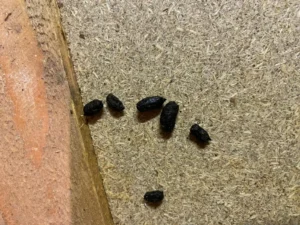
If you see a lot of droppings, or if you see fresh droppings every day, it means rats are actively living and breeding nearby.
You might hear noises, especially at night. Rats are nocturnal, so they’re most active after dark.
Listen for scratching, scurrying, or squeaking sounds. If you hear baby rats squeaking, that’s a clear sign of breeding.
Look for nests. Rats build nests from shredded paper, fabric, insulation, or other soft materials.
Nests are usually hidden in walls, attics, under floors, or in cluttered areas.
If you see live rats during the day, the population is probably large. Rats are nocturnal, so daytime sightings suggest overcrowding.
When there are too many rats, some are forced to come out during daylight hours.
Gnaw marks are another sign. Rats constantly chew to keep their teeth from growing too long.
Fresh gnaw marks are lighter in color with rough edges.
How to Prevent Rats From Breeding
The best way to control rat breeding is to make your property unattractive to them.
Remove food sources. Don’t leave pet food out, keep garbage in sealed containers, and store food in airtight containers.
Clean up spills immediately. If you have fruit trees, pick up fallen fruit daily.
Eliminate water sources. Fix leaky pipes and faucets. Don’t let water pool anywhere.
Empty containers that collect water, and remove pet water bowls at night.
Remove shelter options. Clean up clutter, debris, and junk piles. Trim overgrown vegetation.
Keep grass short and store firewood at least 20 feet from your house.

Seal entry points. Rats can squeeze through holes as small as 1/2 inch.
Check for gaps around doors, windows, pipes, vents, and foundations. Seal openings with steel wool, caulk, or metal mesh.
Set traps if you already have rats. Snap traps are most effective. Place them along walls where rats travel.
Bait with peanut butter and check daily.
Should You Call Pest Control in a Certain Season?
You should call pest control as soon as you notice rat activity, regardless of the season.
Some people think they should wait until a certain time of year to deal with rats. This is a mistake.
Rats breed too quickly to ignore. Waiting even a few weeks can turn a small problem into a major infestation.
That said, if you want to prevent rats proactively, fall is a good time to have a professional inspect your property.
This is when rats start looking for indoor shelter. A pest control expert can identify potential entry points and help you seal them before rats move in.
Spring is another good time for preventive inspections, since this is when outdoor rat populations start growing rapidly.
But if you see signs of rats now, don’t wait for a better season. Call a professional immediately.
Conclusion
Rats can breed year-round if they have food, water, and shelter. Outdoor rats breed most actively during spring and summer when conditions are optimal.
Indoor rats living in human structures breed continuously throughout the year because they have stable conditions regardless of the season.
Peak breeding months are typically April through August, but rats can reproduce during any month.
To prevent rats from breeding on your property, remove food sources, eliminate water, seal entry points, and keep your property clean and free of clutter.
The most important thing is to act immediately when you spot signs of rats. Don’t wait for a particular season.
The longer you delay, the worse the infestation becomes. When you make your property unattractive to rats and block their access, you can stop them from breeding and keep your home rat-free year-round.

Hi, my name is Ezra Mushala, i have been interested animals all my life. I am the main author and editor here at snakeinformer.com.