
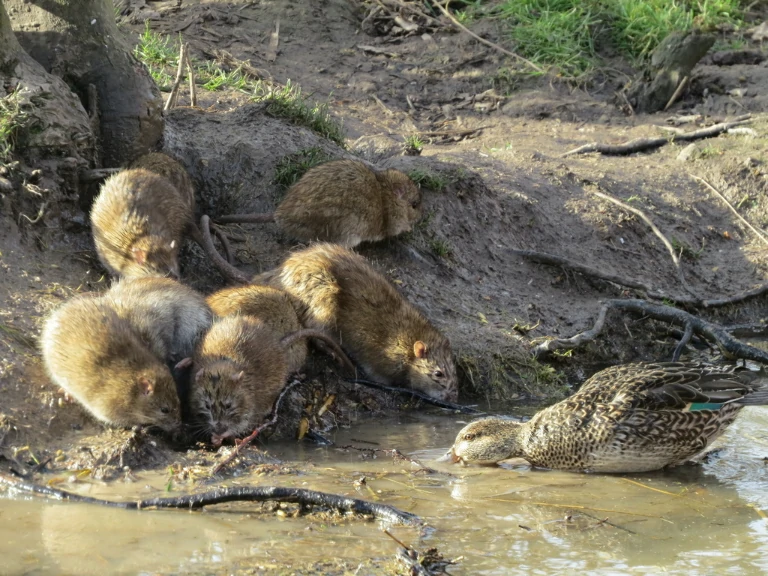
If you’ve noticed more rats scurrying around your yard, found more droppings in your garage, or heard increased scratching in your walls during certain months, you’re picking up on real patterns in rat behavior.
Rat activity levels change dramatically throughout the year based on weather, food availability, and breeding cycles.
So when exactly are rats at their busiest?
Rats are most active during late summer and early fall (August through October) when populations peak from spring and summer breeding. Fall also sees intense activity as rats search for indoor shelter before winter. Spring (March through May) brings another surge in activity as rats emerge from winter and begin breeding heavily. Indoor rats remain consistently active year-round.
These peak activity periods happen for different reasons. Summer activity is about large populations competing for resources, while fall activity is driven by preparation for winter.
Understanding what causes these activity spikes helps you know what to watch for and when to take action.
Why Late Summer Shows the Highest Rat Activity
Late summer (August and early September) is when you’ll see the most rats outdoors. This isn’t just a perception. Rat populations really do reach their annual peak during this time.
All that spring and summer breeding has paid off. Rats that were born in April are now mature and having their own babies. The original mothers are on their third or fourth litters.
Multiple generations are active at the same time.
With populations at their highest, rats are everywhere. You’ll see them in gardens, near garbage areas, along fence lines, and around any outdoor food source.
They’re also more visible because young rats haven’t fully developed the caution that keeps adults hidden.

Food is still abundant in late summer. Gardens are producing vegetables, fruit trees are bearing fruit, and insects are plentiful. This abundance supports large rat populations, but it also means rats are moving around more to access all these food sources.
You’ll notice more rat damage during this period too. With so many rats around, they’re gnawing on more structures, leaving droppings in more places, and generally making their presence more obvious.
Late summer is also when young rats are dispersing from their birth nests to find their own territories.
This movement brings rats into new areas where you might not have seen them before.
Fall Activity Reaches Peak Intensity
If late summer has the most rats, fall (September through November) has the most intense rat activity. Rats aren’t just active. They’re frantic.
| Season | Activity Level | Population Size | Primary Activity Focus |
|---|---|---|---|
| Winter (Dec-Feb) | Low to Medium | Small (Outdoor) / Stable (Indoor) | Survival, staying warm, conserving energy |
| Spring (Mar-May) | High | Growing Rapidly | Breeding, establishing territories |
| Summer (Jun-Aug) | Very High | Peak Numbers | Foraging, raising young, breeding |
| Fall (Sep-Nov) | Very High (Most Intense) | Large, Seeking Shelter | Finding winter shelter, storing food |
Fall activity is driven by urgency. Rats know winter is coming (they sense temperature drops and shorter days), and they need to prepare.
This preparation includes finding warm shelter, which means your house becomes incredibly attractive.
You’ll see rats exploring areas they normally avoid. They’re checking every possible entry point, testing structures for weak spots, and taking risks they wouldn’t take during summer when survival is easier.

Fall activity peaks in evening and nighttime hours, but you might even spot rats during twilight as they frantically search for resources.
The combination of large populations (from summer breeding) and desperate preparation creates the year’s most intense rat activity.
This is also when home invasions spike dramatically. More rats are trying to get in, they’re more persistent, and they’re checking your property every night.
If your home has any vulnerabilities, fall is when rats will find them.
Spring Brings Renewed Activity After Winter
After winter’s slowdown, spring (March through May) brings a surge in rat activity. This activity looks different from fall activity but can be just as problematic.
Rats that survived winter, whether indoors or outdoors, emerge ready to breed. Female rats go into heat frequently in spring, and males are actively seeking mates.
This reproductive activity means lots of movement and exploration.
Warming temperatures make rats more comfortable being active. They start ranging farther from their nests, exploring new areas, and establishing or expanding territories.
Young rats born in late winter are old enough to leave their birth nests and find their own spaces.
Spring also brings new outdoor food sources. Plants are growing, insects are emerging, and birds’ nests contain eggs. Rats move around more to take advantage of these seasonal foods.
If rats spent winter in your home, spring is when you might see them venturing outside more.
They’re not leaving permanently. They’re just taking advantage of good weather while maintaining their indoor nest as home base.
Indoor activity increases in spring too. Rats that bred during winter now have litters of babies growing up and becoming active. What sounded like one or two rats scratching in your walls might now sound like a whole family.
How Summer Activity Differs from Other Seasons
Summer activity is high but feels different from spring or fall. Summer rats aren’t desperate or frantic. They’re just numerous and comfortable.
With warm weather and abundant food, rats can be active for longer periods each night.
They don’t need to hurry back to shelter to warm up, and they don’t face immediate survival pressure like they do in fall.
You’ll see more rats in summer simply because there are more rats, period. All that spring breeding has resulted in tons of babies, and these young rats are now out exploring alongside adults.
Summer activity focuses on foraging and socializing. Rats visit gardens, garbage areas, compost bins, and anywhere food accumulates.
They’re also raising young, so mother rats are especially active gathering food for their babies.
Interestingly, extreme summer heat can reduce daytime activity and even slightly reduce nighttime activity during heat waves. Rats can overheat, so during brutally hot periods, they might become less active overall.
Summer is when you’re most likely to see signs of rats without actually seeing the rats themselves. Droppings multiply, gnaw marks appear on outdoor structures, and paths through vegetation become obvious from repeated use.
Why Winter Shows the Least Activity
Winter (December through February) is when outdoor rat activity drops to its lowest point of the year. This happens for several important reasons.
Many outdoor rats die during winter, especially in northern climates. Cold temperatures, food scarcity, and harsh weather kill off a significant portion of the population. Fewer rats means less visible activity.
Rats that survive winter reduce their activity to conserve energy. They take shorter foraging trips, move slower to preserve warmth, and spend more time huddled in their nests.
This reduced movement makes them less likely to be spotted.

Snow cover hides rat trails and burrow entrances. During summer, you can see paths through grass where rats regularly travel. In winter, snow covers these signs, making rat activity less obvious even when it’s happening.
People also spend less time outdoors in winter, meaning fewer opportunities to notice rat activity. You’re not in your garden at dusk, not eating on the patio, and not outside during peak rat activity hours.
However, indoor rat activity remains constant during winter. Rats living in your walls or attic are just as active in January as in July. They’re warm, well-fed, and protected from weather, so they maintain normal activity levels.
How Weather Patterns Affect Daily Activity
Beyond seasonal patterns, specific weather conditions can cause sudden changes in rat activity levels throughout the year.
Rain reduces rat activity temporarily. Rats don’t like getting wet, and heavy rain makes foraging difficult. During rainstorms, rats typically stay in their nests.
But after rain stops, you might see increased activity as hungry rats emerge to find food.
Flooding drives rats out of outdoor burrows, causing sudden spikes in activity. After heavy rains that flood underground spaces, you might see rats during the day because they’ve been displaced from normal hiding spots.
Wind affects activity too. Strong winds make it harder for rats to use their sense of smell to find food and detect danger. On very windy nights, rats might stay closer to their nests or be less active overall.
Sudden temperature changes can trigger activity spikes. An unexpected cold snap in October might cause rats to suddenly become more aggressive about finding indoor shelter.
A warm spell in December might bring outdoor rats out of their winter dormancy.
Moon phases affect some rat activity. Rats prefer darker nights because they’re less visible to predators.
During full moons when it’s brighter at night, some studies show rats are slightly less active, though this effect is minor.
Regional Differences in Activity Patterns
Where you live dramatically changes when rats are most active. Climate plays a huge role in activity patterns.
In northern states with harsh winters, you’ll see the most dramatic seasonal variation. Summer and fall show peak activity, winter drops to near-zero for outdoor rats, and spring brings renewed activity. The pattern is very pronounced.
Southern states with mild winters see much less seasonal variation. Rats in Florida, Southern California, or coastal Texas stay fairly active year-round.
There might be slight increases in spring and fall, but winter doesn’t cause a major slowdown.
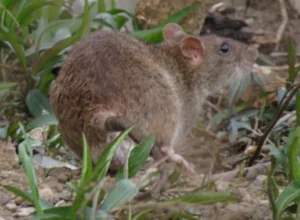
Mountain and high-elevation areas have compressed activity seasons. Rats might only be highly active from May through October, with minimal activity during snowy months. The active season is shorter but more intense.
Desert regions face unique patterns. Extreme summer heat can reduce activity as much as winter cold does in northern areas.
Rats in places like Arizona might show peaks in spring and fall when temperatures are moderate, with reduced activity during both harsh winter and blazing summer.
Urban areas everywhere maintain higher activity levels than rural areas in the same climate. Cities are warmer, provide more shelter, and offer more consistent food sources. Urban rats face less seasonal pressure than rural ones.
Daily Activity Patterns Within Seasons
While we’re talking about seasonal activity, it’s worth noting that rats follow daily patterns that also change with the seasons.
Rats are nocturnal year-round, most active from dusk until dawn. But the exact timing shifts with seasonal changes in daylight hours.
In summer when days are long and nights are short, rats start their evening activity earlier (around 7-8 PM) and continue later into the morning (until 6-7 AM). They have less darkness to work with, so they use all of it.
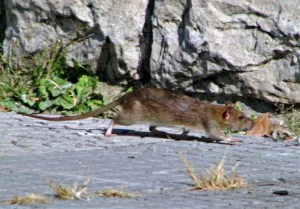
In winter with long nights and short days, rats might not emerge until full darkness (around 5-6 PM) and finish their activity earlier. They have more darkness available but reduce overall activity time to conserve energy.
Peak activity times remain consistent: early evening (just after sunset) and pre-dawn (just before sunrise) are when you’re most likely to spot rats regardless of season.
If you see rats during full daylight, it indicates either a very large population (forcing some rats to forage during day), sick rats with disrupted behavior, or rats that have been displaced from their nests.
How Breeding Cycles Drive Activity Levels
Much of the seasonal variation in rat activity connects directly to breeding cycles. Understanding this connection helps predict activity patterns.
Spring activity increases partly because rats are breeding. Males actively search for females, leading to more movement. Females forage more to support pregnancy and milk production. This breeding-related activity makes rats more visible.

Summer activity stays high because multiple generations are active simultaneously. You’ve got adults, juveniles, and babies all in the population at once. Even though individual rats might not be more active than other times, total activity is high due to sheer numbers.
Fall sees intense activity partly due to late-season breeding. Females trying to have one last litter before winter are actively foraging. Young rats from earlier litters are dispersing to find territories. This creates lots of movement.
Winter breeding cessation (in outdoor populations) contributes to reduced activity. Without the movement associated with mating and reproduction, rats are less active overall. They’re just surviving, not reproducing.
Indoor rats that breed year-round maintain constant activity levels because breeding-related behaviors continue through all seasons.
Signs of Peak Rat Activity on Your Property
Knowing the signs of high rat activity helps you assess whether you’re dealing with a small problem or a serious infestation during peak seasons.
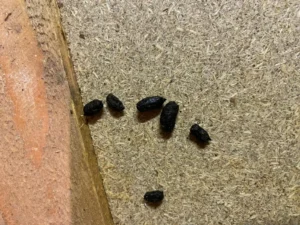
Multiple fresh droppings appearing daily (not weekly) indicates high activity. During peak seasons, you might find new droppings every single day in multiple locations around your property.
Visible runways in grass or vegetation show heavy, repeated use. During summer when populations peak, these paths become very obvious. The grass looks matted down from constant traffic.
Increased damage to structures, vegetation, or stored items indicates more rats or more active rats. Fresh gnaw marks appearing frequently show rats are actively exploring and feeding.
Hearing rats at multiple times during the night (not just once or twice) suggests high activity levels. During peak seasons with large populations, scratching and movement sounds might continue for hours.
Actually seeing rats, especially if you see multiple rats or see them before full darkness, indicates peak activity and likely a large population.
One rat sighting might be chance, but multiple sightings during peak seasons suggests serious numbers.
Pet behavior changes can signal increased rat activity. Dogs or cats that become fixated on certain areas, especially during evening hours when rats are active, are detecting activity you can’t see or hear.
Best Times to Take Action Against Rats
Understanding when rats are most active helps you time prevention and control efforts for maximum effectiveness.
Late summer (August) is ideal for outdoor population control before fall invasion season starts.
Rats are numerous and active, making them easier to target, and you’ll prevent those rats from seeking indoor shelter when fall arrives.
Early fall (September) is critical for home protection. Seal all entry points, install door sweeps, fix foundation cracks, and eliminate attractants before peak invasion season hits.
This is your last chance before desperate rats start testing every possible way in.

Late winter (February-March) is perfect for outdoor control because populations are at their lowest. Eliminating rats now prevents spring breeding that would explode populations over summer.
Spring offers opportunities to target breeding areas. Find and eliminate outdoor nests when rats are establishing territories. Stopping breeding early prevents summer population explosions.
For indoor infestations, act immediately regardless of season. Indoor rats maintain constant activity, and delaying action just gives them more time to breed and increase their numbers.
Conclusion
Rats are most active during late summer and fall (August through October) when populations peak from spring breeding and rats urgently prepare for winter.
Fall brings the year’s most intense activity as rats frantically search for indoor shelter. Spring shows another surge in activity as rats emerge from winter and begin breeding heavily.
These seasonal patterns vary by region, with northern areas showing dramatic seasonal changes and southern areas maintaining more consistent activity year-round. Indoor rats remain equally active through all seasons since they’re protected from weather and food scarcity.
Understanding these activity patterns helps you anticipate problems and take action at the right times. Prepare your home in late summer before fall invasion season.
Control outdoor populations in late winter before spring breeding begins. And if you notice signs of high rat activity during peak seasons, don’t wait. The problem will only get worse as populations continue growing.
By recognizing when rats are most active and why, you can stay ahead of these adaptable rodents and protect your property from the various challenges each season brings.

Hi, my name is Ezra Mushala, i have been interested animals all my life. I am the main author and editor here at snakeinformer.com.