

If you’ve noticed rats scurrying around your property or heard your pet rats starting to move around in their cage, you might wonder about their daily schedule.
Rats are nocturnal creatures with sleep patterns completely opposite to humans. But what time do rats wake up, and when are rats awake?
Rats typically wake up around sunset, which ranges from 5 PM to 8 PM depending on the season. They’re awake and active throughout the night until sunrise, when they go back to sleep for the day.
The exact wake-up time shifts with the seasons because rats respond to natural light changes. In summer when sunset is later, rats wake up later. In winter when sunset is earlier, they wake up earlier.
Why Rats Wake Up at Sunset
Rats evolved to become active at dusk because it gives them the best chance of survival in the wild.
The time right around sunset (called dusk or twilight) is when many daytime predators are winding down their hunting but nighttime predators haven’t fully started yet. This brief window is relatively safer for rats to start moving around.

As it gets darker, rats become even safer from visual predators like hawks and eagles that hunt during the day. The darkness gives rats cover to search for food, explore, and interact with other rats without being easily spotted.
This pattern is hardwired into rat biology. Even pet rats that have lived indoors for generations still naturally wake up around sunset because their internal clocks are programmed this way.
Rats’ eyes are specially built for seeing in low light. They have more rod cells (which help with night vision) than cone cells (which help with color vision). This makes them much better at seeing in dim light than humans are.
When Rats Are Most Active After Waking
Rats don’t stay equally active throughout the entire night.
Right after waking up at sunset, rats go through a period of very high activity. This is when they’re most energetic and do many of their important tasks like searching for food, exploring, and interacting with other rats.

This first activity peak usually lasts for about 2 to 4 hours after sunset. During this time, you’ll see the most rat movement if you have a rodent problem, or your pet rats will be most playful and interactive.
After this initial burst, rats often slow down a bit in the middle of the night (around midnight to 3 AM). They’ll still be awake and active, but at a reduced level. They might groom themselves, rest briefly, or move around less frantically.
There’s typically another peak of activity right before sunrise. Rats ramp up their activity again in the early morning hours (around 4 AM to 6 AM) before settling down to sleep for the day.
How Seasons Change When Rats Wake Up
The time rats wake up shifts significantly throughout the year because sunset times change.
In summer months (June through August), sunset happens much later. In many areas, the sun doesn’t set until 8 PM or even 9 PM. Rats adjust their schedule to match, waking up around 8 PM to 9 PM.

In winter months (December through February), sunset comes much earlier, sometimes as early as 4:30 PM or 5 PM. Rats wake up earlier to match, starting their active period around 5 PM to 6 PM.
Spring and fall are transition periods where wake-up times gradually shift. As days get longer in spring, rats wake up progressively later each week. As days get shorter in fall, they wake up progressively earlier.
This flexibility helps wild rats take advantage of whatever darkness is available. More darkness means more safe time to be active, so rats adjust their schedules to match.
What Rats Do Immediately After Waking Up
Rats have a pretty consistent routine when they first wake up, similar to how humans have morning routines.
Grooming is usually the first activity. Rats spend a lot of time keeping themselves clean, and they often groom right after waking up. They’ll lick their paws, clean their face, groom their body, and if they live with other rats, they’ll groom each other.
After grooming, eating is typically next on the list. Rats haven’t eaten much during their sleep hours, so they’re hungry when they wake up. This first meal after waking is often one of their biggest eating sessions of the night.

Drinking water follows eating. Rats need to stay hydrated, and they’ll usually drink water several times throughout the night, starting right after they wake up.
Then rats begin exploring their environment. Wild rats will venture out from their burrows to search for food and check their territory. Pet rats will start moving around their cage, investigating toys, and looking for things to do.
Social interactions are also important. Rats living in groups will spend time interacting with each other after waking up, including play-fighting, grooming each other, and just hanging out together.
How to Tell When Your Pet Rat Is Waking Up
If you have pet rats, you’ll notice some clear signs when they’re transitioning from sleep to wakefulness.
You’ll start hearing rustling and movement in their cage. Rats make noise as they move around, rearrange bedding, and start their activities.
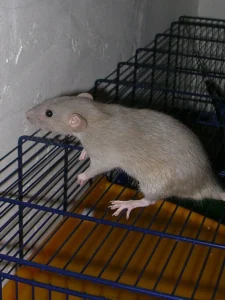
Your rats will emerge from their sleeping spots. They’ll come out of their hammocks, igloos, or hideaways and start moving around the cage.
Stretching is common when rats first wake up. They’ll extend their legs, arch their backs, and generally loosen up their muscles after sleeping for hours.
Yawning happens too. Yes, rats yawn just like humans do when they’re transitioning from sleep to wakefulness.
Their eyes will be fully open and alert instead of the sleepy, half-closed look they have when they’re drowsy. Alert rats have bright, shiny eyes and are clearly focused on their surroundings.
What Time Rats Go Back to Sleep
After being awake all night, rats go back to sleep around sunrise.
Just like their wake-up time shifts with the seasons, so does their bedtime. In summer when sunrise is early (around 5 AM to 6 AM), rats go to sleep earlier. In winter when sunrise is later (around 7 AM to 8 AM), they stay awake longer.
About 30 minutes to an hour before sunrise, rats start winding down. Their activity level decreases, and they spend more time grooming and less time exploring or looking for food.
Wild rats will start heading back to their burrows or nests before it gets fully light. They want to be safely hidden before daytime predators become active.
Pet rats will move toward their favorite sleeping spots, rearrange bedding to get comfortable, and settle in for the day. They might eat one last snack and drink some water before going to sleep.
How Long Rats Stay Awake Each Day
Rats are awake for about 9 to 12 hours out of every 24-hour period.
The exact amount varies based on the season (more hours awake in winter when nights are longer, fewer hours awake in summer when nights are shorter) and the individual rat’s age and health.
Young adult rats in good health tend to be awake for about 10 to 12 hours per night. They have lots of energy and stay active for most of the nighttime hours.

Baby rats sleep more than adults, so they might only be awake for 6 to 9 hours per day. They need extra sleep to support their rapid growth and development.
Senior rats (over 2 years old) often have reduced activity periods. They might only be awake for 8 to 10 hours per night because they tire out more easily.
Sick or stressed rats may also sleep more than healthy rats, reducing their waking hours.
Do Wild and Pet Rats Wake Up at the Same Time?
Both wild and pet rats are nocturnal and wake up around sunset, but there are some differences.
Wild rats strictly follow natural light cycles. They wake up right at sunset every day because their survival depends on being active during the safest hours.
Pet rats have a bit more flexibility. While they still naturally prefer to wake up around sunset, they might adjust their schedule slightly to match their owner’s routine.
For example, if you consistently interact with your pet rats at 6 PM every evening, they might start waking up around 5:30 PM to 6 PM, even if sunset isn’t until 7 PM. They learn your schedule and adjust within reason.

However, you can’t completely change a rat’s nocturnal nature. Even if you try to keep pet rats awake during the day, they’ll still naturally want to be most active at night. Fighting their biology causes stress and health problems.
Wild rats also have to be more cautious about when they’re active. If there’s a full moon making the night very bright, some wild rats might reduce their activity or stick to more covered areas. Pet rats don’t have to worry about this.
How Age Affects When Rats Wake Up
Baby rats, adult rats, and senior rats have slightly different wake-up patterns.
Baby rats (from weaning at 3 to 4 weeks until about 4 months old) are still developing their sleep schedules. Young rats might wake up multiple times during both day and night. They haven’t fully developed the strict nocturnal pattern yet.
As rats mature into young adults (4 months to 1 year), they develop very consistent schedules. These rats wake up reliably at sunset and are full of energy throughout the night.
Adult rats in their prime (1 year to 2 years) maintain the most predictable schedules. They wake up at consistent times each day and maintain high activity levels throughout the night.
Senior rats (over 2 years old) become less predictable. They might wake up at slightly different times each day, sometimes waking up earlier or later than usual. They also tend to wake up more slowly, taking longer to become fully alert and active.
What Affects When Rats Wake Up
Besides natural light, several other factors can influence when rats wake up.
Temperature plays a role. In very hot weather, rats might wake up earlier when it’s cooler. In cold weather, they might stay in their warm sleeping spots a bit longer before venturing out.
Food availability matters for wild rats. If food is scarce, rats might start their active period earlier to maximize their foraging time. If food is plentiful, they might sleep in a bit longer.

Noise and disturbances can wake rats up earlier than normal. If there’s a lot of activity or loud noises near their sleeping area in the late afternoon, rats might wake up before their normal time.
Stress and fear also affect wake times. Rats living in dangerous environments with lots of threats might have irregular wake times and be more reactive to any changes in their environment.
Pet rats’ schedules can be influenced by their owners. If you work night shifts and are active at night, your pet rats might adjust their most energetic periods to match when you’re around.
How Light Levels Trigger Rats to Wake Up
Rats have an internal clock that’s extremely sensitive to light changes.
As the sun sets and light levels drop, rats’ eyes send signals to their brain. The brain responds by reducing production of melatonin (the hormone that makes you feel sleepy) and increasing production of hormones that promote wakefulness.
This process doesn’t happen instantly. Rats don’t suddenly pop awake the moment the sun sets. Instead, there’s a gradual transition period of about 15 to 30 minutes where they slowly wake up and become active.
During this transition time, rats might be groggy and less alert. They’re not fully awake yet, similar to how humans feel right after waking up in the morning.
Artificial light can interfere with this natural process. Pet rats kept in rooms with bright artificial lights all evening might have delayed wake-up times or disrupted sleep cycles. This is why it’s good to let natural light cycles guide your rats’ schedule when possible.
Can You Change When Rats Wake Up?
You can’t fundamentally change a rat’s nocturnal nature, but you can make small adjustments to their schedule.
Some pet owners try to make their rats active during the day by keeping them awake and playing with them in the afternoon. This doesn’t work well and causes stress. You’re fighting against millions of years of evolution.
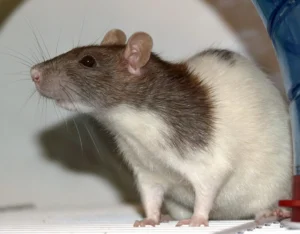
However, you can encourage your pet rats to be most active during times when you’re available to interact with them. If you get home from work at 6 PM and spend time with your rats then, they’ll learn to wake up around that time to interact with you.
The key is to work within their natural schedule rather than against it. You can shift their wake-up time by an hour or two at most, but you can’t make them truly diurnal (active during the day).
Keeping the room darker during the day and brighter in the evening can help encourage rats to maintain their natural schedule. Exposing them to natural light cycles is the best approach.
What Happens If Rats Can’t Wake Up at Their Natural Time
If rats are prevented from waking up at their normal time, it causes stress and health problems.
Imagine if someone forced you to sleep at noon and stay awake all night every night. You’d feel awful, right? That’s how rats feel when you try to change their natural schedule.
Rats kept awake during the day become irritable and aggressive. They might bite more easily or fight with their cage mates because they’re stressed and tired.
Their immune systems weaken without proper rest during the day. Sleep-deprived rats get sick more easily and take longer to recover from illnesses.

Long-term disruption of their natural schedule can even shorten their lifespan. Rats need to follow their internal rhythms to stay healthy.
If you have pet rats, the best thing you can do is respect their natural wake-up time and plan your interactions for evening and nighttime hours.
Signs Your Rat Is About to Wake Up
You can tell when your pet rats are about to transition from sleep to wakefulness.
They’ll start making small movements in their sleeping spots. You might see slight stirring or shifting positions before they fully wake up.
Their breathing pattern changes from the slow, deep breaths of sleep to quicker, more alert breathing.
You might hear small squeaks or chirps. Some rats vocalize a bit as they’re waking up, especially if they’re waking up with cage mates.
Their sleeping position becomes less relaxed. A deeply sleeping rat might be sprawled out or lying on their back. As they start waking up, they’ll shift into more normal sitting or standing positions.
Within about 15 to 30 minutes of these early signs, your rats will be fully awake and ready to start their active period.
Conclusion
Rats wake up around sunset, typically between 5 PM and 8 PM depending on the season and location.
They’re awake and active throughout the night until sunrise, when they return to their sleeping spots for the day. This nocturnal schedule is built into their biology and helps them survive in the wild by avoiding daytime predators.
If you have pet rats, understanding when they naturally wake up helps you provide better care. Plan your interaction time for evening hours when your rats are naturally waking up and most energetic, rather than trying to force them to be active during the day.

Hi, my name is Ezra Mushala, i have been interested animals all my life. I am the main author and editor here at snakeinformer.com.