
Dealing with rats in or around your home means dealing with noise, damage, and stress. One of the most common questions people ask when they’re trying to understand rat behavior is about their activity schedule.
Knowing when rats stop being active can help you plan your day, set traps at the right time, and understand what you’re dealing with. But what time do rats stop being active?
Rats typically stop being active around sunrise, usually between 5 AM and 7 AM depending on the season. Their activity drops off sharply about 30 to 60 minutes before the sun comes up, and by the time it’s fully light outside, most rats have returned to their nests to sleep for the day.
Rats are nocturnal animals, which means they’re active at night and sleep during the day. Their internal clocks are finely tuned to light cycles, so they naturally wind down their activity as morning approaches.
This pattern is consistent whether they’re living in your attic, walls, basement, or anywhere else in or around your home.
The Final Active Period Before Dawn
The last hour or two before sunrise is when rats wrap up their nightly activities. This period is different from their peak activity hours because they’re not out searching for new food anymore.
Between 4 AM and sunrise, rats are usually heading back to their nests if they aren’t already there. You might hear them making final trips, carrying food back to store, or just traveling along their usual routes one last time before settling down.
During this time, the sounds you hear are often quieter than the evening rush. Instead of lots of scurrying and exploring, you’ll hear more direct movement as rats take the shortest paths back to their sleeping areas.
Some rats finish up earlier than others. Older rats or pregnant females often head back to the nest first, while younger, more energetic rats might stay active a bit longer. But even the most active rats will typically be settled by the time the sun is fully up.
Why Rats Stop Being Active at Sunrise
Rats don’t just randomly decide to sleep when the sun comes up. There are some really important survival reasons why they’ve evolved to be inactive during daylight hours.
Their biggest predators hunt during the day. Hawks, owls, cats, dogs, and even some snakes are more active when there’s light to see by. Rats have learned over thousands of years that staying hidden during these hours keeps them alive longer.

Rats also don’t see very well in bright light. Their eyes are adapted for dim conditions, and bright sunlight can actually be uncomfortable for them. They navigate much better in low-light situations, which is another reason they prefer nighttime activity.
Temperature plays a role too. During summer months especially, daytime heat can be dangerous for rats. They’re covered in fur and can overheat easily, so sleeping during the hottest parts of the day makes sense for their survival.
Human activity is another factor. Rats have learned that people are most active during the day, and they want to avoid contact with humans as much as possible. Sleeping during the day when people are moving around the house is a smart survival strategy.
How Sunrise Time Affects When Rats Stop
The exact time rats stop being active changes throughout the year because sunrise time changes. This means rat activity patterns shift with the seasons.
In summer, when the sun rises early (around 5 AM or even earlier), rats will stop being active much earlier too. You might stop hearing them by 4:30 AM or 5 AM at the latest.

In winter, when sunrise happens later (around 7 AM or later), rats can stay active longer. You might hear activity continuing until 6:30 AM or 7 AM before they finally settle down for the day.
This shifting schedule shows just how closely tied rat behavior is to natural light cycles. Their internal clocks automatically adjust as the days get longer or shorter throughout the year.
If you live in an area where you use a lot of outdoor lighting at night, this can sometimes confuse rats slightly. However, they mostly rely on natural light cues, so artificial lighting doesn’t usually change their patterns dramatically.
What Happens When Rats Stop Being Active
When rats stop being active for the day, they don’t just suddenly fall asleep wherever they are. They have a specific routine they follow as they settle in.
First, they return to their nests. Rats are very particular about where they sleep, and they almost always go back to the same nesting spot each day. This might be in your attic insulation, inside your walls, in a cluttered basement corner, or in an outdoor burrow.

Once they’re back at the nest, rats spend some time grooming themselves. They clean their fur, faces, and paws pretty thoroughly. This grooming behavior is important for their health and helps them stay comfortable while they sleep.
After grooming, rats often arrange their nesting materials. They’ll push around shredded insulation, paper, fabric, or whatever materials they’ve gathered to make their sleeping area comfortable. You might hear some light rustling sounds during this time.
Finally, they settle in and sleep. Rats sleep deeply during the day, especially during their peak sleeping hours in the middle of the day. They’ll curl up, often with other rats if there are multiple rats in the nest, and stay still for several hours.
Do Rats Ever Stay Active During the Day?
While rats normally stop being active at sunrise and sleep all day, there are some situations where you might see or hear daytime activity. These situations are usually signs of a bigger problem.
A severe infestation is one reason you might see daytime activity. When there are too many rats competing for food and space, some rats (usually the younger or weaker ones) get pushed out of the best nighttime feeding times.
These rats have to search for food during the day just to survive.

Pregnant or nursing mother rats sometimes break their normal schedule. They need a lot more food and water than usual, and if they can’t get enough during their normal active hours, they might make quick daytime trips to find more.
If something disturbs their nest during the day, you might see sudden activity. Loud noises, vibrations, temperature extremes, or the presence of predators can force rats to leave their sleeping spots and find somewhere safer.
Poisoned rats often behave strangely and might come out during the day. If you’ve put down rat poison, you might see disoriented rats moving around at unusual times. This is actually one of the problems with using poison, it can make rat behavior unpredictable.
Seeing rats during the day is generally a bad sign. It usually means you have a serious infestation or something is seriously wrong with the rats you’re dealing with.
The Midday Sleep Period
The middle of the day is when rats are at their least active. Between about 10 AM and 4 PM, rats are almost always sleeping deeply in their nests.
During these peak sleeping hours, you should hear absolutely no activity if you’re dealing with a normal rat infestation. The attic should be quiet, and you shouldn’t see any movement or signs of rats being awake.
This is actually the best time to do inspection work if you need to go into your attic or other areas where rats might be living. They’re sleeping deeply and are less likely to be startled and run deeper into your home or walls.
However, just because they’re sleeping doesn’t mean you should get careless. If you disturb a sleeping rat, it can wake up suddenly and might bite if it feels cornered or threatened. Always use caution when working in areas where rats are present.
The deep sleep period is also when rats are most vulnerable to predators in nature. This is why they choose such hidden, secure spots to sleep. In your home, this might be deep in insulation, inside wall voids, or in other hard-to-reach places.
Late Afternoon Preparations
As the afternoon turns into evening, rats start to wake up and prepare for their night of activity. This transition period happens in the couple of hours before sunset.
Around 4 PM to 6 PM (depending on the season), rats begin to stir in their nests. They’re not fully active yet, but they’re waking up, stretching, and getting ready for the night ahead.
During this time, you might hear some light movement or rustling sounds. This isn’t the heavy scurrying and running you’ll hear later. It’s more subtle, like rats moving around in their nesting materials or doing some light grooming.
Some rats wake up earlier than others. Younger rats tend to wake up first and might start exploring near the nest while older rats are still sleeping. If you have multiple rats, you’ll hear activity gradually increase as more and more of them wake up.
By about 30 minutes before sunset, most rats are awake and ready to start their nightly routine. The sounds will start to pick up, and you’ll notice a clear shift from the quiet of the day to the active nighttime period.
How Weather Affects When Rats Stop Being Active
Weather conditions can influence exactly when rats stop being active, even though sunrise is still the main trigger. Certain weather patterns can make rats adjust their schedules slightly.
On very cold nights, rats might stop being active a bit earlier than usual. If temperatures drop significantly, they’ll head back to their warm nests sooner to conserve energy and stay warm. You might hear activity dropping off 30-60 minutes earlier than normal on extremely cold nights.
During storms or heavy rain, rats also tend to cut their active period short. They don’t like getting wet, and bad weather can make it harder for them to navigate and find food safely. They’ll often head back to their nests earlier when storms are happening.
On very hot nights, rats might actually extend their activity slightly later into the early morning hours. They’ll take advantage of the cooler pre-dawn temperatures to get more done before the heat of the day sets in.
However, these weather-related changes are usually pretty minor. Sunrise is still the dominant factor that controls when rats stop being active. Weather might shift things by 30 minutes to an hour, but it won’t completely change their basic pattern.
Using Activity Patterns for Pest Control
Knowing when rats stop being active can help you deal with a rat problem more effectively. You can use this information to plan your pest control efforts strategically.
Set fresh traps in the late afternoon or early evening, before rats wake up. This ensures that traps are at their most effective when rats first start moving around. Traps that have been sitting out all day might have lost their scent appeal or might have been disturbed.

Do inspection and repair work during the middle of the day when rats are sleeping deeply. This is the safest time to work in areas where rats are present, and you won’t accidentally trap rats inside walls or other spaces when you’re sealing entry points.
Monitor your success by paying attention to sounds during the early morning hours. If you used to hear lots of activity until sunrise but now it’s quiet, that’s a good sign your control efforts are working. Reduced activity at the end of the night often means you have fewer rats.
If you’re using exclusion devices (one-way doors that let rats leave but not come back in), install them in the afternoon so they’re ready for when rats leave at night. Check them the next morning after rats have stopped being active to see if any rats used them.
Why Consistent Patterns Matter
Rats are creatures of habit, and their consistent daily patterns are actually one of the things that makes them easier to control if you know what you’re doing.
Because rats stop being active at roughly the same time each day, you can predict when they’ll be in their nests. This makes it easier to plan control work and know when it’s safe to work in infested areas.
The predictability also helps with monitoring. If rats suddenly change their pattern (like staying active later than usual or being active during the day), it tells you something has changed. This could mean more rats, a disturbed nest, or some other issue that needs attention.
Consistent patterns also mean consistent routes. Rats use the same paths every night, and they return to the same nests every morning. This makes it easier to figure out where they’re living and traveling, which helps you place traps and exclusion devices more effectively.
Understanding that rats will definitely stop being active around sunrise gives you a timeline to work with. You know that any noises you hear during the middle of the day aren’t normal rat behavior and might indicate a more serious problem.
Signs That Rats Have Stopped Being Active
There are several ways to tell that rats have finished their nightly activity and settled in for the day. These signs can help you confirm that you’re dealing with rats and understand their schedule.
The most obvious sign is that the noises stop. If you’ve been hearing scratching, scurrying, and movement during the night, these sounds should disappear around sunrise. The sudden quiet is a clear indicator that rats have gone to sleep.
If you’re watching entry points or areas where rats travel, you’ll stop seeing movement. Rats won’t be going in and out of holes, and you won’t see them running along baseboards or other routes they use.
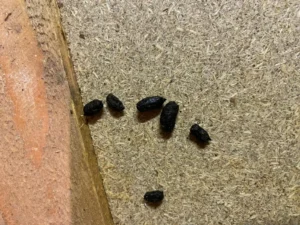
Fresh droppings stop appearing. During their active hours, rats constantly leave droppings wherever they travel. Once they’re asleep in their nests, they’re not leaving new droppings around your home. If you clean up droppings in the morning, you shouldn’t see new ones appear until the evening.
The temperature in areas where rats have been active might change slightly. Rats give off body heat, and when they’re moving around in confined spaces like attics or walls, it can actually warm those areas up a tiny bit. When they stop being active, these areas cool back down.
What Time Rats Stop in Different Locations
While sunrise is the main factor, rats living in different locations might have slightly different patterns for when they stop being active.
Rats in attics tend to follow the sunrise pattern very closely. Attics get light as soon as the sun comes up, and this triggers rats to settle down quickly. You’ll usually hear activity stop within 30 minutes of sunrise in attic spaces.
Rats in basements or wall voids might stay active slightly longer because these areas stay darker even after sunrise. Without direct sunlight, rats might not get the strong signal to sleep right away. They might continue being active for an extra 30 minutes to an hour past sunrise.

Outdoor rats in burrows or under sheds follow the sunrise pattern closely too, but they’re also influenced by outdoor activity. If people or animals start moving around outside at dawn, this can make rats retreat to their burrows earlier than they might otherwise.
Rats in commercial buildings or warehouses where there’s no natural light can sometimes have confused schedules. However, they usually still follow a roughly 24-hour cycle based on when human activity starts and stops in the building.
Conclusion
Rats stop being active around sunrise, typically between 5 AM and 7 AM depending on the season and location. This pattern is driven by their natural nocturnal instincts and helps them avoid predators, uncomfortable temperatures, and human activity.
Understanding when rats stop being active helps you deal with them more effectively. You can plan your pest control work for the middle of the day when they’re sleeping, set fresh traps in the evening before they wake up, and monitor your progress by listening for activity during the early morning hours.
If you’re seeing or hearing rats during the day when they should be sleeping, it’s usually a sign of a serious infestation that needs immediate attention.
Normal, healthy rats with access to adequate food will almost always stop being active by sunrise and stay inactive until late afternoon or evening.
Pay attention to the patterns you’re noticing, use this information to your advantage, and don’t hesitate to call in professional help if the problem seems overwhelming. The sooner you address a rat issue, the easier it’ll be to get rid of them for good.

Hi, my name is Ezra Mushala, i have been interested animals all my life. I am the main author and editor here at snakeinformer.com.