
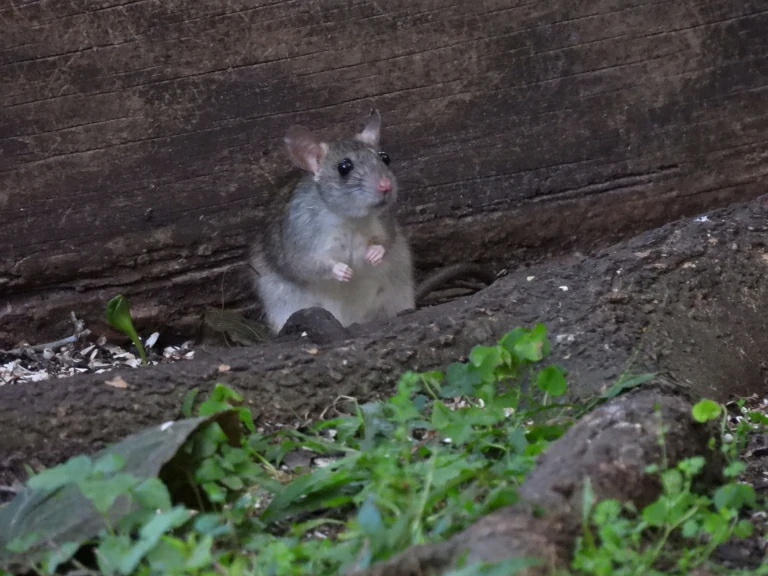
Rats are nocturnal creatures, which means they flip the typical sleep schedule upside down compared to humans.
While we’re awake and going about our day, rats are tucked away sleeping in their nests or hiding spots. But what time do rats sleep during the day?
Rats typically start sleeping around sunrise (6 AM to 7 AM) and continue sleeping through most of the day until sunset (5 PM to 7 PM). They sleep for about 12 to 15 hours during this daytime period.
However, rats don’t sleep continuously for the entire day. They take multiple naps, waking up briefly between sleep sessions to groom, stretch, eat a quick snack, or check their surroundings.
When Rats Start Their Daytime Sleep
Rats begin settling down for sleep right around sunrise, though the exact time varies by season.
In summer months when the sun rises early (around 5 AM to 6 AM), rats start heading to their sleeping spots around this time. In winter when sunrise is later (around 7 AM to 8 AM), rats adjust their schedule and start sleeping later too.

Wild rats are very attuned to natural light changes. As soon as it starts getting light outside, they wrap up their nighttime activities and head back to their burrows or nests to sleep.
Pet rats follow a similar pattern, even if they live indoors without direct access to natural sunlight. Their internal clocks are set to respond to light levels, so they’ll naturally want to sleep when it’s light and wake when it’s dark.
Before going to sleep, rats usually spend 15 to 30 minutes grooming themselves and settling into their sleeping spots. They might rearrange bedding, cuddle up with cage mates, or have one last snack before sleeping.
The Peak Sleeping Hours for Rats
Rats sleep most deeply during the middle of the day, roughly between 10 AM and 4 PM.
This is when rats are least active and least likely to wake up from noises or disturbances. If you’re trying to avoid rats or need to work in an area where they live, midday is the best time to do it.
During these peak sleeping hours, wild rats are hidden away in their burrows or nests. Pet rats are usually curled up in their hammocks, igloos, or other favorite sleeping spots in their cage.

The early morning hours (right after sunrise) and late afternoon (approaching sunset) are when rats sleep more lightly. They’re starting to transition into or out of their sleep period, so they wake up more easily during these times.
You’ll often see pet rats stirring around 4 PM to 5 PM, even though they won’t be fully awake and active until closer to 6 PM or 7 PM. They might peek out of their sleeping spot, grab a quick drink of water, or shift positions before going back to sleep.
How Long Each Sleep Session Lasts
Rats don’t sleep for 12 hours straight; instead, they cycle through multiple sleep sessions during the day.
A typical sleep cycle for a rat lasts about 2 to 3 hours. After sleeping for this amount of time, the rat will wake up briefly (usually for just 5 to 15 minutes) before going back to sleep again.
During these brief wake periods, rats might groom themselves, stretch their legs, eat a small amount of food, drink some water, or just look around to make sure everything is safe. Then they settle back down for another sleep cycle.

Wild rats tend to wake up more frequently than pet rats because they need to stay alert for predators. A wild rat might only sleep for 1 to 2 hours at a time before checking their surroundings.
Pet rats feel safer and can sleep more soundly. They might sleep for 3 to 4 hours without waking, especially during the middle of the day when the house is quiet.
Why Rats Sleep During the Day Instead of at Night
Rats evolved to be nocturnal because it gives them a survival advantage in the wild.
Sleeping during the day keeps rats safe from predators. Many animals that hunt rats (like hawks, eagles, and some snakes) are active during the daytime. By sleeping during the day and being active at night, rats avoid these predators.
The cover of darkness also helps rats move around without being seen. They can search for food, explore new territories, and interact with other rats more safely when it’s dark outside.
This nocturnal pattern is hardwired into rat biology. Even pet rats that have been bred in captivity for generations still follow this schedule because it’s part of their genetic makeup.
Rats’ eyes are specially adapted for seeing in low light. They have more rod cells (which help with night vision) than cone cells (which help with color vision and seeing in bright light). This makes them much better at seeing in the dark than humans are.
What Rats Do When They Wake Up During the Day
When rats wake up briefly during their daytime sleep period, they usually don’t do much before going back to sleep.
Grooming is one of the most common activities. Rats are very clean animals and spend a lot of time grooming themselves and each other. A brief wake period might be used for a quick grooming session.

Eating and drinking are also common. Rats might wake up feeling a bit hungry or thirsty, so they’ll have a small snack and some water before returning to their sleeping spot.
Pet rats might also rearrange their bedding or sleeping area. They like their sleeping spots to be just right, so they’ll fluff up bedding or shift positions to get more comfortable.
Social grooming happens too, especially in multi-rat households. Rats living together will groom each other, which strengthens their social bonds. You might see your pet rats wake up, groom each other for a few minutes, then go back to sleep cuddled together.
Wild rats use these brief wake periods to check for danger. They’ll listen for unusual sounds, smell the air for predators, and make sure their burrow entrance hasn’t been disturbed before going back to sleep.
How Seasons Affect When Rats Sleep
The changing seasons shift when rats start and end their daytime sleep because sunrise and sunset times change.
In summer, the sun rises very early (sometimes as early as 5 AM) and sets late (around 8 PM or 9 PM). Rats adjust to this longer day by sleeping earlier in the morning and waking up later in the evening.

In winter, sunrise happens much later (around 7 AM or 8 AM) and sunset is earlier (around 5 PM or 6 PM). Rats sleep later into the morning and wake up earlier in the evening to match these shorter days.
This adaptation helps wild rats make the most of the darkness. Since there are more hours of darkness in winter, rats have more time to be active. In summer with shorter nights, they compress their active time into the available dark hours.
Pet rats living indoors still follow these seasonal patterns to some extent, even if they’re not directly exposed to natural light. Their internal clocks are sensitive enough to pick up on subtle light changes throughout the year.
Where Rats Sleep During the Day
Rats are very particular about their sleeping locations and need safe, comfortable spots to rest.
Wild rats sleep in burrows underground, which they dig themselves or take over from other animals. These burrows can be quite complex with multiple chambers, including dedicated sleeping areas lined with soft materials.
Some wild rats sleep in above-ground nests made from leaves, grass, and other materials. These nests are usually hidden in thick vegetation, inside hollow trees, in abandoned buildings, or in other sheltered spots.

Pet rats need enclosed sleeping spaces too. They like hammocks, igloos, hideaway boxes, tunnels, or any other enclosed area where they feel protected. They’ll often fill these spaces with extra bedding material to make them cozy.
The sleeping area needs to be dark, quiet, and away from drafts or temperature extremes. Rats prefer temperatures between 65°F and 75°F (18°C to 24°C) for sleeping.
Social rats (which is most of them) prefer to sleep together in groups. You’ll often find pet rats piled on top of each other in one sleeping spot, even if there are multiple sleeping areas available in the cage.
Can You Wake a Sleeping Rat?
You can wake a rat up during the day, but you shouldn’t do it unless necessary.
Rats need their daytime sleep to stay healthy. Constantly waking them up during their sleep hours is stressful and can lead to health problems like weakened immune systems, behavior issues, and shorter lifespans.
If you absolutely need to wake your rat (like for a vet appointment or to move them out of danger), approach slowly and make gentle noises first. Suddenly grabbing a sleeping rat can startle them badly and might cause them to bite out of fear.
Some rats sleep more deeply than others. Young rats and rats that feel very safe tend to sleep so deeply that they don’t wake up easily. Older rats or nervous rats sleep more lightly and wake up at the slightest sound.
The best practice is to let sleeping rats sleep. Schedule any necessary handling or playtime for evening hours (after 6 PM) when rats are naturally waking up on their own.
How Light Affects Rat Daytime Sleep
Light is the main signal that tells rats when to sleep and when to be active.
Rats’ brains have a tiny area called the suprachiasmatic nucleus, which acts like an internal clock. This clock responds to light and darkness, releasing hormones that make rats feel sleepy when it’s light and alert when it’s dark.
When light hits a rat’s eyes, it signals their brain to produce less melatonin (the sleep hormone). When it’s dark, melatonin production increases, making the rat feel tired and ready to sleep.
Pet rats need exposure to natural light cycles to maintain healthy sleep schedules. If you keep your rats in a room that’s always bright or always dark, it can mess up their internal clock and cause sleep problems.
The ideal setup is to keep pet rats in a room with natural light during the day (not necessarily direct sunlight, but daylight coming through windows). At night, you can have normal lighting while you’re awake, and turn off lights when you go to bed.
Blackout curtains aren’t necessary, but some rat owners use them to keep their rat’s room dimmer during the day. This can help rats sleep more soundly, especially if the room gets very bright.
What Happens If Rats Don’t Sleep During the Day
Rats that can’t sleep during the day become sleep-deprived, which causes serious problems.
Sleep-deprived rats become irritable and aggressive. They might bite more easily, fight with their cage mates, or show other behavior problems. This happens because lack of sleep affects brain chemistry and mood regulation.
Their immune systems weaken without proper sleep. Rats need sleep to produce enough white blood cells and antibodies to fight off infections. Sleep-deprived rats get sick more easily.
Cognitive function suffers too. Rats that don’t get enough sleep have trouble learning, remembering things, and solving problems. They become less clever and more prone to making mistakes.
Long-term sleep deprivation can actually kill rats. Studies have shown that rats forced to stay awake continuously will eventually die from the strain on their bodies.
This is why it’s so important to provide pet rats with a quiet, comfortable place to sleep during the day and to avoid disturbing them during their rest hours.
How Old Age Changes Rat Daytime Sleep
Senior rats have different sleep patterns than young adult rats.
Older rats (over 2 years old) tend to sleep more during the day. They might sleep 14 to 16 hours instead of the typical 12 to 15 hours. This happens because they have less energy and tire out more easily.

Senior rats also sleep more deeply. They don’t wake up as easily from noises or disturbances. While this might seem nice for the rat, it can actually be a problem if there’s danger nearby that they should respond to.
The quality of sleep changes too. Older rats spend less time in REM sleep (the dreaming stage) and more time in lighter sleep stages. This means they might need more total sleep time to feel properly rested.
Senior rats also become less consistent with their sleep schedule. They might wake up at odd times during the day or be less active at night than they were when they were younger.
Do Wild and Pet Rats Sleep at the Same Times?
Both wild and pet rats sleep during the day, but there are some differences in their exact patterns.
Wild rats strictly follow the natural light cycle. They start sleeping right at sunrise and wake up right at sunset because their survival depends on being active during the safest hours (nighttime).
Pet rats are slightly more flexible. While they still prefer to sleep during the day, they might adjust their schedule by an hour or two to match their owner’s routine. A pet rat might wake up at 6 PM instead of 7 PM if their owner regularly comes home and interacts with them at that time.
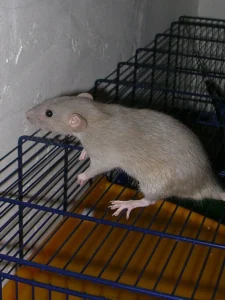
Pet rats also sleep more soundly than wild rats. Wild rats always need to stay partially alert for predators, even while sleeping. Pet rats in safe homes can relax completely and get better quality sleep.
However, the core pattern is the same: both wild and pet rats do the vast majority of their sleeping during daylight hours and are most active at night.
Signs Your Rat Is Sleeping vs. Resting
Sometimes it’s hard to tell if your pet rat is actually asleep or just resting with their eyes closed.
Sleeping rats are completely still except for slow, steady breathing. If they’re in deep sleep, they might be lying on their side or back in positions that look very relaxed and vulnerable.
During REM sleep (dreaming), you might see small twitches in their whiskers, paws, or tail. Their eyes might move rapidly under their eyelids. These are normal signs of dreaming.
Resting rats look different. They sit in more alert positions with their paws tucked under their body. They might have their eyes closed or half-closed, but they’ll react quickly to sounds or movements.
You can test this: make a small, gentle noise near your rat. A resting rat will open their eyes immediately or turn their head toward the sound. A sleeping rat might not react at all or will take several seconds to wake up.
Conclusion
Rats sleep during the day, typically starting around sunrise (6 AM to 7 AM) and continuing until sunset (5 PM to 7 PM).
They sleep for about 12 to 15 hours during this period, but not all in one stretch. Rats take multiple naps throughout the day, waking briefly between sleep sessions before going back to sleep.
If you have pet rats, respect their daytime sleep schedule by keeping their environment relatively quiet and dim during these hours. Understanding when rats sleep helps you provide better care and avoid disturbing them during their most important rest time.

Hi, my name is Ezra Mushala, i have been interested animals all my life. I am the main author and editor here at snakeinformer.com.