

Most people know that rats are nocturnal creatures that prefer to stay hidden during daylight hours.
However, if you’ve spotted a rat scurrying around your property in broad daylight, you’re probably wondering if this is normal behavior and what it might mean for your situation. What time do rats come out during the day, and should you be worried if you see one?
Rats don’t typically come out during the day at all. They’re nocturnal animals that sleep during daylight hours and only become active at night. If you see rats during the day, especially between 10 AM and 4 PM, it usually indicates a serious infestation, illness, poisoning, or major nest disturbance.
Seeing a rat during the day isn’t normal rat behavior, and it’s almost always a red flag that something is wrong.
Healthy rats with adequate food sources and safe nesting areas will stay hidden during daylight hours and only come out after sunset when they feel safer from predators and human activity.
Why Rats Normally Don’t Come Out During the Day
Rats have very strong biological reasons for staying hidden during daylight hours. These behaviors have kept them alive as a species for thousands of years.
Their main predators hunt during the day. Hawks, cats, dogs, foxes, and even some snake species are active when there’s light to see by. Rats know instinctively that being out in the open during daylight makes them easy targets for these predators.

Rats can’t see well in bright light. Their eyes are designed for low-light conditions, and bright sunlight can actually be uncomfortable or even painful for them. They navigate much better in dim lighting, which is another reason they prefer nighttime activity.
Human activity peaks during the day, and rats are extremely cautious around people.
They’ve learned that daytime is when humans are most active, moving around, making noise, and potentially threatening their survival. Staying hidden during these hours is just smart behavior for them.
Temperature is also a factor, especially during summer. Rats are covered in fur and can overheat easily in hot weather. The coolness of night is much more comfortable for them, and sleeping during the hottest part of the day helps them conserve energy.
What It Means If You See Rats During the Day
If you’re seeing rats during daylight hours, it’s telling you something important about your rat problem. This behavior is abnormal and usually points to a serious issue.
A severe infestation is the most common reason you’ll see daytime rat activity. When there are too many rats in one area, they have to compete for food and nesting space.
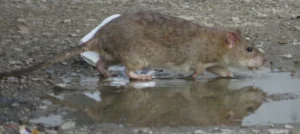
The weaker, younger, or less dominant rats get pushed out of the prime nighttime feeding spots and have to search for food during less desirable times, including during the day.
Food shortage can force rats out during daylight. If the rat population has grown so large that there isn’t enough food available during nighttime hours, some rats have no choice but to come out during the day to find something to eat.
This is a sign that the infestation has reached a critical point.
Nest disturbance is another reason you might see daytime activity. If something has damaged or disturbed their nesting area (like construction work, flooding, or a predator getting into their nest), rats will be forced out into the open even during daylight
. They’ll be looking for a new, safe place to hide.
Poisoning can cause rats to behave strangely and come out during the day. Rats that have eaten poison often become disoriented, dehydrated, and desperate for water.
This desperation can override their normal caution, and you might see poisoned rats stumbling around during daylight hours.
Early Morning Sightings (5 AM to 8 AM)
If you’re seeing rats in the early morning hours right around sunrise, this is slightly different from seeing them in the middle of the day. It’s still not ideal, but it’s not quite as alarming.
Rats are normally finishing up their nightly activities around sunrise. If you’re up very early and you spot a rat between 5 AM and 7 AM, it might just be a straggler heading back to its nest. This is especially common if the rat is moving quickly and purposefully toward a hiding spot.

However, if you’re regularly seeing multiple rats during these early morning hours, it still suggests you have a significant infestation. Healthy rat populations with adequate resources should be safely hidden in their nests by the time humans start waking up and moving around.
Young rats are more likely to be seen during early morning hours. They’re less experienced and might not have learned to time their return to the nest as precisely as older rats.
If you’re seeing small rats during this time, you’re probably dealing with a breeding population, which means the problem will get worse quickly.
Weather can also push early morning sightings slightly later. On very cold mornings, rats might stay active a bit longer to find extra food before they hunker down for the day.
But even then, they should be hidden by the time the sun is fully up and people are actively moving around.
Midday Sightings (9 AM to 5 PM)
Seeing rats during the middle of the day is the biggest red flag. This is when rats should be deep asleep in their nests, and any sighting during these hours means something is seriously wrong.
If you’re seeing rats between 9 AM and 5 PM, you almost certainly have a severe infestation. The rat population has likely grown so large that the normal nighttime hours can’t accommodate all of them, and weaker rats are being forced to find food whenever they can.

Sick or dying rats might also appear during midday hours. Rats that are ill often become disoriented and lose their natural fear of daylight and humans. If you see a rat moving slowly, stumbling, or appearing confused during the day, it’s probably sick.
Extreme thirst can drive rats out during the day too. This is especially common with rats that have eaten poison. The poison makes them incredibly thirsty, and they’ll desperately search for water even if it means exposing themselves during dangerous daylight hours.
Pregnant females might break their normal pattern if they’re desperate for food and nesting materials. Pregnancy and nursing require a huge amount of energy, and if a female rat can’t get what she needs at night, she might risk daytime foraging.
Late Afternoon Sightings (4 PM to 7 PM)
Late afternoon is when rats naturally start waking up and preparing for their nightly activities. Seeing rats during this time isn’t quite as alarming as midday sightings, but it still deserves attention.
Rats typically start stirring around 4 PM or 5 PM, depending on the season and when sunset occurs. If you’re seeing rats during this time, they might be waking up early or starting their activities before it’s fully dark outside.

In areas with lots of human activity or bright lighting, some rats adapt by coming out slightly earlier than sunset. They’ve learned that this particular time might be safer than full nighttime hours when predators are most active. This isn’t ideal behavior, but it’s not as concerning as midday activity.
If you’re consistently seeing rats at 5 PM or 6 PM, it suggests they’re becoming too comfortable around humans. This often happens when rats have been in an area for a long time without any control efforts. They lose some of their natural caution and start taking more risks.
Young, inexperienced rats are also more likely to come out during late afternoon. They haven’t fully learned the safest times to be active yet, and they might start exploring before it’s truly safe to do so.
Seasonal Differences in Daytime Activity
The season and local climate can influence whether you’re more likely to see rats during daylight hours. Different times of year create different pressures on rat populations.
Winter can sometimes push rats to be more active during late afternoon or even daytime hours. When food is scarce and temperatures are freezing, rats need more calories just to survive.

If they can’t find enough food during nighttime hours, they might risk daytime foraging just to avoid starving.
Summer typically sees less daytime activity because rats are very uncomfortable in the heat. They’ll stay hidden in cool, dark places during the day and only come out after sunset when temperatures drop.
If you’re seeing rats during a hot summer day, it’s a sign of severe overcrowding or desperation.
Spring and fall breeding seasons can lead to more daytime sightings. When rat populations are growing quickly and females are nursing babies, the increased food demands can push some rats to forage during off-hours.
You might see more daytime activity during these peak breeding times.
In areas with very short winter days (far north or south), rats might adjust their patterns slightly because there are so few dark hours available. However, they’ll still strongly prefer twilight and nighttime hours over full daylight.
Urban vs. Rural Daytime Behavior
Where rats are living can affect whether you’re likely to see them during the day. Urban and rural rats face different challenges and might adapt their behavior differently.
Urban rats often become more tolerant of human presence over time. In cities with large rat populations, some rats learn that certain times and places are relatively safe even during daylight.
You might see rats in alleys, subway stations, or parks during the day in major cities where they’ve adapted to constant human activity.

However, even urban rats still prefer nighttime activity. Daytime sightings in cities still usually indicate large populations, and the rats you’re seeing during the day are likely the ones that lost the competition for better nighttime feeding spots.
Rural rats tend to be more cautious and are less likely to be seen during the day. They have more predators to worry about (hawks, owls, foxes, snakes) and haven’t adapted to human presence as much. I
f you’re seeing rats during the day in a rural area, it’s almost always a sign of a serious problem.
Rats living in farm buildings or grain storage areas might be seen during the day more often than house-dwelling rats. These locations provide so much food and shelter that rats can become very comfortable and less cautious. Still, most farm rats prefer nighttime activity.
What to Do If You See Rats During the Day
If you’re seeing rats during daylight hours, you need to take immediate action. This behavior indicates a problem that will only get worse if you ignore it.
First, try to figure out where the rats are coming from and where they’re going. Watch their movement patterns without disturbing them.
Are they coming from under a shed, from inside your walls, or from somewhere else? Knowing their routes helps you address the problem effectively.

Look for signs of a large infestation. Check for droppings, gnaw marks, grease stains along walls, and nesting materials. If you’re seeing rats during the day, you probably have many more that you aren’t seeing at night.
Don’t assume the problem is small just because you only saw one rat. If you see one rat during the day, there are likely dozens more that are successfully hiding. Rats are very good at staying hidden, and the one you saw was probably forced out by overcrowding or desperation.
Consider calling a professional pest control company right away. Daytime rat activity usually indicates an infestation that’s too large or too established for DIY control methods. Professionals have the tools and experience to assess the full extent of the problem and eliminate it.
Don’t use poison if you’re seeing rats during the day. Poison can make the situation worse by causing rats to behave erratically and come out at even stranger times. It also doesn’t address the root cause of why you have rats in the first place.
How Daytime Activity Relates to Population Size
The frequency and timing of daytime rat sightings can actually tell you a lot about how many rats you’re dealing with.
Occasional early morning sightings (one rat every week or two right around sunrise) might indicate a small to medium infestation. You probably have a breeding pair or small family group that’s mostly staying hidden during proper daytime hours.

Regular sightings at various times of day suggest a large population. If you’re seeing rats at 7 AM, noon, and 4 PM, you’re dealing with significant overcrowding. There are so many rats that they can’t all find food during the preferred nighttime hours.
Seeing multiple rats at once during the day is a very bad sign. If you spot two, three, or more rats out during daylight hours at the same time, you have a severe infestation. The total population is probably much larger than what you’re seeing.
Seeing rats during the hottest or brightest parts of the day (noon to 3 PM) indicates extreme overcrowding or desperation. Healthy rats will avoid these hours at almost any cost, so sightings during this window mean something is seriously wrong.
Health Risks of Daytime Rat Activity
Rats that are active during the day pose specific health risks that go beyond the normal concerns about rats in general.
Sick rats are more likely to be out during the day, and sick rats are more likely to be carrying diseases that can spread to humans. A rat that’s behaving abnormally might be infected with something that’s affecting its brain and behavior.
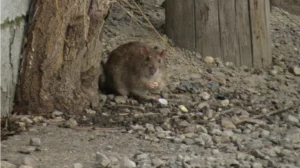
Desperate rats are also more likely to bite. Rats that are starving or have been poisoned can become aggressive and less fearful of humans. If you encounter a rat during the day and it doesn’t immediately run away, it might be desperate enough to defend itself if cornered.
The increased visibility of rats during the day means more potential for direct contact. Your kids, pets, or family members are much more likely to encounter a rat during daytime hours when everyone is active and outside.
Daytime rat activity in kitchens, pantries, or food storage areas is especially concerning. Rats moving around during the day means they’re contaminating food preparation areas when people are likely to be using those spaces soon after.
Prevention and Long-Term Solutions
Seeing rats during the day should prompt you to take serious prevention measures, not just deal with the immediate problem.
Eliminate food sources completely. If rats are desperate enough to come out during the day, it means they’re finding food somewhere. Secure all garbage, clean up spilled bird seed, don’t leave pet food out, and make sure your kitchen is spotless.

Seal all entry points to your home. Rats can squeeze through holes as small as a quarter. Check your foundation, roofline, vents, and anywhere utilities enter your home. Seal these gaps with steel wool and caulk or metal flashing.
Remove nesting materials and hiding spots. Clean up yard debris, trim bushes away from your house, get rid of clutter in basements and garages, and eliminate places where rats feel safe nesting.
Set up a monitoring system so you know if rats return. Even after you’ve eliminated the current infestation, keep checking for signs of new activity. It’s much easier to deal with one or two rats than to wait until you have another large population.
Conclusion
Rats don’t normally come out during the day at all. They’re nocturnal animals that sleep during daylight hours and only become active after sunset.
If you’re seeing rats during the day, especially during midday hours, it almost always indicates a severe infestation, illness, poisoning, or major disturbance to their normal habitat.
Early morning sightings right around sunrise are less concerning than midday sightings, but regular daytime activity at any hour suggests you have a problem that needs immediate attention.
The more rats you see during the day and the later in the day you see them, the more serious your infestation likely is.
Don’t ignore daytime rat sightings. This behavior is telling you that your rat problem has reached a critical point where rats are being forced to take risks they would normally never take.
Get professional help, eliminate food sources, seal entry points, and take the problem seriously before it gets even worse.

Hi, my name is Ezra Mushala, i have been interested animals all my life. I am the main author and editor here at snakeinformer.com.