
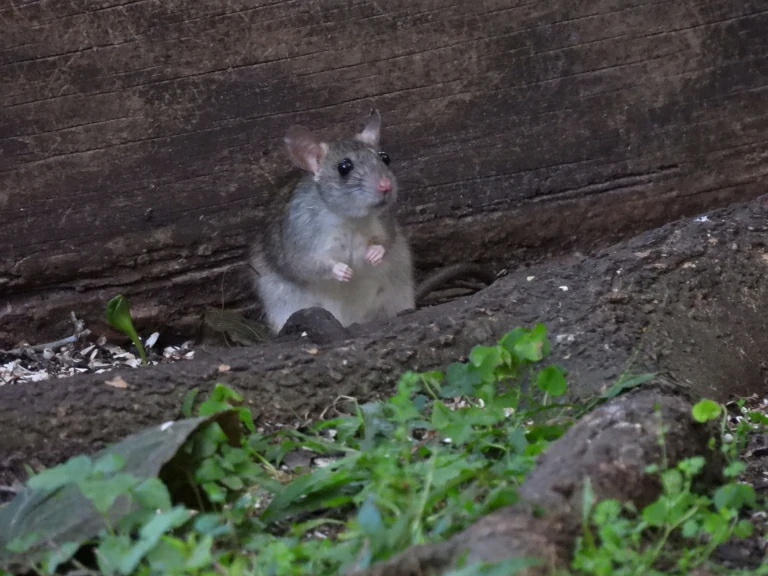
If you suspect you have rats in or around your home, you’ve probably noticed that certain times of night seem noisier than others.
Understanding when rats are most active can help you confirm whether you’re dealing with rats versus other pests, and it can help you plan your control efforts more effectively. But what time do rats come out at night?
Rats typically come out at night starting about 30 minutes after sunset, with peak activity occurring between 8 PM and midnight. They become active as soon as it’s dark enough to provide cover from predators, and they’ll stay active throughout most of the night until about an hour before sunrise.
Rats are nocturnal creatures, which means they sleep during the day and become active when the sun goes down. This pattern is hardwired into their biology and helps them avoid predators, extreme temperatures, and human activity.
Whether they’re living in your attic, walls, or yard, they’ll follow this same basic schedule.
Why Rats Wait for Darkness
Rats don’t just randomly prefer nighttime. There are really good survival reasons why they’ve evolved to be active in the dark.
Their main predators can’t hunt as effectively at night. Hawks, cats, owls, and other animals that prey on rats rely heavily on vision to catch their prey. When it’s dark, rats have a much better chance of avoiding these predators and staying alive.

Rats can see pretty well in low light conditions. Their eyes are adapted for dim environments, and they actually don’t see very well in bright light. Nighttime is when their vision works best, which helps them navigate and find food more effectively.
Human activity drops off dramatically after sunset. Rats are very cautious around people, and they’ve learned that nighttime is when humans are usually inside their homes and less active. This makes rats feel safer to come out and explore.
Temperatures are more comfortable at night, especially during summer. Rats are covered in fur and can overheat easily. The cooler nighttime air is much more comfortable for them as they search for food and water.
The First Wave: Sunset to 9 PM
The first hour or two after sunset is when rats wake up and start their nightly routine. This is one of the busiest times for rat activity.
About 30 minutes after the sun goes down, rats start leaving their nests. They’ve been sleeping all day, and they’re hungry and ready to search for food. If you have rats in your attic, this is when you’ll first start hearing movement overhead.
Between the time the sun sets and about 9 PM, rats are at their most active and energetic. They’re exploring, traveling along their usual routes, and actively searching for food sources. This is when you’ll hear the most scurrying, scratching, and running sounds.

During this early evening period, rats are also marking their territories and interacting with other rats. You might hear squeaking or fighting sounds if you have multiple rats. Males especially can be aggressive with each other during these first active hours.
This is the time when rats are most likely to explore new areas and take risks. They’re fresh from sleeping all day, and they’re motivated by hunger. If you have any new entry points into your home, rats are most likely to find and use them during this first wave of activity.
Peak Activity Hours: 9 PM to Midnight
The middle of the night is when rats are doing most of their serious foraging and feeding. This is their main “working hours” when they accomplish most of what they need to do.
Between 9 PM and midnight, rats are actively searching for food, water, and nesting materials. They’re traveling between their nests and food sources, often making multiple trips back and forth. If you’re awake during these hours, you’ll definitely hear them if they’re in your home.
This is when rats are most focused and purposeful in their movements. They’re not just exploring anymore, they’re on a mission to find resources. They’ll follow the same routes over and over, which is why you’ll often hear activity in the same spots night after night.
During these peak hours, rats are also storing food. They don’t eat everything they find right away. Instead, they carry food back to their nests to store it for later. You might hear dragging sounds or heavier footsteps as they transport larger items.
If you have multiple rats, they might split up during these hours to cover more ground. Some rats will stay near the nest guarding it and caring for young, while others go out to forage. This division of labor helps the group survive more efficiently.
Late Night Activity: Midnight to 3 AM
After midnight, rat activity typically starts to decrease, but they’re still moving around and working. This is when they’re finishing up their foraging and starting to think about heading back to their nests.
Between midnight and 3 AM, you’ll still hear activity, but it’s usually not as intense as the earlier hours. Rats might be making final trips to food sources or carrying last loads of materials back to their nests.

During this time, rats often do some grooming and social behaviors. If you have multiple rats, you might hear them interacting with each other, cleaning themselves, or just hanging out together before settling down for the day.
Some rats (especially younger ones) might still be actively exploring and feeding during these hours. Young rats tend to stay active longer than adults, and they’re also less efficient at finding food, so they need more time to get what they need.
If your rat problem is really bad, you might actually hear more activity during these late hours. When there are too many rats competing for resources, some of them get pushed to later feeding times when there’s less competition.
Pre-Dawn Hours: 3 AM to Sunrise
The hour or two before sunrise is when rats start wrapping up their nightly activities and heading back to their nests. This is the wind-down period of their active cycle.
Around 3 AM to 5 AM, rats are making their way back to their sleeping spots. They’re not usually searching for new food anymore, they’re just traveling back along familiar routes. The sounds you hear during this time are typically more direct and purposeful.

Rats seem to have an internal clock that tells them when sunrise is coming. About an hour before the sun comes up, most rats are already back in their nests or heading there. They don’t wait until the last minute because they know they need to be hidden before it’s light out.
During these pre-dawn hours, you might hear rats arranging their nesting materials, doing final grooming, or settling in for sleep. These sounds are usually quieter than the active foraging sounds from earlier in the night.
By the time the sun actually rises, most rats should be completely settled and quiet in their nests. If you’re still hearing significant activity after sunrise, it usually means you have a really serious infestation.
How Seasons Affect When Rats Come Out
The exact time rats come out at night changes throughout the year because sunset time changes. Rats adjust their schedules based on when it actually gets dark outside.
In summer, when the sun sets late (around 8 PM or later in some places), rats will start their activity later too. You might not hear them until 8:30 PM or 9 PM. However, they also tend to stay active later into the early morning because sunrise comes early in summer.

In winter, sunset happens much earlier (sometimes as early as 4:30 PM or 5 PM), and rats adjust accordingly. You might start hearing activity as early as 5 PM or 5:30 PM in winter months. But they’ll also finish up earlier because sunrise comes later in winter.
Temperature also affects their timing. On very hot summer nights, rats might wait a bit longer after sunset for temperatures to cool down before becoming fully active. On cold winter nights, they might come out right at sunset to maximize their foraging time before it gets too cold.
The moon phase can have a small effect too. Rats prefer darker nights when there’s less moonlight because it provides better cover. On very bright full moon nights, they might delay coming out by 30 minutes to an hour compared to darker new moon nights.
Indoor vs. Outdoor Timing
Rats living inside your home versus outside in your yard might have slightly different timing for when they become active.
Rats in attics, walls, or basements that are living entirely indoors often stick very closely to the sunset pattern. They can sense light changes even from inside, and they’ll start moving around within 30 minutes of sunset almost like clockwork.

Outdoor rats living in burrows, under sheds, or in woodpiles might wait a bit longer after sunset before coming out. They face more predator threats than indoor rats, so they’re extra cautious about making sure it’s truly dark before leaving their hiding spots.
Rats that travel between outdoor nests and indoor feeding spots (like coming into your house at night to eat but living outside) tend to time their indoor trips for the middle of the night when they feel safest. You might not hear them until 10 PM or later, even though they might have been active outside earlier.
In commercial buildings or warehouses where there’s no natural light, rats can sometimes develop unusual schedules based on when human activity stops rather than when the sun sets. But even these rats usually maintain roughly a 24-hour cycle.
Geographic Differences in Activity Times
Where you live geographically can affect exactly what time rats come out at night, mainly because sunset times vary so much by location.
In northern areas during summer, the sun might not set until 9 PM or even later. Rats in these areas will wait until that late hour to become active, which means you might not hear them until 9:30 PM or 10 PM.

In southern areas, sunset times don’t vary as much throughout the year. Rats in these locations have a more consistent schedule year-round, usually becoming active somewhere between 7 PM and 8 PM depending on the exact season.
In places very close to the equator, day length is pretty consistent all year, and rats will have a very predictable schedule that doesn’t shift much with seasons. They’ll come out at roughly the same time every night year-round.
At very high latitudes where there are extreme seasonal differences (like Alaska or northern Scandinavia), rats might have unusual patterns. During summer when there’s barely any darkness, rats might be somewhat active during what would normally be daytime hours because it never gets truly dark.
What Affects Individual Rat Timing
Not every rat in a population will become active at exactly the same time. Individual differences and circumstances can affect when specific rats come out.
Older, dominant rats usually come out first after sunset. They get first access to the best food sources and the safest times to forage. These rats have learned the patterns and know when it’s safest to be active.

Younger rats often come out a bit later or stay active later into the night. They’re less experienced and less efficient at finding food, so they need more time. They also sometimes get pushed to less ideal times by more dominant rats.
Pregnant or nursing females have unusual schedules. They need much more food and water than normal, so they might make multiple trips throughout the night. You might hear activity from these females even during the quieter late-night hours.
Sick or injured rats might come out at odd times. If a rat isn’t feeling well, it might not be able to compete during peak hours, or it might be desperate enough for food that it takes risks at unusual times.
Rats that have been disturbed (like if you’ve been working in the attic or making lots of noise) might adjust their timing. They might wait longer to make sure the coast is clear, or they might come out at odd hours because their normal routine has been disrupted.
Using Timing Knowledge for Control
Knowing when rats come out at night can help you deal with them more effectively. You can use this information to plan your pest control efforts strategically.
Set traps in the late afternoon before rats become active. Fresh traps with fresh bait are most effective, and setting them right before rats wake up means the scent is strongest when they first start exploring. Traps that have been sitting out all day might not be as attractive.

Do inspection work during the day when rats are asleep. If you need to go into your attic or other areas where rats might be living, the middle of the day is the safest time. Rats will be sleeping and less likely to be disturbed or to run deeper into your home.
Monitor your success by paying attention to sounds during peak hours. If you used to hear lots of activity between 8 PM and midnight but now it’s quiet, your control efforts are working. Reduced activity during peak hours is a good sign you’re making progress.
If you’re sealing entry points, do it during the day and make sure all rats are either inside (to be trapped) or outside (to be excluded). Never seal holes while rats are active at night because you might accidentally trap them in walls or other spaces where they can’t be reached.
Signs to Listen For at Night
When rats are active at night, they make specific sounds that can help you identify what they’re doing and where they are.
Scratching sounds usually mean rats are climbing or moving through tight spaces. You’ll hear this when they’re traveling through walls, inside cabinets, or climbing up into attics. The scratching comes from their claws on wood, drywall, or other surfaces.
Scurrying or running sounds indicate rats moving across open surfaces. This is the pitter-patter of their feet on attic floors, inside ductwork, or along baseboards. If you hear running sounds, it means rats are actively traveling between locations.

Gnawing sounds are very distinctive and sound like something chewing or grinding. Rats gnaw constantly to keep their teeth worn down, and they’ll chew on wood, wires, plastic, and almost anything else. This sound often comes in bursts of a few seconds at a time.
Squeaking or chattering indicates rats communicating with each other. You’ll hear this more if you have multiple rats. The sounds can range from quiet chirps to louder squeaks, depending on whether they’re fighting, mating, or just interacting.
Thumping or dragging sounds suggest rats are moving larger items. This might be food they’re transporting, nesting materials they’re gathering, or just rats jumping down from higher surfaces.
What Time Means for Confirming Rats vs. Other Pests
The timing of nighttime activity can actually help you figure out if you’re dealing with rats or some other pest.
Rats are active all night long, from sunset to sunrise, with peak activity in the middle of the night. If you’re hearing consistent activity throughout the entire night, it’s very likely rats.
Mice have a similar pattern to rats but they make quieter, lighter sounds. If the timing matches (sunset to sunrise) but the sounds are very light and small, you might have mice instead of rats.
Squirrels are diurnal (active during the day) and especially noisy in early morning and late afternoon. If you only hear activity during daylight hours, especially heavy thumping sounds, you’re probably dealing with squirrels, not rats.
Raccoons are nocturnal but they make much heavier sounds than rats. If you’re hearing very loud thumping, bumping, and crashing during the night, it’s more likely raccoons or opossums than rats.
Bats are active at dusk and dawn, with most activity right at sunset and just before sunrise. If you only hear activity during these twilight periods, you might have bats rather than rats.
Conclusion
Rats come out at night starting about 30 minutes after sunset, with peak activity occurring between 8 PM and midnight.
They stay active throughout most of the night and return to their nests about an hour before sunrise.
This pattern is consistent year-round, though the exact times shift based on when sunset actually occurs in different seasons.

Hi, my name is Ezra Mushala, i have been interested animals all my life. I am the main author and editor here at snakeinformer.com.