

If you’ve heard scratching noises in your walls or spotted signs of rats in your home, you’re probably wondering when these unwelcome visitors are most active.
Knowing when rats come into your house can help you catch them, set traps at the right times, or take preventive measures. But what time do rats come into the house?
Rats typically come into houses right after sunset (around 5 PM to 8 PM depending on the season) and remain active throughout the night until just before sunrise. They’re most likely to enter your home during their peak activity hours, which are early evening and just before dawn.
Rats are nocturnal, so they do almost all their exploring, foraging, and traveling during nighttime hours when it’s dark and they feel safer from predators.
Why Rats Enter Houses at Night
Rats wait until dark to enter houses because nighttime gives them several advantages.
Darkness provides cover from predators. Even though most rats living near human homes don’t have to worry about hawks or owls as much as wild rats in forests do, they’re still instinctively cautious and prefer moving around when it’s dark.

There’s also less human activity at night. Rats are afraid of humans and avoid contact whenever possible. At night when people are less active, rats feel safer venturing out from their hiding spots and exploring.
Rats can see much better in low light than humans can. Their eyes are specially built for nighttime vision, which gives them an advantage when moving around in dark areas of your home like attics, basements, or inside walls.
The quietness of night also helps rats. They can hear better without daytime background noises, which helps them detect danger and communicate with other rats using their high-pitched vocalizations that humans often can’t hear.
The First Entry Time: Right After Sunset
The period right after sunset is when rats are most likely to first enter your house if they’re coming from outside.
This time (usually between 5 PM and 8 PM depending on your location and the season) marks the beginning of rats’ active period. They’ve been sleeping all day and are now hungry, thirsty, and ready to search for food and water.
If your house has entry points like gaps under doors, holes in walls, openings around pipes, or damaged vents, rats will use these to get inside during this early evening period.
You might hear scratching sounds in your walls or attic right around sunset. This is often rats entering through exterior openings and moving through wall voids or crawl spaces to get to areas where they can find food.

Rats coming from outdoor burrows or nests will make their way to your house shortly after they wake up if they’ve learned that your home is a good source of food, water, or shelter.
Kitchen sounds and smells in the early evening (when many people are cooking dinner) can actually attract rats. They smell the food and follow the scent right to your home.
Peak Activity Hours Inside Your House
Once rats are inside your house, they’re most active during two main time periods.
The first peak is between 8 PM and midnight. During these hours, rats are at their most energetic. They’ll search for food, explore new areas, gnaw on things, and move around quite actively.
If you’re going to hear rats in your walls, ceiling, or attic, this is the most likely time. You might hear scratching, scurrying, squeaking, or gnawing sounds during these evening hours.
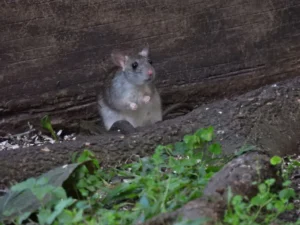
The second peak of activity happens in the early morning hours, typically between 3 AM and 6 AM. This is right before sunrise, and rats are trying to find one last meal and get as much done as possible before daylight comes.
The period between midnight and 3 AM is usually quieter. Rats are still awake and might be eating or grooming, but they’re less frantically active than during their peak hours.
How Seasons Change When Rats Enter Houses
The exact time rats come into your house changes throughout the year because sunset times change.
In summer months (June through August), sunset happens late (often around 8 PM or later in many areas). Rats adjust their schedule to match, so they won’t start entering houses until around 8 PM to 9 PM.
During these long summer days, rats have shorter active periods because there are fewer hours of darkness. However, they might be even more motivated to get inside your house because they can accomplish less outside.
In winter months (December through February), sunset happens much earlier (sometimes as early as 4:30 PM or 5 PM). Rats wake up earlier and might start entering houses around 5 PM to 6 PM.
Winter also brings cold temperatures, which makes rats more desperate to get inside warm buildings. You’re actually more likely to have rats enter your house in winter because they’re seeking shelter from the cold in addition to food and water.
Spring and fall are transition periods where entry times gradually shift to match changing daylight hours.
Why Rats Choose to Enter Your House
Rats don’t randomly wander into houses; they come inside because your home offers things they need.
Food is the biggest attraction. Rats can smell food from far away, and if you have accessible food sources (unsealed garbage, pet food left out, crumbs, open pantry items), rats will find their way inside to get it.

Water is another major draw, especially in dry climates or during droughts. Leaky pipes, dripping faucets, pet water bowls, or even condensation can attract thirsty rats.
Shelter is critical, especially in extreme weather. Your house provides protection from heat, cold, rain, and predators. Attics, basements, wall voids, and crawl spaces make perfect rat nesting sites.
Rats also follow each other. If one rat finds a way into your house and discovers it’s a good source of food and shelter, other rats will follow the same path. They leave scent trails that other rats can follow.
Common Entry Points Rats Use
Rats can squeeze through surprisingly small openings to get into your house.
Gaps under doors are one of the most common entry points. If there’s even a small gap (as little as 1/2 inch or 1.3 cm), a rat can squeeze through it.
Holes in exterior walls, especially where pipes or wires enter the house, are another favorite route. Rats will enlarge these openings by gnawing if needed.
Damaged or loose vents (especially dryer vents, crawl space vents, or attic vents) provide easy access to your home’s interior.
Gaps in the roof or damaged soffits allow rats to enter your attic. Once in the attic, they can move down into wall voids and eventually into living spaces.
Cracks in the foundation or gaps where the foundation meets the walls can let rats into basements or crawl spaces.
Rats are also excellent climbers. They can climb trees, vines, or bushes near your house and jump onto your roof, then find ways into attics through damaged areas.
How to Know What Time Rats Are Active in Your House
You can figure out when rats are most active in your specific house by paying attention to signs.
Listen for noises at different times of night. Keep a log of when you hear scratching, scurrying, or squeaking sounds. This will tell you when your rats are most active.

Set up motion-activated cameras in areas where you’ve seen signs of rats (droppings, gnaw marks, or grease marks along walls). Check the footage to see exactly what times rats are moving through those areas.
Flour or baby powder traps can help too. Sprinkle flour or powder on the floor near suspected entry points or in areas where you’ve seen rat signs. Check it at different times of night to see when fresh tracks appear.
Check traps at consistent times. If you’re setting snap traps or live traps, check them at the same times each night (like 10 PM, 2 AM, and 6 AM). You’ll start to notice which times are catching rats most often.
Most people find that their rats are most active between 8 PM and midnight, with another burst of activity between 4 AM and 6 AM.
Do Rats Leave the House or Stay Inside?
Whether rats leave your house or stay inside all the time depends on several factors.
Some rats commute, meaning they have a nest or burrow outside your house but come inside to find food and water. These rats will enter your house at night and leave before sunrise to return to their outdoor home.
Other rats live permanently inside your house. They’ve built nests in your attic, walls, or basement and don’t need to leave because everything they need is available inside.
Rats that have found secure nesting sites inside your house (like inside walls, in attics, or in storage areas) are more likely to stay put. Why risk going outside when food, water, and shelter are all available right where they are?
The presence of outdoor predators also matters. If there are cats, owls, or other predators outside, rats are more motivated to stay inside where it’s safer.
In urban areas where outdoor conditions are harsh and food is readily available inside buildings, rats often live entirely indoors without ever going outside.
How Weather Affects When Rats Enter Houses
Weather conditions can change when and how often rats try to enter your house.
During heavy rain, rats seek shelter and are more likely to try to get inside. You might notice increased rat activity during or right after storms.
Extreme heat during summer can also drive rats indoors. They look for cooler areas, and your air-conditioned house is very appealing. Rats might enter during early evening hours when outdoor temperatures are still high.

Cold snaps in winter make rats desperate for warm shelter. During very cold nights, rats will try harder to find ways into houses, and they might attempt entry at any time if they’re desperate enough.
Drought conditions make rats more motivated to find water sources. If outdoor water is scarce, rats will venture into houses looking for water from leaky pipes, pet bowls, or other sources.
Snow can actually reduce rat activity. Deep snow makes it harder for rats to move around outside, so they might stay in their shelters (whether inside or outside your house) more during heavy snow.
How to Prevent Rats from Entering Your House
Knowing when rats are most active helps you take effective preventive measures.
Seal all entry points before sunset. Walk around your house in the late afternoon and identify any gaps, holes, or openings larger than 1/4 inch (about the diameter of a pencil). Seal these with steel wool, caulk, or hardware cloth.
Remove food attractants before evening. Don’t leave pet food out overnight, seal all garbage in metal cans with tight lids, clean up crumbs and spills, and store pantry items in sealed containers.
Turn on bright lights in areas where rats might enter. Rats prefer darkness, so bright lights in your garage, basement, or other entry areas can deter them. Motion-activated lights work especially well.
Make noise in areas where you’ve seen rat activity. If you’re home in the evening, make some noise in your basement, attic, or garage periodically. Rats avoid areas with human activity.
Set traps during peak activity hours. Place snap traps or live traps in the late afternoon so they’re ready when rats become active at sunset. Check and reset them in the early morning before rats go to sleep.
What to Do If You Hear Rats at Night
If you’re hearing rats in your house at night, take action quickly because rat infestations get worse over time.
Try to pinpoint where the sounds are coming from. Are they in the walls, attic, basement, or ceiling? This helps you focus your efforts on the right areas.
Set traps in the areas where you hear activity. Place traps along walls (rats run along walls, not through open spaces) with the trigger end facing the wall.

Check the traps during peak activity hours. Don’t wait until morning; check them around 10 PM and again around 5 AM if possible. This allows you to catch multiple rats in one night.
Look for entry points near where you’re hearing sounds. If you hear scratching in a specific wall, check the exterior of your house near that wall for holes or gaps.
Consider calling a professional pest control company if the infestation seems large or if you’re not comfortable dealing with rats yourself. They have the expertise and tools to handle the problem effectively.
How Many Rats Might Be Entering Your House
It’s hard to tell exactly how many rats you’re dealing with based solely on sounds or signs.
If you’re seeing fresh droppings in multiple locations, hearing sounds in different areas of the house, or finding evidence of rats in several rooms, you likely have more than one or two rats.
A single rat produces 40 to 50 droppings per day. If you’re finding hundreds of droppings, you definitely have multiple rats.
Rats also breed very quickly. A female rat can have 5 to 10 babies per litter and can have several litters per year. If you have even two rats (one male and one female), you could have dozens of rats within a few months.
The sounds you hear can also give you clues. If you hear multiple rats running around at the same time, or if sounds seem to come from different areas of your house simultaneously, you have multiple rats.
Most people underestimate how many rats they have. If you’ve seen one rat, there are probably several more you haven’t seen yet.
Conclusion
Rats typically come into houses right after sunset (between 5 PM and 8 PM depending on the season) and remain active throughout the night until sunrise.
They’re most likely to enter during their peak activity periods, which are early evening (8 PM to midnight) and early morning (3 AM to 6 AM). These nocturnal creatures prefer the cover of darkness and reduced human activity.
Understanding when rats are active helps you take effective preventive measures, set traps at the right times, and respond quickly if you discover a rat problem in your home. The sooner you address the issue, the easier it is to get rid of rats before the infestation grows.

Hi, my name is Ezra Mushala, i have been interested animals all my life. I am the main author and editor here at snakeinformer.com.