
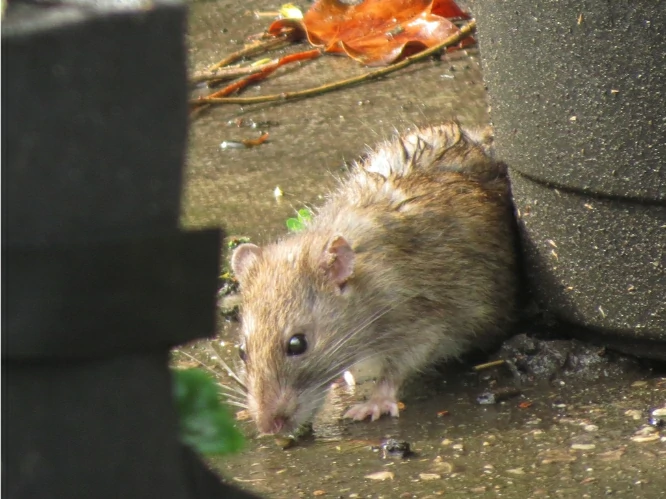
If you’re dealing with a rat problem, you might be hoping there’s a season when rats naturally go away or become less of an issue. Many people wonder if rats hibernate in winter or disappear during certain times of the year, giving property owners a break from rat problems.
Unfortunately, the reality of rat behavior isn’t quite that simple. Understanding when (and if) rats go away can help you set realistic expectations and plan your pest control efforts. So, what season do rats actually go away?
Rats don’t truly “go away” during any season. They’re active year-round and don’t hibernate. However, outdoor rat activity decreases significantly during winter (December to February) in cold climates, when they stay in their nests more and venture out less frequently. Indoor rats never go away and remain active throughout all seasons.
The bad news is that if you have rats, waiting for a season when they disappear isn’t a realistic strategy. The good news is that understanding their seasonal behavior changes can help you control them more effectively.
Why Rats Don’t Actually Go Away
Rats are incredibly adaptable survivors, and one key to their success is staying active year-round. Unlike some animals that hibernate or migrate, rats stick around all year long.
Rats don’t hibernate because they can’t store enough body fat to survive months without eating. They need to find food regularly throughout the year to stay alive.
Even in the coldest climates, rats remain active during winter. They might slow down and venture out less often, but they never fully shut down like hibernating animals do.
The concept of rats “going away” is really more about them being less visible or active during certain times. They’re still there, you just might not notice them as much.
Indoor rats especially never go away seasonally. They have perfect conditions year-round (warmth, food, water), so there’s no reason for them to change their behavior or leave.
Winter: When Outdoor Rats Are Least Active
If there’s any season when rats “go away” in the sense of being less noticeable, it’s winter. But even then, they don’t actually disappear.
During cold winter months, outdoor rats drastically reduce how often they leave their nests. They might only venture out to forage every few days instead of multiple times per day.
When they do come out in winter, rats make quick trips focused entirely on finding food and getting back to warmth. They don’t explore or travel as far as they would in warmer months.
The coldest parts of winter (January and February in most cold climates) typically see the lowest outdoor rat activity of the year. This is as close to “going away” as outdoor rats get.
However, rats that found warm indoor locations before winter won’t go anywhere. They’ll stay put in your walls, attic, or basement throughout the cold months.
Snow and freezing temperatures can reduce outdoor rat populations through deaths from cold exposure and starvation, which temporarily makes the rat problem seem to “go away.” But surviving rats will quickly rebuild populations in spring.
Do Rats Die Off in Winter?
While rats don’t go away in winter, some rats do die during harsh winters. This temporary population reduction can make it seem like rats disappeared.
Outdoor rats face serious challenges in winter. Food becomes very scarce, temperatures can be lethal, and finding water when everything’s frozen is difficult.
Weak, sick, very young, or very old rats are most likely to die during winter. Healthy adult rats in good shelter have better survival rates.
However, enough rats typically survive winter to rebuild the population quickly once spring arrives. A few breeding pairs can produce hundreds of offspring in a single season.
Indoor rats face no winter die-off because they’re protected from cold and have access to food and water. Their populations might actually grow during winter.
The temporary winter reduction in outdoor rat populations is why spring often seems to bring a sudden return of rats. They didn’t really go away, they just had lower numbers and were less visible.
Spring: When Rats Definitely Don’t Go Away
If you were hoping spring might be when rats go away, unfortunately it’s the opposite. Spring is when rat problems often seem to appear or get worse.
Warming temperatures in March and April activate rats. They become much more active, spending more time outside their nests and traveling farther to find food.
Spring breeding season means rats are everywhere. Males are searching for females, pregnant females are looking for nesting sites, and populations start growing rapidly.
Any rats that survived winter start breeding heavily to rebuild population numbers. What might have been a small winter population can explode into a serious problem by late spring.
Outdoor spaces that seemed rat-free in winter suddenly show clear signs of rat activity again as rats emerge from their winter hiding spots and start using the full area.
Summer: Peak Rat Activity
Summer is absolutely not when rats go away. In fact, it’s often when rat populations reach their highest numbers of the year.
With warm weather, abundant food, and ideal breeding conditions, summer sees rats thriving. Populations grow throughout late spring and summer as multiple litters are born.
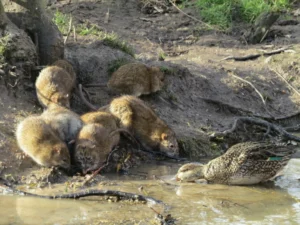
While rats are more strictly nocturnal in summer (avoiding hot daytime temperatures), they’re extremely active at night. You might not see them as much during the day, but they’re definitely around.
Gardens, outdoor dining areas, and increased human outdoor activity in summer bring rats into closer contact with people. Rat problems often become more noticeable in summer even if populations aren’t higher than other times.
By late summer (August), rat populations are typically at or near their annual peak. Multiple generations from spring and summer breeding are all active simultaneously.
Fall: When Rats Are Most Visible
Fall is definitely not when rats go away. Actually, it’s when you’re most likely to notice rats and when they actively try to move into your home.
September through November sees rats frantically preparing for winter. They’re searching for warm shelter and stocking up on food, which makes them highly active and visible.
This is peak season for rats trying to get into houses, garages, sheds, and any other structure that offers warmth. Rats that spent summer living outdoors start moving indoors.
Fall is also a heavy breeding season. Rats try to have one more litter before winter, which means even more rats are moving around looking for mates and nesting sites.
If anything, fall is when rat problems seem to appear out of nowhere. Rats didn’t suddenly arrive, they were around all summer, but now they’re coming out more and trying to move indoors.
Where Rats “Go” When They’re Less Visible
When rats seem to go away (like during winter), they haven’t actually left. They’ve just changed where they spend their time.
In cold weather, rats stay in their nests as much as possible. They huddle together with other rats to share body heat and conserve energy.
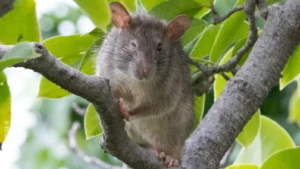
Their nests are in sheltered locations: underground burrows, inside wall voids, in attics, under decks and sheds, inside insulation, or in other protected spots.
Rats only leave their winter nests when they absolutely must find food. These trips are short and focused, which is why you see less evidence of rats even though they’re still there.
Once weather warms up, rats start spending more time outside their nests again. They don’t “come back,” they just become more active in the same areas they’ve been in all along.
Indoor Rats Never Go Away Seasonally
If you have rats inside your home or building, don’t expect any seasonal relief. Indoor rats have zero reason to go away at any time of year.
Temperature-controlled buildings provide perfect year-round conditions. Indoor rats never face the cold stress that might slow down outdoor rats.
Food availability inside buildings doesn’t change seasonally. Whether it’s January or July, your pantry still has food and your kitchen still produces crumbs and spills.
Indoor rat populations typically grow throughout the year without any seasonal slowdowns. A small problem in spring can become a major infestation by fall if not addressed.
You might even notice MORE indoor rat activity during winter, not because they moved in seasonally, but because rats that got in during fall are now breeding and their population is expanding.
Why Waiting for Rats to Go Away Doesn’t Work
Some people hope they can just wait out a rat problem and the rats will eventually go away on their own. This almost never happens.
Rats have extremely strong survival instincts and will fight to stay in any location that provides food, water, and shelter. They won’t voluntarily leave a good spot.

Even if some rats die off naturally (from predators, disease, or harsh weather), surviving rats will quickly breed to replace the losses. Rat populations recover very fast.
Hoping winter will kill off your rat problem might work temporarily for outdoor rats, but survivors will rebuild the population in spring. And indoor rats won’t be affected at all.
The only way to make rats “go away” is to actively remove them through trapping, exclusion, or professional pest control. They won’t leave on their own.
Geographic Differences: Where Rats Slow Down Most
The degree to which rats “go away” seasonally depends heavily on where you live. Climate makes a huge difference.
In harsh northern climates with severe winters, outdoor rat activity decreases significantly during the coldest months. This is the closest to rats “going away” that any region experiences.
In mild southern climates, rats never really slow down at all. They stay active year-round with minimal seasonal changes. Rats in Florida or Southern California essentially never “go away.”
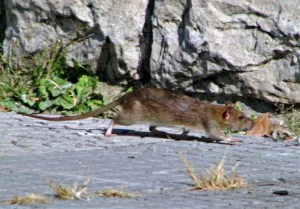
In moderate temperate climates, there’s a slight winter slowdown in outdoor rat activity, but it’s less dramatic than in very cold regions.
Urban areas in any climate show less seasonal variation in rat activity than rural areas because cities provide more stable resources year-round.
Desert regions might see rats slowing down during extreme summer heat rather than winter cold, but they still don’t truly go away.
How Rat Populations Recover After Winter
Even in regions where winter reduces rat populations, the recovery is alarmingly fast. Understanding this helps explain why waiting for rats to go away doesn’t work.
A single breeding pair that survives winter can produce 5 to 10 litters per year in ideal conditions. Each litter contains 6 to 12 babies on average.

Those babies reach sexual maturity in just 5 to 6 weeks, which means they’re having their own babies before their mother finishes raising the next litter.
By late spring, what was a small winter population can already be growing exponentially. By summer, it might be larger than it was before winter.
This rapid recovery means even if winter kills off 75% of your outdoor rat population, the remaining 25% can rebuild to full numbers within a few months.
Predators Don’t Make Rats Go Away Either
Some people hope that natural predators will make rats go away. While predators do help control rat numbers, they can’t eliminate rats entirely.
Owls, hawks, cats, snakes, and other predators eat rats, but rats breed so prolifically that predation can’t keep up. Rats simply reproduce faster than predators can eat them.
In urban and suburban areas, there often aren’t enough natural predators to make a significant dent in rat populations anyway.
Even rural areas with healthy predator populations still have rats. The predators help keep numbers in check but don’t make rats go away completely.
Relying on predators to solve a rat problem is not a realistic strategy. Predators help, but they can’t replace active pest control measures.
The Truth About Seasonal Rat Control
Since rats don’t go away seasonally, pest control needs to be a year-round effort. However, timing your efforts strategically can be more effective.
Early fall prevention (August-September) is crucial. Seal up entry points before rats start looking for winter shelter. This prevents fall invasions.
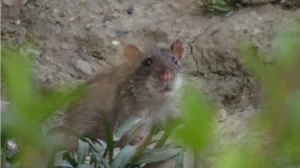
Spring control (March-May) is a good time for active removal because rats are very active and moving around, which makes them easier to catch in traps.
Summer maintenance keeps populations from building up to problematic levels. Don’t let small summer populations grow unchecked.
Winter might seem like a break for outdoor rats, but it’s the worst time to have indoor rats because they’re trapped inside with you and breeding.
Year-round vigilance is essential. Don’t assume any season will solve your rat problem naturally.
Signs Rats Haven’t Gone Away
Even when rats are less visible (like in winter), there are signs they’re still around. Knowing what to look for prevents you from assuming the problem solved itself.
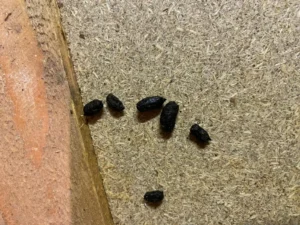
Fresh droppings indicate active rats. Rat droppings are dark and about the size of a rice grain. Fresh ones are soft and dark, while old ones are hard and gray.
New gnaw marks that appear lighter in color than surrounding wood or material show rats are currently active.
Sounds at night (scratching, scurrying, squeaking) mean rats are moving around, even if you never see them.
Grease marks on walls and baseboards appear where rats regularly travel. These trails stay visible even when rats are less active.
Damaged food packages in your pantry or stored areas show rats have been eating recently.
If you’re seeing any of these signs, rats haven’t gone away even if you’re not seeing the rats themselves.
What Actually Makes Rats Leave
Since rats don’t go away seasonally, what actually makes them leave? The answer is making your property unwelcoming.
Removing all food sources is the most important factor. Without food, rats can’t survive and will be forced to move elsewhere or die.
Eliminating water access also helps. Rats need water daily, and removing all water sources makes your property much less attractive.
Sealing entry points prevents new rats from moving in to replace ones that die or leave. Even if rats want to stay, they can’t get in.
Removing shelter and nesting sites makes your property unsuitable for rat habitation. Rats need safe places to hide and nest.
Active removal through trapping or professional pest control is often necessary. Rats won’t leave voluntarily if conditions are still good.
Sustained pressure over weeks or months is usually required. Rats don’t give up easily, especially if they’ve established a territory.
The Danger of Assuming Rats Went Away
One of the biggest mistakes people make is assuming a rat problem solved itself because they haven’t seen rats recently. This is usually wrong.
Not seeing rats for a few weeks doesn’t mean they’re gone. Rats are nocturnal and secretive, you can have dozens living in your walls without ever spotting one.
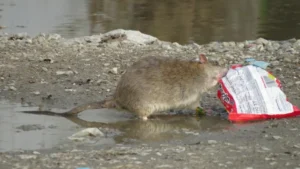
A temporary reduction in visible rat activity (like during winter) often leads people to think the problem resolved itself. Then spring arrives and suddenly rats are everywhere again.
Stopping control efforts too soon allows surviving rats to rebuild their population. You need to maintain efforts until you’re certain all rats are gone and can’t return.
Getting professional confirmation that rats are truly eliminated is worth the cost. Pest control professionals can assess whether a property is actually rat-free or if rats are just being less visible.
Long-Term Rat Prevention
Since rats never truly go away and are always present in the environment, long-term prevention is the real solution, not waiting for a season when they disappear.
Maintain sealed entry points year-round. Check regularly for new gaps or damage and repair immediately.
Practice good sanitation constantly. Keep food in sealed containers, clean up spills right away, secure garbage, and don’t leave pet food out.
Remove attractants from your property. Fallen fruit, bird seed, compost piles, and accessible garbage all attract rats.
Keep landscaping maintained. Trim vegetation away from structures, remove brush piles, and eliminate hiding spots.
Monitor for signs regularly. Catching a rat problem when it’s just starting is much easier than dealing with an established infestation.
Have a pest control relationship. Regular inspections by professionals can catch problems early and maintain prevention measures.
Conclusion
Rats don’t truly go away during any season. They’re active year-round and don’t hibernate or migrate. However, outdoor rat activity does decrease significantly during winter (December to February) in cold climates, when they stay in their nests more and venture out less frequently. This is the closest rats come to “going away,” but they’re still present and will become fully active again in spring.
Indoor rats never go away at all and remain active throughout all seasons because they have stable conditions year-round. Waiting for a season when rats naturally disappear is not a realistic pest control strategy.
The only reliable way to make rats go away is through active prevention and removal: sealing entry points, removing food sources, eliminating shelter, and using trapping or professional pest control. Don’t wait for rats to leave on their own, because they won’t. Take action as soon as you notice signs of rats, regardless of what season it is.

Hi, my name is Ezra Mushala, i have been interested animals all my life. I am the main author and editor here at snakeinformer.com.