
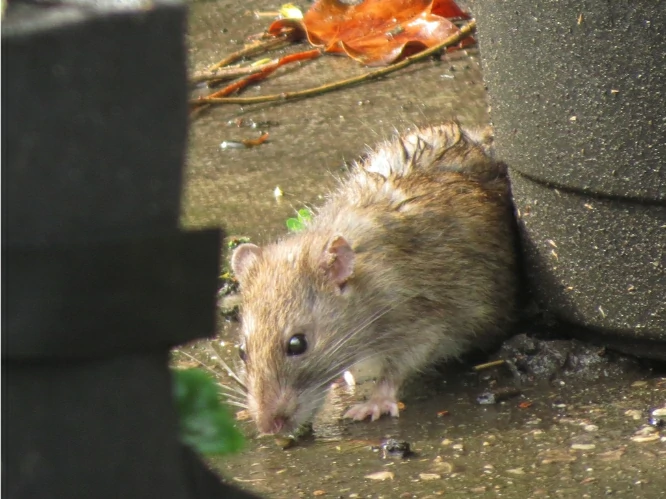
If you’ve noticed rats scurrying around your property or trying to get into your home, you might be wondering if there’s a specific time of year when rats are most likely to appear. Understanding when rats are most active and visible can help you prepare and protect your property.
Rats don’t exactly hibernate or disappear during certain seasons, but their activity and visibility definitely change throughout the year. So, what season do rats actually come out?
Rats come out most visibly during fall (September to November) when they’re actively searching for food and shelter before winter, and during spring (March to May) when warming temperatures increase their activity. However, rats are present year-round and indoor rats can emerge any time. The term “come out” really refers to when you’re most likely to see them or notice their activity.
Rats don’t go away during any season, they’re active throughout the entire year. What changes is how often they venture out of their nests and how visible they are to humans.
Understanding What “Coming Out” Means for Rats
When people ask when rats “come out,” they usually mean when rats are most visible or when rat problems seem to appear suddenly. But rats don’t really emerge from somewhere, they’re around all the time.
What actually changes with seasons is how much time rats spend outside their nests, how far they travel to find food, and how visible their activity is to humans.

During some seasons, rats stay closer to their nests and venture out less frequently. During other seasons, they’re constantly moving around, which makes them much more noticeable.
The seasons when you’re most likely to see rats or notice signs of them (droppings, gnaw marks, sounds) are when they’re “coming out” most actively.
Why Fall Is Peak “Rat Season”
Fall is when most people notice rat problems appearing or getting worse. This isn’t because rats are suddenly coming from somewhere, it’s because they’re much more active and visible.
As temperatures start dropping in September and October, rats know instinctively that winter is coming. They become frantic in their search for warm places to spend the winter and food to store.
This increased activity means more rats moving around during times when you might see them. They’re also more willing to take risks, like entering houses or crossing open areas in daylight.
Many rats that spent summer living outdoors start moving indoors in fall. This is when you’ll notice rats “appearing” in your home, garage, shed, or barn, even if you never saw them before.
The combination of more movement, more risks taken, and rats actively seeking to move indoors makes fall the season when rats are most visible and noticeable to humans.
Spring Activity Surge
Spring is the other major season when rats “come out” in high numbers. After a relatively quiet winter, warming temperatures wake up rat populations.

Rats that hunkered down for winter start emerging from their nests more frequently to find food. They’re hungry after winter and need to rebuild their energy.
Spring also brings breeding season, which dramatically increases rat movement. Males travel much farther than usual searching for females, and pregnant females are actively looking for perfect nesting spots.
You’ll also notice rats more in spring because many young rats born over the winter are now venturing out on their own for the first time. These young rats are less cautious than adults and more likely to be spotted.
Outdoor areas that were quiet in winter suddenly show signs of rat activity as rats that sheltered nearby start using the space again.
Summer Rat Visibility
Summer rat activity depends a lot on how hot your climate is. In moderate climates, summer sees fairly consistent rat activity and visibility.
Rats are mostly nocturnal, but in summer this becomes even more pronounced. During hot weather, rats do almost all their foraging at night when it’s cooler, which means you’re less likely to see them during the day.
However, you might notice more signs of rats in summer (droppings, gnaw marks, tracks) even if you don’t see the rats themselves because they’re very active in warm weather.
In extremely hot climates, rats might actually be less visible in peak summer. They’ll hunker down during the hottest parts of the day and only emerge during cooler hours.
Urban and suburban rats take advantage of summer outdoor dining, garbage from picnics and barbecues, and gardens, which brings them into closer contact with human spaces.
Winter Rat Activity
Winter is typically when outdoor rats are least visible. Cold weather makes them stay in their nests more and venture out less frequently.
However, this doesn’t mean rats aren’t around. They still need to find food, so they make shorter, less frequent foraging trips rather than staying out as long as they would in warmer weather.

Rats that found warm indoor locations in fall will stay there through winter. You might actually notice MORE rats inside your home during winter, not because they’re newly arriving, but because the ones that got in during fall are now breeding and their population is growing.
Snow can actually make rat activity more visible because their tracks and trails show up clearly in the snow. So even though rats are less active, you might notice their presence more easily.
Mild winter days can bring temporary increases in visible rat activity. If there’s a warm spell, rats will take advantage and venture out more than usual.
Daily Patterns of Rats Coming Out
Beyond seasonal patterns, rats have daily patterns that affect when you’ll see them. Understanding these helps you know when to watch for rats.
Rats are primarily nocturnal, meaning they’re most active at night. This is consistent year-round, though it can be more pronounced in summer.

The peak activity times are dusk (right after sunset) and dawn (right before sunrise). These twilight hours are when rats feel safest moving around.
During the night, rats might emerge from their nests multiple times to forage, socialize, and explore. They don’t stay out continuously but rather make several trips.
Daytime sightings are less common but do happen, especially with young rats, sick rats, or when rat populations are so high that they’re forced to forage during less optimal times.
In winter, rats might be more willing to come out during warmer daylight hours if nights are extremely cold. In summer, they’re almost exclusively nocturnal to avoid heat.
How Weather Affects When Rats Come Out
Day-to-day weather conditions have a big impact on rat activity beyond just seasonal patterns. Rats respond to weather changes quickly.
Mild, dry weather brings the most rat activity. Rats are comfortable and willing to spend more time outside their nests when conditions are pleasant.
Rain and storms make rats hunker down. They don’t like getting wet and will stay in their nests during heavy rain. However, they might emerge right after rain stops to take advantage of the fresh conditions.
Extreme cold keeps rats in their nests as much as possible. They’ll make quick foraging trips but won’t stay out long in freezing weather.
Extreme heat also reduces how much rats come out. They’ll wait for cooler evening and nighttime hours rather than emerging during scorching daytime temperatures.
Wind makes rats nervous. They rely on their sense of smell and hearing, and wind interferes with both. Very windy days see less rat activity.
Where Rats Come Out From
Understanding where rats emerge from helps you know where to look for problems and what areas to protect.
Outdoor rats come out from underground burrows, dense vegetation, woodpiles, under sheds or decks, and other sheltered outdoor areas. They venture out to forage in gardens, garbage areas, and around food sources.
Indoor rats emerge from wall voids, attics, basements, crawl spaces, and spaces behind appliances or cabinets. They come out into living spaces to search for food and water.
Urban rats often come out from sewer systems and storm drains. They use these underground networks to travel safely and emerge through manholes, grates, and damaged drain connections.
Rural rats might come out from barns, grain storage areas, or natural burrows in fields. They travel along fence lines, irrigation ditches, and edges of fields.
Rats always have a home base (their nest) that they return to. When you see a rat, it’s temporarily “out” from that home base but will return there to rest and sleep.
Why You Might Suddenly Notice Rats
Sometimes it seems like rats appear out of nowhere, suddenly showing up when you never saw them before. There are several reasons this happens.
Population growth means more rats competing for space and food. When populations get high enough, you start seeing rats in places where a smaller population stayed hidden.
Seasonal movement brings rats from outdoor spaces into indoor spaces, especially in fall. Rats that were living in your yard all summer might only become noticeable when they move into your house in October.

Construction or disturbance in nearby areas can drive rats into your neighborhood. If a building is demolished or land is cleared nearby, displaced rats might show up at your property.
Changes in food sources can bring rats out. If their usual food source disappears (like a restaurant closing or garbage practices changing), rats will search new areas and become visible.
Breeding success can lead to sudden rat population explosions. One pregnant female finding her way into your property in spring can lead to dozens of rats by fall.
How Rat Populations Build Up Over Seasons
Understanding how rat populations grow throughout the year helps explain why rats might seem to suddenly “come out” in large numbers.
Late winter typically has the smallest rat populations. Outdoor populations have been reduced by cold, predators, and food scarcity.
Spring brings rapid population growth as breeding kicks in. By late spring, the first litters of babies are being born.
Early summer sees continued growth as spring babies mature and start breeding themselves, plus new litters are born.
Peak summer often has the largest rat populations. Multiple generations are present, from newly born babies to adults, all breeding.
Fall maintains high populations as rats breed heavily before winter. This is when populations are near their maximum for the year.
Early winter starts reducing outdoor populations as cold and food scarcity take their toll. Indoor populations stay stable or grow.
This pattern explains why fall feels like rats are “coming out” everywhere. It’s not that they’re emerging from somewhere, it’s that population numbers have built up all year and are at their peak.
Signs That Rats Are Coming Out Near You
Knowing what signs to look for helps you recognize when rats are actively coming out in your area. Early detection is key.
Droppings are one of the most obvious signs. Rat droppings are dark, pellet-shaped, and about the size of a rice grain. Fresh droppings are soft and dark, while old ones are hard and gray.
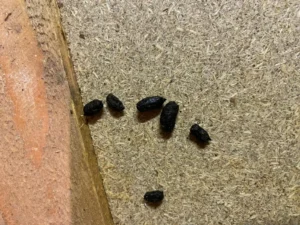
Tracks and runways show where rats are traveling. Outdoors, you might see small footprints in mud or dust. Indoors, you’ll see grease marks along walls where rats regularly pass.
Gnaw marks appear on wood, plastic, wires, and food packages. Fresh gnaw marks are lighter colored, while old marks darken over time.
Sounds at night are common. You might hear scratching, scurrying, squeaking, or gnawing sounds, especially in walls, attics, or ceilings.
Smells can indicate rat presence. A musky, ammonia-like smell often means rats are around. The smell gets stronger with larger populations.
Actual rat sightings are the most definitive sign. If you see one rat, there are likely many more you’re not seeing.
Geographic Differences in When Rats Come Out
Where you live dramatically affects when rats are most visible and active. Different climates create different patterns.
Northern states with harsh winters see the clearest seasonal patterns. Rats are most visible in spring and fall, much less visible in winter.
Southern states with mild winters might see rats coming out fairly consistently year-round, with slight peaks in spring and fall.
Coastal areas with moderate temperatures often don’t have strong seasonal patterns in rat visibility. Rats might be noticeable throughout most of the year.
Mountain regions with severe winters might only see significant rat activity during a few warm months, with rats barely visible the rest of the year.
Urban areas everywhere tend to have more consistent year-round rat visibility than rural areas because cities provide more stable food and shelter.
How Human Activity Brings Rats Out
Human behaviors and activities influence when and where rats come out. We unintentionally create conditions that encourage rat activity.
Outdoor dining in summer brings rats out near restaurants and homes. The smell of food and availability of scraps makes rats willing to take more risks.
Garbage day routines teach rats when to come out. Rats learn schedules and will be more active on nights before trash pickup.

Construction and renovation drives rats out of their hiding spots. Demolition or major repairs can force rats to relocate, making them visible as they move.
Seasonal cleaning like spring cleaning can disturb rat nests and force them to move, temporarily increasing visible activity.
Holiday seasons with more food around attract rats and make them more active. Halloween through New Year’s often sees increased rat problems.
Preventing Rats from Coming Out Around Your Property
You can’t stop rats from existing, but you can make your property less attractive so they don’t come out around your home.
Remove food sources that would attract rats. Secure garbage in sealed bins, don’t leave pet food outside, clean up fallen fruit, and store birdseed in sealed containers.
Eliminate shelter that rats could use as home bases. Clear brush piles, remove clutter, seal spaces under sheds and decks, and keep firewood away from buildings.
Seal entry points before peak seasons when rats are looking for indoor shelter. Check foundations, roof edges, vents, and utility line entries for gaps larger than a quarter-inch.
Maintain your yard to be less rat-friendly. Keep grass trimmed, remove dense vegetation near buildings, and don’t create hiding spots with stored materials.
Use lighting strategically. Rats prefer darkness, so motion-activated lights near potential problem areas can discourage them from coming out.
What to Do When You See Rats Coming Out
If you notice rats actively coming out around your property, quick action prevents small problems from becoming major infestations.
Don’t panic but don’t ignore it either. Seeing one rat means there are likely several more you’re not seeing.
Document what you see. Note when and where you saw rats, what they were doing, and any patterns you notice. This information helps with control efforts.
Remove attractants immediately. Whatever brought the rats out needs to go. Clean up food sources, secure garbage, and eliminate easy access to food and water.
Contact pest control if you see rats regularly or see them during the day (a sign of high populations). Professional help is usually needed for established rat problems.
Set traps if you’re dealing with just one or two rats. However, if you’re seeing rats frequently, trapping alone probably won’t solve the problem.
Conclusion
Rats come out most noticeably during fall (September to November) when they’re actively searching for winter shelter and food, and during spring (March to May) when warming temperatures and breeding activity increase their movement. However, rats are present year-round and don’t truly “go away” during any season.
What changes throughout the year is how visible rats are and how much time they spend outside their nests. Indoor rats can emerge any time regardless of season because they have stable conditions year-round. The key to managing rats is understanding that they’re always present and maintaining year-round prevention rather than waiting for them to “come out” before taking action.
If you’re seeing rats regularly, especially during daylight hours, it indicates a significant population that needs professional intervention. Don’t wait for the problem to get worse, because rat populations grow quickly and what starts as one or two rats can become dozens in just a few months.

Hi, my name is Ezra Mushala, i have been interested animals all my life. I am the main author and editor here at snakeinformer.com.