
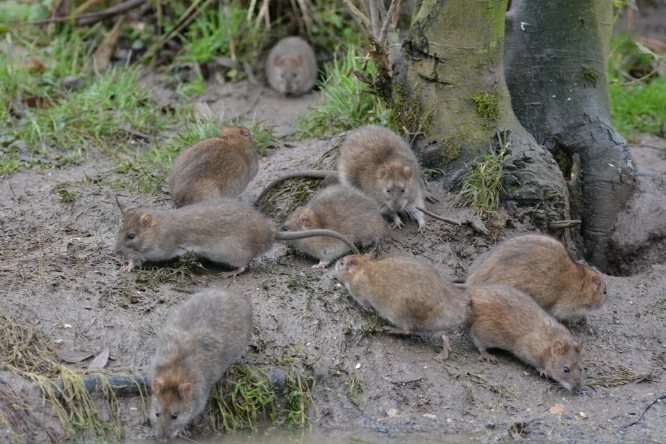
If you’ve noticed more rat activity around your property during certain times of the year, there’s a good reason for that. Rats adjust their behavior based on weather, food availability, and their basic survival needs.
Understanding when rats are most active can help you protect your home, plan pest control efforts, or just know what to expect throughout the year. So, what season are rats most active?
Rats are most active during fall (September to November) and spring (March to May), though their activity patterns depend heavily on whether they live indoors or outdoors. Fall sees the highest activity as rats search for food and shelter before winter. Indoor rats stay active year-round because they have constant access to food, water, and stable temperatures.
While rats can be active any time of year, their behavior definitely changes with the seasons. These changes are driven by temperature, food availability, and their natural breeding cycles.
Why Fall Is Peak Rat Activity Season
Fall is when you’ll see the most rat activity, especially from outdoor populations. As temperatures start to drop and winter approaches, rats become much more active in their search for food and shelter.
Rats know instinctively that cold weather is coming, even though they can’t check a calendar. Dropping temperatures and shorter days trigger them to start preparing for winter survival.
During fall, rats are frantically looking for good places to spend the winter. This is when they’re most likely to try getting into your home, garage, shed, or any other warm structure.
They’re also stocking up on food. If rats find a good food source in fall, they might start hoarding it, carrying food back to their nests to save for winter when food becomes scarce.
Fall also sees increased breeding activity. Rats are trying to have one more litter before winter hits, which means more rats overall and more movement as they search for mates and nesting sites.
Spring Activity Surge After Winter
Spring is the other peak activity season for rats. After a slow winter, warming temperatures and longer days wake rats up and get them moving again.
Rats that survived winter are hungry and need to rebuild their energy after months of scarce food. They become very active searching for food sources.
Spring breeding season kicks in hard. Male rats are moving around looking for females, and pregnant females are searching for perfect nesting spots to have their babies.
Food becomes much more available in spring too. Gardens start producing, insects come out, and seeds and plants become abundant. This abundance of food supports increased rat activity.
You might notice more rats during the day in spring, especially younger rats who were born over winter and are now exploring on their own for the first time.
Summer Rat Activity Patterns
Summer activity depends a lot on where the rats live and how hot it gets. In moderate climates, summer can see fairly high activity levels.
However, in very hot regions, rats might actually become less active during the peak heat of summer. Extreme heat stresses them, so they adjust their behavior to stay cool.
Rats are naturally nocturnal (active at night), and this becomes even more pronounced in hot summers. They’ll do most of their foraging and moving around at night when temperatures drop.
Summer still sees good activity levels because food is usually plentiful from gardens, crops, and outdoor eating areas. Rats take advantage of all the food available during warm months.
Water becomes more important in summer. Rats need to drink more when it’s hot, so they’ll be active around water sources like pet water bowls, leaky pipes, and irrigation systems.
Winter Activity Slowdown
Winter is typically the quietest season for outdoor rat activity. Cold temperatures, snow, and food scarcity all contribute to rats slowing down and staying in their nests more.
However, “less active” doesn’t mean “not active at all.” Rats don’t hibernate, so they still need to go out and find food even in winter. They just do it less frequently.
Rats living in harsh winter climates might only venture out every few days to find food, spending the rest of the time huddled in their nests to conserve energy and stay warm.
But here’s the catch: rats that have made it inside your house or other buildings are just as active in winter as any other season. They’ve got it made with warmth and food, so there’s no reason to slow down.
In fact, you might notice MORE rats inside your home during winter, not because they’re more active, but because more rats have moved indoors to escape the cold.
How Temperature Affects Rat Activity
Temperature is one of the biggest factors controlling how active rats are. Rats are most active when temperatures are moderate, roughly between 60 to 80 degrees Fahrenheit.
When temperatures drop below 50 degrees, outdoor rats start slowing down. They’ll spend more time in their nests and less time foraging. Very cold weather (below freezing) makes them even less active.

But rats are surprisingly tough. Even in winter, they’ll still venture out to find food when they need to. They just can’t stay out as long in cold weather.
Hot temperatures above 90 degrees also slow rats down. They’ll shift their activity to cooler parts of the day (early morning or night) and spend hot afternoons resting in cool spots.
The ideal temperature range for maximum rat activity is that moderate zone where it’s not too hot and not too cold. This is why spring and fall see such high activity, the weather is perfect for rats.
Daily Activity Patterns Throughout the Year
Rats are nocturnal, which means they’re naturally most active at night. This pattern stays fairly consistent year-round, though it can shift based on season and conditions.
During all seasons, you’ll typically see peak rat activity around dusk (right after sunset) and dawn (right before sunrise). These twilight times are when rats feel safest moving around.
In summer, rats might shift their activity even later into the night to avoid heat. You might not see any rat activity until well after dark.
In winter, rats might be active during warmer parts of the day if nights are extremely cold. You’re more likely to spot rats during daylight hours in winter than in summer.
Indoor rats can be active at any time, but they still tend to follow their nocturnal instincts. You’ll hear them most at night even though they’re living in temperature-controlled environments.
How Food Availability Drives Seasonal Activity
Food availability is just as important as temperature for controlling rat activity. Rats can’t afford to be active if there’s no food to find, they’d just waste energy.
Spring sees increasing food availability, which drives rats to be more active. New plant growth, insects, bird eggs, and human food from outdoor activities all become available.

Summer usually has the most food available, which supports high activity levels. Gardens, trash from outdoor dining, and natural food sources are all abundant.
Fall harvest season brings a huge surge in available food. Crops are being harvested, fruit is falling from trees, and people are storing food for winter. Rats are highly active taking advantage of all this.
Winter has the least food available outdoors, which is the main reason rat activity drops. There’s simply not as much reward for the energy spent moving around in the cold.
Breeding Cycles and Activity Levels
Rat breeding cycles directly affect how active they are. When rats are breeding, you’ll see much more movement and activity.
Spring breeding season means lots of rats moving around. Males are actively searching for females, traveling much farther than they normally would.
Pregnant females become more active looking for perfect nesting spots. They’re very picky about where to have their babies, so they explore a lot before settling on a location.
Fall sees another breeding surge, which again increases overall rat activity. This combines with their food-hoarding and shelter-seeking behavior to make fall the busiest season.
After females give birth, they become less active for a week or two while they care for newborns. But once the babies start growing, the mother needs to find even more food, so her activity increases.
Indoor vs. Outdoor Activity Patterns
The biggest difference in rat activity comes down to whether they’re living indoors or outdoors. Indoor rats have completely different activity patterns than wild rats.
Indoor rats stay active year-round at pretty consistent levels. They don’t experience seasonal changes in temperature or food availability, so there’s no reason to adjust their behavior.
You might actually notice MORE indoor rat activity during winter, but that’s because more rats have moved inside, not because each rat is more active.
Outdoor rats show much more dramatic seasonal changes. They’re highly active in spring and fall, moderately active in summer (depending on climate), and less active in winter.
Urban rats that live partly indoors and partly outdoors (like in sewer systems) fall somewhere in between. They stay fairly active year-round but might still show some seasonal patterns.
Geographic Differences in Activity Seasons
Where rats live makes a huge difference in their activity patterns. Rats in Florida have very different seasonal activity than rats in Maine.
In tropical or subtropical climates, rats might stay fairly active year-round because there’s no real winter. Their activity might dip slightly during the hottest months but otherwise stays consistent.
In temperate climates with four distinct seasons, you’ll see the classic pattern of high activity in spring and fall, moderate activity in summer, and low activity in winter.
In very cold northern climates, rats might only be really active during a short summer window. The rest of the year, they’re either barely active (winter) or ramping up/down (spring and fall).
Desert rats adjust their activity around heat rather than cold. They might be least active during scorching summer months and most active during cooler seasons.
Signs of Increased Rat Activity
During peak activity seasons, you’ll notice more signs that rats are around. Knowing what to look for helps you catch problems early.
Droppings are one of the clearest signs. More rat activity means more droppings. Rat droppings are dark, pellet-shaped, and about the size of a grain of rice. Fresh droppings are soft and dark, while old droppings are hard and gray.
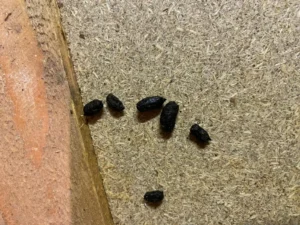
Gnaw marks increase when rats are more active. You’ll see fresh gnaw marks on wood, plastic, wires, and food containers. Fresh gnaw marks look lighter colored than old marks.
Grease marks appear along walls and baseboards where rats regularly travel. Their oily fur leaves dark smudge marks on surfaces they pass frequently.
Sounds become more noticeable. You might hear scratching, squeaking, or scurrying sounds, especially at night. These sounds get much more common during peak activity seasons.
Actual rat sightings increase during high-activity seasons. While rats are usually good at hiding, you’re more likely to spot one during spring and fall when populations and activity are both high.
How Weather Events Affect Activity
Sudden weather changes can cause spikes in rat activity even outside the normal peak seasons. Understanding these patterns helps you prepare.
Heavy rain drives rats to seek shelter. You might see a sudden increase in rats trying to get inside during or right after major storms.
Drought makes rats more active around water sources. They’ll travel farther than usual to find water, which might bring them into contact with humans more often.
Heat waves can bring rats indoors seeking air conditioning and water. A sudden spike in temperature might drive more rats into buildings.
Cold snaps in fall can trigger early winter behavior, with rats rushing to find shelter earlier than usual. An unexpected freeze in October might cause a surge in rats trying to move indoors.
Mild winters keep outdoor rats more active than they’d normally be. A warm winter might not slow down rat activity much at all.
Urban vs. Rural Activity Patterns
City rats and country rats often have different activity patterns even in the same climate. This comes down to differences in food availability and shelter.
Urban rats often have more consistent activity year-round because cities provide more stable food sources (garbage, restaurants, food waste) and more warm places to shelter.
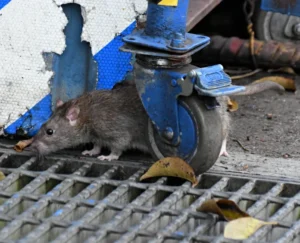
Rural rats show more dramatic seasonal changes. Their food sources (crops, wild plants, stored grain) are more seasonal, so their activity follows those food availability patterns more closely.
Suburban rats fall somewhere in between. They have access to some human food sources but also experience more seasonal variation than city rats.
Agricultural rats often show extreme fall activity as crops are harvested and grain is stored. Farmers typically see the worst rat problems right around harvest time.
How Predators Influence Activity Patterns
Predators affect when and how much rats are active. Rats adjust their behavior to avoid being eaten, which influences their activity patterns.
During seasons when predators like owls, hawks, and cats are more active (usually spring and summer), rats might be more cautious and stick to covered areas.
However, this doesn’t really reduce overall activity much. Rats still need to find food, so they just become more careful about how and when they move around.

In areas with lots of predators, rats might be more active at night when visual predators like hawks can’t see them. In areas with fewer predators, rats might be bolder about daytime activity.
Winter actually reduces predator pressure in many areas because some predators migrate or become less active. This might slightly increase rat boldness during winter months.
Managing Rats During Peak Activity Seasons
Knowing when rats are most active helps you plan your pest control and prevention efforts. Timing matters when dealing with rats.
Early fall is the best time to seal up your house and do rat-proofing. Do it before the peak fall activity hits, and you’ll stop rats from moving in before winter.
Spring is a good time to set traps and do active control because rats are moving around more and are easier to catch. They’re also hungry after winter, which makes bait more attractive.
Year-round vigilance is important for indoor spaces. Since indoor rats don’t follow seasonal patterns, you need to maintain prevention efforts constantly.
Reduce food sources during peak activity times. Keep garbage secure, don’t leave pet food out, clean up fallen fruit, and store food in sealed containers.
Check your property for signs of rats more frequently during spring and fall. Early detection during these peak times prevents small problems from becoming major infestations.
Conclusion
Rats are most active during fall (September to November) when they’re searching for food and shelter before winter, followed by spring (March to May) when warming weather and breeding cycles increase activity. Summer activity depends on climate, with very hot areas seeing reduced activity, while winter is typically the slowest season for outdoor rats.
Indoor rats don’t follow these seasonal patterns and stay active year-round because they have constant access to food, water, and comfortable temperatures. If you’re dealing with rats inside your home or building, you need to maintain control efforts throughout the entire year.
The best strategy is to focus your prevention efforts in early fall before the peak activity surge, seal entry points before rats start looking for winter shelter, and maintain vigilance during spring when breeding activity brings rats out in full force.

Hi, my name is Ezra Mushala, i have been interested animals all my life. I am the main author and editor here at snakeinformer.com.