
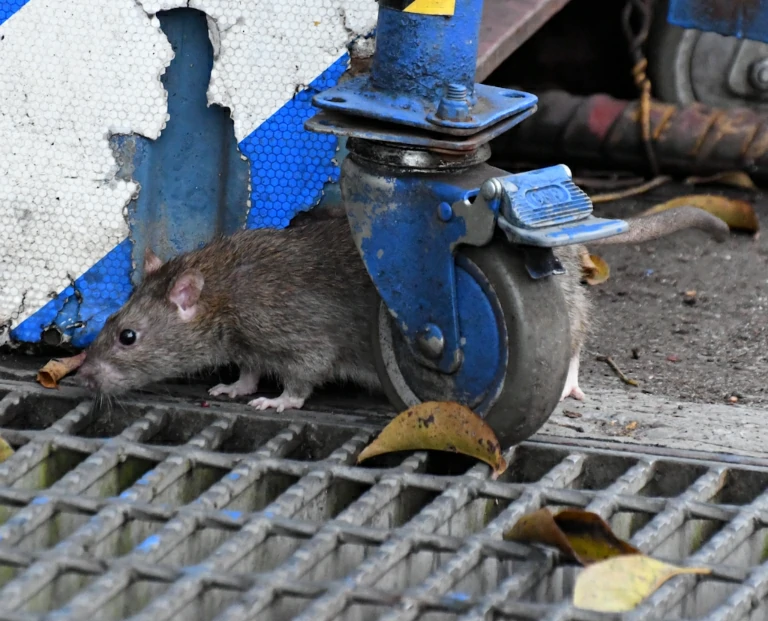
Rats are one of the most common pests that people deal with in homes, yards, and businesses. Once they move in, they can be incredibly hard to get rid of. They chew through wires, contaminate food, spread disease, and multiply fast.
If you’re dealing with a rat problem, you’re probably looking for ways to make them leave and stay gone for good. But what actually makes rats go away?
Rats go away when you remove their food sources, block their entry points, and make your space uncomfortable for them to live in. They need food, water, shelter, and safe places to nest. Take these away, and rats will leave to find a better place to survive.
When rats can’t find what they need to survive in your home or property, they’ll move on to somewhere else. They’re not going to stick around if there’s nothing for them to eat, nowhere safe to hide, and no water to drink.
The key is making your space as unwelcoming as possible while also physically keeping them out.
What Rats Need to Survive
Rats are really good at surviving in all kinds of places, but they still have basic needs just like any other animal. If you understand what they’re looking for, you can take those things away and force them to leave.
Rats need three main things to survive. They need food, water, and shelter. Without these, they can’t live in your space for very long.

Food is the biggest draw for rats. They’ll eat almost anything, from garbage and pet food to grains, fruits, and even soap. If you have food sitting out, crumbs on the floor, or trash that isn’t sealed, you’re basically inviting them in.
Water is just as important. Rats need to drink water regularly to stay alive. They’ll get it from leaky pipes, pet water bowls, standing water in your yard, or even condensation. If they can’t find water, they’ll leave to find it somewhere else.
Shelter is the third thing rats need. They want warm, dark, quiet places where they can hide from predators and build nests. This could be in your walls, attic, basement, garage, or even under piles of junk in your yard.
How to Remove Food Sources
The fastest way to make rats go away is to cut off their food supply. If they can’t find food in your space, they won’t stay long.
Start by storing all your food in sealed containers made of glass, metal, or thick plastic. Don’t leave food sitting out on counters, and don’t leave pet food out overnight. Rats are most active at night, so that’s when they’ll come looking for food.
Clean up crumbs and spills right away. Even small amounts of food can keep rats fed. Sweep and mop your floors regularly, and don’t forget about areas under appliances and furniture where crumbs can hide.
Keep your trash sealed tight. Use trash cans with locking lids, and don’t let garbage pile up. Take out the trash regularly, and keep outdoor bins as far from your house as possible.
If you have fruit trees or vegetable gardens, pick up fallen fruit and vegetables right away. Rats love eating these, and they’ll keep coming back if you leave them on the ground.
Don’t leave bird seed or other animal feed sitting out. If you feed birds or other wildlife, clean up spilled seed every day. Rats will eat it too, and you’ll end up feeding them instead of the animals you actually want to attract.
How to Cut Off Water Sources
Water is just as important as food when it comes to making rats leave. If they can’t find water, they’ll have to go somewhere else to survive.
Fix any leaky pipes, faucets, or fixtures in your home. Even small drips can provide enough water for rats to drink. Check under sinks, around toilets, and in your basement for leaks you might not know about.
Don’t leave standing water anywhere. This includes pet water bowls that you leave out overnight, birdbaths, plant saucers, and puddles in your yard. If you have pets, put their water bowls away at night or keep them in places rats can’t reach.
Make sure your gutters are clean and draining properly. Clogged gutters can create pools of standing water that rats will drink from. Keep your downspouts pointed away from your house so water doesn’t collect near your foundation.
If you have air conditioning units, make sure they’re draining properly and not creating puddles. The same goes for water heaters and other appliances that produce condensation.
Blocking Entry Points to Keep Rats Out
Even if you remove food and water, rats might still try to get into your home if they can find a way in. You need to physically block every entry point to keep them out for good.
Rats can squeeze through holes as small as a quarter. That means even tiny gaps can let them in. Inspect your entire home, inside and out, looking for any openings.
Seal cracks and holes in your foundation, walls, and roof with steel wool and caulk. Rats can’t chew through steel wool, so it’s one of the best materials to use. Push the steel wool into the hole first, then seal it with caulk to hold it in place.
Check around pipes, vents, and utility lines where they enter your home. These are common entry points because there are often gaps around them. Seal these gaps with expanding foam or metal flashing.
Install door sweeps on all exterior doors, including garage doors. Make sure there are no gaps at the bottom where rats could slip through. Replace worn or damaged weather stripping around doors and windows.
Cover vents and chimneys with metal mesh or hardware cloth. Make sure the holes in the mesh are small enough that rats can’t squeeze through. Don’t use plastic or wood, because rats will just chew through it.
Trim tree branches that hang over your roof or touch your house. Rats are great climbers, and they’ll use branches as highways to get onto your roof and into your attic.
Making Your Space Uncomfortable for Rats
Beyond removing food, water, and entry points, you can also make your space uncomfortable for rats so they don’t want to stick around.
Keep your home and yard clean and clutter-free. Rats love hiding in piles of junk, boxes, firewood, and debris. The more clutter you have, the more hiding spots you’re giving them. Clean out your garage, basement, and storage areas regularly.
Use strong smells that rats hate. Peppermint oil is one of the most effective natural rat repellents. Soak cotton balls in peppermint oil and place them in areas where you’ve seen rat activity. Replace them every few days because the smell fades.
Other smells that rats don’t like include ammonia, vinegar, and cayenne pepper. You can spray these around entry points and areas where rats have been, but they’re not as effective as peppermint oil.
Keep lights on in areas where rats are active. Rats prefer darkness and will avoid well-lit spaces. If you have a basement, attic, or garage where you’ve seen rats, keep a light on to make them uncomfortable.
Make noise in areas where rats hide. Rats are cautious animals and don’t like unpredictable environments. If you have rats in your attic or walls, playing a radio or making regular noise can encourage them to leave.
Using Traps to Remove Rats
Sometimes, even after you’ve removed food, water, and entry points, you might still have rats living in your space. In these cases, you’ll need to trap them to get them out.
Snap traps are the most effective way to kill rats quickly. Place them along walls where you’ve seen rat droppings or activity. Rats like to run along walls, so that’s where traps work best.

Bait the traps with something rats can’t resist. Peanut butter works really well because it’s sticky and smells strong. You can also use dried fruit, nuts, or bacon. Don’t use cheese because rats don’t actually like it as much as people think.
Set multiple traps at once. One or two traps probably won’t be enough if you have a real infestation. Set at least six to twelve traps throughout your home to catch as many rats as possible.
Live traps are another option if you don’t want to kill the rats. These traps catch rats alive so you can release them far away from your home. Just make sure you release them at least a mile away, or they’ll find their way back.
Check your traps every day and remove dead rats immediately. Dead rats can attract other pests and create awful smells if you leave them too long.
What Doesn’t Work to Make Rats Go Away
There are a lot of myths and products out there that claim to get rid of rats, but most of them don’t actually work. It’s important to know what doesn’t work so you don’t waste time and money.
Ultrasonic repellents don’t work. These devices claim to emit high-frequency sounds that rats hate, but studies have shown they’re basically useless. Rats might avoid them for a day or two, but then they get used to the sound and ignore it.
Mothballs don’t work either. Some people think mothballs will repel rats, but they won’t. The smell isn’t strong enough to keep rats away, and mothballs are actually toxic to humans and pets if you use too many.
Poison should be your last resort, not your first choice. Rat poison can work, but it’s dangerous. Rats can die in your walls and create terrible smells, and poison can harm pets and children if they accidentally eat it.
Cat and dog scents might help a little, but they won’t solve the problem. Some people think having a cat or dog will scare rats away, but rats are smart. If they’re desperate for food and shelter, they’ll risk it even with pets around.
When to Call a Professional
Sometimes, no matter what you do, you can’t get rid of rats on your own. If you’ve tried everything and you’re still seeing rats, it might be time to call a professional pest control company.
Call a professional if you have a large infestation. If you’re seeing rats during the day, hearing constant scratching in your walls, or finding droppings everywhere, you probably have more rats than you can handle on your own.
Professionals have access to stronger tools and methods that aren’t available to regular people. They can use professional-grade traps, exclusion methods, and even tracking powder to find where rats are hiding.
They can also find entry points you might have missed. Pest control experts are trained to spot even the smallest gaps and holes that rats use to get inside. They’ll seal these up properly so rats can’t get back in.
If you’re dealing with rats in hard-to-reach places like inside walls or in crawl spaces, professionals have the equipment to get to them safely. Trying to handle this yourself can be dangerous and might not work.
How Long It Takes for Rats to Go Away
Getting rid of rats doesn’t happen overnight. It can take anywhere from a few days to several weeks, depending on how bad your infestation is and how well you follow through with prevention.
If you only have one or two rats, you might get rid of them in a few days with traps and basic prevention. But if you have a bigger problem, it could take weeks to fully clear them out.
The key is consistency. You can’t just set a few traps and hope for the best. You need to keep removing food sources, sealing entry points, and checking traps every single day.
Even after you stop seeing rats, keep up with prevention for at least a month. Rats are sneaky, and there might be a few hiding that you haven’t caught yet. If you let your guard down too soon, they’ll come back.
Monitor your space regularly for signs of rats. Look for droppings, chew marks, and greasy smudges along walls. If you see any of these signs, take action right away before the problem gets worse.
Keeping Rats Away for Good
Once you’ve gotten rid of rats, the last thing you want is for them to come back. The good news is that if you keep up with prevention, you can keep rats away permanently.
Keep your home clean and clutter-free at all times. Don’t let trash pile up, and store food properly. This alone will make your home much less attractive to rats.
Inspect your home regularly for new entry points. Houses settle over time, and new cracks and gaps can appear. Check your foundation, roof, and walls at least twice a year and seal any new openings you find.
Trim trees and bushes away from your house. Don’t let vegetation touch your walls or roof because rats will use it to climb up and get inside.
Stay on top of home repairs. Fix leaky pipes, broken vents, and damaged screens right away. The longer you wait, the more likely it is that rats will find these openings and move in.
If you see signs of rats, act fast. Don’t wait for the problem to get worse. Set traps, remove food sources, and seal entry points as soon as you notice any rat activity.
Conclusion
Making rats go away isn’t complicated, but it does take effort and consistency. You need to remove their food and water sources, block every possible entry point, and make your space as uncomfortable for them as possible.
Traps can help remove rats that are already inside, but prevention is what keeps them from coming back. If you stay on top of cleaning, home maintenance, and regular inspections, you can keep rats away for good.
If you’ve tried everything and still can’t get rid of them, don’t hesitate to call a professional. Rats multiply fast, and the longer you wait, the harder they are to get rid of.
The most important thing is to act quickly and be thorough. Rats won’t leave on their own, so you have to make them go.

Hi, my name is Ezra Mushala, i have been interested animals all my life. I am the main author and editor here at snakeinformer.com.