

You know rats are living somewhere in your house because you’ve seen the droppings and heard the scratching sounds at night. But you rarely actually see the rats themselves.
They’re hiding most of the time, and you’re wondering what finally makes them come out into the open where you might spot them. So what makes rats come out?
Rats come out when they need food or water, when they feel safe from threats, and when conditions in their environment make them feel comfortable. The main things that make rats come out are hunger, thirst, darkness, quiet surroundings, and the absence of predators or human activity.
Knowing what triggers rats to leave their hiding spots can help you catch them or at least understand when they’re most likely to be active in your house.
Hunger Is The Biggest Motivator
The number one thing that makes rats come out is hunger. Rats need to eat constantly to survive, and they can’t go more than a few days without food before they start to weaken.
An adult rat needs to eat about an ounce of food every day, which might not sound like much but adds up when you have multiple rats. When a rat gets hungry, it has to leave its nest and go looking for food.

No matter how scared it might be, hunger will eventually force a rat out of hiding. This is actually the main reason traps work.
You’re putting food (bait) in a location where rats can smell it, and their hunger drives them to take the risk of going after it. Rats will come out even during risky times if they’re hungry enough.
If you’ve ever seen a rat during the day, it’s usually because the rat is really hungry and couldn’t find enough food during the safer nighttime hours. A well-fed rat is much more cautious and will only come out when conditions feel really safe.
But a starving rat will take bigger risks. This is why removing other food sources in your house makes traps more effective.
When rats don’t have easy access to crumbs, pet food, or garbage, they become more desperate and more willing to go after trap bait.
Thirst Drives Rats Out Too
Water is even more critical than food for rats. A rat can survive longer without food than it can without water.
Rats need to drink water every single day, and they’ll come out to find it no matter what. If your house has leaky pipes, dripping faucets, pet water bowls, or any standing water, rats will come out to drink from those sources.

The need for water is so strong that rats will venture out even if they hear noise or sense activity nearby. They can’t help it because their bodies need water to function.
This is why fixing water leaks is such an important part of rat control. When you take away easy water sources, rats have to work harder and take more risks to find water.
This makes them more likely to encounter your traps or to leave your house entirely to find water elsewhere.
Darkness Makes Rats Feel Safe
Rats are nocturnal animals, which means they’re programmed to be active at night. When it gets dark, rats feel much more comfortable coming out of their hiding spots.
Darkness helps them stay hidden from predators, and it also means humans are usually asleep and not moving around. The combination of darkness and quiet tells rats it’s safe to come out.
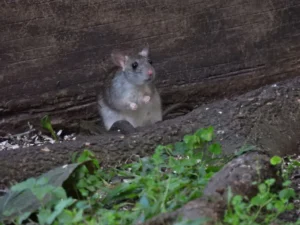
This is why you almost always hear rat activity at night, usually between 10 PM and 4 AM. If you turn on a light suddenly at night, any rats that are out will scatter and run back to their hiding spots.
They immediately feel exposed and vulnerable in the light. Some people try to use bright lights to deter rats, and while this might work a little bit in outdoor areas, rats inside your house will just adjust.
They’ll learn which rooms stay dark at night and focus their activity there. They’ll also learn your schedule and come out when they know you’re asleep, even if some lights are on in other parts of the house.
Quiet Surroundings Encourage Rats
Noise and activity keep rats hiding. During the day, your house is probably full of sounds (people talking, TVs, appliances running, doors opening and closing).
All this activity tells rats “it’s not safe right now.” They stay in their nests and wait. When everything gets quiet at night and people go to bed, rats know it’s their time to come out.
Rats have excellent hearing, so they’re constantly monitoring the sound levels in your house. They can hear footsteps, voices, and movements through walls and floors.
As long as they hear human activity, they stay hidden. But once things quiet down, they start moving.
This is why you might hear scratching or scurrying sounds in your walls right after you go to bed. The rats were waiting for you to settle down.
Some people try playing loud music or running a radio in areas where rats are active. This can make rats feel less secure and might reduce their activity in that area.
But rats are adaptable, and they’ll often just move their activity to quieter parts of your house instead of leaving completely.
The Absence Of Threats
Rats won’t come out if they sense danger. Predators, loud noises, strong smells they don’t like, and sudden movements all make rats stay hidden.
When these threats aren’t present, rats feel safe enough to come out. If you have a cat or dog, rats might adjust their behavior to avoid the times and places where your pets are active.

But once your pets are asleep or in another part of the house, rats will come out. Rats are really good at figuring out when and where it’s safe.
They’ll test the environment before fully committing. A rat might poke its head out of a hole, wait and listen for a minute, and then retreat if it senses anything concerning.
Only when everything seems calm will it actually come all the way out. This cautious behavior is one reason rats are so hard to catch.
They’re constantly assessing risk and will back off at the slightest hint of danger.
Temperature And Comfort
Rats prefer moderate temperatures and will come out more readily when conditions are comfortable. If it’s extremely cold, rats might come out looking for warm spots in your house.
They’ll be attracted to areas near heaters, hot water pipes, or appliances that generate heat. In very hot weather, rats might come out during cooler evening hours or early morning instead of in the middle of the night when it’s too hot.
They’ll also seek out cooler areas of your house, like basements or crawl spaces. Rats are constantly trying to regulate their body temperature, and they’ll adjust when they come out based on the temperature.
If your house suddenly gets colder (like if your heat goes out in winter), rats will be more active because they’re searching for warmth.
Access To Safe Pathways
Rats are more likely to come out if they have safe routes to travel. They prefer to move along walls and edges where they feel protected on at least one side.
If you have cluttered areas with lots of cover (boxes, furniture, piles of stuff), rats will use these as highways to move around. They feel safer when they have something to hide under or behind.

Open spaces scare rats because they’re completely exposed. You’ll rarely see a rat run across the middle of an empty room.
They’ll stick to the edges and duck under or behind things whenever possible. If you want to reduce rat activity in certain areas, remove clutter and eliminate the covered pathways they like to use.
Make spaces as open and exposed as possible. This won’t make rats leave your house, but it will make them less comfortable moving through those areas.
The Presence Of Other Rats
Rats are social animals, and they’re more likely to come out when they know other rats are around. They use scent trails and pheromones to communicate.
When one rat finds a good food source, it leaves scent markers that tell other rats “follow this path, there’s food here.” Rats will come out more readily when they can smell that other rats have been using the same routes successfully.
If you see one rat, there are almost definitely more hiding nearby. Rats rarely live alone, and they feel safer when they’re part of a group.
Young rats learn from older rats when and where it’s safe to come out. This is why rat problems tend to get worse over time if you don’t deal with them.
More rats means more scent trails and more confidence, which makes even more rats feel comfortable coming out.
Changes In Their Environment
Sometimes rats come out because something has changed in their normal hiding spots. If their nest gets disturbed, flooded, or becomes too hot or cold, rats will leave and look for better spots.

You might see increased rat activity after heavy rain if water got into their nesting area. Construction, renovations, or even just moving furniture around can push rats out of their hiding spots.
When this happens, you’re more likely to actually see the rats as they scramble to find new places to hide. This can actually be a good time to catch them because they’re stressed and not following their normal cautious routines.
Reproductive Behavior
Pregnant female rats and females with babies have different coming-out patterns. A pregnant rat or a mother with newborns might stay in the nest more than usual.
But she’ll also need to eat more, so she’ll make trips out to find food and bring it back to the nest. Male rats looking for mates might be more active and take more risks.
They’ll come out more often and cover more territory trying to find females. During breeding season, you might notice increased rat activity because both males and females are more active than usual.
What Keeps Rats From Coming Out
Understanding what stops rats from coming out is just as important as knowing what makes them come out. Bright lights, noise, activity, strong smells (like peppermint oil or ammonia), and the presence of predators all keep rats hiding.

If you want to discourage rats from being active in certain areas, you can try using some of these deterrents. However, deterrents alone won’t solve a rat problem.
They just make rats uncomfortable and might shift their activity to different areas of your house. To actually get rid of rats, you need to combine deterrents with traps and by sealing up entry points.
Using This Information To Catch Rats
Knowing what makes rats come out helps you catch them more effectively. Set traps in the evening before rats become active, place them along the paths rats use, and use bait that smells strong.
Make sure the area around your traps is quiet and dark so rats feel safe approaching. Remove other food and water sources so rats are more motivated to go for your trap bait.
Check your traps early in the morning and reset them. You can also use motion-activated cameras to see when and where rats are most active in your house.
This helps you place traps in the best locations. Some people have success by creating “safe” feeding spots with bait but no traps for a few days.
Rats get used to eating there and let their guard down. Then you add traps to those spots and have better success catching them.
Signs That Rats Are Coming Out
Even if you don’t see rats, you can tell they’ve been coming out by looking for signs. Fresh droppings are the biggest clue.
If droppings are dark and moist, they’re fresh (from the night before). Dry, gray droppings are old. Look for chewed food packaging, gnaw marks on wood or plastic, and greasy rub marks along walls where rats travel.

You might also find shredded paper, fabric, or insulation that rats have been using as nesting material. Rats will drag this stuff back to their nests when they come out.
If you find a trail of shredded material, you can follow it to find where the nest might be. Listen for sounds at night too.
Scratching, scurrying, squeaking, and gnawing sounds all tell you rats are active. The more signs you find, the more rats are coming out in your house.
Conclusion
Rats come out primarily because of hunger and thirst, and they’re most likely to do it when it’s dark, quiet, and they feel safe from threats. Temperature, the presence of other rats, and access to safe pathways also play a role.
Understanding these triggers helps you predict when rats will be active and where they’ll go. You can use this knowledge to set more effective traps and to remove the things that make rats feel comfortable coming out.
The key is to make your house less appealing to rats by removing food and water sources, keeping things well-lit and noisy (at least temporarily), and sealing up the safe pathways and hiding spots rats use. When rats don’t feel safe and comfortable, they’re less likely to come out.
And when they do have to come out because of hunger or thirst, they’re more likely to take risks that lead them into your traps.

Hi, my name is Ezra Mushala, i have been interested animals all my life. I am the main author and editor here at snakeinformer.com.